
How bad are things right now? Pretty bad.
“Walking together” is taking up to the edge of a precipice, probably over the sea where the Gadarene swine are still moiling.
Appointments to key positions defies reason.
Convents and monasteries are in shut down mode.
Things have always been bad, because the Enemy is relentless and we humans are susceptible to all manner of temptations and trickery. It is unthinkable that the Enemy doesn’t attack the Church through her higher leaders. After all, though angelic and numerous the Enemy still has finite resources and limited time. They, therefore, strike high for the greatest knock on effect.
That said, I bring a few items to your attention. They aren’t connected, but they are, if you get my drift.
First, there’s this. This one of the strangest, way out in left field, absurd things I’ve seen in a while.
Curia cardinal links opposition to 1986 Assisi prayer meeting to ‘schismatic rupture’
Cardinal George Jacob Koovakad has linked traditionalist opposition to the 1986 Assisi interreligious prayer meeting to a “schismatic rupture” and argued that the event now forms part of the Church’s ordinary Magisterium
✍️@NiwaLimbu1988
https://t.co/k35KSqinn5
— AdVaticanum (@RealAdVaticanum) October 20, 2026
His Eminence said:
“Not everyone understood it. Integrist circles contested that day, even making it one of the reasons for a schismatic rupture; others feared syncretism or relativism, as they still do today.” “With these words, 27 October 1986 enters into the ordinary teaching of the Magisterium. It is no longer merely an event to remember: it is a criterion through which to interpret the present.”
Ummm… no.
Actions are not magisterial. Teachings are magisterial when they are formulated in propositional form (not in weasel words) and do not contradict the Deposit of Faith. “Assisi 1986” is not part of the Magisterium.
Here is a bit of … interesting news, but partially obscured under a lot of smoke and pointing at imaginary squirrels.
Peter K alerted me to something at a substack called Frater Spiritus about the attempts of the Archbishop of Detroit to ban ad orientem worship. In effect what the Archbp did was forbid priests from following the rubrics… which he can’t do. Now, it seems that the Holy See has stepped up on the matter.
A reminder…
For those who do not remember, when Archbishop Edward Weisenburger was appointed to the Archdiocese of Detroit, he told local reporters that he “wasn’t coming to shake things up” and “would make the absolute minimal changes for his first year”.
His Excellency either has a bad memory about what he says or he was not being entirely honest. Shortly after he arrived in Detroit he summarily sacked without review three distinguished professors at Sacred Heart Seminary and then devastated the people who desire traditional liturgy by suppressing TLMs all over the place. Although… to be fair… it could be that he considers both of those actions to address things so unimportant that they barely count.
You will also recall that the Archbp issued in a public decree a total ban on priests celebrating Mass in ad orientem, hence requiring them to celebrate versus populum.
It seems someone in the pews, we don’t know who, asked the Vatican if this was actually allowed.
That first public decree has – surprise! – been changed. However, the change to the decree was not at first made public.
The original decree is HERE. You will note that in this draconian dig at the priests and people of Detroit, the signer – because it is inevitably his document – couldn’t even get “versus populum” right, instead writing “versus populo“.
Let me do what the Holy See did when they corrected the bad translation of GIRM 299 which led to all sorts of bishops trying to ban ad orientem worship and prompting destruction of altars. That is, the Holy See explained the Latin so that bishops wouldn’t get it wrong. Let’s have a look at versus.
Versus used as a preposition goes with the accusative, although its origin as an adverb helps explain why it can also appear after the noun it governs. For example, we can say “versus orientem… Romam… occidentem…. toward the east (eastward)… toward Rome… toward the west (westward)”. Versus also often occurs after ad and its accusative, stressing the direction… ad orientem versus… for example, “turned eastward”. That ad indicates movement toward, as in “ad Romam proficiscitur… He set out for Rome”, which “Romam versus proficiscitur” would be “He sets out in the direction of Rome”. In liturgical parlance we speak of Mass “versus populum… facing or turned toward the people” as well as “versus orientem… facing or turned toward the east”. There also occurs Mass “ad orientem versus” and simply “ad orientem“. It’s not that hard.
By the way, in legal and sporting terms we see something like Weisenberger v. (versus) The People of Detroit, that versus has taken on an adversarial meaning. That doesn’t transfer to liturgical usage as in “versus populum… against the people”… or… maybe it does in the case of the abusive antics of dopey priests who dance around like idiots or bless people with guitars. But I digress.
The change in the decree…
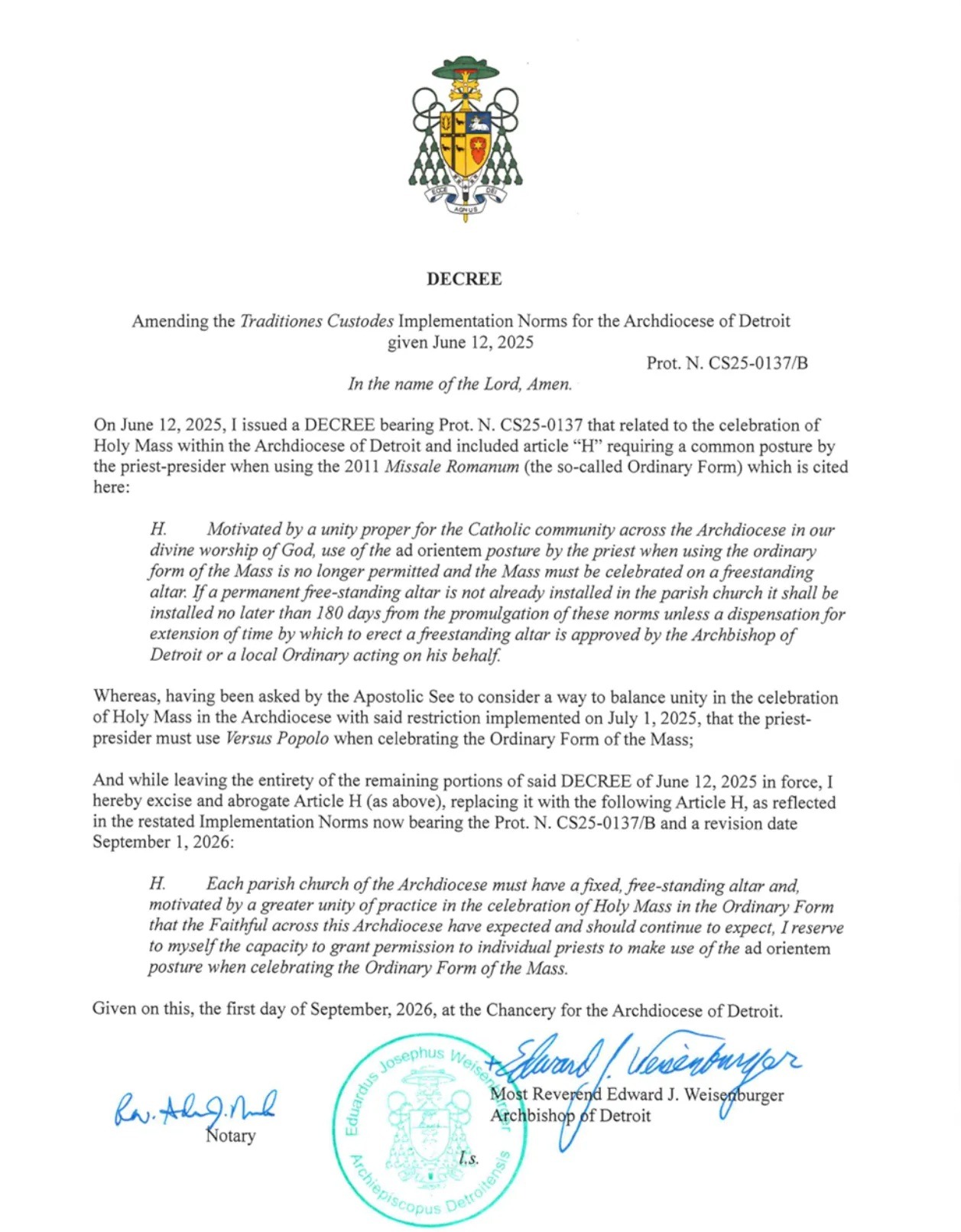
The Archbp of D wrote “versus populo“. FAIL.
Also important for this issue is that the Latin rubrics in the Novus Ordo 3rd edition 2002 Missale Romanum describe the priest as “conversus ad populum… having turned toward the people”. Here conversus is a participle and ad populum is a prepositional phrase. The meaning is clear: the priest was facing toward something other than the people and then he turns to face the people. The Missal explicitly uses versus ad altare (“facing toward the altar”) and ad altare conversus (“having turned toward the altar”). In the Novus Ordo Missal in (rubrics) nn. 132–133: we find the priest versus ad populum “Facing toward the people, the priest says Ecce Agnus Dei.” Then, immediately afterward: “Et sacerdos, versus ad altare, secreto dicit: Corpus Christi custodiat me in vitam aeternam. … And the priest, facing toward the altar, says quietly: May the Body of Christ preserve me unto eternal life.”
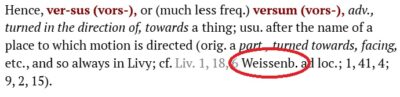
To close this part out, when in the Lewis & Short Dictionary I checked some uses of versus looking for ablative or dative, I found this… it’s pure coincidence, of course…
GOING ON AT LAST…. the original decree HERE. The irony drips from this screenshot (with my red underscore):
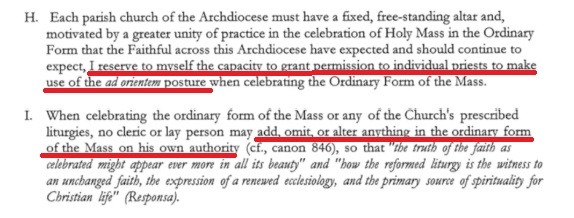
Firstly, he reserves to himself something that he doesn’t have control over. The LATIN edition of the Missale Romanum is the STANDARD, not the translation. A bishop can’t force a priest to disobey or change the rubrics. He himself makes this exact point in the very next paragraph!
Moving on to a last point… take a look at Rorate which recounts that an important book about the antics of the Consilium (Bugnini and Co) is back in priest. It is based on notes and diaries of Ferdinando Card. Antonelli. It deals with what happened many years ago, but those dealings impact the vast majority of Catholics today, because they changed how we pray.
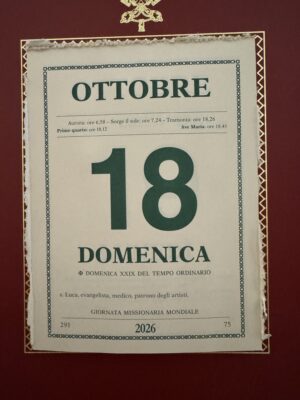 The Eternal receive sunlight this morning at 07:24.
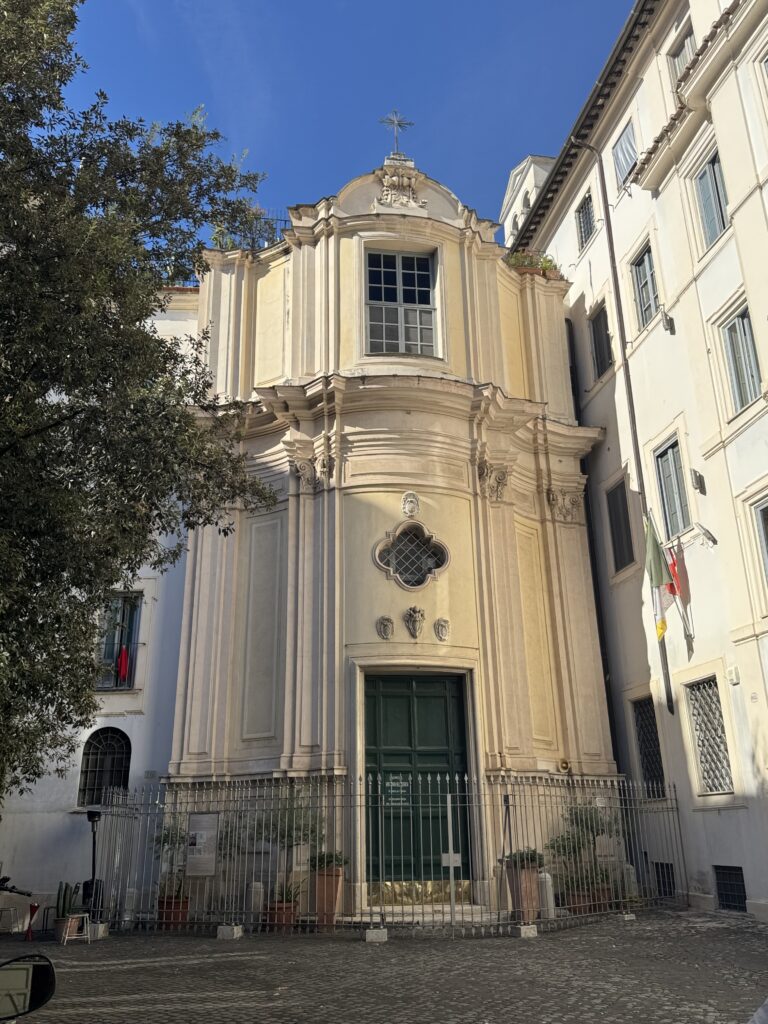

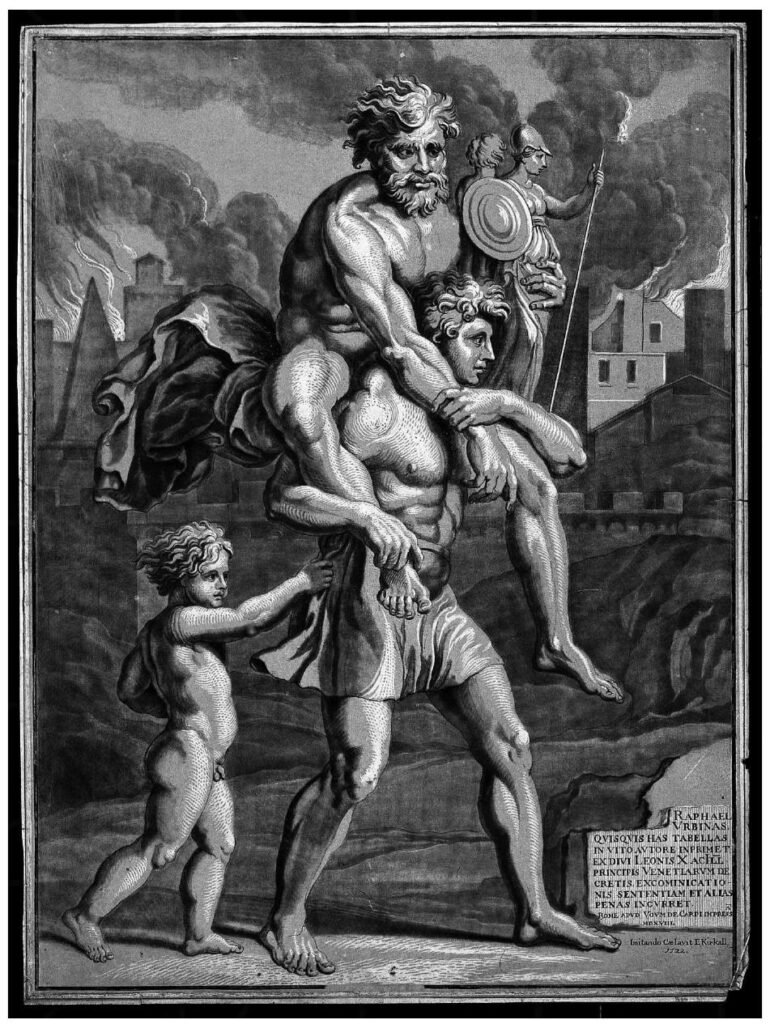 Custodio, common in military language, means “to watch, protect, keep, defend, guard”. Pietas is complicated, as we have seen many times. Obvious English “piety” comes from this, but the Latin is more involved. Your helpful Lewis & Short Dictionary says pietas is “dutiful conduct toward the gods, one’s parents, relatives, benefactors, country, etc., sense of duty.” The classic application of pietas and the adjective pius is to the figure of Aeneas in the Latin poet Virgil’s Aeneid. As Troy was being destroyed by the Greeks after the incident with the wooden horse, Virgil (+19 BC) has Aeneas carry his elderly father Anchises, with the family tutelary god, from the wreckage of the burning city while leading his little son along by hand. This image of the man with his father on his back and his son by the hand perfectly expresses the duties Aeneas, future founder of what will become Rome, had toward his family, his pietas. He was also scrupulous in relation to the gods. So he is usually called pius Aeneas, which as you now know is far more complicated than the mere “pious Aeneas”.

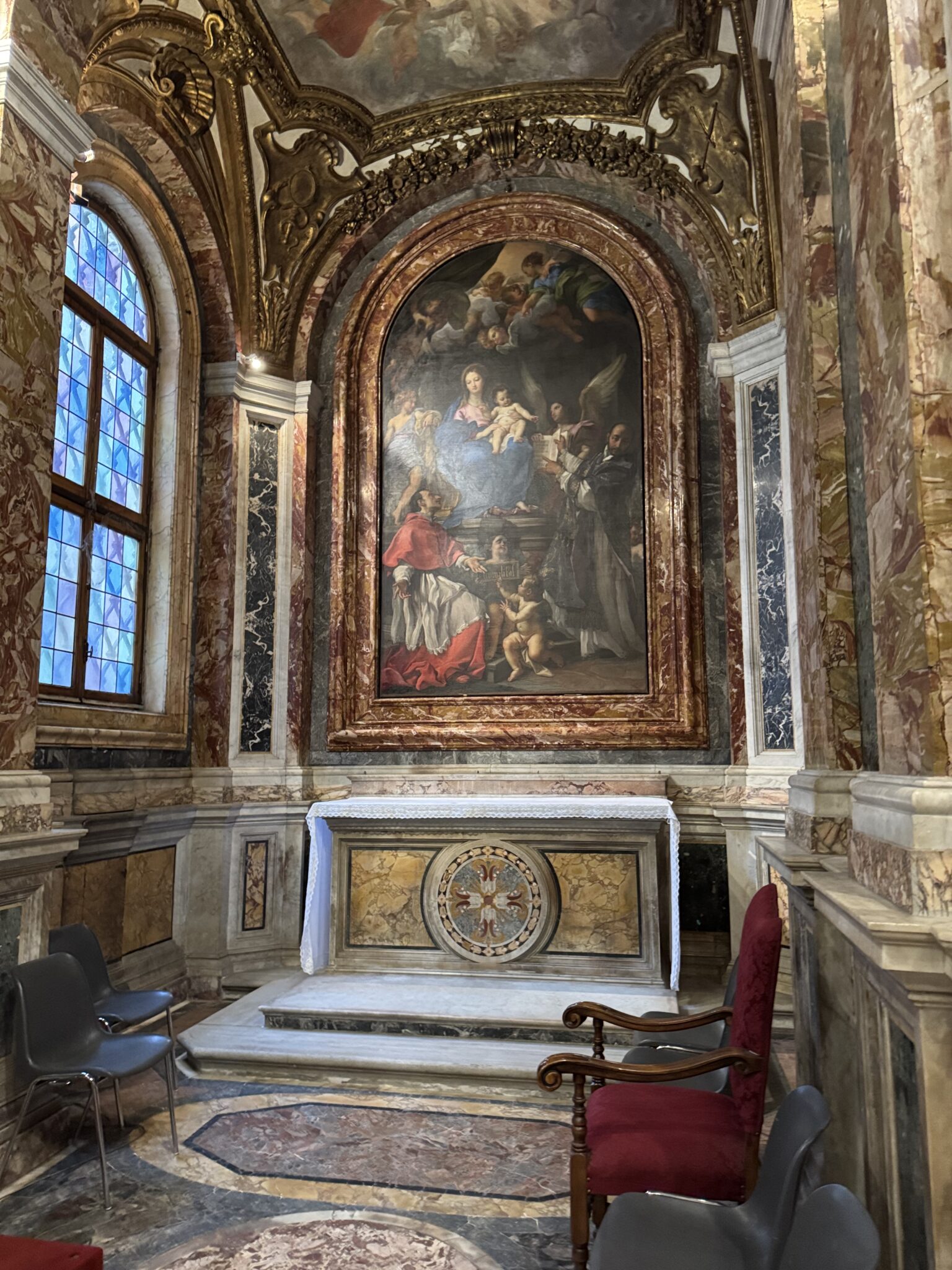


 From a reader…


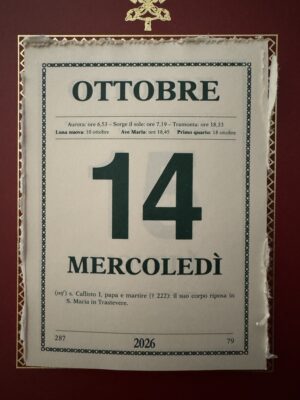 Today our yellow star appeared to rise over Rome at 07:19.
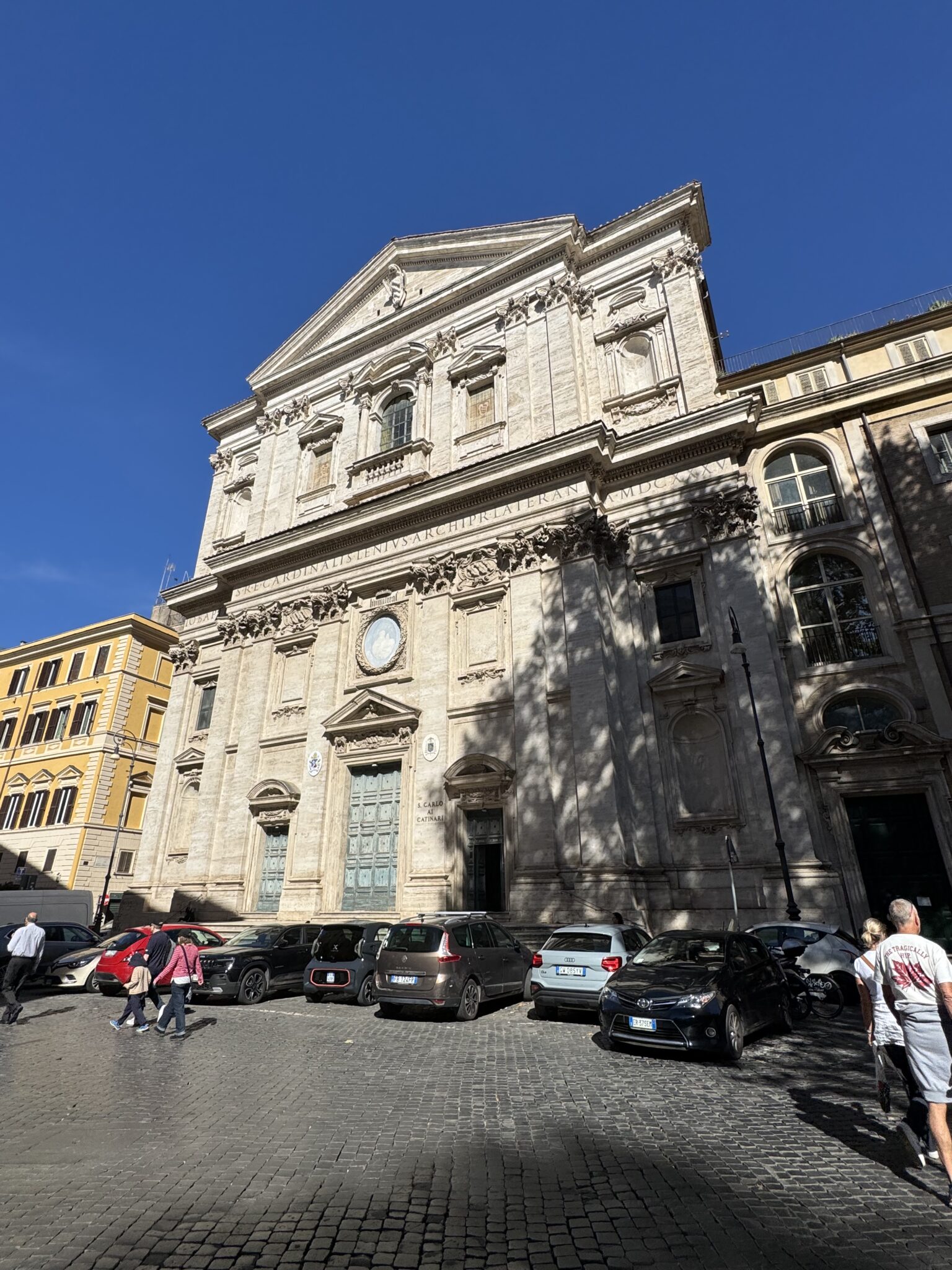
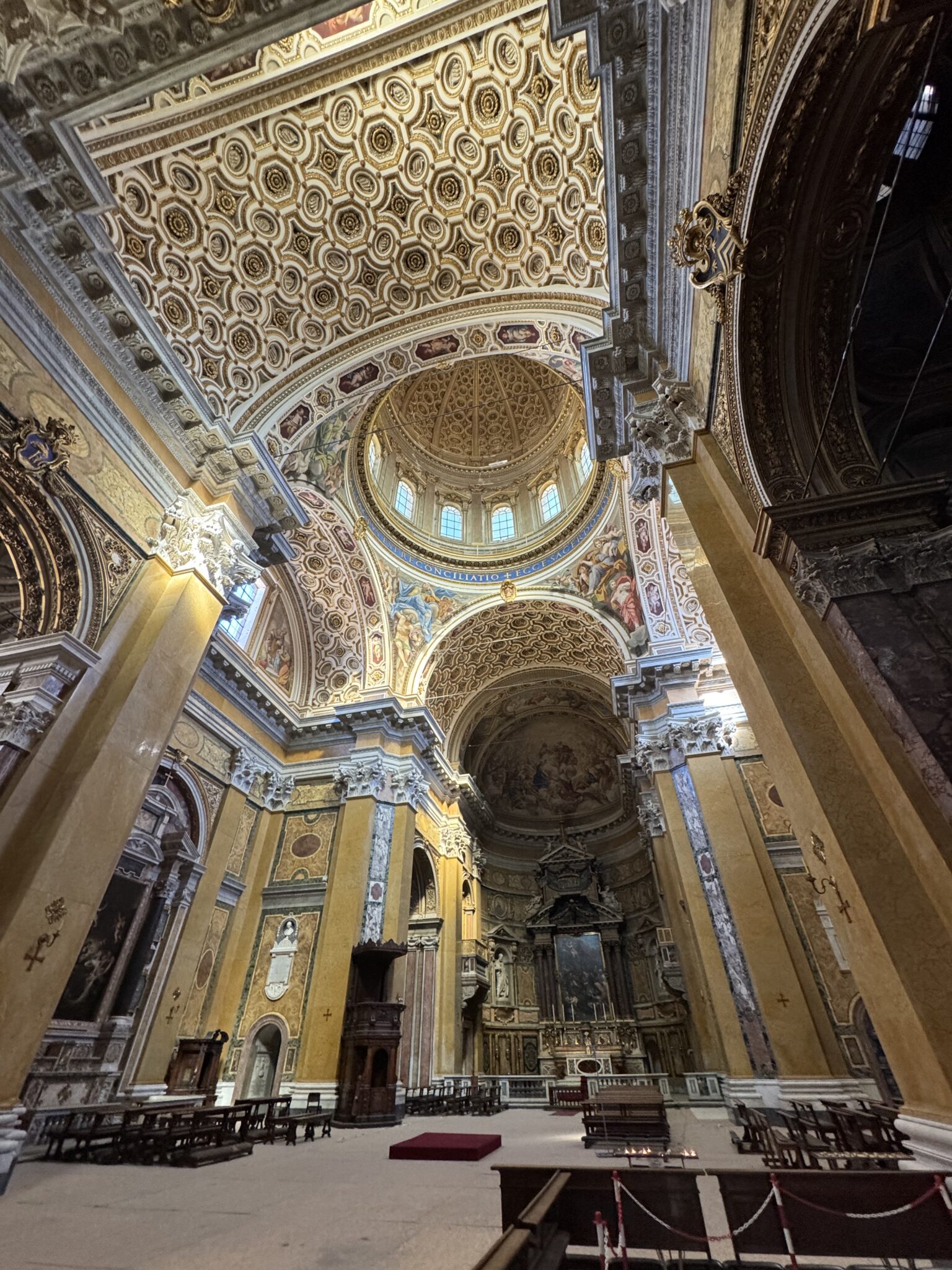
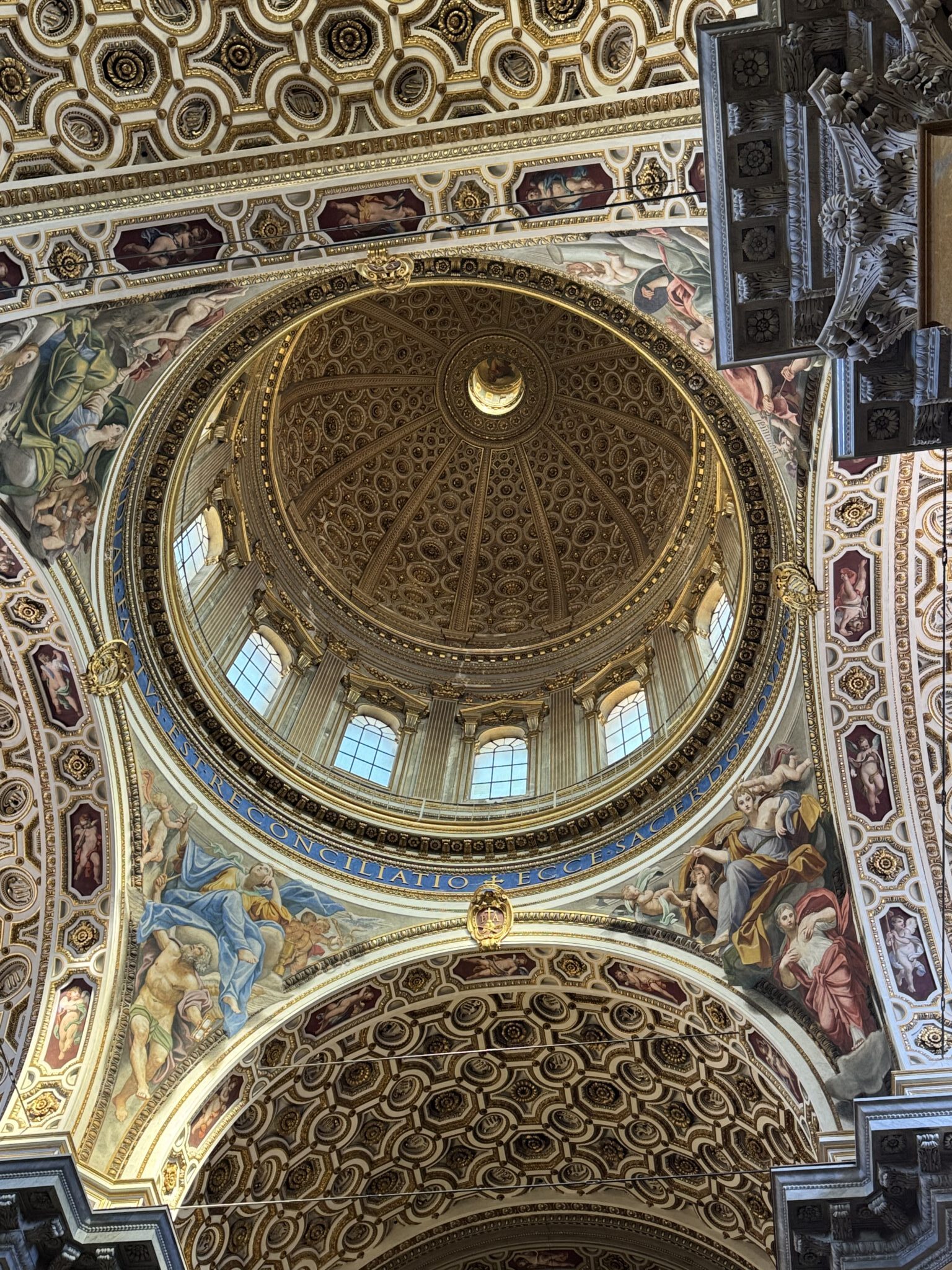






 GHP on ROME 26/10– Day 17-18: How very sad: “JonPatrick says I’ll bet that 1% of sisters under the age of 40 are predominantly those in traditional orders Our…”




























