I was sent a copy in an interesting book by Nicolas Louis Bacquez (or Bacuez 1820–1892), who was for many years a teacher and director of the mighty Saint-Sulpice Seminary in Paris. He wrote quite a few works for seminarians and priests about the priestly life, study, prayer, scripture, how to pray the Office, how to be a seminary director, etc. The book which first caught my eye was
The Divine Office: considered from a devotional point of view.

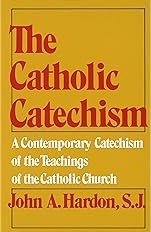
NB: At Amazon there are a couple of editions, but get the one from Os Justi Press, as it appears above.
It was translated into English in 1885 and is now reprinted by the wonderful Os Justi Press.
So… I’m skipping around a bit depending on what grabs me in the TOC (“Table of Contents”, btw).
I couldn’t help but be amused by this, since it seems timely to me. Plus ça change, plus c’est la même chose!
It is rare to be present at a meeting of the clergy without hearing them bitterly deplore the afflictions of the Church. Everyone laments the progress of liberalism and of unbelief. [If only he knew what was coming!] They are afflicted at the coldness of piety : they speak of the scandals they witness, and cry out with the Prophet—Virtue is no longer on earth, and we despair of bringing her back.* Almost always a pastor thinks he ought to complain of some portion of his flock. The children are indocile—the young people disorderly—the middle-aged take no heed of their salvation and are indifferent. In vain does he toil to preserve innocence and to reclaim sinners. His sermons are not listened to, or are only received with indifference. The Holy Table is neglected. The Sacrifice of the Altar is offered up in solitude, without worshippers. People seem to be doing a favour to God in consenting to receive pardon for their sins. . . . These evils assuredly are but too real ; but whilst lamenting them, do we ask ourselves if we have done all we ought to stop their progress. Do we not forget that prayer is the most powerful weapon against the enemies of our salvation,† and that the Divine Office especially is the shield of the strong ?‡—that our Saviour and His Apostles did more by prayer than by their labours for the conversion of souls ?—lastly, that it is the Lord only Who can change the hearts of men, give efficacy to our ministry, and maintain the edifice which He has founded ? Ego Dominus qui dico Jerusalem : Aedificaberis : et templo : Fundaberis. It is not our intention to assert that every vice of the people is to be imputed to the clergy, and that they alone will be responsible for the faults of the faithful. Nor do we pretend to say that a well-said prayer is sufficient to change a whole parish ; but we do say that every pastor ought to pray heart and soul for the good of his flock,—that if he prays well, his prayers will not prove fruitless, and that, ordinarily speaking, he will not have long to wait before they bear an abundant harvest.*
* ” Vae mihi ! Periit sanctus de terra et rectus in hominibus non est.”—Mich. vii. 9. “Curavimus Babylonem, et non est sanata : derelinquamus eam.”—Jerem. ii. 9.
† ” Agendum voto et precibus, si corrigi objurgationibus non potest.”—S. Aug., Contr. Parm. I., III., c. i.
‡II. Reg. i. 21.
*“Quemadmodum cum videris arborem pallentibus foliis, intelligis quia aliquam culpam habet circa radicem, ita cum videris populum indisciplinatum et irreligiosum, cognosce quia in sacerdotibus culpa est. Sicut de templo omne bonum egreditur, sic et de templo omne malum procedit.”—S. Chrys., de Precatione. ” Credite nobis, fratres, omnium qux nos exercent malorum, totius istius quam non obstantibus laboribus et studiis nostris, ager dominicus exhibet, sterelitatis causa in eo proecipue cubat, quod laus Domini multum attenuata est in populis sed in primis ore sacerdotum. Non satis curant sacerdotes ligna mane subjicere altari.”—Card Ep. Zagrabiensis, Epist. past, 1857.



 DiscerningWarbler on Archbp. Wenski @ US Bishops meeting: Young people’s search for “re-enchantment”. You see it in those who insist on kneeling to receive Holy Communion, on going to the Latin Mass.: “Good for the Archbishop. I have seen this firsthand. Our local Latin Mass community is booming with young families, full…”