UPDATE 3 May 2026:
Well! This shows how out of touch I have been with the Novus Ordo and I posted from my work in the old days, on the 1970 edition. But I did write about the 2002 edition Collect in 2016 HERE. Folks, you can use the SEARCH feature.
In the 2002 edition of the Missale Romanum (the third typical edition), the Latin orations for the 5th Sunday of Easter were updated to include a new collect. This collect was drawn from Saturday of the fourth week of Easter in previous editions. WHY???!???
Omnípotens sempiterne Deus, semper in nobis paschále perfice sacraméntum, ut, quos sacro baptísmate dignátus es renováre, mirábili tuitióne foveas. Per Dóminum.
Music Sacra has an interesting post which lists changes – TINKERITIS ANYONE? (if you needed more proof) – to the orations of the Easter season in the Novus Ordo. HERE It’s astonishing. Here it is in small, just to give an idea. You can see larger type there.
In case it’s of marginal interest to anyone:
I’ve discovered that a number of the collects for Easter weekdays are not ju2nd Week of Easter, Monday
was previously based on the 19th Week in Ordinary Time, but now has its own collect
2nd Week of Easter, Thursday
was previously the same as Monday of the Sixth Week of Easter, but now has its own collect
2nd Week of Easter, Friday
was previously the same as Wednesday of Holy Week, but now has its own collect
2nd Week of Easter, Saturday
was previously the same as the 23rd Week in Ordinary Time (and the Fifth Sunday of Easter), but now has two unqiue collects from which to choose
3rd Week of Easter, Monday
was previously the same as the 25th Week in Ordinary Time, but now has its own collect
4th Week of Easter, Monday
was previously the same as the 14th Week in Ordinary Time, but now has its own collect
4th Week of Easter, Saturday
now has a new collect because…
5th Sunday of Easter
was previously the same as the 23rd Week in Ordinary Time (and Saturday of the 2nd Week of Easter), but now has the collect that was previously assigned to Saturday of the 4th Week of Easter
5th Week of Easter, Monday
was previously the same as the 21st Week in Ordinary Time, but now has its own collect
6th Week of Easter, Tuesday
was previously the same as the Third Sunday of Easter, but now has its own collect
There is also a new collect provided for the Vigil Mass (and 1st Vepsers) of the Ascension, as well as an alternate collect for the Ascension itself.
While most of this work seems to be concentrated on Eastertide, there are a handful of other days in the Proper of Time that have had “touch-ups”:
In Lent, there is an new alternate collect provided for Friday of the Fifth Week of Lent.
The “new” collect for the Vigil Mass (and 1st Vespers) of the Epiphany was formerly the collect for January 7/Monday after the Epiphany, which has now received a new collect.
The alternate collect for the Baptism of the Lord is duplicated from January 8/Tuesday after the Epiphany.
Originally posted 2 May 2026
As we journey from the passion and Easter toward Ascension and Pentecost, the Church in Holy Mass leads us through meditations on the fruits of the Resurrection and our baptism. Our mysterious procession was made possible by the Cross. Our Collect today, for the 5th Sunday of Easter in the Ordinary Form calendar, is a delightful little piece of polished oratory.
It also has the Cross at its core.
Deus, per quem nobis et redemptio venit et praestatur adoptio, filios dilectionis tuae benignus intende, ut in Christo credentibus et vera tribuatur libertas, et hereditas aeterna.
This prayer, not in pre-Conciliar editions of the Roman Missal, was in the ancient Gelasian Sacramentary in a section for evening prayers during Paschaltide. Its vocabulary suggests Patristic sources (e.g., Hilary of Poitiers, de trin 6, 44; Ambrose of Milan, ep 9, 65, 5).
Note the lovely chiasms (from the Greek letter chi, which looks like a “X”): redemptio venit…praestatur adoptio (subject verb – verb subject … and note that the endings of the subjects match) and vera libertas…hereditas aeterna (adjective noun – noun adjective). These rhetorical flourishes are intended to delight the ear and help us link concepts within the text. A chiasm is mapped out as
A B
X
B A
The Cross is embedded in the prayer’s very structure.
LITERAL VERSION:
O God, from whom both redemption comes to us and adoption is fulfilled for us, kindly give attention to your beloved children, so that both true freedom and an everlasting inheritance may be bestowed on those believing in Christ.
We pray for the freedom that is true, not the false and deceptive freedom of those enslaved to the world, the flesh and the devil… or false mercy, which fogs over the truth deceiving people smoothly. We want an inheritance which is lasting, eternal, not passing.
CURRENT ICEL (2011):
O God, by whom we are redeemed and receive adoption, look graciously upon your beloved sons and daughters, that those who believe in Christ may receive true freedom and an everlasting inheritance.
Christ is the Father’s Son by His nature (He is consubstantial with the Father). We are sons and daughters by grace (conferred through baptism).
Our adoption through grace is “perfect” (perfecta). It is complete (perficio, “bring to an end or conclusion, finish, complete”). God the Holy Trinity puts the imperishable mark upon us in baptism and confirmation. Nevertheless, our redemption and adoption, our freedom and inheritance, will only be completed and ratified as such if we persevere throughout our lives and, having died in a state of grace, having died in the supernatural love which is charity, we see God face to face.
Today’s Collect has its foundation certainly in the New Testament’s imagery of adoption (Ephesians 1:5, Romans 8:15, Galatians 4:5), but I think it also flows out of ancient Roman legal concepts of manumission and adoption, the freeing of slaves and the adoption of heirs.
In ancient Rome even a father’s natural children required his recognition before they were legally legitimate and heirs with any rights. Adoption could grant those same rights and privileges. Roman adoptio removed a person from one familia and put him into another, placing him under the authority of the paterfamilias, the head of the family and whole household.
By baptism and the life of grace, we are not only freed from the slavery of sin and death, but we undergo an adoption.
We are not merely former slaves, we are free members of the Church and sons and daughters of God.
No longer subject to Satan and destined for hell, we are now under new mastership and fatherhood of God.
Our prayer today also underscores the concepts of redemption and adoption, together with freedom and inheritance. This too is reflected within the Collect, in another pattern of words called synchesis (A-B-A-B) useful for showing how one set of concepts reveals the relationship of another set.
The subjects of the Collect are found in this order:
Freedom is the result of redemption, inheritance the result of adoption.
This week we have connections and interconnections of words. The phrases and patterns they make weave in and out of each other. It seems to me that this whole collect provides a good reflection on how deeply intertwined are the effects of the resurrection. And – the Cross – makes this all possible.
redemptio ↔ adoptio (A – A)
⤡ ⤢
⇵ dilectio ⇵
⤢ ⤡
libertas ↔ hereditas (B – B)
And even as the Cross over-weaves the prayer, in the very heart we find dilectio, “love”.

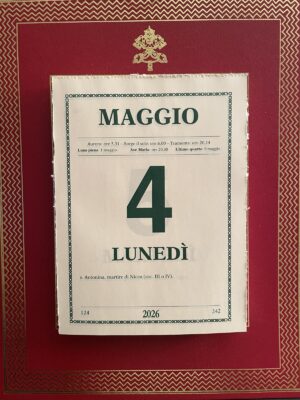
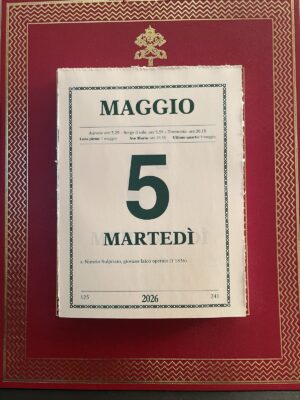 We’ve broken the 06:00 barrier for sunrise by 1 minute.
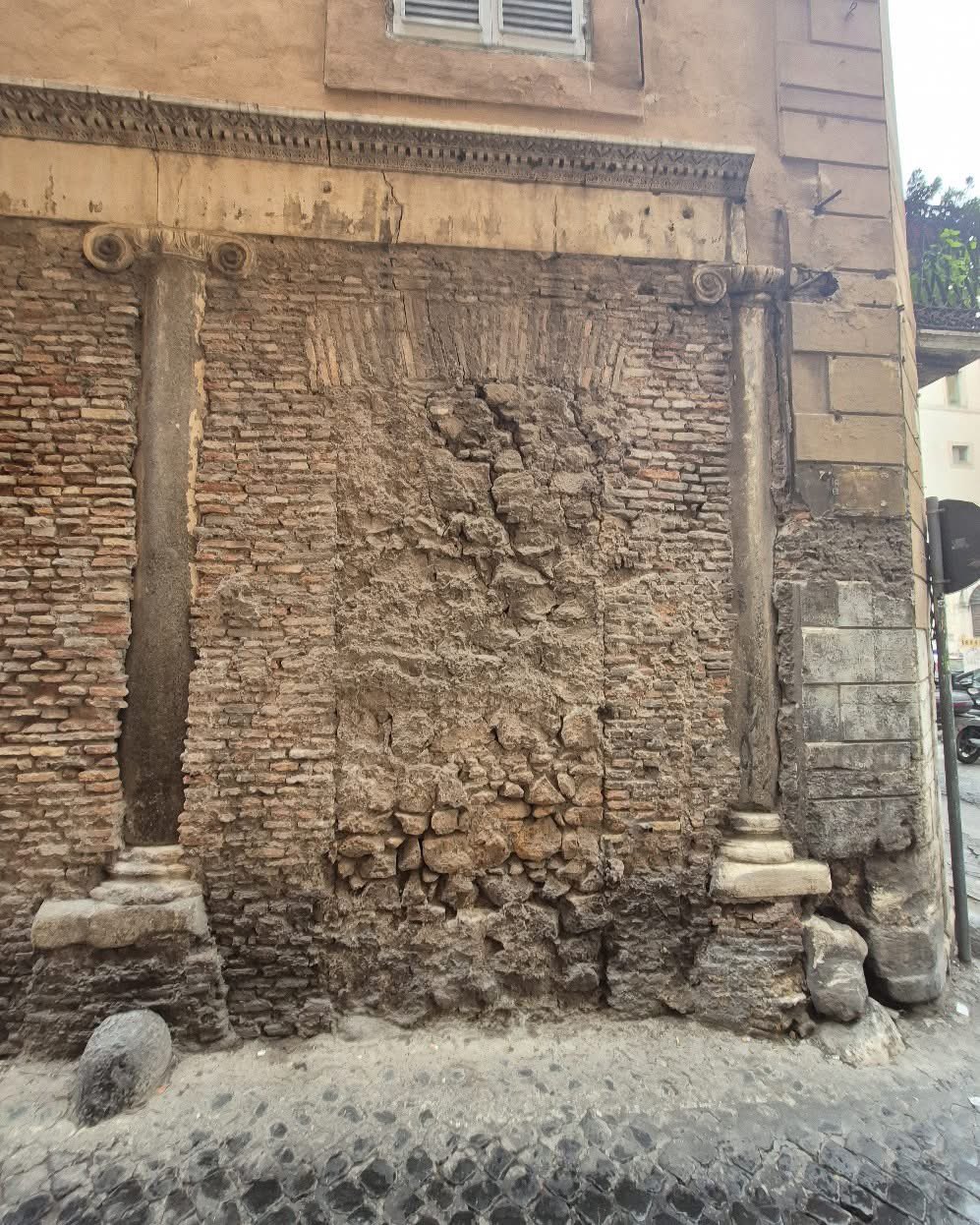
 When 06:00 arrived, up came the sun here in Rome.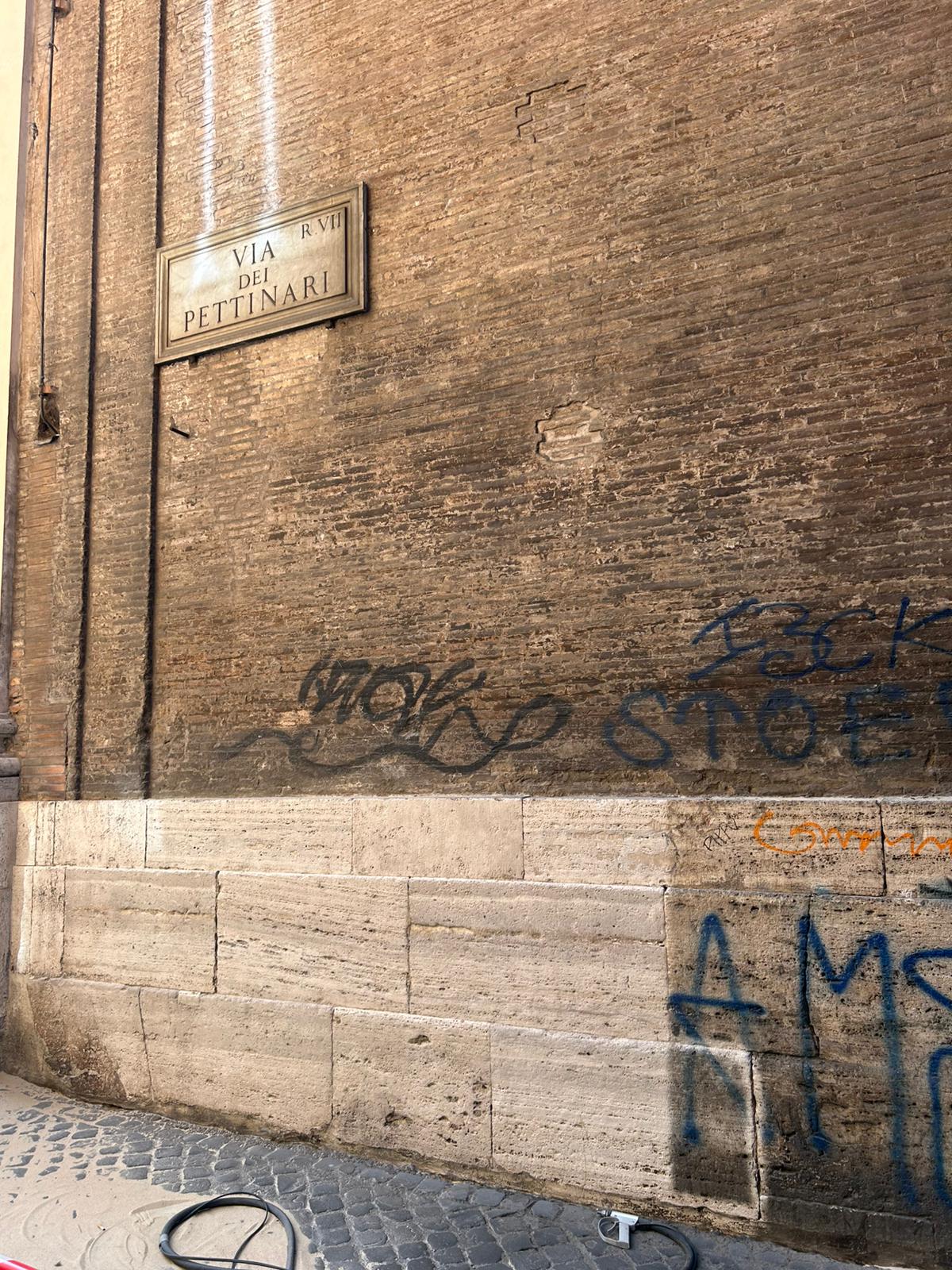
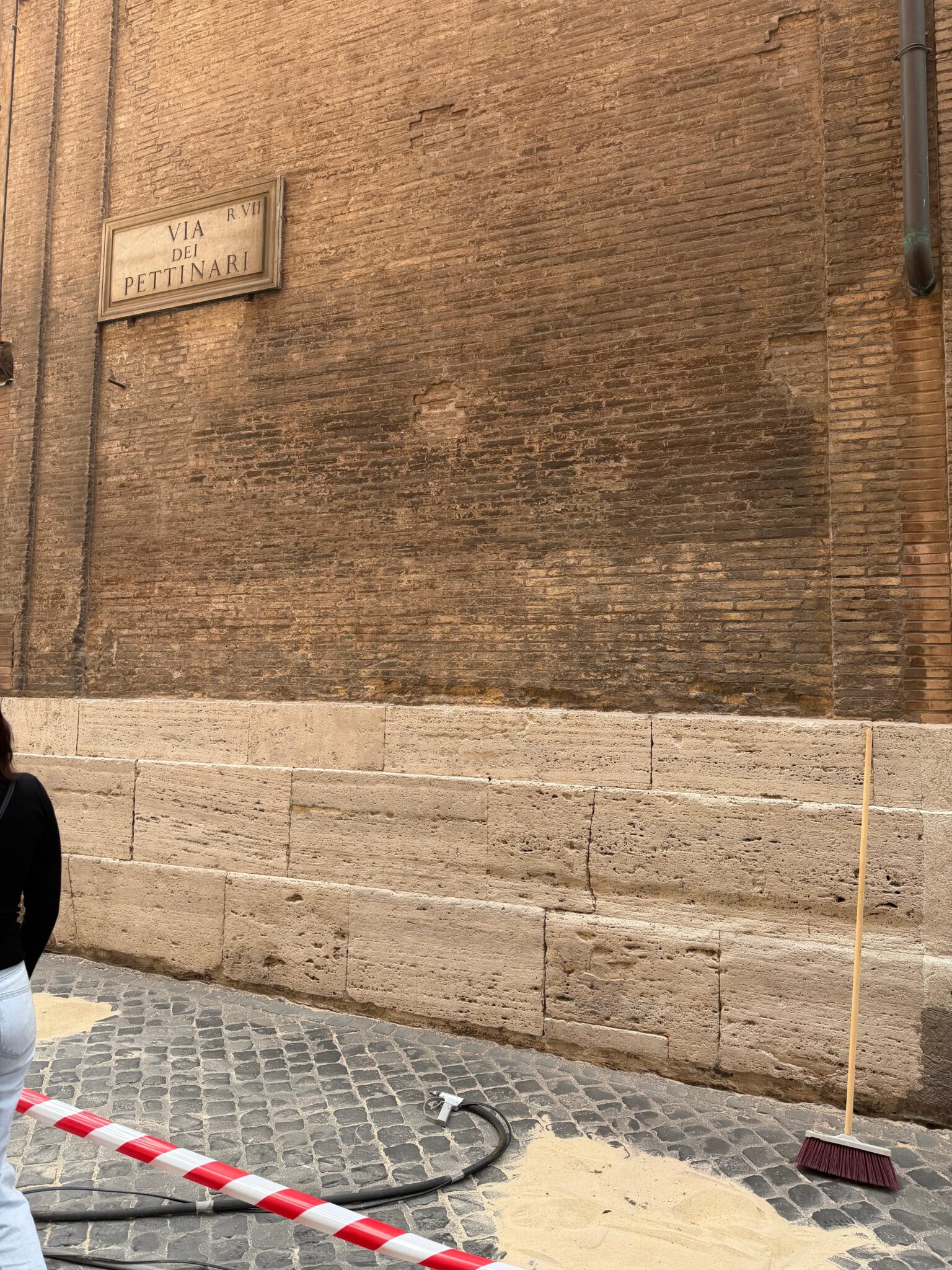
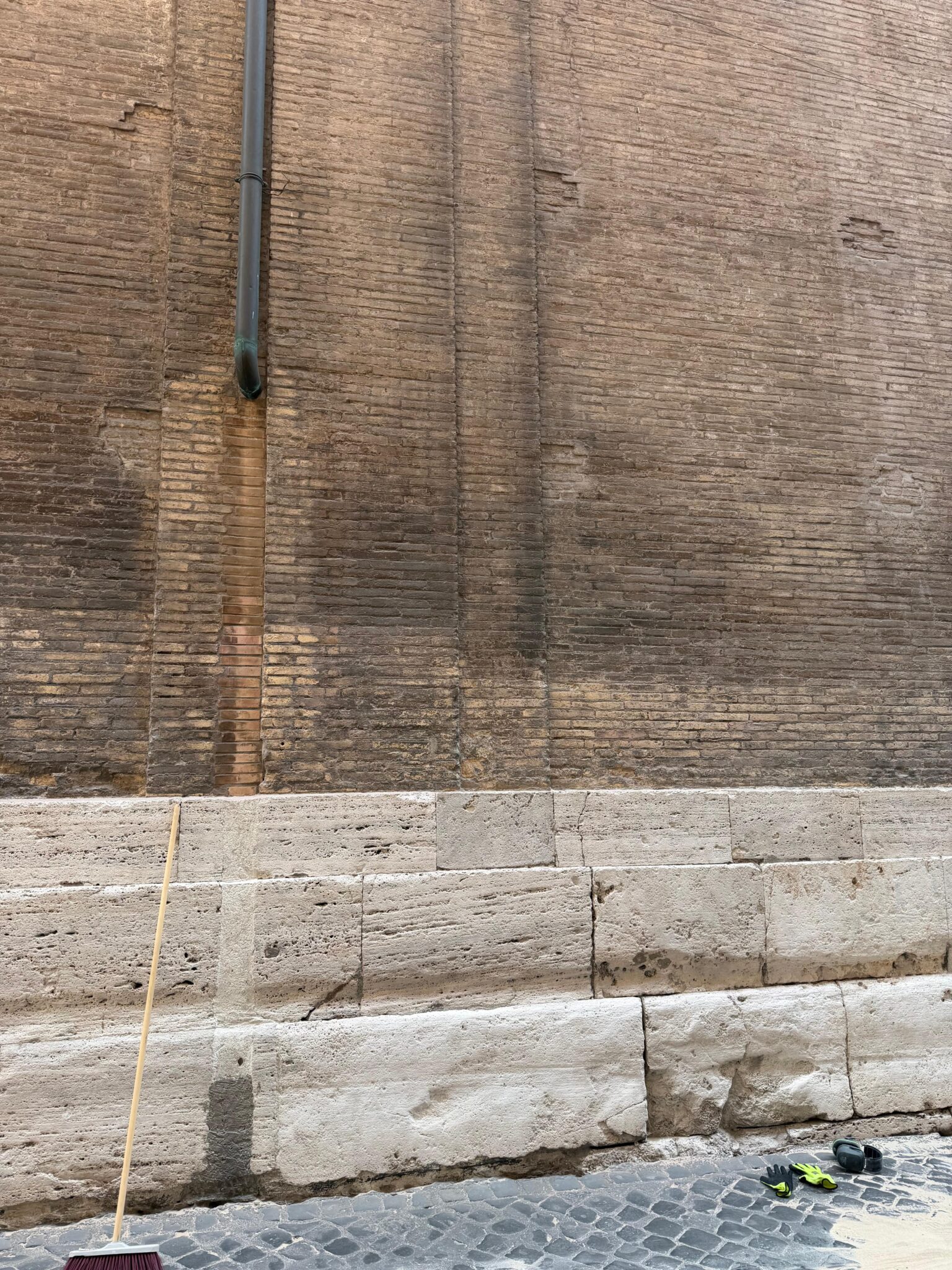
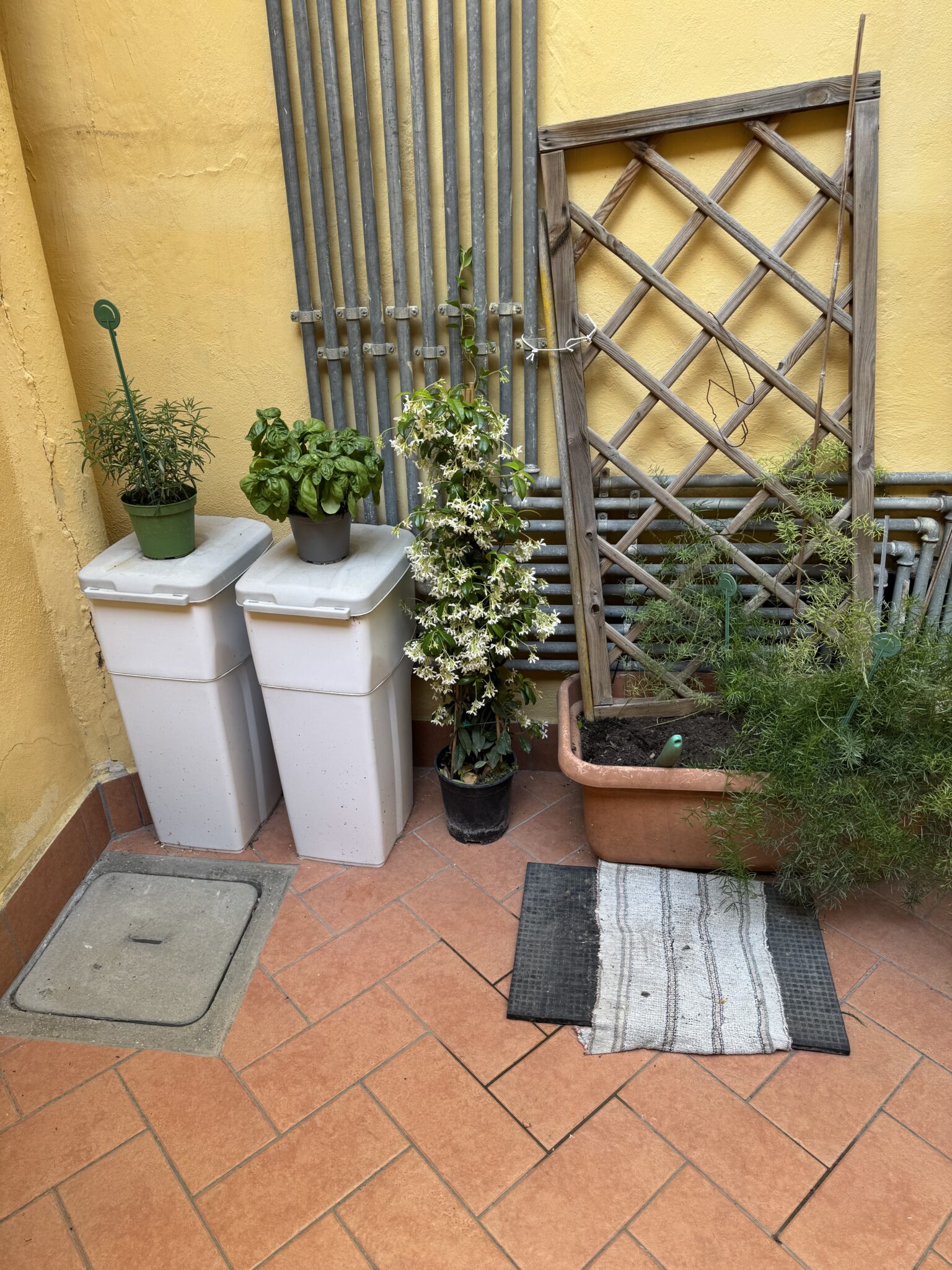


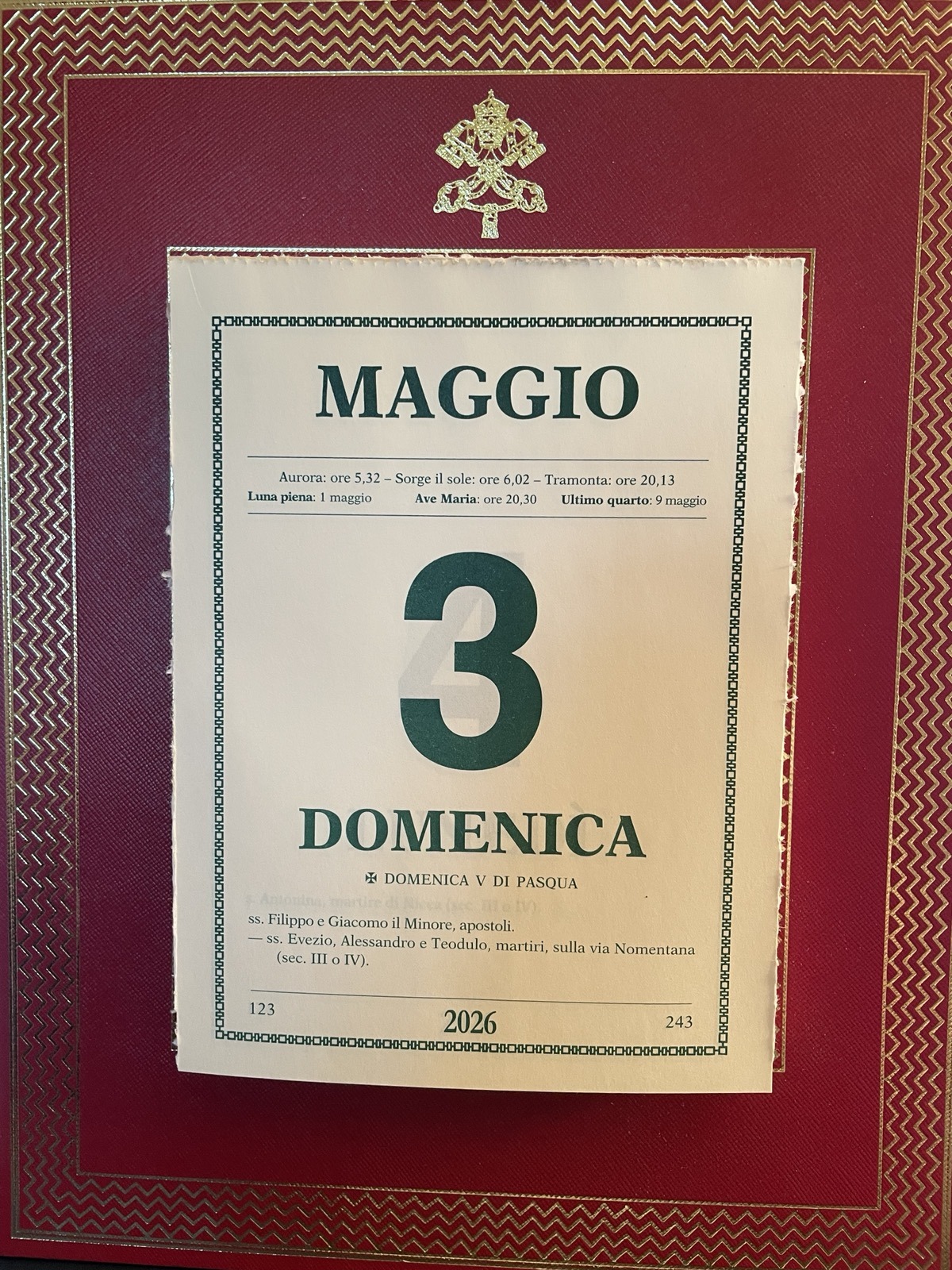 In Rome we got sun at 06:02.


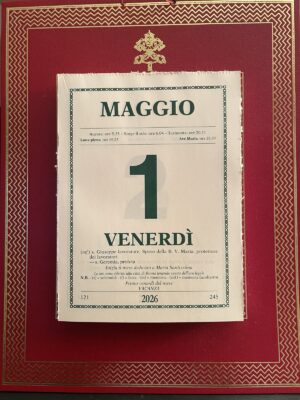 It’s the feast of St. Joseph Opifex… the Worker. On 19 March 1937 (the Feast of Saint Joseph), Pius XI placed “the vast campaign of the Church against world Communism under the standard of Saint Joseph, her mighty protector.” In 1955, Pius XII established the Feast of Saint Joseph the Worker on 1 May. He said that he was instituting the new feast “so that the dignity of human labor might sink more deeply into souls”. This is an explicit anti-Communist, anti-Socialist day for the Church favoring the dignity of the human person who works. As Pius IX wrote, no one can be both a Socialist and a Catholic.
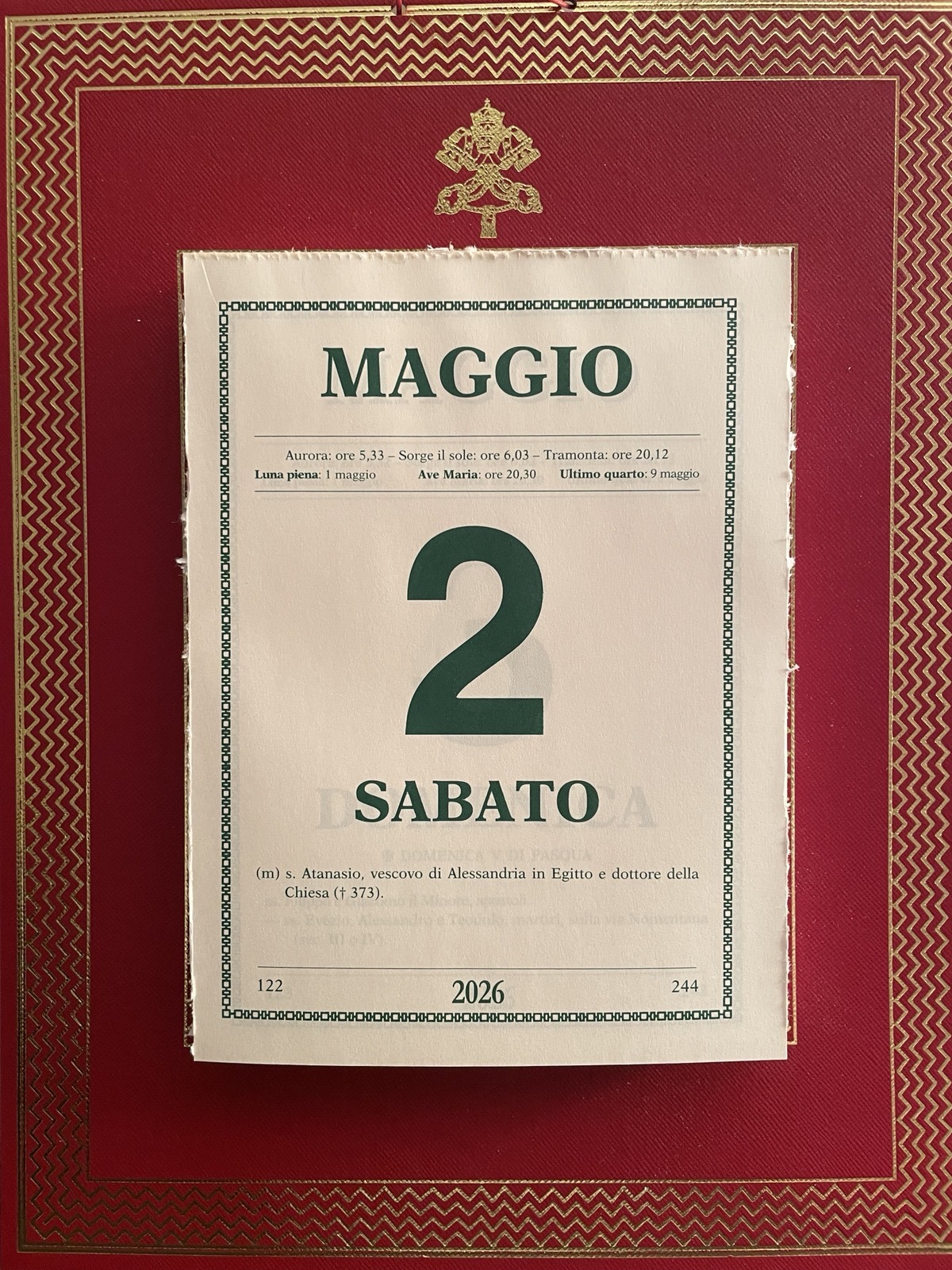
 The Ave Maria Bell is supposed to ring at 20:30.




 Brian64 on 21 Oct – St Gaspar del Bufalo – “Hammer of Freemasons”: “And here I always thought Archbishop Bugnini was “Hammer of Freemasons”. Oh, he was “Hammer FOR Freemasons”.”




























