
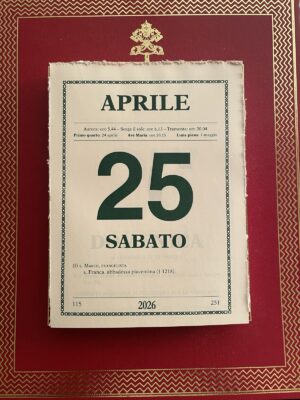
ROMAE SOL ORTUS EST HORA VI ET XIII. SOL OCCIDET POST PAUCA MINUTA HORA XX ET IV. CAMPANA “AVE MARIA” PRO CURIA ROMANA HORA XX ET XV SONARE DEBET, SED NON SONABIT. POTIUS, APUD ECCLESIAM SANCTISSIMAE TRINITATIS PEREGRINORUM ET CONVALESCENTIUM HORA XX ET XXIV SONABIT FELICITER.
FELICEM FESTUM SANCTI MARCI DIEMQUE OMONIMI FELICEM AMICO MEO MARCO CARISSIMO, QUI IBI IN MUNDO… ALICUBI, NESCIO.
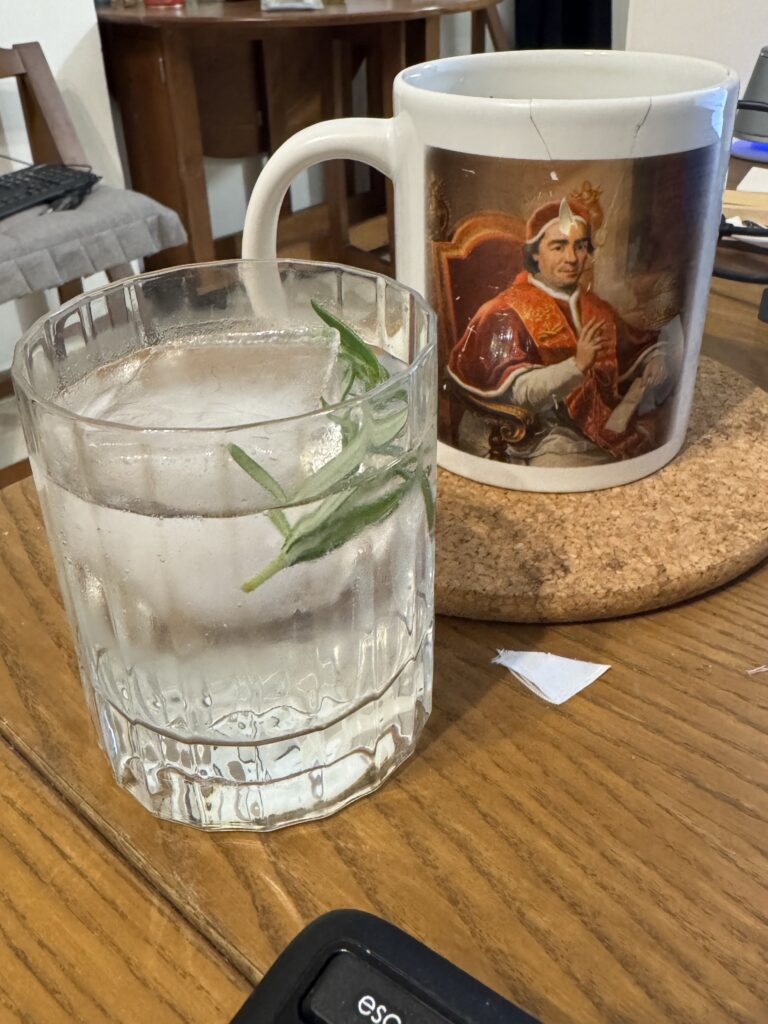
HIS SCRIPTIS, NUNC POTIONEM E IUNIPERO DESTILLATAM HORA EST BIBENDI, NEMPE ANGLICE “GIN O’CLOCK”, QUOD LIBENTER PAULUM CONTUSUS CLEMENS XIV – BEATISSIMAE MEMORIAE – BENEDICTIONEM SUAM IMPERTIT.
CLICK
Please remember me when shopping online and use my affiliate links. US HERE – UK HERE WHY? This helps to pay for health insurance (massively hiked for this new year of surprises), utilities, groceries, etc.. At no extra cost, you provide help for which I am grateful.
? BREAKING: Toronto Police just seized “SMS Blasters” fake cell towers never seen before in Canada.
These portable devices hijack thousands of phones at once, blast fake bank/Canada Post texts, and knock out real service (even 911 calls).
Tens of thousands of phones hit.… https://t.co/ImlGc4ehsA pic.twitter.com/0IkYp7A9d6
— Chris Ryan (@Watchdog_MP) April 24, 2026
And this…
In 1970, an Australian wheat farmer got into a dispute with his government over how much wheat he could sell. So he declared his farm an independent country. The government ignored him. He ruled it as a prince for the next 50 years.
His name was Leonard Casley. He owned a 75… pic.twitter.com/h5io90RUrI
— Dr. Lemma (@DoctorLemma) April 25, 2026
I wonder if someone could pull this off today?
And… too good not to share…
Fr. Wenzel Hocke (1732–1808), the “Hockewanzel,” was a North Bohemian priest of legendary wit. E.g., once at dinner, a pompous secretary of the Episcopal Consistory asked him what the distance was between a priest and a donkey. Hocke replied: “Merely the width of this table.” pic.twitter.com/34J5YmTfta
— Fr. Paolo D’Angona (@RomanoSace57080) April 24, 2026
I spied that the Italian pasta maker Barilla put playlists on Spotify with songs to play for the length of cooking time for different kinds of pasta.
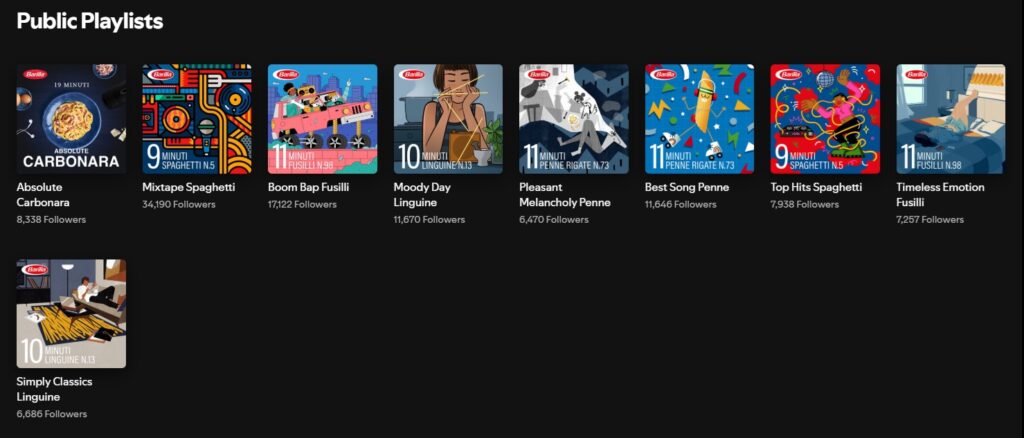
It’s a good idea, I’ll admit. What I won’t admit is that buying Barilla pasta is a good idea if you have something better even if more expensive (try to get a lighter shade, indicating a different drying process and “bronze cut” which leaves a rougher surface for the sauce to interact with). Here in Rome I will sometimes get Rummi, which you can get in the States. Also, about the recommended cooking times. I’ve never understood them. They apparently think that pastasciutta (dried) should be rendered not with a resistence consistency “pasta al dente” but rather more like “pasta dentifricia” (toothpaste).
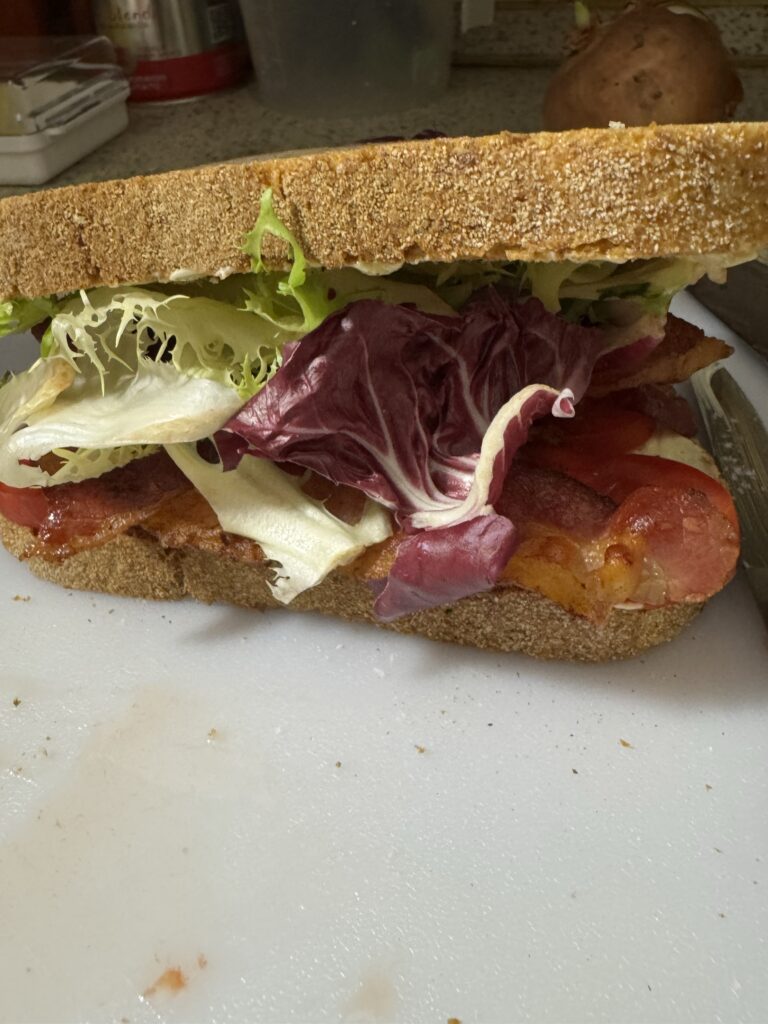
I had to have a bacon, lettuce and tomato sando today. The bacon in the nearby grocery was remarkably tasty. Next time, I’ll make it with pane di Lariano, always a treat.
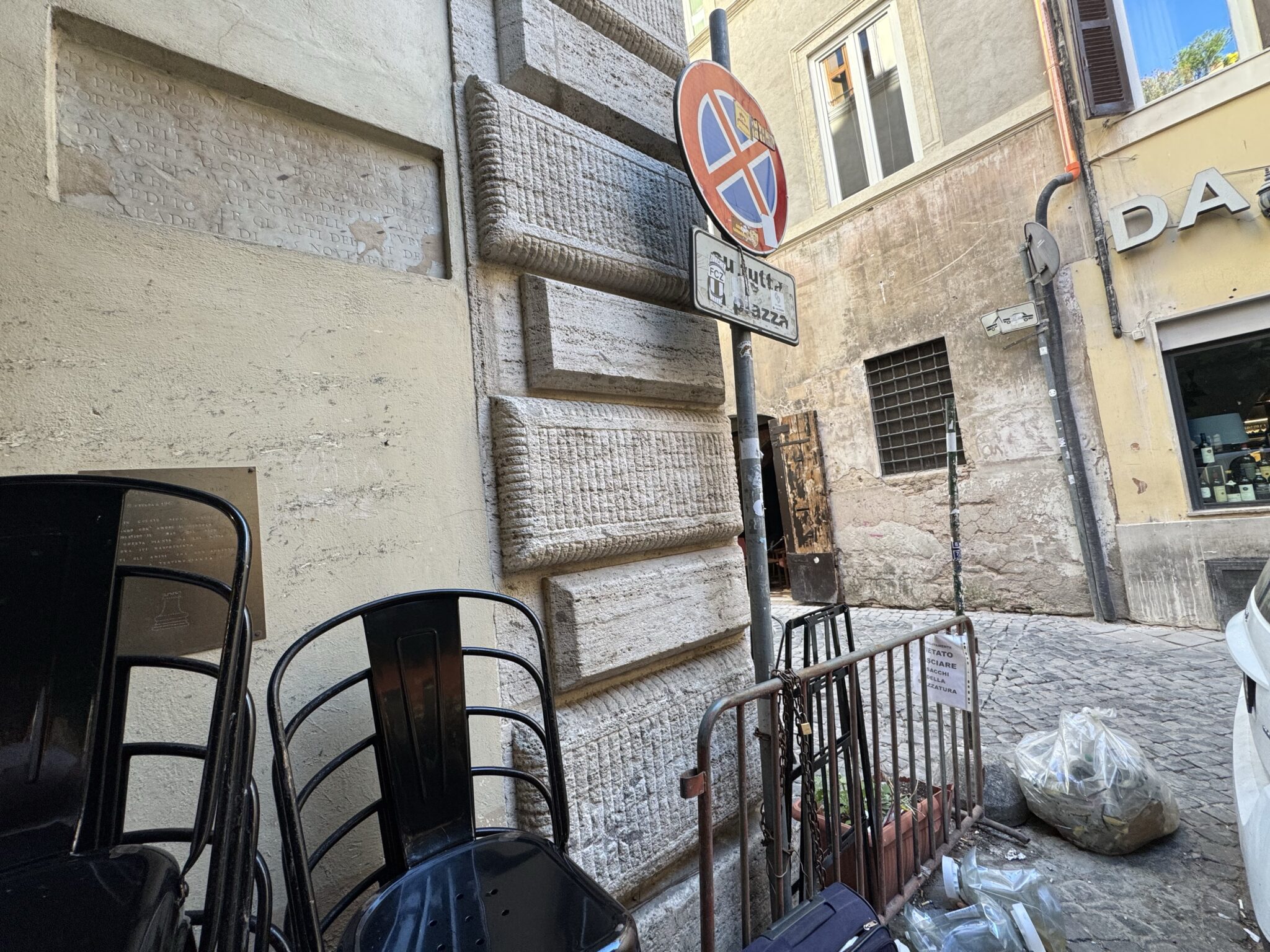
For the first time in a while, I wandered over to the Piazza der Fico where a bunch of guys have for eons gathered to play chess. Note the fig tree. When the figs come in, and drop, its “splat… splat” everywhere, as if under fig-leaf boming.
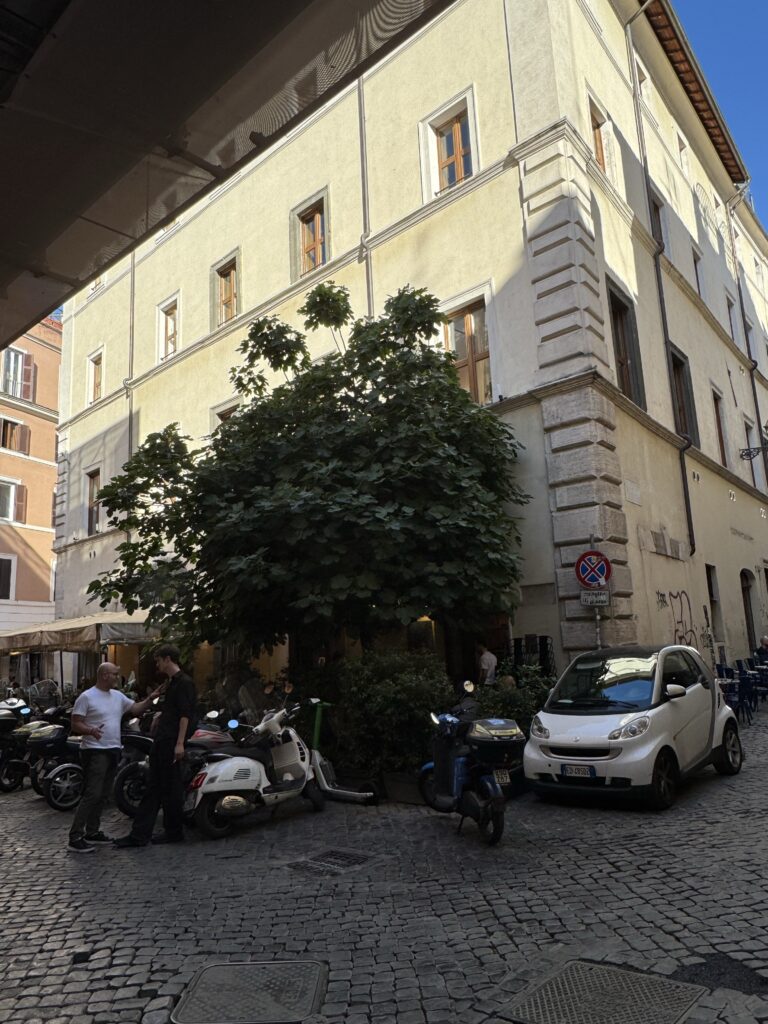
This is a thin crowd moment. Minutes can double the people, most of them having a considerable number of their teeth.
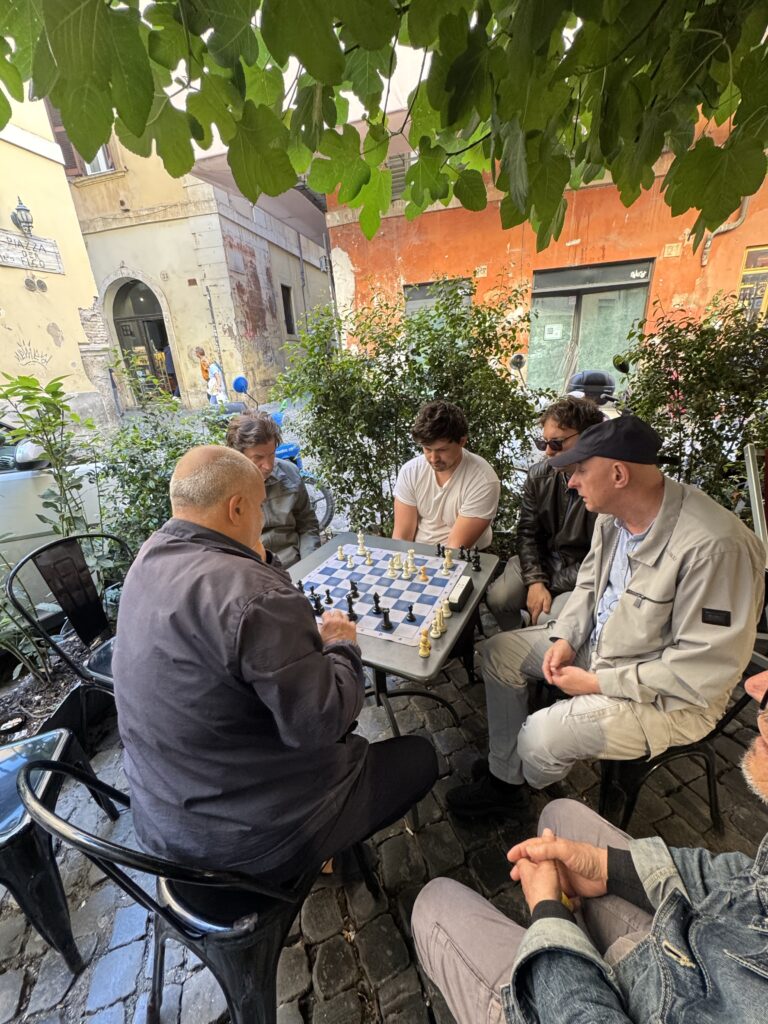
The games proceed with a clock, fairly fast format, clock move. There is a great deal of discussion by everyone, others even reaching out to make the move or at least point. Hey – you ought to see people on mobile phones with earbuds in conversation as they walk. I must say, the play was at a pretty high level. I am recognized now, and they invited me to sit and play. One guy, when he saw that I shot a photo of a monnezzaro sign on the wall where they play…
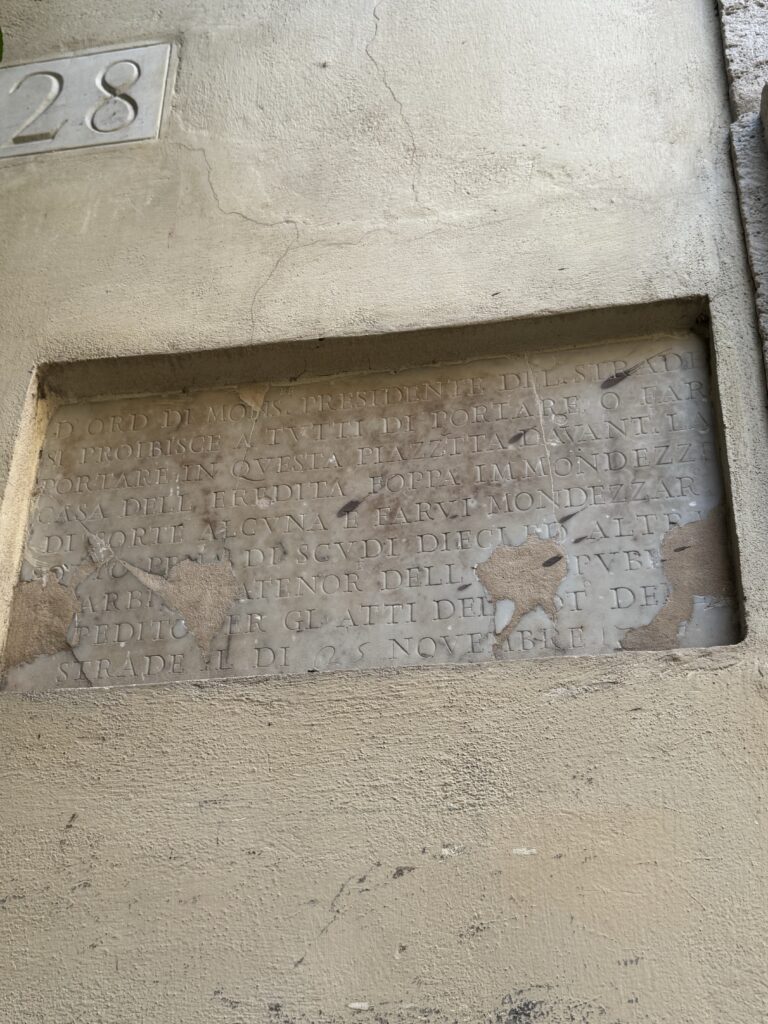
… pointed out that, even after centuries, this is where people dump their garbage. As if to prove his point, at that moment, a rascal dropped a big sack of garbage right there. The inscription is on the wall. On the metal barrier we read… “IT IS FORBIDDEN TO LEAVE BAGS OF GARBAGE HERE”.
It just might happen that, in my book, a body might be found here.
I rambled a lot and I have great pics, but this will be too long. HOARDS of tourists this weekend. I heard a lot of German yesterday, but a lot of Russian today.
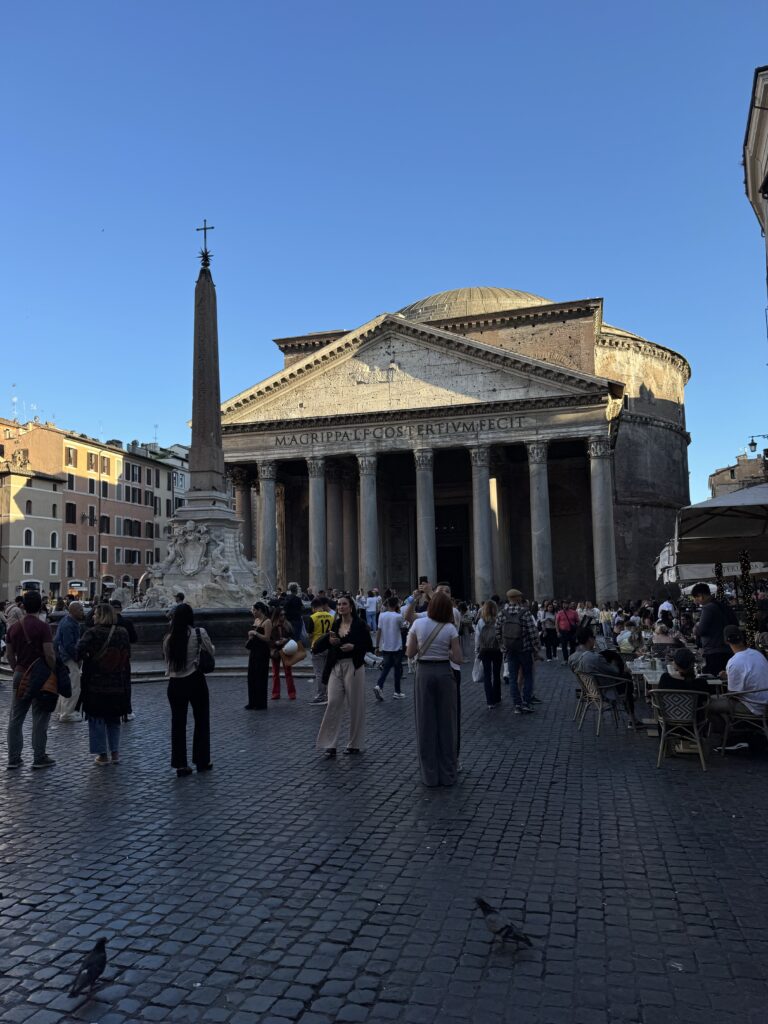
Here’s something different. Usually the musicians punish the people sitting in the restaurants. This time, these guys were seated, eating, and singing. And they were good! So, its a reversal: I’m passing by and they are in the restaurant.
I didn’t want to linger, but I assure you they were good. And, it was at a bar in front of the Pantheon, the very place, where I convinced a young man from Texas to visit St. Paul and meet the great Msgr. Schuler to help him with his vocation. He is now a pezzo grosso in the Archdiocese from which I, like Dante, am an exile.
Schuler’s anniversary of death was recent, 20 April. Much missed.
I mentioned pane di Lariano … this is the bread at a favorite restaurant nearby… but…
Dante’s Divina Commedia is, among many other things, a long meditation on exile. The pilgrim descends through Hell, climbs Purgatory, and rises into Heaven during the sacred days around Easter in the year 1300. Along the way, the souls he meets ask about Florence, Italy, factions, corruption, justice, and the condition of the world he still inhabits, sort of like the interwebs. They tell him what awaits him. The most piercing comes in Paradiso XVII from Cacciaguida degli Elisei, Dante’s own ancestor. He tells Dante:
“tal di Fiorenza partir ti convene … Thus must you depart from Florence.”
Then comes the famous passage in which the sorrow of exile is given the taste of bread and the labor of stairs (55–60):
Tu lascerai ogne cosa diletta
più caramente; e questo è quello strale
che l’arco de lo essilio pria saetta.
Tu proverai sì come sa di sale
lo pane altrui, e come è duro calle
lo scendere e’l salir per l’altrui scale.
“You shall leave everything most dearly loved; and this is the first arrow which the bow of exile shoots. You shall learn how salt is the taste of another’s bread, and how hard a road it is to go down and up another’s stairs.”
Outside Florence, outside Tuscany, the bread really was different. It had salt. Tuscan bread, pane sciocco, is famously unsalted even now: plain, porous, crusted, almost austere, made to receive oil, accompany strong flavors. I don’t like it. Also, your legs have muscle memory for stairs.
However, there is a whole world in that “stairs” and that “salt.” Dante will lose Florence, his household, his rank, his his streets, his own door and steps. He will depend on others. He will eat at another man’s table and climb another man’s stairs. Exile is daily humiliation.
Commentators rightly hear in lo pane altrui the bitterness of dependency. To the Florentine every the loaf would remind him that he was not at home. The metaphysical and the domestic meet in one mouthful. Nothing tastes as it should.
Alas, the Church today. There are still savory niches. But in most places, it is getting harder to recognize the taste of the bread.
































Exiles pine for a country that they once inhabited, in which others still dwell and enjoy.
We pine for a country that has been invaded, broken, and placed in disarray. The vandals are in possession. None enjoy than place in its fullness because it is no longer what it was.
Come Holy Spirit, and renew the face of the earth!
I get Rummi rather than Barilla too — though the Barilla that’s made in Puglia with the famous Apulian wheat is better than their stuff made elsewhere.
I am greatly blessed to have made a good confession today.
as i prayed before the blessed Sacrament afterwards, during the very noisy baptism of a baby boy, it struck me that we are blessed to live in these trying times. the Lord will not ask more of us than He is going to give us.
Tantae nugae! Sol semper oritur ad horam primam et finem horae duodecimae cedit.
Sed graviter autem, priests, like a donkey, bring the incarnate Lord to us poor lowly knaves. That’s why they have the little crosses on their backs. (Donkeys, that is. Although a proper chausible…)
Interesting about using popular songs to time pasta cooking. It reminded me of accounts written by Franciscans on the early expeditions in California. At least when Fr. Crespi (attached to the Portola expedition) described an earthquake, he noted for example that it lasted as long as an Ave Maria (respectable tremor) or even a Pater Noster (big quake). Makes perfect sense when few people had access to mechanical clocks, and certainly not on the frontiers. And his scale of time measurement is clearly understandable today. 73!