
From a reader…
QUAERITUR:
Fr, I went to confession at a Catholic church in France that gets pilgrims from around the world. Because of the many languages of the penitents there was a checklist in the confessional with a wide variety of sins translated across many languages. You checked off your sins and handed the sheet to the priest, who would then absolve you in French.
Because the confession was not auricular was it still valid? I’m honestly unsure. . .
There are couple of issues here. Firstly, we are obliged to confess our sins in kind (the type of sin) and in number (how many times or an indication of frequency even if approximated). A checklist would have kind but did it have number? I’m guessing not. That’s the first problem.
Next, no indication of a penance?
There are, perhaps, some holes in the background information in the question, above.
 Since we are Unreconstructed Ossified Manualists, we turn to our manuals for guidance.
We find that those who are not able to speak, but who nevertheless have to make a confession are permitted to write their confession. This must be done with great care because, as the phrase goes scripta manent, written things last. Hence, whatever is written ought to be destroyed as soon as possible.
So, we know that it is possible to provide the matter for the sacrament without speaking. The revelation of the sins in writing or by some signs (sign language, for example) is possible.
We find also that if the penitent and confessor do not share any common language, then, again, the sins can be communicated through sins of some kind, at least in a general way. Perhaps that could be done by pointing to the numbers of commandments on a picture. Perhaps that could be done with a checklist in the penitents native tongue which corresponds with a list that the confessor has. The check list should be retained by the penitent and then destroyed. In this case the checklist serves as a kind of interpreter. And it is possible to make a confession through a living interpreter, though with great caution. Should the interpreter then be destroyed? Probably not.
Provided you made a sincere revelation of your sins that absolution was probablyvalid, provided that he said the valid form. There is the problem of number and kind. There is the problem of perhaps not assigning a penance.
This was an “extraordinary” circumstance, for sure. This should not be anyone’s regular experience.
GO TO CONFESSION! NORMAL CONFESSION!

 The O Antiphons: 18 December – O Adonai
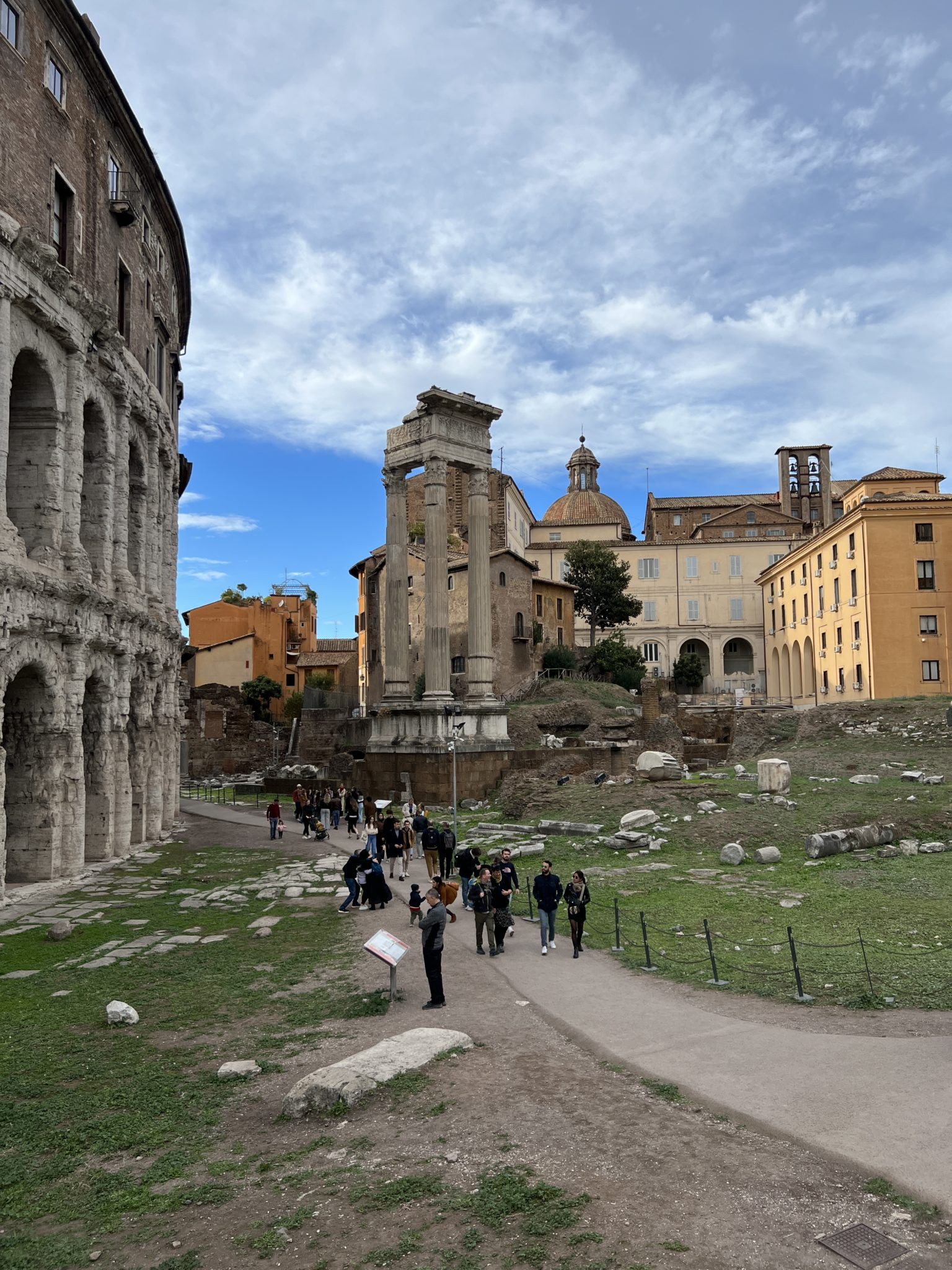



 On December 17th we enter into that final stretch of our Advent preparation. In the Church’s solemn prayer of the hours, at Vespers, the great “O Antiphons” are sung. Today we have the first.





























 JonPatrick on CQ CQ CQ – EWTN shut down its shortwave radio service on 31 October. Understandable, but I have some reservations.: “I am also nostalgic for the days of shortwave radio, back when I was in high school in the 1960s…”



























