
The hymn Iste Confessor comes up often in Roman Breviary. I have been drilling into a few of the frequent hymns. After all, you can’t just keep reading them without looking for something new!
There are 10th c. manuscripts with an earlier version. The revised version shows up in 1632. It is on the Common for Confessors not bishops.
The hymn’s stanzas are in 3 sapphic lines followed by a short adonic, so 11-11-11-5. This meter is used by Horace, although Iste Confessor is sung with word accents rather than the classic quantitative syllables.
| LATIN | ENGLISH | COMMENT | |
| Iste Conféssor Dómini, coléntes Quem pie laudant pópuli per orbem, Hac die lætus méruit suprémos Laudis honóres. | That Confessor of the Lord, whom the faithful piously praise throughout the world, has this day joyfully attained the highest honors of praise. | A “confessor” is a saint who did not die as a martyr. | |
| Qui pius, prudens, húmilis, pudícus, Sóbriam duxit sine labe vitam, Donec humános animávit auræ Spíritus artus. | Pious, prudent, humble, and chaste, he led a sober, spotless life, so long as the breath of life animated his human frame. | NB: connection of holiness and perseverance | |
| Cuius ob præstans méritum, frequénter, Ægra quæ passim iacuére membra, Víribus morbi dómitis, salúti Restituúntur. | Through his outstanding merit, sick bodies lying helpless far and wide are frequently restored to health, as the power of disease is subdued. | We move from the saints life to the fruits of his life for others. | |
| Noster hinc illi chorus obsequéntem Cóncinit laudem celebrésque palmas, Ut piis eius précibus iuvémur Omne per ævum. | Therefore, our choir sings his praises and celebrates his glorious triumphs, that we may be aided by his holy prayers throughout all eternity. | We responds to his life and fruits. | |
| Sit salus illi, decus atque virtus, Qui, super cæli sólio corúscans, Tótius mundi sériem gubérnat, Trinus et unus. Amen. | Glory, honor, and power be to Him who, shining upon the throne of heaven, governs the course of the whole world Three in One. Amen. |
I don’t like mixed chant very much but…
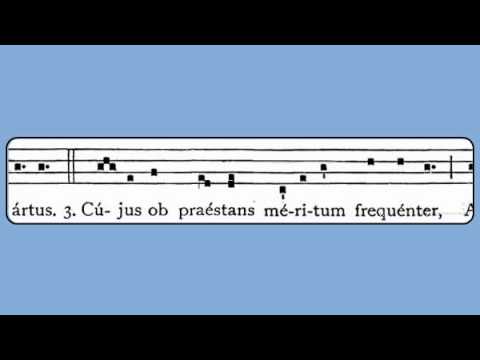

In the third stanza I like that cuius ob præstans méritum places the emphasis on his outstanding merit, while viribus morbi domitis gives the that concise “the powers of disease having been subdued.” There is a direct line from the saint’s life to help given to the sick. St Thomas Aquinas explains the petition “ut piis eius précibus iuvémur … that we may be helped by his devout prayers,” saying “the saints while living merited to pray for us.” We of the Church Militant are closely bound to the Church Triumphant. We have to keep the lines of communication open!
Guillaume Duffay set Iste Confessor…
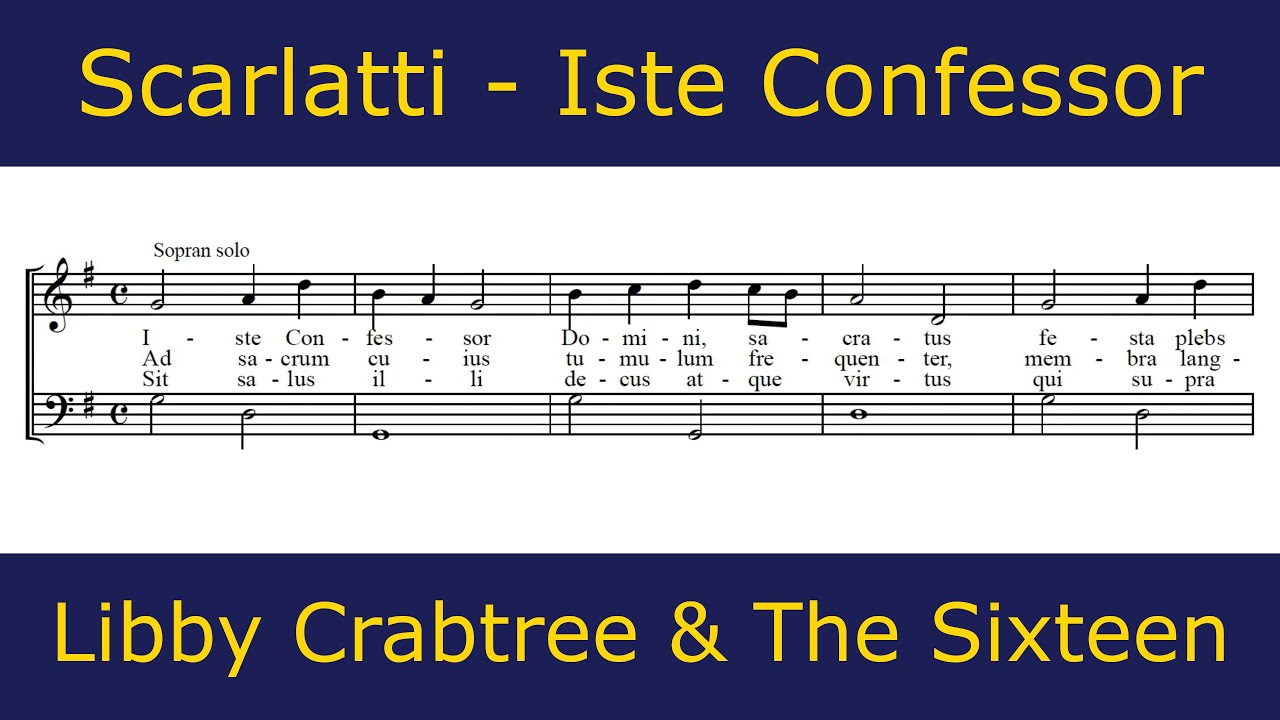
Scarlatti has a sweet version, which I’ve heard in Rome with Italian words. This version is the pre-1632 text.
































Thank you Fr Z!!
I very much enjoyed both settings you posted and the Guillaume Dufay too – the last sounded best to me.