
 From a reader:
Is it a sin to ask God to strike down an enemy of the Church?
Christ the Lord has commanded us to love our enemies (Matthew 5:44).
Love for “enemy” comes in different forms. It can be expressed different ways. That said, we must be vigilant that hatred toward our enemies is vigorously resisted. We obey Our Lord.
Love for our enemies does not mean that we wish them to prosper. It means that we will their good. We will their salvation.
If they are our enemies because they are opposed to the Church, opposed to goodness, then our love for them means that we desire they be converted.
Can we – ought we – pray that God strike down the enemies of the Church?
Holy Scripture is full of prayers offered for the defeat of the enemies of God.
The unfashionable “maledictory – cursing – psalms” (5, 6, 11, 12, 35, 37, 40 52, 54, 56, 58, 69, 79, 83, 137, 139, and 143) call for judgment and disaster to fall upon the enemies of God and God’s people. Many of these psalms were “edited” or even wholly excluded from the revised psalter used in the Liturgy of the Hours, but that’s a different crock of bagna cauda.
We certainly are within our rights to use the psalms in our prayers.
There are many traditional prayers that ask God to visit calamity upon our enemies. The underlying implication of course is a desire for the protection of the Church and the conversion of those who oppose her. Let us not become like the Prophet Jonah, who was so desirous of seeing the destruction of evil Nineveh that he was disappointed that Nineveh repented, converted, and did penance.
We pray for the protection of Our Holy Mother the Church against all enemies. We pray that those who oppose Her be stopped.
Perhaps the firearms training many of us have undertaken is helpful as an analogy. First, you seek to avoid conflicts or deescalate them. When you can’t avoid violence you try to discern the level actually needed. Of course, this sometimes must happens in seconds. In the case that you are forced to act in defense of your life or the lives of others, you use deadly force to stop the threat. That means you shoot effectively to stop the threat. You don’t try to shoot the gun out of the enemy’s hand (this isn’t TV). You don’t shoot to hit the leg (because, again, this isn’t TV). You shoot center mass, to do maximum damage so the threat will stop, because … that’s the point you are at. You don’t shoot “to kill”. Shoot (or whatever) so that the clear, present danger to life and limb is no longer a threat. If a punch in the face or a kick in the ‘nads is enough, and the threat stops, then stop there. Stop punching and kicking.
That’s an analogy from a few horrifying seconds of immediately conflict or threat. In prolonged situations, we have time to analyze our motives and consciences.
If the actions of enemies reveal that you (Church, country, families) won’t be safe without them losing the ability to breathe… then we purify our motive, ask God for help (for us to be effective and to not sin, and against or upon them to give them graces and/or sufferings adequete to change their minds and hearts.
It is one thing to turn one’s own cheek. It is another to turn the cheeks of your wife and child and all your neighbors.
In our prayer we desire the conversion of hearts. When our enemies do convert, rather than continuing to seek bloody revenge, we rejoice in the magnificent grace of Almighty God who desires not the death of the sinner, but that he be converted and live. (Ezechiel 33:11)
We must examine our consciences and purify them.
Meanwhile:
Aedificantium enim unusquisque gladio erat accinctus.
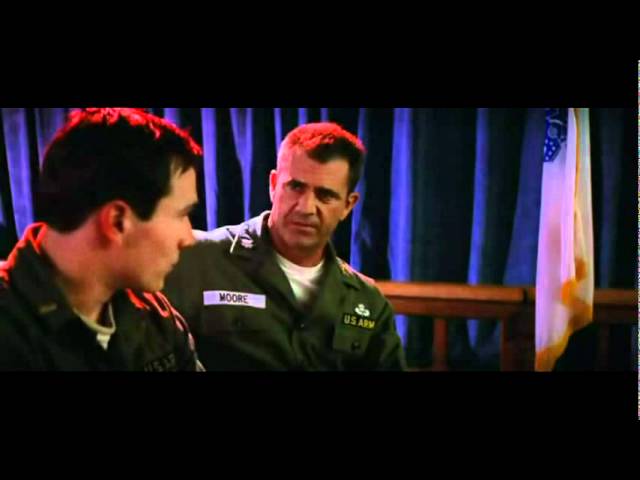
And now, a prayer. It’s from a movie, but it has some great elements.

Moderation is ON.































