
 Are you ready for the “Tears of St. Lawrence”? This is a nickname for the Perseid Meteor Shower. Each year your Earth passes in its orbit around your Yellow Sun through dust and debris left by Comet Swift-Tuttle. Don’t believe anyone who tells you that the Perseid Meteors are called the “Tears of St. Lawrence” just because they coincided with the Feast of St. Lawrence. With that hyphenated name, this comet is surely a liberal comet, which is why it makes St. Lawrence cry… see? You knew there was a better explanation. But I digress.
The annual Perseid Meteor Shower is upon us. From SpaceWeather:
PERSEID METEOR UPDATE The Perseid meteor shower is underway as Earth moves into the debris stream of parent comet Swift-Tuttle. According to the International Meteor Organization, the constellation Perseus is now spitting out meteors at a rate of about 20 per hour. In a normal year, those rates would increase 4- or 5-fold as the shower reaches its peak on August 12-13. But this is no normal year. In 2014, the glare of a supermoon will interfere with Perseid visibility, capping visible meteor rates at no more than ~30 per hour.
Now for the good news: The Perseids are rich in fireballs, and many of those extra-bright meteors can be seen in spite of the lunar glare.
But this year we have also a Supermoon. The moon will be at perigee, some 14% larger and 30% brighter. Not great for meteor watching, but this is very cool. There are several Supermoons this year.
Here is a video to watch with your kids. Get them interested in the sky!
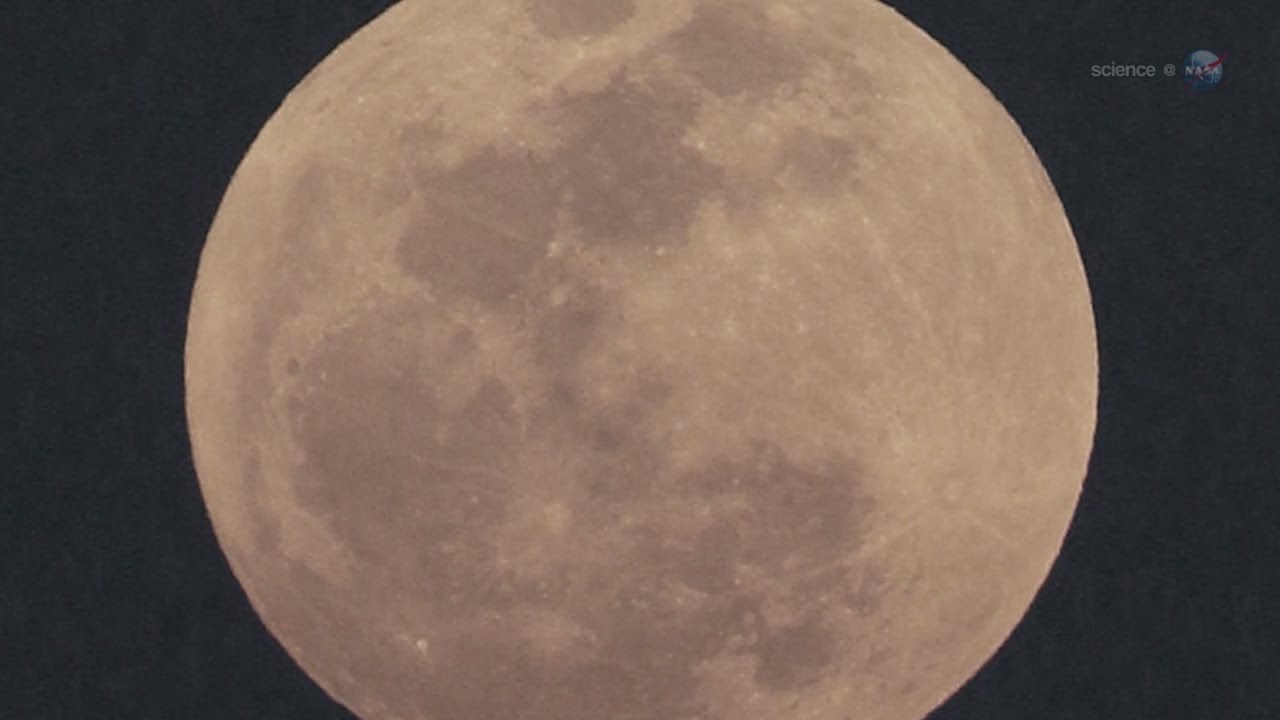

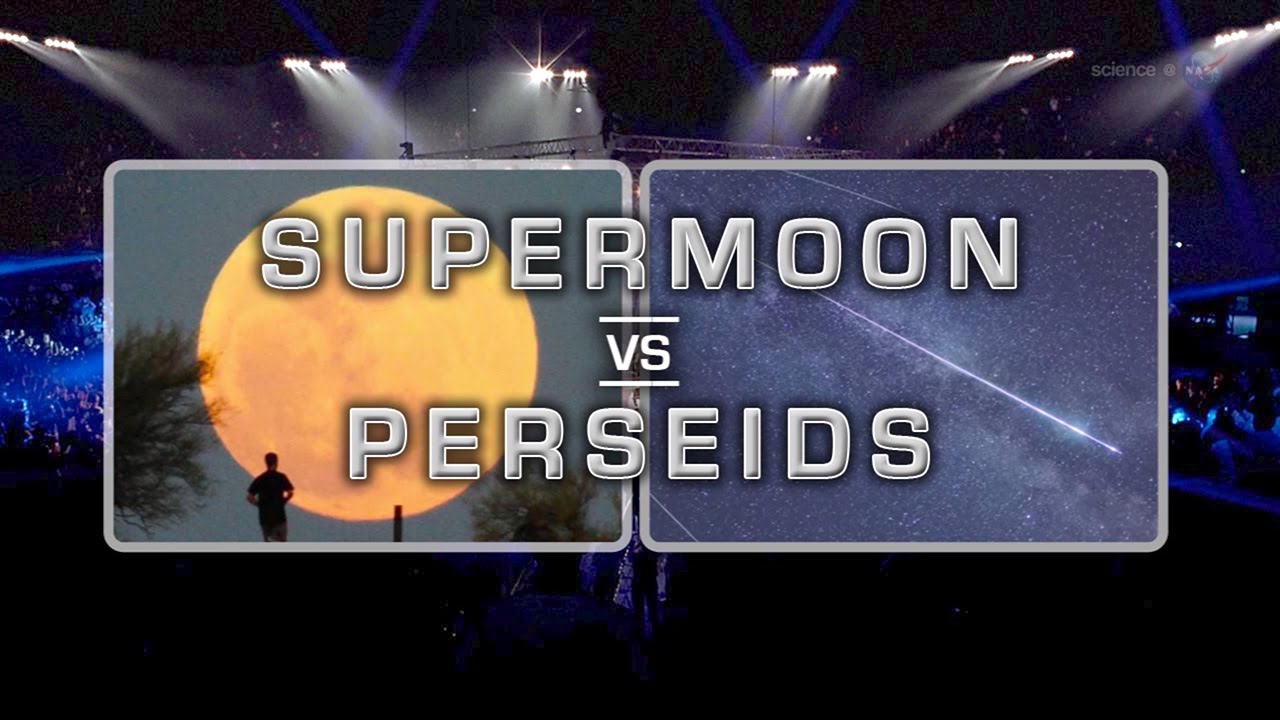
And Supermoon and the Perseids:
Watching the great show of the night sky can plant powerful lifetime-lasting memories. Don’t underestimate the power of a moment of rousing up sleepy children to go out and see something in the night sky!
My own memories include, as a boy, going out onto a frozen lake in the dead of winter where there was almost zero ambient light to sully the velvet backdrop and seeing a comet for the first time. I watched the Perseids with my mother a few years ago when she came to visit at the ol’ Sabine Farm. Once I lay upon my back on a terrace overlooking the amphiteatre of ancient Cumae and counted the Lagrime di San Lorenzo.

































The ionized meteor tails are used by amateur radio operators in a propagation mode known as meteor scatter. Typically high speed data packets are bounced off the ionized streaks. You can read about it at http://www.meteorscatter.org. Yet one more facet you can share with your children, scouts, etc. Totally cool and consummately geeky.
I always plan on watching all the meteor showers and saw many wonderful ones in April. I shall be out for the next few ones. My son grew up with a mum waking him up to look at the very early morning showers. One of the most magnificent showers I saw was in Ireland, in 2012.
Happy Memories.
This year, the peak will be on the 12th, which so happens to be my 8th wedding anniversary! Hopefully, the moon is not too bright, and we can lay on the back deck and watch the meteors stream by.
Super moons and harvest moons look like a giant Eucharist.