A wonder Lenten tradition is upon us, to remind us of how important Lent is. Entering Lent, we enter a mystery, a sacramentum. We need special graces to carry out our Lenten discipline.
The Latin 2002 Missale Romanum restored the ancient custom of the Oratio super populum at the end of Mass. It had been heinously stripped out of the Novus Ordo by the liturgical engineers through the implementation of BugniniCare. In the Novus Ordor now, or Ordinary Form, you hear these prayers each day during Lent. In the older form of the Roman Rite they occur every day of the week but Sunday.
What’s up with this prayer?
The priest says this prayer after the Post communio. It is introduced by the phrase, “Humiliate capita vestra Deo… Humbly bow your heads to God.”

Click to buy
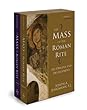
The origin of the Oratio super populum is complex and hard to pin down. Turning to Fr. Joseph A. Jungmann’s monumental two volume The Mass of the Roman Rite: Its Origins and Development we find a history of this prayer at the beginning of the section concerning the close of the Mass (II, pp. 427 ff). Jungmann emphasizes that, at Mass ends, we are at a “frontier” moment, the threshold of the sacred precinct of the church and the world. When properly formed we want the influence of our intimate contact with the divine to carry over into the outside world.
By the time of Pope Gregory the Great (+604) the Oratio super populum was only used in the Lenten season, probably because Lent is a time of greater spiritual combat requiring more blessings.
It was extremely important for those who were not receiving Holy Communion, as was the case of those doing public penance before the Church, the ordo poenitentium.
How important was this prayer to the Romans?
In 545, when Pope Vigilius (+555) was conducting the station Mass at St. Cecilia in Trastevere, troops of the pro-Monophysite Byzantine Emperor Justinian arrived after Communion to take the Pope into custody and conduct him to exile in Constantinople. The people followed them to the ship and demanded “ut orationem ab eo acciperent…that they should receive the blessing prayer from him”. The Pope recited it, the people said “Amen” and off went Vigilius who returned to Rome only after his death.
Let’s see the Oratio super populum for Thursday after Ash Wednesday in the Ordinary Form, the 2003 Missale Romanum.
Oratio super populum (2002MR):
Qui populo tuo, omnipotens Deus,
notas fecisti vias vitae aeternae,
per eas ad te, lumen indeficiens,
nos facias, quaesumus, pervenire.
The phrase lumen indeficiens is what catches your eye and ear right way. Light unfailing! This is from Scripture, Ecclesiasticus 24:6: ego in caelis feci ut oriretur lumen indeficiens et sicut nebula texi omnem terram. Latin Fathers such as Cyprian of Carthage, Maximus of Turin, and Augustine of Hippo worked with this phrase. It also winds up in old prayers, for example in the Liber sacramentorum Augustodunensis and Gellonensis. In the later it is part of a blessing for a lamp, candle or lantern, right after a fascinating blessing for soap! But I digress…
SLAVISHLY LITERAL VERSION:
Almighty God, who made the paths
of eternal life known to Your people,
grant us, we implore, to come by them
to You, the unfailing light.
CURRENT ICEL VERSION (2011):
Almighty God,
who have made known to your people
the ways of eternal life,
lead them by that path, we pray,
to you, the unfading light.
The image we get from this prayer is that God is the light which illuminates our way through the obstacle strewn paths of this world. He lights our way lest we lose our footing and fall into the abyss where there is no light at all.
Through out the history of salvation, God has shown man the way to come to him. We knew many things by interior lights before the fall. After the Fall, God gave us commandments and symbolic actions which foreshadowed the clearer realities that would come in their due times. In the fullness of time the One who is Light from Light came into the this world to dispel the darkness we made.
He is not only Light from Light, eternally, but, in time, He is the Way.
At the end of Mass you are sent back out into the daylight to continue to carry out your vocation.
You need the light that God offers you in the teachings of the Church to guide your footsteps.




 At the
  From the great Bp. Philip Egan of the