Via the Laudator:
Erasmus, letter to Albert of Brandenburg (November 1, 1519), tr. Robert Blackley Drummond:
Nunc alia res est haereseos crimen, et tamen ob quamlibet levem causam, hoc statim habent in ore, ‘Haeresis est, haeresis est.’ Olim haereticus habebatur qui dissentiebat ab Evangeliis, ab articulis fidei, aut iis que cum his parem obtinerent authoritatem. Nunc si quis usquam dissentiat a Thoma, vocatur haereticus; imo si quis a commenticia rations, quam heri sophista quispiam in scholis commentus est. Quicquid non placet, quicquid non intelligunt, haeresis est. Graece scire haeresis est. Expolite loqui haeresis est. Quicquid ipsi non faciunt, haeresis est. Fateor grave crimen esse vitiatae fidei, sed non oportet quidvis trahere in quaestionem fidei.
Now the charge of heresy is another thing, and yet for any light cause they take the cry on their lips, ‘It is a heresy.’ Formerly he was considered a heretic who dissented from the Gospels, from the Articles of Faith, or from those doctrines which enjoyed equal authority with them. Now if any one dissents from Aquinas he is denounced as a heretic; nay, he is so if he dissents from any piece of reasoning which any sophist fabricated yesterday in the schools. Whatever they don’t like, whatever they don’t understand, is a heresy; to know Greek is a heresy; to speak with a good accent is a heresy; whatever they do not do themselves is a heresy. I confess it is a grave crime to corrupt the faith, but every subject ought not to be made a question of faith.
I enjoy Erasmus, by the way. I’ve read letters and a couple works along the way, mostly with the distinguish Latinist, Fr. Reginald Foster. I have wonderful memories of reading his Stultitiae Laus while sitting under the great Roman pines on summer evenings, sipping cold white wine. We read his letters to such as Thomas More, Henry VIII, Martin Luther. Everyone wanted correspondence with Erasmus. His Latin is polished an marvelous and is wit like a razor.
One of these days I will dig up some of the images of etchings for Praise of Folly from a famous edition of his complete works.
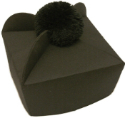 The other day I was in the procession from San Salvatore in Lauro to San Pietro. We priests wore our birettas in procession, since the Blessed Sacrament, etc., was not involved.





 Orual on 10 November – St Andrew Avellino (Vetus Ordo). Wherein Fr. Z rants.: “One of my elderly former pastors fell in his home and laid there for 3 days before anyone came to…”




























