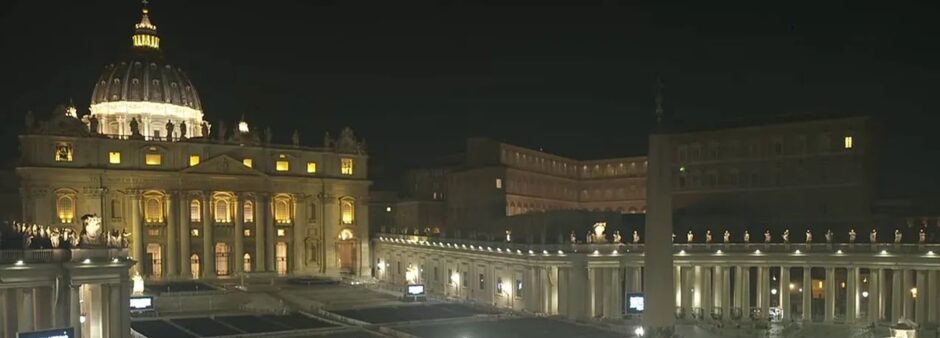
The Russian Ortho dox Church is making changes to how their people receive Communion. HERE
NB: They are not cancelling their Divine Liturgy. They are not cancelling Communion. My emphases.
Instructions to Rectors and their Parishes, and to Abbots and Abbesses of Monasteries of the Moscow Diocese in Connection with the Threat of the Spread of Coronavirus Infection
This document was approved by His Holiness Patriarch of Moscow and All Russia Kirill.For the sake of pastoral care of people, as well as in response to a request from health officials, while maintaining a firm faith in the good work of God and in Divine omnipotence, the following rules are adopted, taking into account the canonical and liturgical Tradition of the Russian Orthodox Church.
Until the epidemiological situation changes for the better and relevant instructions are received from the diocesan administration on the complete or partial termination of this instruction in the parishes and in the Patriarchal, bishop’s, and monastery churches, as well as in the monasteries of the Moscow diocese, the following must be performed:
Concerning the Communion of the Holy Mysteries of Christ1. We should bear in mind that the Bloodless Sacrifice can in no way be canceled, because where there is no Eucharist, there is no church life, and also because the Holy Body and Blood of Christ are given for the health of both soul and body (see. , for example, the 7th and 9th prayers from the Canon before Holy Communion by St. John Chrysostom). At the same time, we must take into account the historical practice of the Orthodox Church in epidemics – to wipe the spoon used for Holy Communion with a cloth that is periodically soaked in alcohol, and then to dip the cloth in water and subsequently dispose of the water according to the practice provided for washing the cloths.
2. To give out the drink after Communion individually for each communicant in disposable cups.
3. Use disposable hygiene gloves to distribute the antidoron.
4. Cloths for the communion of the laity should be used only to protect the Holy Mysteries from possibly falling on the floor and to wipe the spoon. To wipe the communicants’ lips individually, use paper towels and burn them afterwards. Boil and wash the communion cloths with due reverence after each liturgical use.
5. Communicants should refrain from kissing the Chalice.
[…]
It goes on with instructions about Baptism and Anointing and other aspects, kissing Crosses, icons, etc.
I noted this:
11. Priests are advised to refrain from giving their hands to be kissed.
So…
We should bear in mind that the Bloodless Sacrifice can in no way be canceled, because where there is no Eucharist, there is no church life, and also because the Holy Body and Blood of Christ are given for the health of both soul and body….



 Over at
  I am not sure where I heard this, in the ongoing scrum of COVID-19 news coverage and discussion. I often multitask when the news is on. I don’t even remember if this was the exact phrase that was used, but somehow it stuck in my head.
 From a reader…
 The shape of things to come?




























