Your Sunday Sermon Notes and a ‘Laetare’ Sunday ROSE POLL

Was there a good point in the sermon you heard at the Mass to fulfill your Sunday obligation?  Let us know.

For my part, for the TLM this morning, I spoke of how we must have deprivation before we appreciate abundance.  Taking on voluntary penances and mortifications is helpful for us.

We had a Solemn Mass today, with our newly completed rose set.  Yesterday I received – finally – a shipment with silver appliques I ordered for this set.  We spent a good share of yesterday putting them on the vestments, which were deeply spiffy once completed.  I think they turned out well.

For more on the liturgical color rosacea, HERE

PLEASE SEND TAX DEDUCTIBLE DONATIONS!  HERE  We are really doing our best here to raise the tide and all boats with it.

And in action… alas, from a mobile phone camera.  We may get better ones in a while.

From the Live Stream:

And now, since this is Laetare Sunday, what vestments did you who belong to the Roman Rite see for Mass?  Let’s have a POLL.

Anyone can vote but you have to be registered and approved to use the combox.

For 'Laetare' Sunday 2018, at my Roman Rite Mass I saw...

View Results

Posted in Liturgy Science Theatre 3000, POLLS | Tagged
27 Comments

Bulletin blurb from 1967 from a Long Island Parish

This, from a priest friend, is too good not to share.

Apparently Father had had enough with the nuptial confetti.

Posted in Lighter fare, Mail from priests | Tagged
17 Comments

JUST TOO COOL: Unboxing my new portable altar – UPDATED!

UPDATE 11 March:

This just came in from a US Army chaplain!

I enjoyed the joy you showed in your recent posting after receiving your newest portable altar.  I ordered mine last year in preparation for the Afghan deployment that I’ll finish this summer.  I’m using a Pelican Air 1615, and I have the altar, the Missale Romanum, small candles, all of the linens that St. Joseph’s sent with the altar and accoutrements, my SPORCH cards, a couple of Latin-English guides from Ecclesia Dei for any Faithful who might attend, an extra stole, and an Italian portable Mass kit that was an ordination gift.  I’m hauling that all over eastern and northern Afghanistan each week.  Monday, I’ll be in Jalalabad, and Tuesday I’ll be in Gardez.  A couple weeks ago, I was in Mazar-e-Sharif, and then over in Kunduz.  While I have to offer Mass in the Ordinary Form pro populo, my regular daily Masses end up being private most of the time, so they are all in the Extraordinary Form.

What a huge blessing.  Many kudos to St. Joe’s!

That was GREAT!

Meanwhile, I’ve been working on my own Pelican case.  I pulled some foam to make places for various items so that they don’t rattle about when being transported.

Here’s the whole thing set up.  Note that I have too little clip on LED lights on either side.  Sometimes I have said Mass in places without great light.  I think I may toss in a pair of “cheaters”.

___

Originally Published on: Mar 9, 2018

I recently had the pleasure of unboxing my new portable “backpack” altar fromSt. Joseph’s Apprentice.

Looking for something for a priest, rookie or vet?

You never have to worry about how what you get will be packaged.

“But Father! But Father!,” you are saying, “What are those little gizmos?”

You shall see.  Eventually.  Once I get the whole thing set up.

The other portable altars (aka Ultimate Priest Gift™) have internal storage.

Look at how the grain is.  Hard to tell, but there is a depth to it and a opalescent quality.

The underside.  NB: the two little knobs.  They open up the retractable legs which bring the altar up to perfect altar height when placed on a standard table… or jeep hood.

There’s a magnet that holds the wings/legs in place.

Cover up and mensa wings deployed.

There are little hooks on the front face.  I added little eyes to the antependia of my travel vestments.

The purple and rose set…

Another view.

My next move is to pull and shape the interior foam insert of my Pelican 1620 case [US HERE – UK HERE], for the little chalice, paten, SPORCH cards, missal, cruets, host boxes, etc.

If you need something done, you will not find a nicer fellow than St. Joseph’s Apprentice.  I spoke with him by phone a few times during this project, and I understand what it means to him to make these altars.  That makes them even more valuable.

Posted in Just Too Cool, Priests and Priesthood | Tagged ,
4 Comments

Communion in the hand. Wherein Fr. Z rants and provokes.

“Where’s he going with this one?!?”

Not long ago, Robert Card. Sarah penned a preface for a recent book (HERE) about Communion in the hand.  The Cardinal Prefect of the CDW argues that various forces and practices have diminished faith in the Eucharist.  Some of those forces and practices are demonic.  He is, of course, right.    Card. Sarah recommended a reconsideration of reception of Holy Communion in the hand in favor of on the tongue while kneeling.

Card. Sarah’s recommendation elicited a spittle-flecked nutty from ultra-liberal Rita Ferrone and the usual “It’s all about ME!” crowd.  You can tell that Sarah is right by the nastiness of the attacks on him.

Today I read Fr. Hunwicke’s biting demolition of a sniffy attack on Card. Sarah posted at The Bitter Pill (aka RU-486 aka The Tablet) by one Thomas O’Loughlin, who is, in theory at least (I haven’t heard of him) a “trained liturgist”. That “trained liturgist” reminds me of an attack on Benedict XVI in The Bitter Pill by Mark Francis. “The Pope,” wrote Mark, “who is not a trained liturgist…”

These people are so predictable.

In any event, O’Loughlin makes essentially the same argument for Communion in the hand today as Cliché Rita did before him. In sum, “People took the eucharistic bread with the fingers or in their hands a long time ago. That means that it’s okay to do so now.  It’s more than okay, it’s more authentic and pristine.”

This archaeological approach doesn’t account for different practices in different places. Nor does it account for the fact that Communion in the hand dropped away over time because our understanding and appreciation of the Eucharist developed and deepened.  In other words, we grew out of it.

As I read O’Loughlin’s piece, one of my old analogies came to mind.

On the model of Paul, speaking about spiritual food, milk for the young and solid for the mature, I sometimes – with jocular tongue in cheek – refer to the newer form of Mass and the traditional form of Mass respectively and respectfully as the “kiddie Mass” and the “adult Mass”.

Carrying the analogy forward, the little jar of pureed carrot and zooming the choo-choo towards little Stupor Mundi’s messy mouth is entirely age appropriate. “Here comes the choo-choo!”, could be an analogy for the modernist liturgists’ attempts to lower everything to a simplistic baseline so that it can be “understood”.

However, as junior gets older, he starts to eat more complicated food with his own besmeared hands. Later, having matured, he graduates to utensils.  After that, he cuts his rare steak with a sharp knife and quaffs a Cabernet from a long-stemmed glass.  A toddler can’t use that knife and glass or chew the steak.  An adult could regress and eat from little jars of baby food or even be fed with the choo-choo, but that’s not the best choice for someone still compos sui or in good health. He could survive on that, but not thrive in spirit and body.

By orders of magnitude I prefer the traditional Roman Rite.  Each time I am some place where Communion in the hand is distributed, I die a little inside.  It’s almost physically painful to see.  However, I will say the Novus Ordo if that is what that community does and I will observe the Church’s present legislation about Communion in the hand.  In weighing these matters, I wonder if perhaps Communion in the hand in the context of the choo-choo Mass isn’t – after decades of liturgical and catechetical disaster – “age appropriate” for a lot of Catholics today. Even priests who are die hard liturgical trads could, when looking at the state of affairs, consent to say the Novus Ordo or give (shudder) Communion in the hand, with the understanding that, over time, people will mature liturgically and need more and better fare. It would be horrible for a father to refuse to feed his baby son with age appropriate food and even with the zoooming swooshing sounds produced by spoon-shaped airplanes and trains.

At the same time, a good parent is always looking out for the welfare if his children.  He doesn’t want them at 3 years old, consuming what they needed at 6 months.  By 3 and by 5 and by 7 and by 17, their needs change.  Hence, the good parent will along the way be testing and trying new things, new foods in new forms.  He won’t infantilize his older children by forcing them to be spoonfed with whizzed-up peas.  In turn, junior, watching daddy eat, will get the message over time and start changing their modus manducandi.

Analogies limp.  To make my point, I provoke with the images of choo-choos and steaks.

We have had decades of liturgical disaster. The result has been sheer devastation of our Catholic identity.

Bitter Pill O’Loughlin tries to take away the symbolism of people receiving food like children, being fed by a parent like children.   What he is doing, however, is arguing that Modern Man™ has grown beyond signs of humility.  Moreover, his bid for standing and receiving in the hand reduces the vision of the Eucharist to ordinary food.  He talks about “loaf” and “cup”.  It is precisely the belief that the Eucharist is the Body, Blood, Soul and Divinity of Christ that – in a reversal – brings the mature to their knees, as children.  His description of people kneeling as “cowering fear” insults our forebears.  Unlike modernists who strive to reduce the supernatureal to the natural, our ancestors at least had the “beginning of wisdom”.

What we have been doing under the tutelage of modernists has enervated us, infantilized us, much as a father would were he to spoon-feed grown children with goop.  That’s what happened with the sudden and brutal imposition of a liturgical rite, unforeseen by the Council Fathers who mandated rather few points of reform, that was artificially cobbled up by modernist experts.  It is as if a father tied his grown child into a chair and allowed sustenance only with little jars and swooshes.  No one thrives on that.  That’s what happened in the Church after the hijacked liturgical reforms were compelled.

“But Father! But Father!”, some of you are mewling, “How dare you suggest that people can’t take in the hand! Vatican II says that’s what JESUS wants! But you hate Jesus because YOU HATE VATICAN II!”

Imagine yourself hearing now the end of a radio commercial where the paid non-attorney spokesperson rattles off a several dozen caveats about it is available (e.g., NOT at the Extraordinary Form) and that people through no fault of their own learned to “take” Communion that way and that people can, indeed do – some people at least – receive actually believing what the “official” Church teaches, or used to teach about sacraments and the Eucharist, and that some people do receive with a measure of reverence, and that no one is suggesting that it is impossible… blah blah blah… and that NOTHING in Vatican II’s documents required such an innovation – yes, innovation despite claims of the modernist archeologizers – and no one wanted it before it was pressed on them and that an indult for Communion in the hand demonstrates that it is still NOT the rule, etc. etc. etc.

The People of God deserve better.

It was wrong to impose suddenly that artificially created rite without preparation.  It would be wrong today suddenly to impose dramatic changes without preparation.  And yet change we must.

Card. Sarah, bless him, invited priests to consider ad orientem worship.  Many priests have quietly taken him up on that, and the results have been positive where implemented.

Card. Sarah, may he thrive, has invited a reconsideration of Communion in the hand.  He has soberly described the stakes in terms of spiritual warfare which the Enemy constantly wages on us.  That a spiritual war is ever waging is hardly to be denied.  Hence, we have to do our part in the war.

Let’s make some salutary changes before the shifting demographics of priests in active ministry and lay people attending Mass drop like a toddler’s flung spaghetti through a crack in the floor.

Posted in SESSIUNCULA | Tagged , , , , , ,
14 Comments

ASK FATHER: Mass without proper gear? Pusillanimous stingy ignorant pride.

From a reader…

QUAERITUR:

can you have catholic mass without candles

The THE GENERAL INSTRUCTION OF THE ROMAN MISSAL – says the following

307. The candles, which are required at every liturgical service out of reverence and on account of the festivity of the celebration (cf. no. 117), are to be appropriately placed either on or around the altar in a way suited to the design of the altar and the sanctuary so that the whole may be well balanced and not interfere with the faithful’s clear view of what takes place at the altar or what is placed on it.

First, sit a little closer to your keyboard so that you can reach those punctuation keys.

Candles must be used for Mass.  That’s clear.

What’s also clear that is Mass can be celebrated without them.  Absolutely required are the properly ordained priest and valid matter for the Eucharist.  Vestments and candles and so forth are required by the rubrics, but if they are lacking, Mass could still be celebrated validly.

Analogously, even though you sent a mere sentence fragment with no capitalization or punctuation, I understood that you were trying to ask a question.  It didn’t show much respect for orthography or the reader, but even in it’s minimalist form it eked out its message.  Similarly, neglecting to use proper vestments, vessels, candles, etc., could “get the job done” in a minimal sense of what is required, but it shows little respect for our Catholic identity, which is tied up with our rites, or for the congregation, who deserve care and true liturgical worship.

That said, writing an email is one thing, while the Church’s sacred liturgical rites for the most precious thing we have, the Eucharist, is quite another.  The former is not nearly as weighty as the latter.

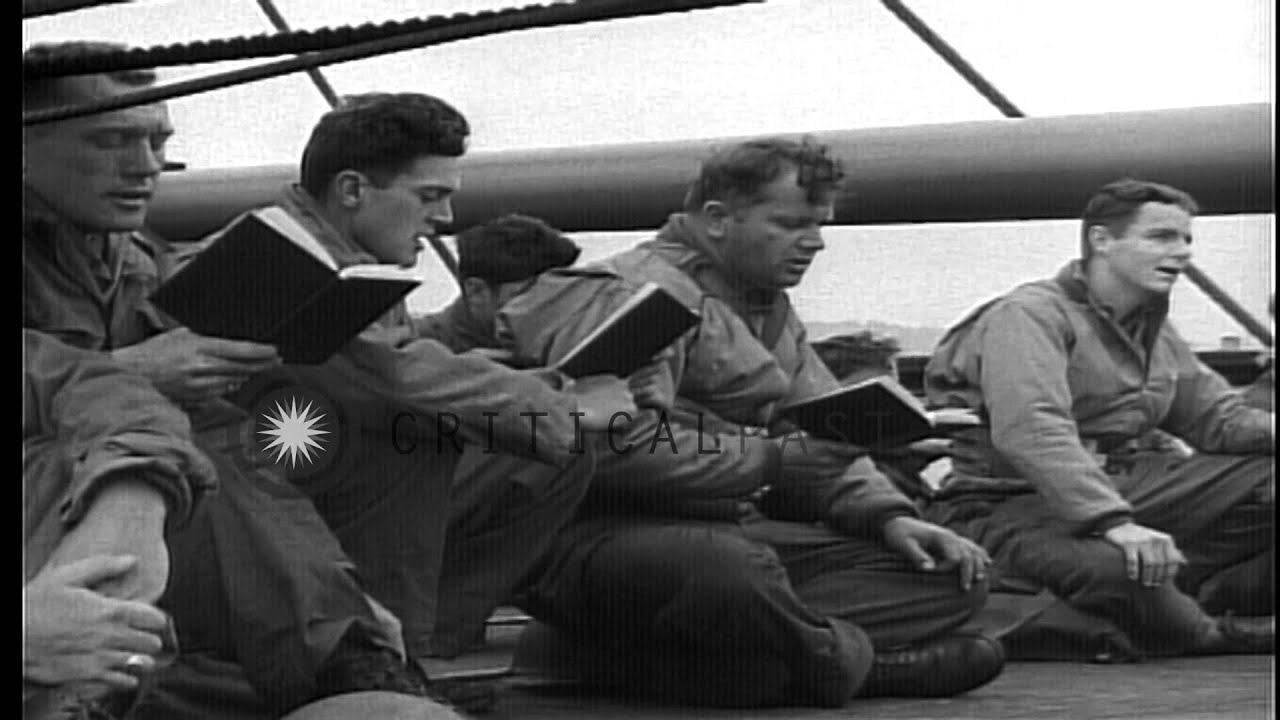
If in some situation where there are no candles available, or the wind or other conditions are such that it would be impossible to use them, Mass could still be celebrated, and celebrated reverently provided we do our best.  The same goes for certain vestments for Mass or other accoutrement.  Think about a windy deck of a battleship steaming across the Pacific to face the Japanese fleet or in the Channel heading for France.

That doesn’t justify not using candles under normal circumstances.

The refusal to use proper furnishings for Mass, to use candles and proper vestments, etc., is a sign of spiritual immaturity and pride, a pusillanimous stinginess that knows nothing of what is being wrought in the sacred liturgical action.

You can’t use what you don’t have, and you are not bound to the impossible.  But we are bound to do our best. Ultra posse nemo obligatur.

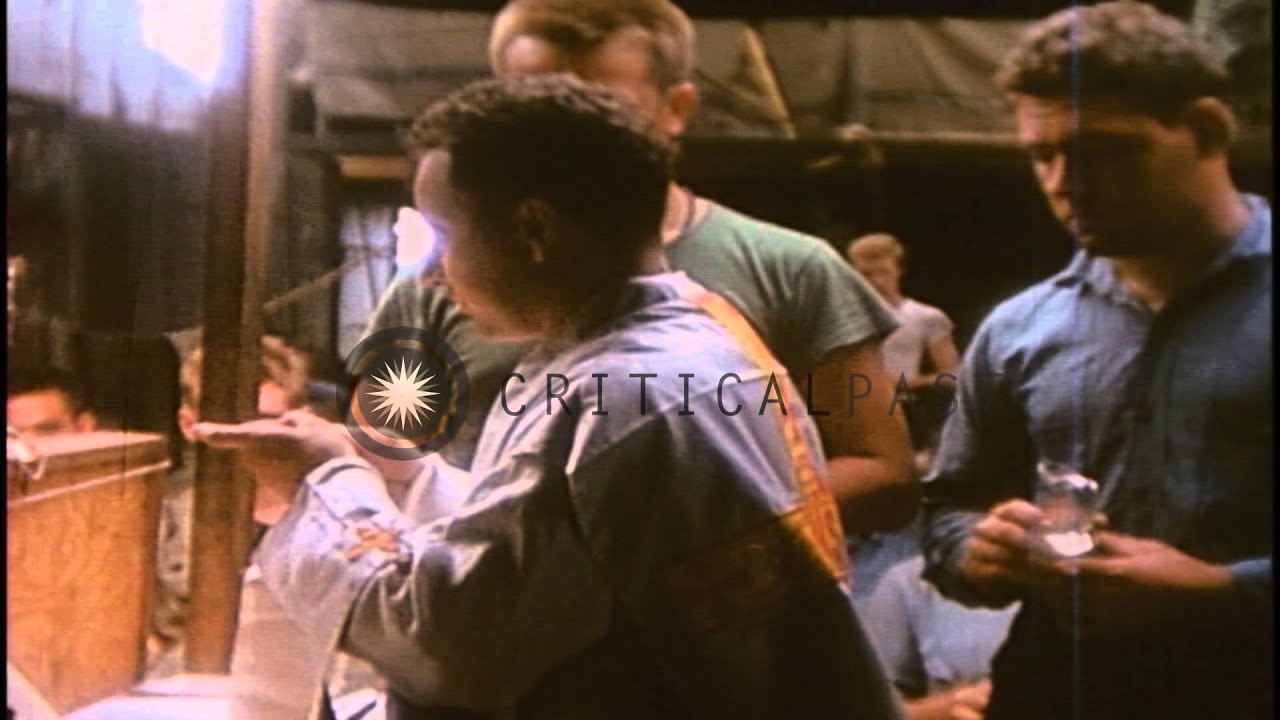
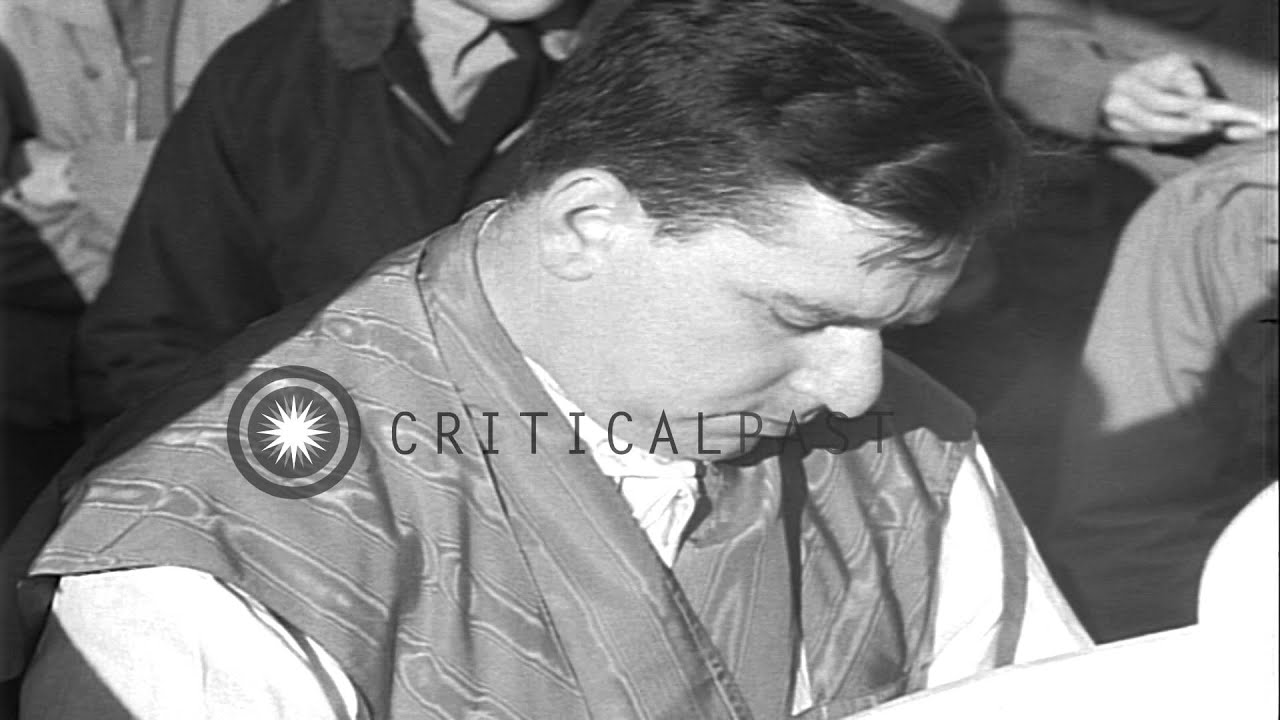
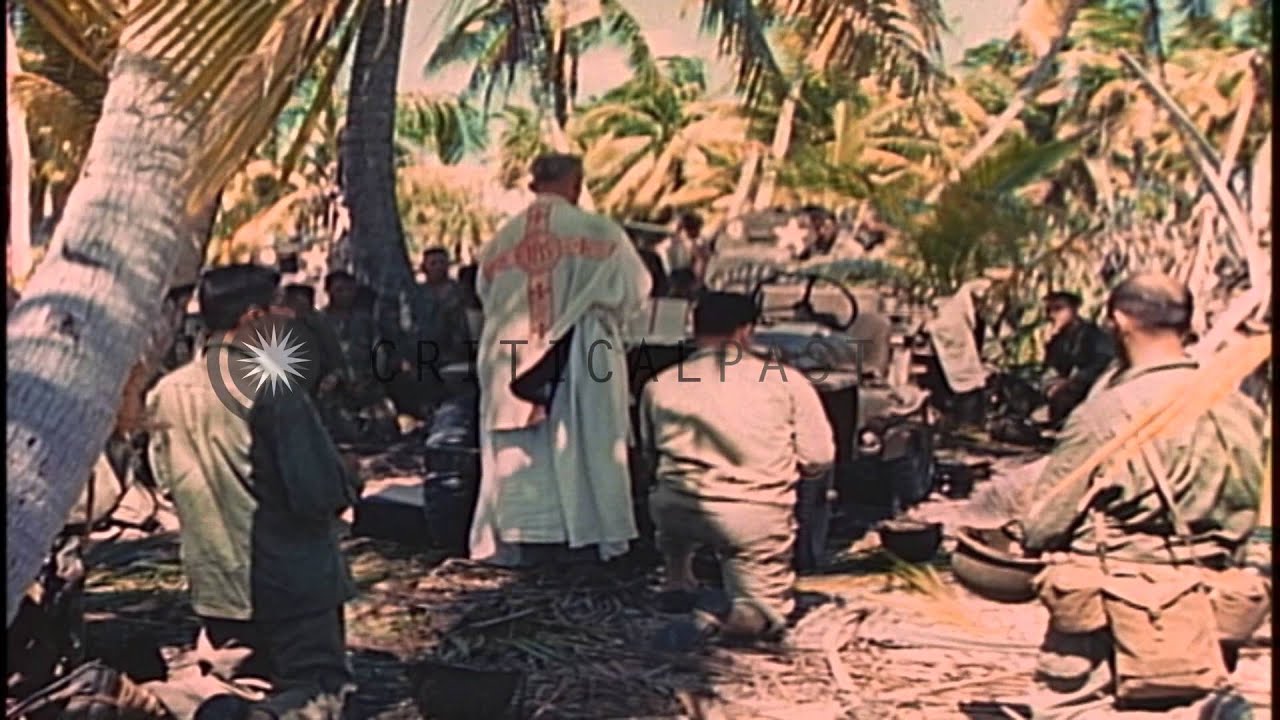
Look how these men did their best. Do you think for a moment that they would have said, “Candles? Nah!”, if they had them and could light them?

YouTube thumbnailYouTube icon

YouTube thumbnailYouTube icon

YouTube thumbnailYouTube icon

Hey! Look! Candles!

YouTube thumbnailYouTube icon

Posted in "How To..." - Practical Notes, ASK FATHER Question Box, Liturgy Science Theatre 3000 | Tagged ,
6 Comments

BOOKS RECEIVED and a strong recommendation and a new liturgical rites manual

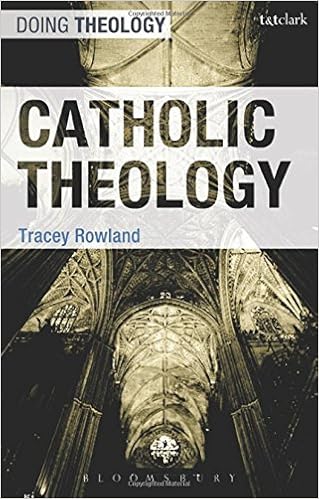
For a while now I have been plugging Tracey Rowland’s insightful book.  I WARMLY recommend it.

 Catholic Theology.  

US HERE – UK HERE

I recently recommended it in the context of the PODCAzT reading I did of Donum veritatis (I was suggesting it for Beans).

I thought so highly of it that for last year’s Books for Seminarians Project, you readers got copies for all the seminarians of the Diocese of the Extraordinary Ordinary!

Fr. James V. Schall, SJ, has a detail review of Rowland’s book at New Oxford Review.

In other news, I have also recently received… though I haven’t read.

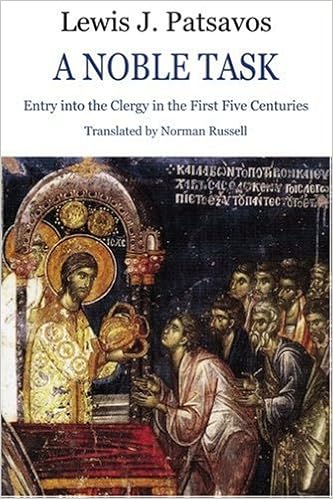
A Noble Task: Entry into the Clergy in the First Five Centuries by Lewis J. Patsavos

US HERE – UK HERE

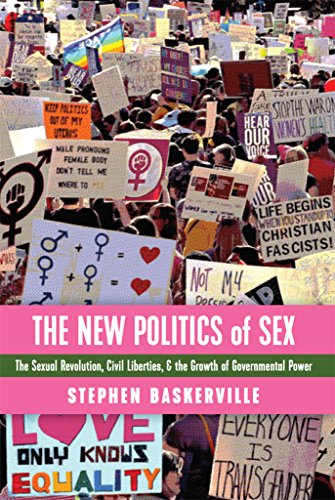
The New Politics of Sex: The Sexual Revolution, Civil Liberties, and the Growth of Governmental Power by Stephen Baskervill

US HERE – UK HERE

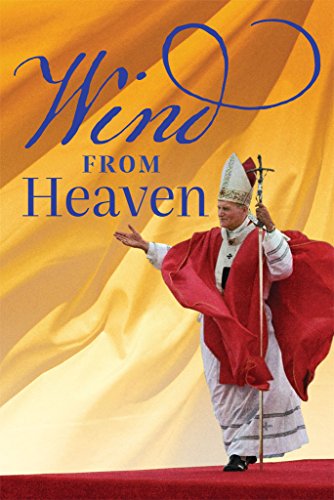
Wind From Heaven: John Paul II–The Poet Who Became Pope by Monika Jablonska

US HERE – UK HERE

]

Loosing the Lion: Proclaiming the Gospel of Mark by Leroy A Huizenga

US HERE – UK HERE

Without Precedent: Scripture, Tradition, and the Ordination of Women by Geoffrey Kirk

US HERE – UK HERE

And last but not least…

The Roman Catholic Ceremonial. Volume II: The Pontifical Ceremonies by Jeffrey Collins

I wrote about the first volume HERE.

Take it from a guy who has to run Pontifical Masses as an MC.  This is a useful book.  The rites are explained in detail and broken down.  He covers just about every permutation of Masses with and for Bishops that you can think up, along with visitations and confirmations, vespers and benediction, special ceremonies during the year and some rites from the Rituale Romanum.  He does NOT, alas, include the rites for the Consecration of a Church, which I hope to be able to execute in the not too distant future.  I am going to nag Collins for that.

Posted in REVIEWS | Tagged , ,
6 Comments

WDTPRS – 4th Sunday of Lent- Laetare: Prompt devotion, eager faith, here and now

Fr. Finigan when he was still PP of Blackfen in the Rose vestments YOU readers helped to purchase in 2009!

The nickname Laetare originated from the first word of the Introit chant for Sunday’s Mass, “Rejoice!”

On Laetare Sunday there is a slight relaxation of Lent’s penitential spirit, because we have a glimpse of the joy that is coming at Easter, now near at hand.

The custom of using rose (rosacea) vestments is tied to the Station churches in Rome. The Station for Laetare Sunday is the Basilica of the Holy Cross of Jerusalem where the relics of Cross and Passion brought from the Holy Land by St. Helena (+c. 329), mother of the Emperor Constantine (+337), were deposited. It was the custom on this day for Popes to bless roses made of gold, some amazingly elaborate and bejeweled, which were to be sent to Catholic kings, queens and other notables. The biblical reference is Christ as the “flower” sprung forth from the root of Jesse (Is 11:1 – in the Vulgate flos “flower” and RSV “branch”). Thus Laetare was also called Dominica de rosa…. Sunday of the Rose. It didn’t take a lot of imagination to develop rose colored vestments from this. Remember, the color of the vestments is called rosacea, not pink (especially not baby-rattle pink). This Roman custom spread by means of the Roman Missal to the whole of the world.

Our Collect is a new composition for the 1970MR and subsequent editions of the Novus Ordo based on a prayer in the Gelasian Sacramentary and a section of a sermon by St. Pope Leo I, the Great (+461). There is some similarity between this Collect with those of Advent. On the 2nd Sunday of Advent, we heard: in tui occursum Filii festinantes… “those hurrying to meet your Son.” On the 3rd Sunday (this Sunday’s fraternal twin Gaudete, the only other day for rose vestments) we heard: votis sollemnibus alacri laetitia celebrare…”, to celebrate…with eager jubilation by means of solemn offerings.”

There is rosy anticipation in today’s Collect just as there was in Advent.

Without further delay, here is the beautiful Latin followed by the current ICEL version, the atrocious but happily obsolete ICEL version, and then… a couple of surprises!

COLLECT (2002MR):

Deus, qui per Verbum tuum
humani generis reconciliationem mirabiliter operaris,
praesta, quaesumus, ut populus christianus
prompta devotione et alacri fide
ad ventura sollemnia valeat festinare.

Sollemnia is the neuter plural of the adjective sollemnis meaning “yearly”, that which is established to be done each year. In religious contexts, it comes out as “religious, festive”. As a substantive, it is “a religious or solemn rite, ceremony, feast, sacrifice, solemn games, a festival, solemnity”. Sollemne, the neuter noun, is also, “usage, custom, practice”. In legal contexts, it can be “formality”. In later, Christian Latin words related to sollemnis came to indicate the celebration of the Eucharist. Alacer is “lively, brisk, quick, eager, active; glad, happy, cheerful”. Promptus, a, um is from the verb promo. Promptus indicates, “brought to light, exposed to view” and by extension “at hand, i. e. prepared, ready, quick, prompt, inclined or disposed to or for any thing.”

LITERAL RENDERING:

O God, who by Your Word
wondrously effect the reconciliation of the human race,
grant, we beg, that the Christian people
may be able to hasten toward the upcoming solemnities
with ready devotion and eager faith.

CURRENT ICEL (2011):

O God, who through your Word
reconcile the human race to yourself in a wonderful way,
grant, we pray,
that with prompt devotion and eager faith
the Christian people may hasten
toward the solemn celebrations to come
.

Note the marvelous parings of alacer fides and prompta devotio … “eager faith” and “ready devotion”. We know that fides “faith” can refer to the supernatural virtue which is given to us in baptism and also to the content of what we believe. This content must be understood as both the things we can learn and memorize with love, but more importantly the divine Person whom we must learn and contemplate with love.

There is a faith by which we believe, the virtue God gives us, and a faith in which we believe, the content of the Faith.

On the other hand, whereas fides is a supernatural virtue, devotio is an “active” virtue according to St. Thomas Aquinas in the Summa Theologica. The Angelic Doctor wrote:

“The intrinsic or human cause of devotion is contemplation or meditation. Devotion is an act of the will by which a man promptly gives himself to the service of God. Every act of the will proceeds from some consideration of the intellect, since the object of the will is a known good; or as Augustine says, willing proceeds from understanding. Consequently, meditation is the cause of devotion since through meditation man conceives the idea of giving himself to the service of God” (STh II-II 82, 3).

The Jesuit preacher Louis Bourdaloue (1632-1704) underscored devotion as especially “a devotion to duty”. What we do, including our “devotions”, must help us keep the commandments of God and stick to the duties of one’s state in life before all else. There is an interplay between our devotions and our devotion.

Each of us has a state in life, a God-given vocation we are duty bound to follow.

We must be devoted to that state in life, and the duties that come with it, as they are in the here and now.

That “here and now” is important. We must not focus on the state we had once upon a time, or wish we had, or should have had, or might have someday: those are unreal and misleading fantasies that distract us from reality and God’s will. If we are truly devoted and devout (in the sense of the active virtue) to fulfilling the duties of our state as it truly is here and now, then God will give us every actual grace we need to fulfill our vocation. Why can we boldly depend on God to help us? If we are fulfilling the duties of our state of life, then we are also fulfilling our proper roles in His great plan, His design from before the creation of the universe. God is therefore sure to help us. And if we are devoted to our state as it truly is, then God can also guide us to a new vocation when and if that is His will for us. Faithful in what we must do here and now, we will be open to something God wants us to do later.

This attachment to reality and sense of dutiful obedience through the active virtue devotio is a necessary part of religion in keeping with the biblical principle in 1 John 2:3-5:

“And by this we may be sure that we know Him, if we keep His commandments. He who says ‘I know Him’ but disobeys His commandments is a liar, and the truth is not in him; but whoever keeps his word, in him truly love for God is perfected. By this we may be sure that we are in Him: he who says he bides in Him ought to walk in the same way in which He walked.”

OBSOLETE ICEL (1973):
Father of peace,
we are joyful in your Word,
your Son Jesus Christ,
who reconciles us to you.
Let us hasten toward Easter
with the eagerness of faith and love.

This makes you want to pound your head against the table.

What would happen if we translated the ICELese back into Latin? If the ICEL were accurate, you might expect some similarities, right?

WARNING: Do not attempt this at home. Spiritual harm and damage to property can be caused by thinking about these ICEL versions. Leave this sort of thing to trained professionals and people with tough foreheads.

LATIN REVERSION of the OBSOLETE ICEL:
Pater pacis,
in tuo Verbo, Iesu Christo filio tuo,
qui nos tibi reconciliat, laetamur.
Fidei studio et amoris
ad diem Paschalis festinemus.

So, just for kicks we can see how the Google translates the Latin original.

GOOGLE TRANSLATOR MACHINE VERSION:
O God, who by your word
reconciliation of the human race dost wonderfully,
grant, we beseech Thee, that the Christian people
with ready devotion and eager faith
the formalities to come to the be able to hurry up
.

Oookaayyy… ‘nuf said about that.

And there are some in the church today who want to revise the norms for liturgical translation.  Talk about wanting to “turn back the clock”!  The irony would be laughable if the stakes weren’t so high.

Posted in LENT, Liturgy Science Theatre 3000, WDTPRS | Tagged ,
Comments Off on WDTPRS – 4th Sunday of Lent- Laetare: Prompt devotion, eager faith, here and now

What would your Lent have been like in 1873?

For those of you who may think that Lent is a pretty tough time to be a Catholic, giving up chocolate and so forth, this is what our forebears did for Lent in these USA (my emphases and comments):

DIOCESE OF NEWARK.

(1873) REGULATIONS FOR LENT.

Ash Wednesday, the first day of Lent, will fall on the twenty-sixth day of February.

1. Every day during Lent except Sunday, is a day of fast on one meal, which should no be taken before mid-day, with the allowance of a moderate collation in the evening.

2. The precept of fasting implies also that of abstinence from the use of flesh meat, but by dispensation, the use of flesh meat is allowed in this Diocese at every meal on Sunday, and at the principal meal on Mondays, Tuesdays and Thursdays, of Lent except Holy Thursday. [But not Wednesday and Friday and Saturday]

3. There is no prohibition to use eggs, butter or cheese, provided the rules of quantity prescribed by the fast be complied with. Fish is not to be used at the same meals at which flesh meat is allowed. [No surf and turf, friends.]

Butter, or if necessary lard, may be used in dressing of fish or vegetables.

4. All persons over seven years of age are bound to abstain from the use of flesh meat, and all over twenty-one to fast according to the above regulations unless there be a legitimate cause of exemption. The Church excuses from the obligations of fasting, but not from that of abstinence from flesh meat, except in special cases of sickness or the like, the following classes of persons: 1st, the infirm; 2nd, those whose duties are of an exhausting or laborious character; 3rd, women in pregnancy, or nursing infants; 4th, those who are enfeebled by old age. In case of doubt in regard to any of the above exemptions, recourse must be had to one’s spiritual director, or physician.

All alike, should enter into the spirit of this holy season, which is, in a special manner, a time of prayer, and sorrow for sin, of almsgiving, and mortification.

The faithful are reminded that by a special privilege granted by the Holy see to the faithful of this Diocese, a Plenary Indulgence may be gained on the usual conditions, on St. Patrick’s Day or any day, within the Octave. [NB: This does NOT dispense Catholics from the Lenten discipline on St. Patrick’s Day, a Promethean Neopelagian practice these days.]

By order of the Very Reverend Administrator,

GEORGRE H. DOANE. Secretary.

Bishop’s House, Newark, Feb. 6., A.D. 1873.

NB: Catholics are not obliged to follow the regulations of 1873.  You are obliged to follow them as they are hic et nunc, here and now.

Be sure you know the regulations in your country. If you decide to do more than what the regulations require here and now, fine. But don’t trumpet the fact and don’t look down on those who choose not to add things on beyond the regulations.

Posted in "How To..." - Practical Notes, Hard-Identity Catholicism, Liturgy Science Theatre 3000 | Tagged ,
17 Comments

URGENT PRAYER REQUEST

Sometimes I receive pretty serious email.  This just came in.

Please pray for my Grandfather, he just signed the paperwork to be euthanized. God bless Father and thank you


Posted in Urgent Prayer Requests | Tagged
9 Comments

Alexa gizmo laughs randomly. Creepy.

Do you have one of those Alexa gizmos? Brrrrrrr! No thanks.


At Engadget I read:

Alexa is randomly laughing, and it’s creepy as hell (updated)
Mercifully, Amazon is fixing it.

If you have an Alexa-powered device, you’d be forgiven for thinking it was haunted: users have been complaining that their devices would laugh randomly or simply refuse to do what they were asked. Is your smart speaker going to murder you in your sleep? Thankfully, no. Amazon has confirmed that it’s aware of the problem and is “working to fix it.” The company hasn’t said what went wrong, but it’s notable that this isn’t a case of accidentally triggering the voice assistant — the laughter has kicked in without triggering the signature blue light that accompanies responses on Echo speakers and other Alexa devices.

[…]

They have a bit of an explanation.  But, brrrrrrrrr.

I am not drawing a direct line, but this reminded me of what I’ve been told by exorcists about the way demons can infest electronic tech.

Posted in You must be joking! | Tagged
6 Comments