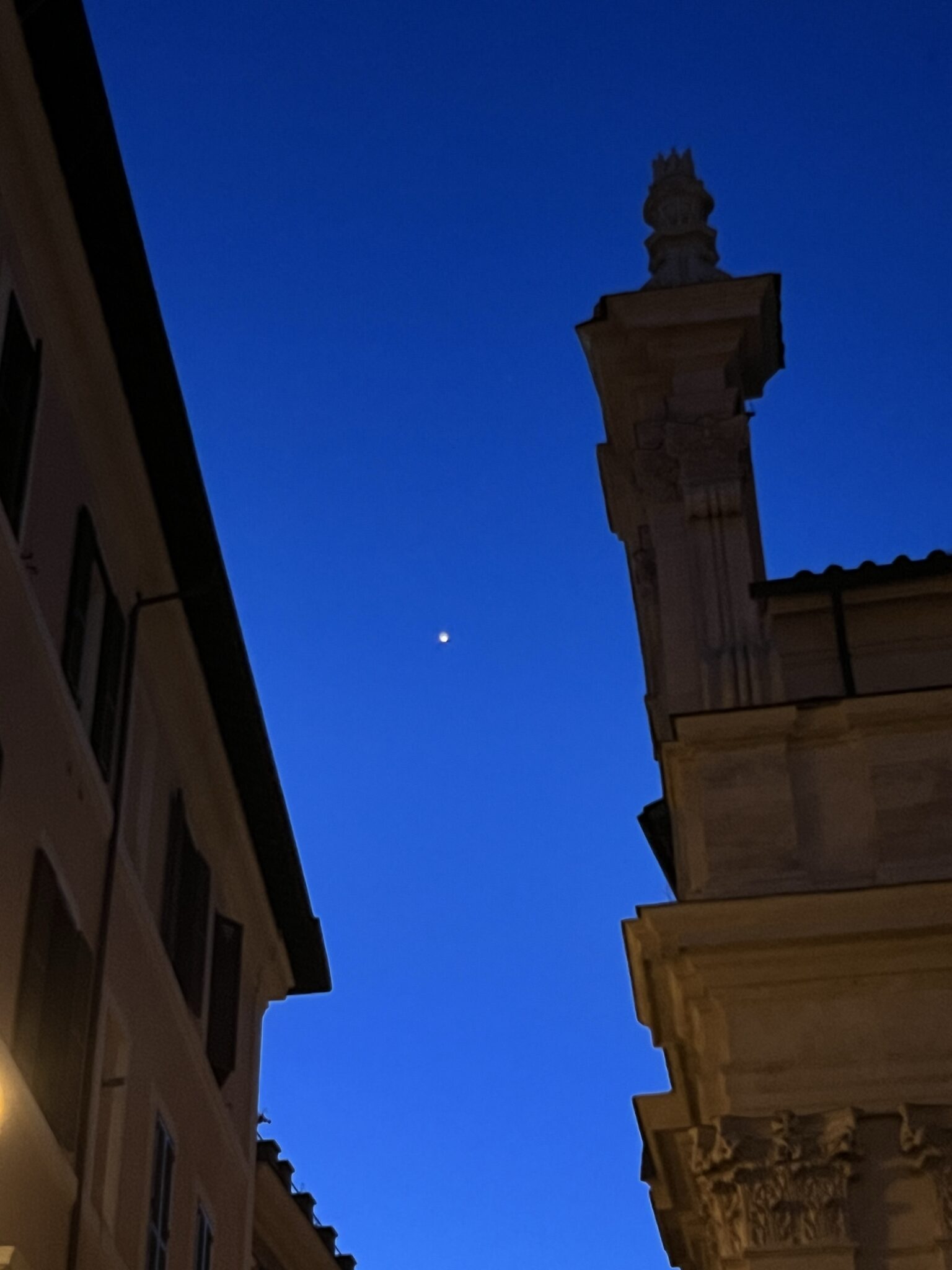
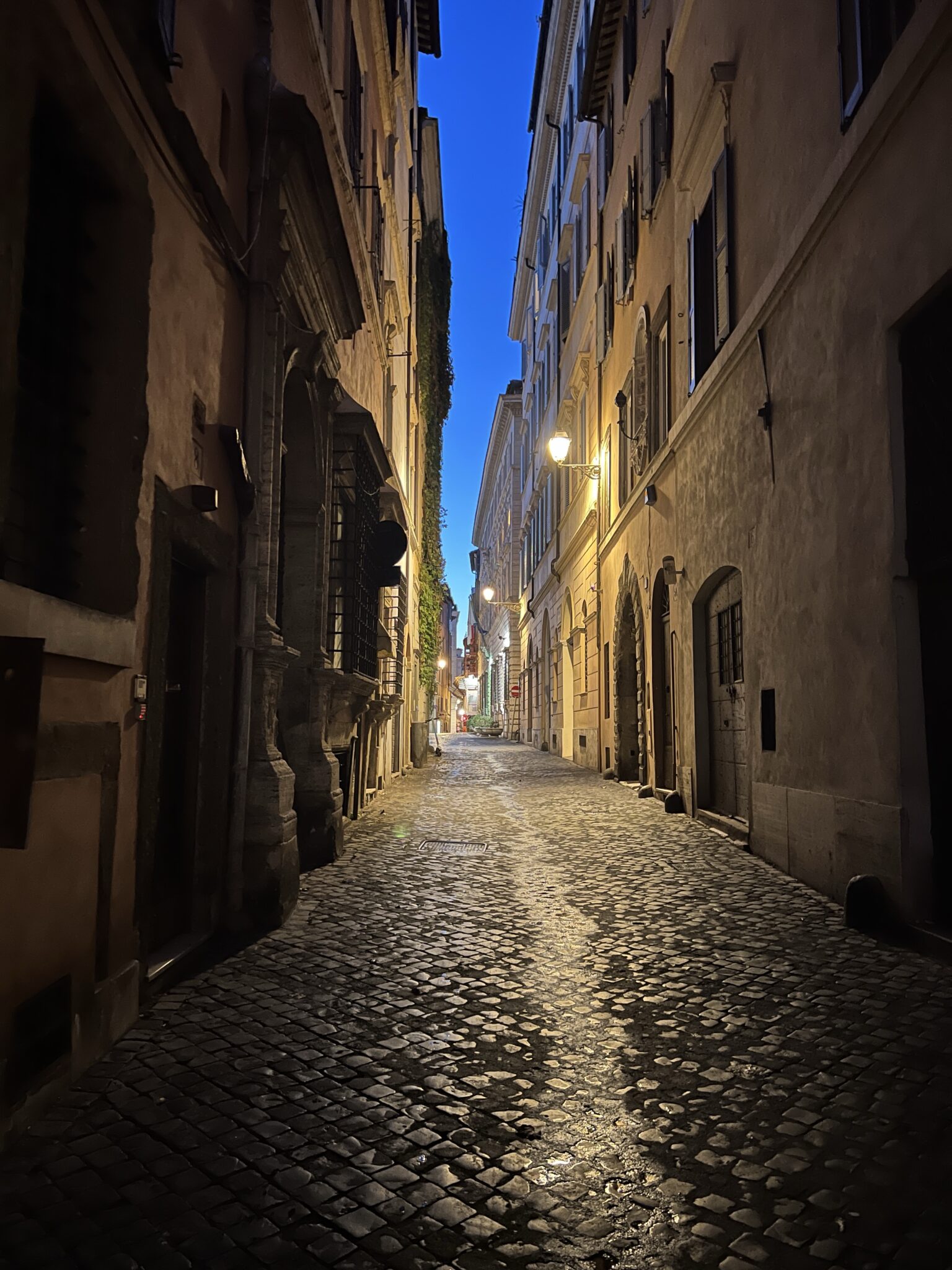
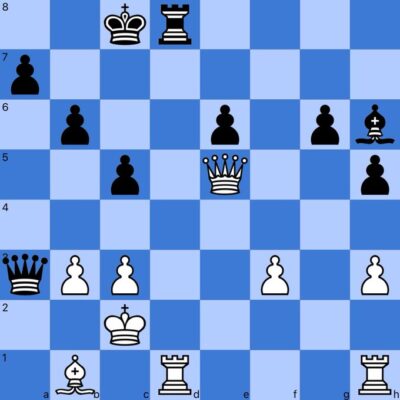
Daily Rome Shot 751

Welcome registrant:

top8305

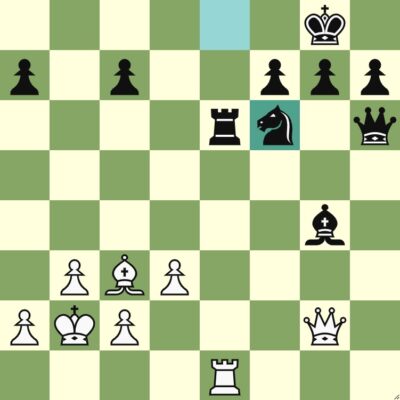
White to move.  Mate in two.

NB: I’ll hold comments with solutions ’till the next day so there won’t be “spoilers” for others.

Please remember me when shopping online. Thanks in advance. US HERE – UK HERE  These links take you to a generic “catholic” search in Amazon, but, once in and browsing or searching, Amazon remembers that you used my link and I get the credit.

Interested in learning?  Try THIS.

World Cup. The knockout events are held from July 30 to August 27 at the Marriott Hotel Boulevard in Baku, Azerbaijan.  1st Round.  Most of the really well-known players are seeded and have a bye.

The top three players will qualify for the 2024 FIDE Candidates Tournament in both sections.

All matches consist of two classical games with a time control of 90 minutes for 40 moves, plus 30 minutes to the end of the game, plus a 30-second increment from move 1

In case of a tie, a playoff takes place on the round’s third day. The tiebreak consists of two 25+10 rapid games followed, if needed, by two 10+10 ‘slow blitz’ games, then two 5+3 blitz games, and finally an Armageddon game, in which White has 5 minutes to Black’s 4, but a draw counts as a win for Black.

Posted in SESSIUNCULA |
9 Comments

VINTAGE RECTORY BATHROOM TILES: 04

Just in.  And the floor tiles are just like those of a room I had in a rectory, except mine were dark gray.

My sender wrote:

“You might note with interest the four different shades of green being employed. Thanks for all you do!”

Posted in SESSIUNCULA | Tagged
1 Comment

Happy Birthday “Lord of the Rings”

On this day in 1954 the first part of The Lord of the Rings was published: The Fellowship of the Ring.

The LotR was one of the most important influences in the topography of my life, though its influence was karstic.  Once there, always there.  Sometimes sublimated, then again at the surface.  It shaped my world view in significant ways and helped to smooth and straighten the path of the Incarnated trascendentals.

The LotR also brought me into contact with some with whom a life-long friendship was born, but also – through seeming chance – brought me rather hesitantly to the study of Latin.  Not only did that turn into multiple degrees, but also set the table for the rich banquet that was the discovery of the Catholic Church especially through her sacred liturgical worship.

I even had a brief, too brief, correspondence with the author as a teen.

I want to thank again a couple of readers who have sent volumes of Tolkien’s (posthumously published) writings, especially CG who sent the set of LotR when my childhood set was languishing, karstically, in storage well over a thousand miles – nay rather – over 400 leagues distant.


Posted in SESSIUNCULA | Tagged ,
7 Comments

Daily Rome Shot 751

Welcome registrant:

bigmig

Use FATHERZ10 at checkout

Great wine from the traditional Benedictines of Le Barroux.

White to play and mate in 2. How long did it take you? Time yourself.

NB: I’ll hold comments with solutions ’till the next day so there won’t be “spoilers” for others.


Posted in SESSIUNCULA |
6 Comments

WDTPRS – 17th Sunday Ordinary Time: Sin Teflon, Demon Kevlar

Shall we look at the Collect for this upcoming Sunday’s Holy Mass in the Ordinary Form?   It will the 17th Sunday of Greater Meatloaf…. Ordinary Time.

COLLECT (2002MR):

Protector in te sperantium, Deus, sine quo nihil est validum, nihil sanctum, multiplica super nos misericordiam tuam, ut, te rectore, te duce, sic bonis transeuntibus nunc utamur, ut iam possimus inhaerere mansuris.

The traditional Roman Missal, 1962MR, places today’s Collect at the 3rd Sunday after Pentecost though it is a little different from the newer version, to wit: sic transeamus per bona temporalia, ut non amittamus aeterna.

Historically the prayer has roots in the ancient “Leonine” or better the Veronese Sacramentary used during the month of July in which we find: sic bonis praetereuntibus nunc utimur, ut iam possimus inherere perpetuis. This historical digging shows us that the Novus Ordo version returned to a more ancient form of the prayer.

That inherere for the more regular inhaerere shows how the ae was pronounced when the manuscript was made.  The eminent paleographer E.A. Lowe dated the earliest manuscript of the Veronese to the first quarter of the 7th century.

There is a pleasant humming “m” alliteration in lines 2-3.  A nice pair of pairs present themselves: nihil validum, nihil sanctum and some exemplary ablative absolutes te rectore, te duce.

Protector is from protego fundamentally meaning “to cover before, or in front, cover over” and obviously also “to shield from danger” as well as things like “put a protecting roof over”.  A protector is also “one of the lifeguard or body – guard”.

Last week in the Collect we heard “vigili custodia … vigilant restraint/guarding.”  Both words refer to protection.

In last week’s Collect the priest prayed to God: clementer gratiae tuae super eos dona multiplica, (indulgently multiply upon/over them the gifts of Your grace) while this week we ask multiplica super nos misericordiam tuam.

In this and last week’s prayer we have the image of a people asking to cover them over abundantly, last week with the theological virtues, this week with mercy.

God is our shield.  In His mercy He guards us from the attacks we face as soldiers in the Church Militant.

Validus, a, um (from the verb valeo) is “strong, stout, able, powerful, robust, vigorous” and also “well in body, in good health, sound, healthy”.  “Vale!” is one Latin way to say “Farewell!”

The verb inhaereo means “to stick in, to stick, hang, or cleave to, to adhere to, inhere in”.  Inhaereo is construed with either dative or ablative and it is very hard to know which case is mansuris, the future participle from maneo, “to remain, last, endure, continue”.   Without going into details, St. Augustine (+430) used a similar combination of words, but to different effect, in a sermon about the love of God and love of the world (s. 344.2 in PL 39:1512).

LITERAL ATTEMPT:

O God, protector of those hoping in you, without whom nothing is efficacious, nothing holy, multiply your mercy upon us, so that, you being our helmsman, our commander, we may so make use of things that pass away as to be able to cleave to those that will endure.

We can also render rector and dux respectively as “guide” and “leader” but I think in our times we need a bolder tone.  A rector is also a “helmsman” and “commander of the army”.  In honor of World Youth Day, rector can be the “master of youth, teacher”.  On the other hand, dux is also a military term for a “general” or “chief”.

OBSOLETE ICEL (1973):

God our Father and protector,
without you nothing is holy,
nothing has value.
Guide us to everlasting life
by helping us to use wisely
the blessings you have given to the world
.

CURRENT ICEL (2011):

O God, protector of those who hope in you,
without whom nothing has firm foundation, nothing is holy,
bestow in abundance your mercy upon us
and grant that, with you as our ruler and guide,
we may use the good things that pass
in such a way as to hold fast even now
to those that ever endure.

We are members of the Church Militant and we must never forget it.

We must not permit ourselves complacency.  We must not be softened into spiritual acedia by the coos and lullabies of those who deny the existence of evil and the devil and personal sin.

Some people today think that any “evil”, if it is really evil after all and not merely a difference of perspective, can be reduced to mere social ills stemming from a societal lack of tolerance and diversity.

This is a deception of the enemy of the soul, the devil.

In reality, our personal sins are the foundation of every societal ill.  When people do not believe in the devil and in sin, then the enemy has already won.   Our enemy Satan and his fallen angels desire our everlasting damnation and agony with them in hell.  This world has a fell prince, a spiritual being, a mighty fallen angel (cf. John 14:30).

Jesus Christ is our King, our great Captain in our battle against all that is wicked in this world.  Christ Jesus has broken hell’s power over us, but for a time we are still in this world and the devil dominates it – but only to the extent that omnipotent God permits in His providence.  We are living in a state of “already, but not yet.”

As soldiers traveling through enemy territory we need strong shields, a sure leader to set our feet on the right path out of the danger zone, a sturdy roof over us when we rest, some way to identify what is holy and what is deception.

Without God nothing is worthwhile or holy.   He must pour out and multiply upon us all that we need simply in order to live.

Today we are asking for a protection, sin-Teflon, so that the passing things of this world can’t stick to us, distract us, and hold us back from heaven.

May God give us demon-Kevlar, so that the enemy cannot penetrate our minds and hearts with the darts of temptation and the provocations of doubts.

We beg God to make us “sticky” only for the things that endure forever and not the things that are under control of this world’s prince, who from the beginning is a liar, a murderer (cf. John 8:44).

Posted in WDTPRS |
1 Comment

WDTPRS – 9th Sunday after Pentecost: O God, ever distant, ever near

This week’s Collect, which historically was in the 8th century Liber sacramentorum Gellonensis, was also the prayer over the people, or Super populum, in the 1962MR for Wednesday of the 4th Week of Lent.

It was not, I believe, in the 1970MR or 1975MR (Novus Ordo), but it was reinserted on Saturday of the 2nd  Week of Lent in the third edition of 2002, which also revived the ancient Lenten Super populum blessings.

COLLECT (1962MR):

Pateant aures misericoridae tuae, Domine, precibus supplicantium: et, ut petentibus desiderata concedas; fac eos, quae tibi sunt placita, postulare.

SUPER LITERAL TRANSLATION

Open the ears of Your mercy, O Lord, to the prayers of those humbly beseeching: and, that You might grant the things desired to those seeking them, cause them to desire the things which are pleasing to You.

We often use anthropomorphic expressions in our prayer, giving God physical, human characteristics.  The image of God opening or inclining His ears is common.  Our Latin liturgical prayer constantly has God harking to us or lending His celestial ear, or inclining toward us so that He can listen more closely, not miss our meaning, our sincerity, our need.  We want to be in His hearing and in His sight.  We want Him to hurry to us and to be near.

This language is normal in the human experience of praying to our mysterious and transcendent God, who is infinitely removed from us, but who is nevertheless closer to us than we are to ourselves.

St. Augustine of Hippo (+430) in his Confessions gives expression to this tension of transcendence and immanence in words unsurpassed by man for over fifteen centuries.

We might linger over the great Doctor of Grace’s words (Conf. 5.2; 6.3 – not my translation):

Thou alone art near even to those that remove far from You.  Let them, then, be converted and seek You; because not as they have forsaken their Creator have You forsaken Your creature. Let them be converted and seek You; and behold, You are there in their hearts, in the hearts of those who confess to You, and cast themselves upon You, and weep on Your bosom after their obdurate ways, even Thou gently wiping away their tears. And they weep the more, and rejoice in weeping, since Thou, O Lord, not man, flesh and blood, but Thou, Lord, who made, remakest and comfortest them. And where was I when I was seeking You? And You were before me, but I had gone away even from myself; nor did I find myself, much less You! …

O crooked ways! Woe to the audacious soul which hoped that by forsaking thee it would find some better thing! It tossed and turned, upon back and side and belly – but the bed is hard, and thou alone givest it rest. And lo, thou art near, and thou deliverest us from our wretched wanderings and establishest us in thy way, and thou comfortest us and sayest,

Run, I will carry you; yea, I will lead you home and then I will set you free.”

Posted in WDTPRS |
Comments Off on WDTPRS – 9th Sunday after Pentecost: O God, ever distant, ever near

Daily Rome Shot 750

Welcome registrants:

ByzantineMike
mcp0010

White to play and mate in 2.

NB: I’ll hold comments with solutions ’till the next day so there won’t be “spoilers” for others.

Extra credit for naming the pattern.

Interested in learning?  Igor has a new course. EXPLORE The new course is “Level Up Your Chess” aimed at advanced beginners and intermediate who have perhaps plateaued. 6 sections, 26 lessons, 50 exercises. Through Thursday 3 August get the course with a 50% discount and get the course “Calculate Till Mate” for free.

Please remember me when shopping online. Thanks in advance. US HERE – UK HERE  These links take you to a generic “catholic” search in Amazon, but, once in and browsing or searching, Amazon remembers that you used my link and I get the credit.

Not only does the ISS have a “ham” radio station with which we can make contacts (I haven’t yet), but there is also chess aboard. Astronaut Woody Hoburg, plays against the control in Houston and sometimes against a Russian colleague.

Yes, magnetic pieces.

Posted in SESSIUNCULA |
4 Comments

My View For Awhile: Heading to the Shrine

I’m on my way to the wonderful Shrine of Our Lady of Guadalupe in Wisconsin. A couple days ago, the flights were ghastly, as most are these days, jammed and delayed by several hours thus resulting a a very late arrival. No reason given.

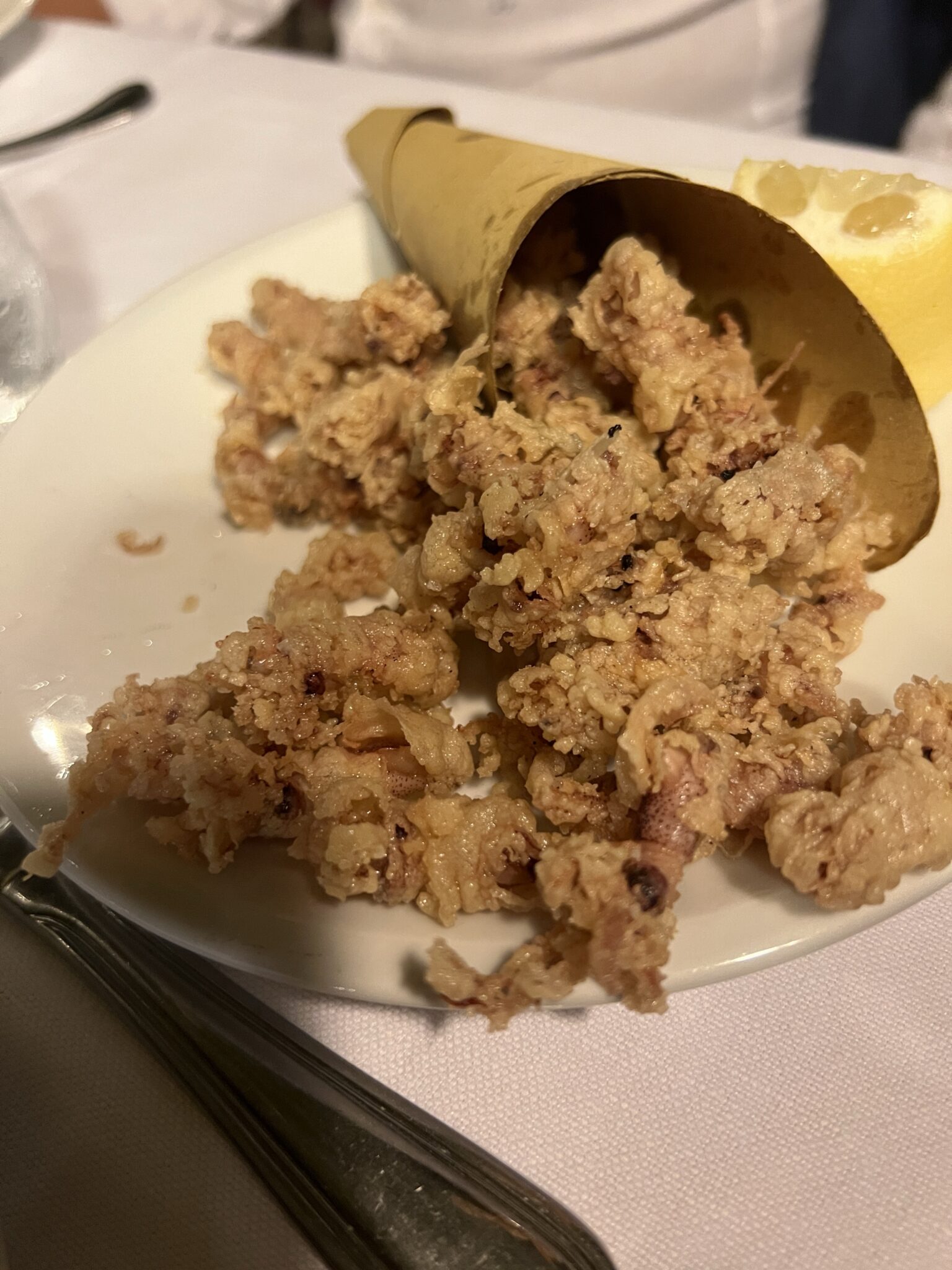
This was lunch in view of a long day.   I did get something in the lounge during the second delay (3 hours).

Putting the “OMF” in “Comfort+”

The next day we were off to lunch to meet up with a prominent Catholic writer speaker in the Chicago area, this unfortunate archdiocese.  Alas, we drove past Superdawg without stopping, which made my heart cry.

Consolation was given to my riven heart later through an exceptionally good GT.  Remember: the proper plural of Gin & Tonic is “Gins & Tonic”.

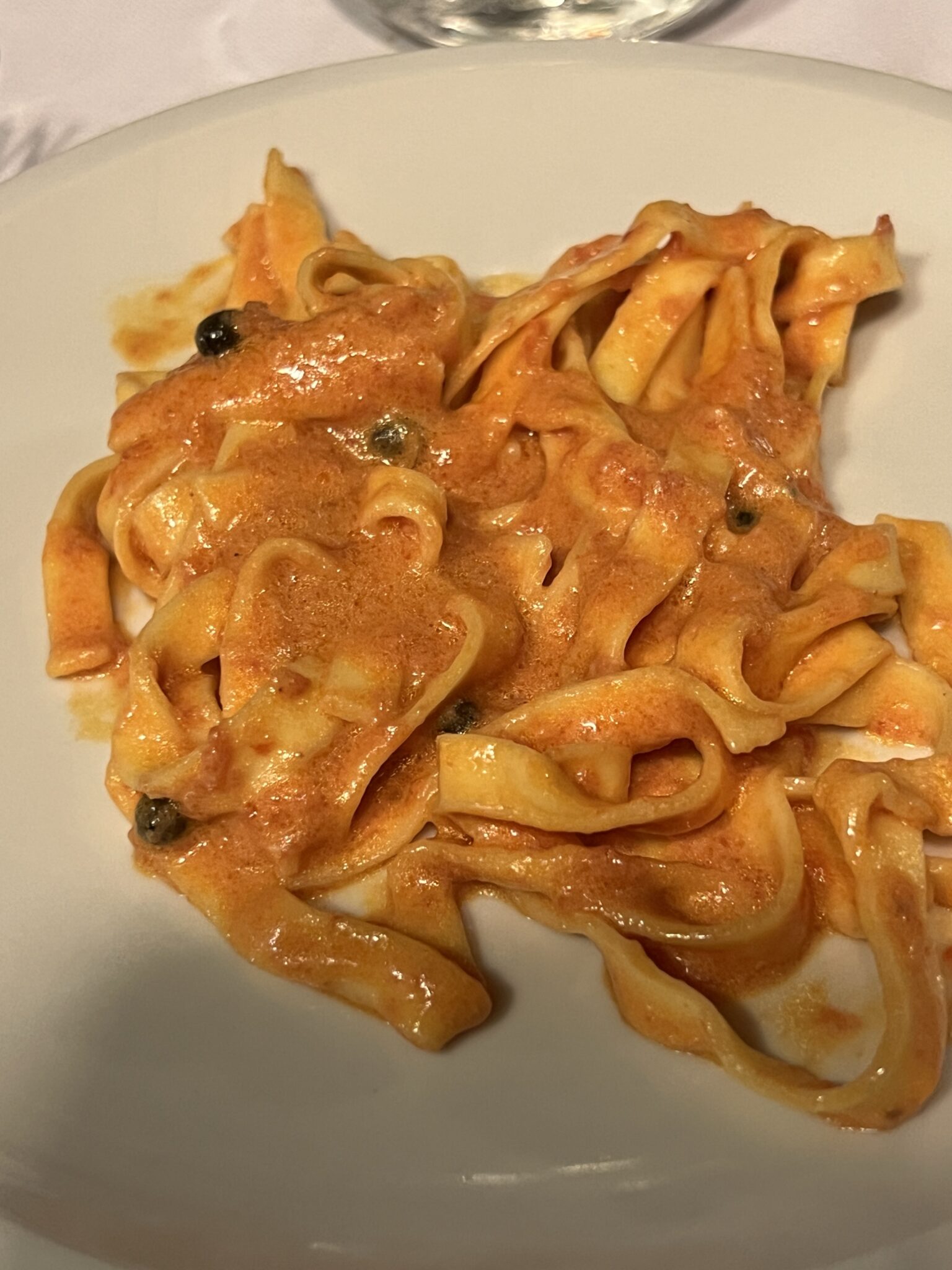
There is an old phrase: the bread was fresh and was good, the cheese was not and was excellent.   My hosts for these days pick both well.

For the Great Roman.  He will understand.

I made a large quantity of pasta “al seminario”, much as what we had fairly often in Rome.

A Florentine cut with a little Dijon vinaigrette for scale.

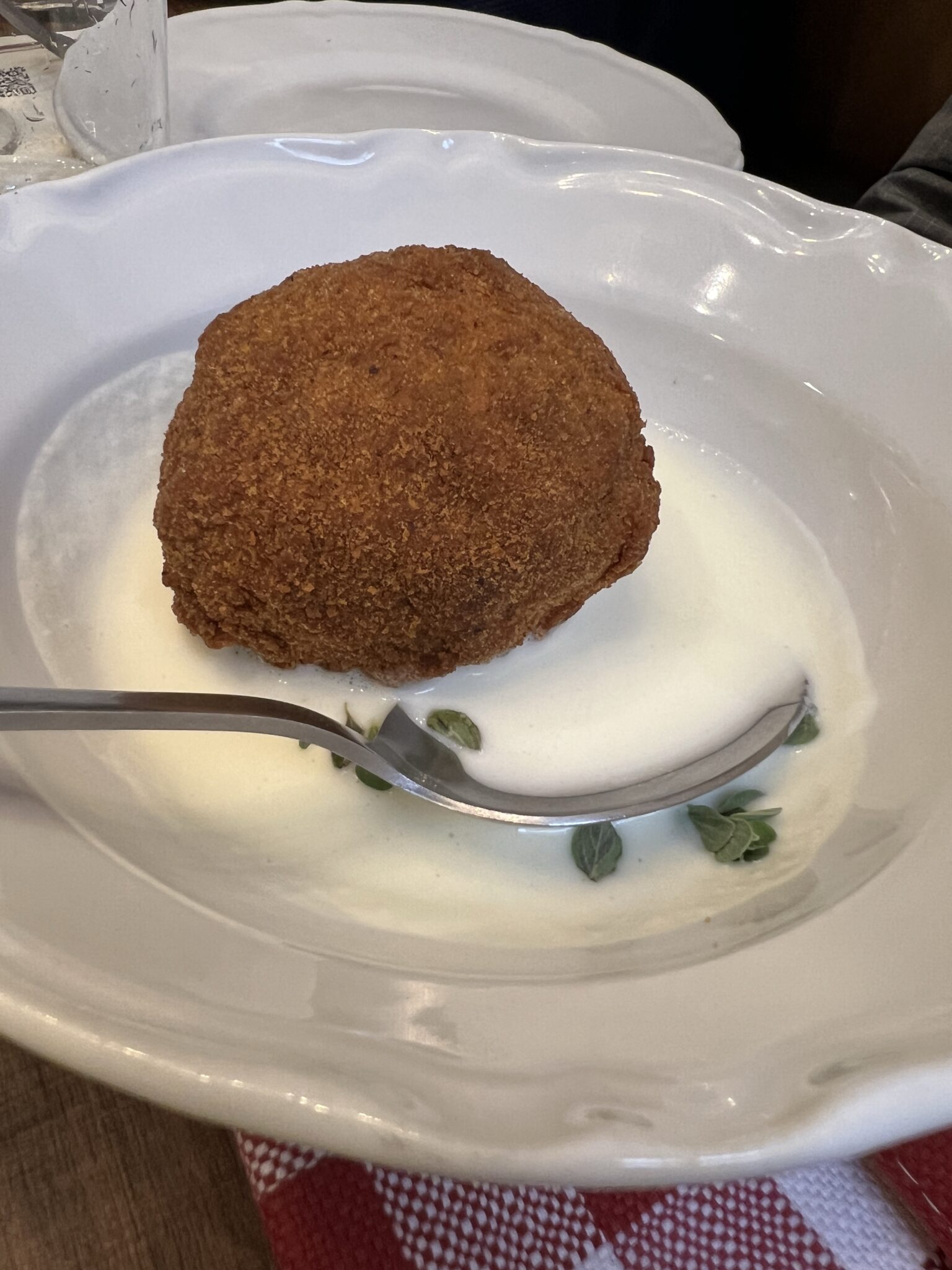
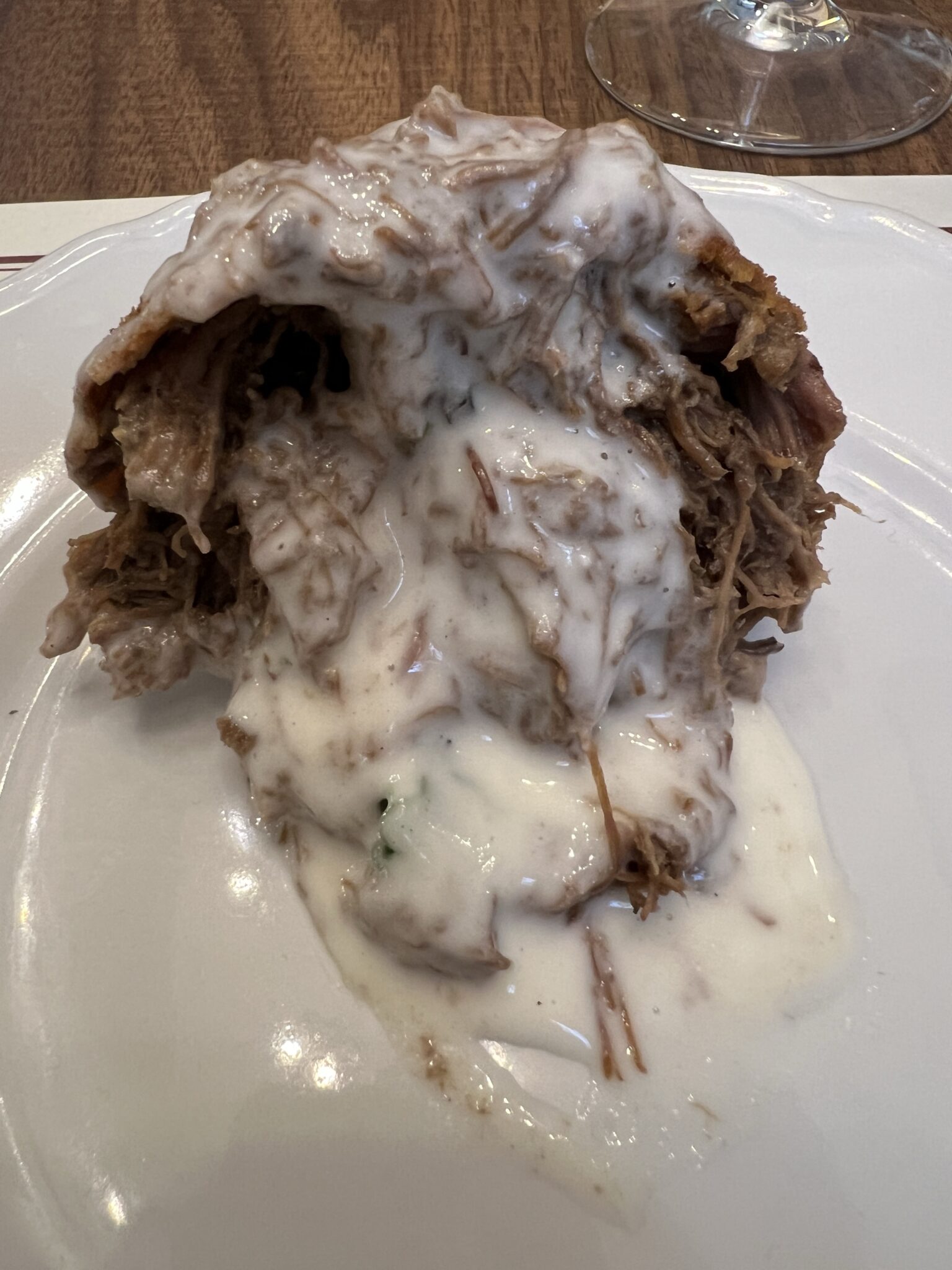
I have eaten this well since Rome.

It hasn’t been all beef.  No.  Variety is the spice of life.

We used this stuff.  I must say, it’s GREAT.  Try it!  HERE  Japanese Barbecue Sauce

“Our Ingredients Matter”… “Authentic Family Recipe”

Am I forcing a comparison too much to say that Our Rites Matter and our AUTHENTIC Family Rite is the TRADITIONAL Roman Rite?

Today, I will pick up a rental at ORD and continue to journey to the Shrine.   It should be a beautiful driving day.

Posted in On the road, What Fr. Z is up to |
Comments Off on My View For Awhile: Heading to the Shrine

MAZZA: The Importance of the Value of Reputation, Part II

At Homiletic and Pastoral Review (yes, it still exists), find the second part of important work by civil and canon lawyer Michael Mazza (whom I’ve known for a zillion years).   He now works as a canonist especially in defense of priests.  HERE

The Importance of the Value of Reputation, Part II

People who are accused of crimes have a right to proper process and to their good name (bona fama). Both of those often go out the door in the case of priests who are falsely accused and/or cancelled. In this offering, Mazza starts with some Patristic references to bona fama and then traces papal comments in the more modern Magisterium.

A sample:

We note in conclusion that such evidence stands for the proposition that the good of bona fama has been valued, in a variety of contexts and time periods, as a fundamental human good. This article has also referenced several well-known artistic works, emanating from diverse cultures and at various points in history, that also testify to enduring truths concerning the good of bona fama. The extent of all this evidence suggests that there would be something profoundly inhuman, and therefore deeply disturbing, about any community that neglects to care for the right to reputation of its members. Such attentiveness for reputation is particularly important when the prevailing cultural zeitgeist militates against the right to bona fama by demanding quick guilty verdicts so as to quench the popular thirst for vengeance.

Owing to the power of speech itself, along with the close link between a person’s name and his very identity, we saw how the witness of Sacred Scripture, the early Church, and centuries of theological tradition have established the foundations on which the current juridical framework protecting a cleric’s right to bona fama rests. Authentic developments in magisterial teaching on the issue of reputation support the conclusion that respect for bona fama is not only an essential element of any human community, but that it is particularly important in the life of the Church, especially for its clergy. In light of such evidence, it is incomprehensible for an ecclesial community professing fidelity to the incarnate Word of God to ignore or downplay a right so fundamental as the right to reputation. We have seen how our bona fama is linked to our physical, mental, social, and spiritual health; we have also examined how closely connected is a person’s name to his very life. In this light, then, we can more easily see the fundamental hypocrisy at work if one professes caritas but permits calumnia.

Posted in "How To..." - Practical Notes, Hard-Identity Catholicism, Priests and Priesthood | Tagged , ,
4 Comments

How to force a new ecclesiology on the Church. It takes time.

At Rorate today there is a useful piece by Roberto de Mattei. In spite of his strange jabberings about “the jab” It is useful in that it provides a few concise paragraphs that put into perspective where we have been and where we are now.

Here are examples.

John XXIII attributed a specific pastoral character to the Council that was opening. Historians of the school of Bologna have defined the pastoral dimension of Vatican II as “constitutive”. This pastoral dimension became the form of the Magisterium par excellence. At first this was not evident to all, but in the following months and years, it became clear that John XXIII’s allocution was the manifesto of a new ecclesiology. And this ecclesiology, according to progressive theologians, was supposed to be the foundation of a new Church, opposed to the “Constantinian” one of Pius XII. A Church no longer militant, no longer defining and assertive, but itinerant and in dialogue: a synodal church.

In this new perspective, the Holy Office, which for centuries had been the Church’s bulwark against the errors that attacked it, no longer had a reason to exist, or in any case, had to change its mission.1

On 8 November 1963, the cardinal archbishop of Cologne, Josef Frings (1887–1978), asked to speak and, to general surprise, launched a violent attack against the Holy Office, directed by Cardinal Alfredo Ottaviani (1890–1979). In front of all the bishops of the Church gathered under the presidency of the pope, Frings denounced the “immoral methods” of the Holy Office, stating that its procedure “no longer suits our age, harms the Church and is an object of scandal for many”.

This is a good summation. Link it to what John O’Malley proposed in his book on Vatican II, namely that the true “spirit” of the Council, it’s true message, is in the different tone it sets, and we have more pieces of the mosaic.

De Mattei draws a parallel with the man Paul VI put into the newly minted CDF (olim Holy Office) as undersecretary (sent to change the operation and goals of the congregation, which is how Francis has worked) with the appointment of the kissy-book writer and probable plagiarist from Argentina.

The anecdote at the end, which I had never heard, is worth the few minutes.

Posted in Hard-Identity Catholicism, The Coming Storm, The future and our choices | Tagged
12 Comments