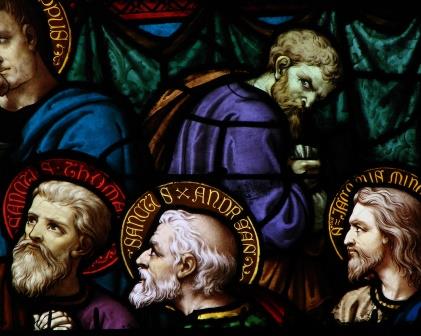
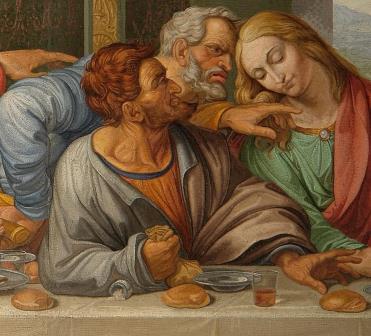
 The term “Spy” Wednesday is probably an allusion to Christ’s betrayal by Judas.
In the ancient Roman Church at the time of St. Pope Leo I, “the Great” (+461), there was no Mass during the day. Instead, many of the feria days were without Mass. There would be gatherings at “station” churches, however, where there would be vigils with preaching. We have sermons of Leo the Great preached on several of these Wednesdays of the 6th Week, the day before the Triduum. Mass would be offered at St. Mary Major in the evening, as if to entrust all that had been brought from Lent as well as everything upcoming to the Mother of God for its perfection.
This prayer was the Collect for this same day in the 1962 Missale Romanum. It was also in the ancient Gregorian Sacramentary in both the Hadrianum and Paduense manuscripts.
This is the final Collect before the Triduum. It serves as a summation and a starting point.
COLLECT
Deus, qui pro nobis Filium tuum crucis patibulum subire voluisti, ut inimici a nobis expelleres potestatem, concede nobis famulis tuis, ut resurrectionis gratiam consequamur.
This is an austere prayer, a razor, cutting to the heart of the matter.
The impressive and informative Lewis & Short Dictionary informs us that patibulum (deriving from pateo, “to open, stretch out, extend”) is “a fork-shaped yoke, placed on the necks of criminals, and to which their hands were tied; also, a fork-shaped gibbet”. In turn, English “gibbet” means “an upright post with a projecting arm for hanging the bodies of executed criminals as a warning”.
The patibulum is “the stretcher”, and not in the carrying sense.
The verb subeo in its basic meaning is “to come or go under any thing” and by logical extension “to subject one’s self to, take upon one’s self an evil; to undergo, submit to, sustain, endure, suffer”. The L&S explains that “The figure taken from stooping under a load, under blows, etc.)” There are other shades of meaning, including “to come on secretly, to advance or approach stealthily, to steal upon, steal into”. Keep this one in mind.
Consequor is interesting. It signifies “to follow, follow up, press upon, go after, attend, accompany, pursue any person or thing” and then it extends to concepts like “to follow a model, copy, an authority, example, opinion, etc.; to imitate, adopt, obey, etc.” and “to reach, overtake, obtain”. Going beyond even these definitions, there is this: “to become like or equal to a person or thing in any property or quality, to attain, come up to, to equal (cf. adsequor).” I know, I know – mentio non fit expositio. Still it is helpful to make connections in the words, which often have subtle overlaps.
Remember that meaning of subeo, above? There are shades of “pursuit” and “imitation” in the prayer’s vocabulary.
Finally, a gratia is a “favor” or “reward”, but we Christians hear in it God’s freely given gift to us which we don’t on our own merits deserve.
WDTPRS LITERAL TRANSLATION:
O God, who desired Your Son to undergo on our behalf the yoke of the Cross so that You might drive away from us the power of the enemy, grant to us Your servants, that we may attain the grace of the resurrection.
CURRENT ICEL:
O God, who willed your Son to submit for our sake
to the yoke of the Cross,
so that you might drive from us the power of the enemy,
grant us, your servants, to attain the grace of the resurrection.
By our sins we are in the clutches of the enemy, who mercilessly attacks us.
Christ freed us from dire consequences of slavery to sin by His Passion.
The ancient Romans forced their conquered foes pass under a yoke (iugum), to show that they were now subjugated.
Their juridical status changed by that “going under”.
Christ went under the Cross in its carrying and then underwent the Cross in its hideous torments.
In his liberating act of salvation, we passed from the servitude of the enemy to the service of the Lord, not as slaves, but as members of a family.
We are not merely household servants (famuli), we are accorded the status of children of the master of the house, able to inherit what He already has.
So, there’s that Collect.
However, at the end of the ferial Masses during Lent and Passiontide we have also had a final final Collect in the guise of the Oratio super populum, the Prayer over the People. This is the last oration of the Mass before the Triduum begins. It lines up well with the Collect we looked at, above.
Réspice, quaésumus, Dómine, super hanc famíliam tuam, pro qua Dóminus noster Iesus Christus non dubitávit mánibus tradi nocéntium, et Crucis subíre torméntum:
Even more than the 2nd Collect from the Spy Wednesday Mass, above, this oration serves as a summing up of all of Passiontide as well as the stepping off point for the whole of the Triduum. This oration will be repeated throughout the Triduum at the end of Tenebrae and in other moments such as in the much abbreviated, austere prayers at table for meals during the Triduum.
You already the vocabulary notes for subeo, above.
Bl. Ildefonso Schuster writes of this terse prayer…
The Blessing over the people is so beautiful that the Church uses this collect during the three following days at the conclusion of each hour of the divine office: “Look down, we beseech thee, upon this thy family, for which our Lord Jesus Christ hesitated not to be delivered up into the hands of wicked men and to undergo the torment of the cross.” There is no better way of moving our heavenly Father to pity for us than by reminding him of the Passion of his only-begotten Son, and more especially of the immense love with which he loved us.
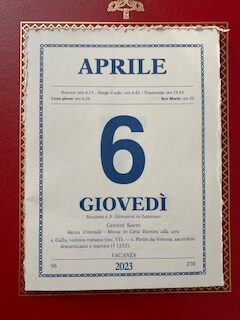 On this anniversary of the Eucharist and Priesthood, the Roman sunrise was at 6:43. The sunset will be at 19:43, when we will be deep into our solemn rites and then Tenebrae. The Ave Maria should ring at 20:00. The Moon is full. The Roman Station is St. John Lateran. It is, among others, the feast of St Galla.


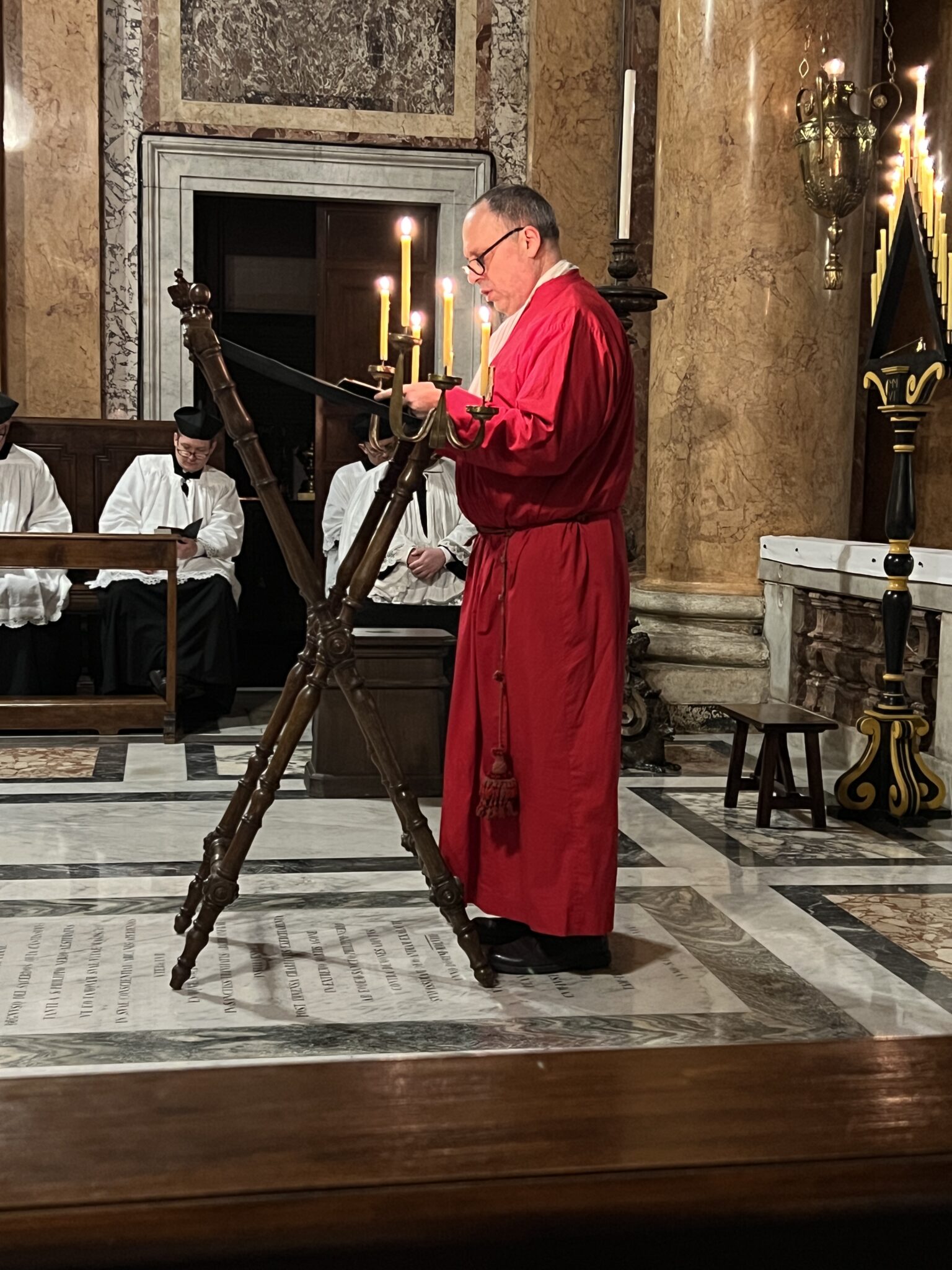
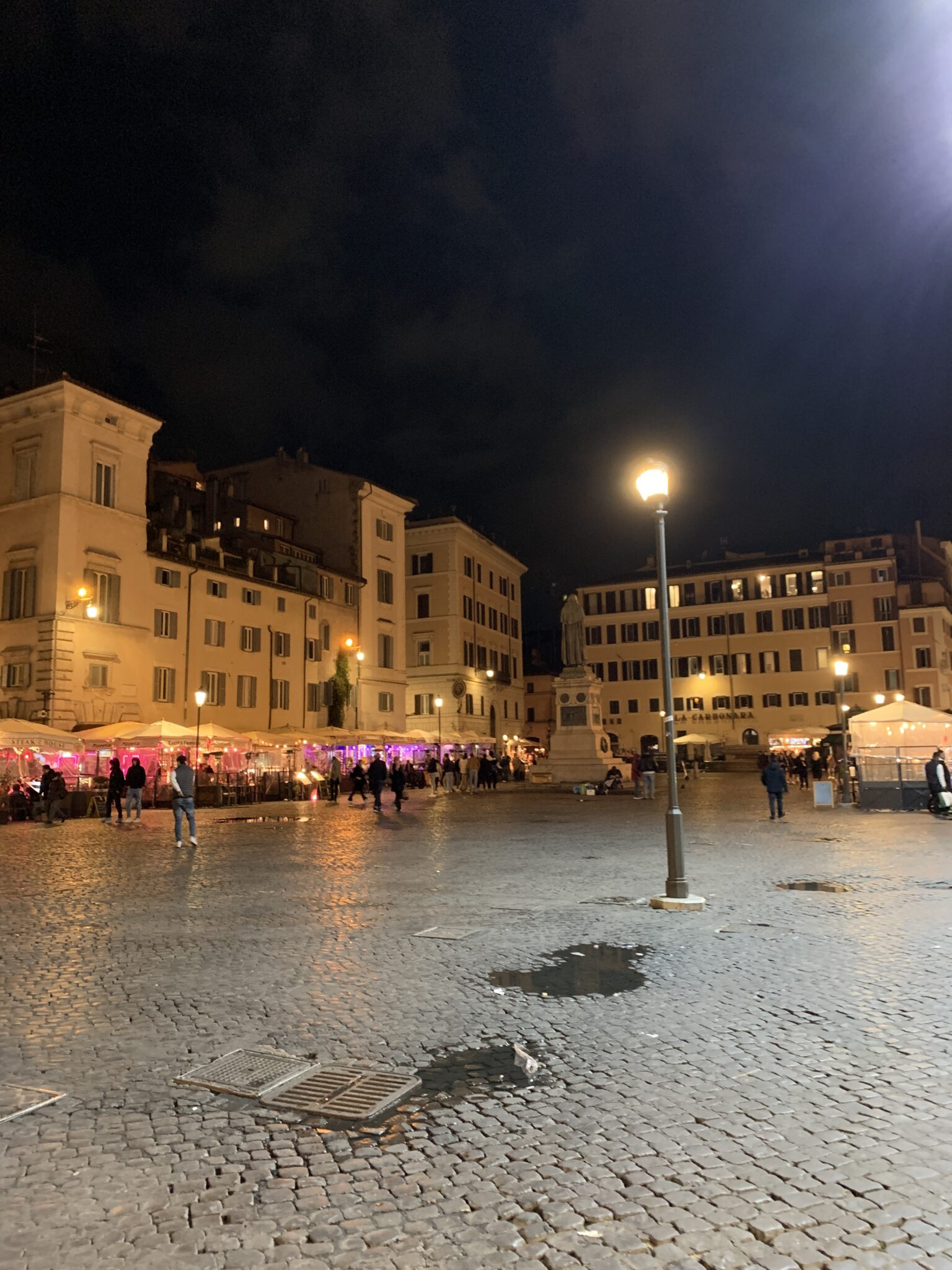



 The Roman sunrise, had it been seen through the clouds, was at 6:45, about the time I left for church. The sunset is slated for 19:42. The Ave Maria bell should ring at 20:00.



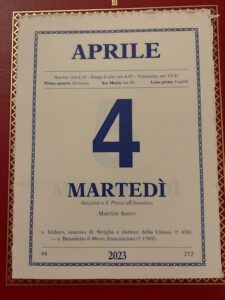 The sunrise in Rome was 0647 and the sun just set at 1941. The Ave Maria is at 2000.
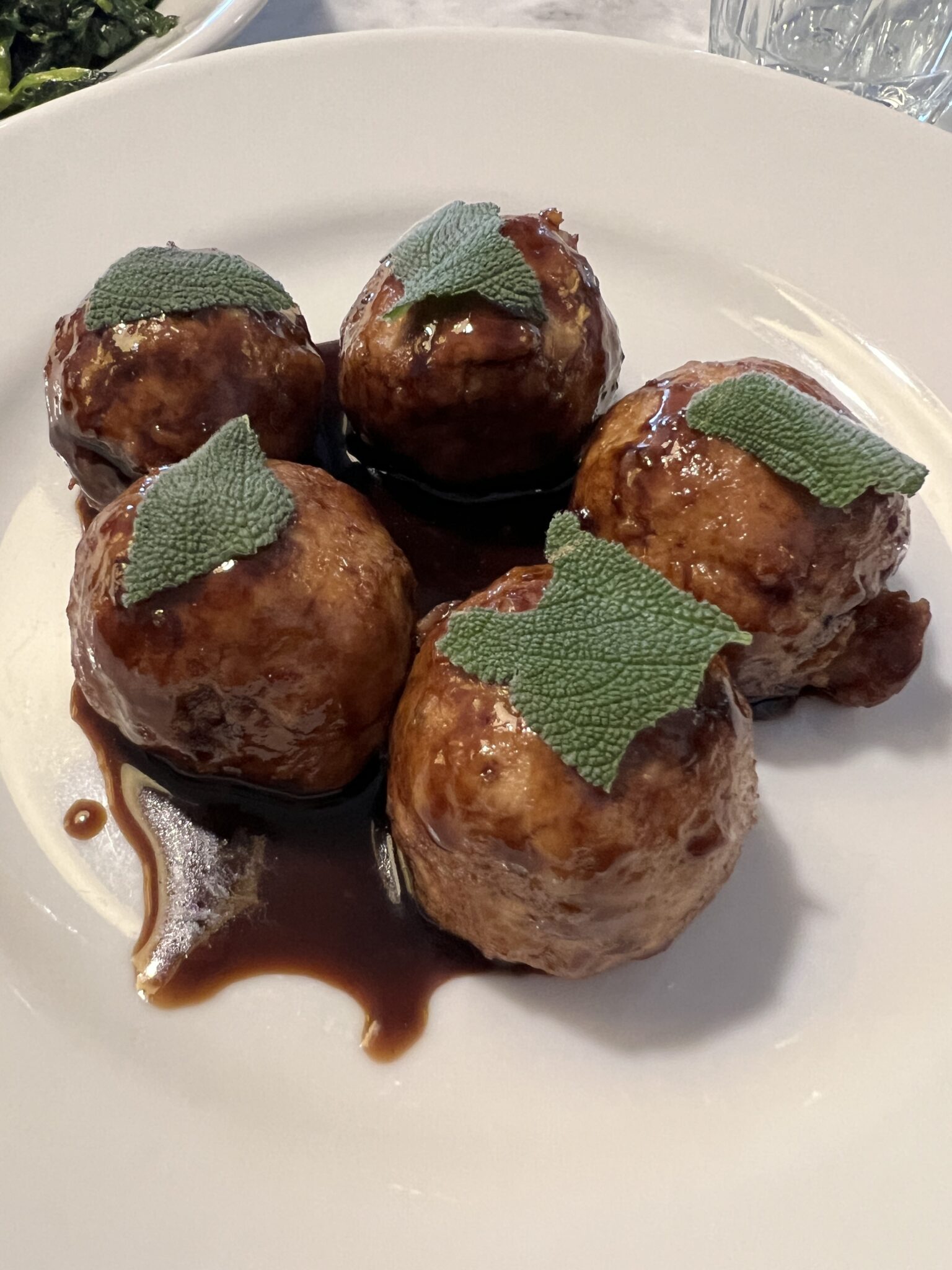
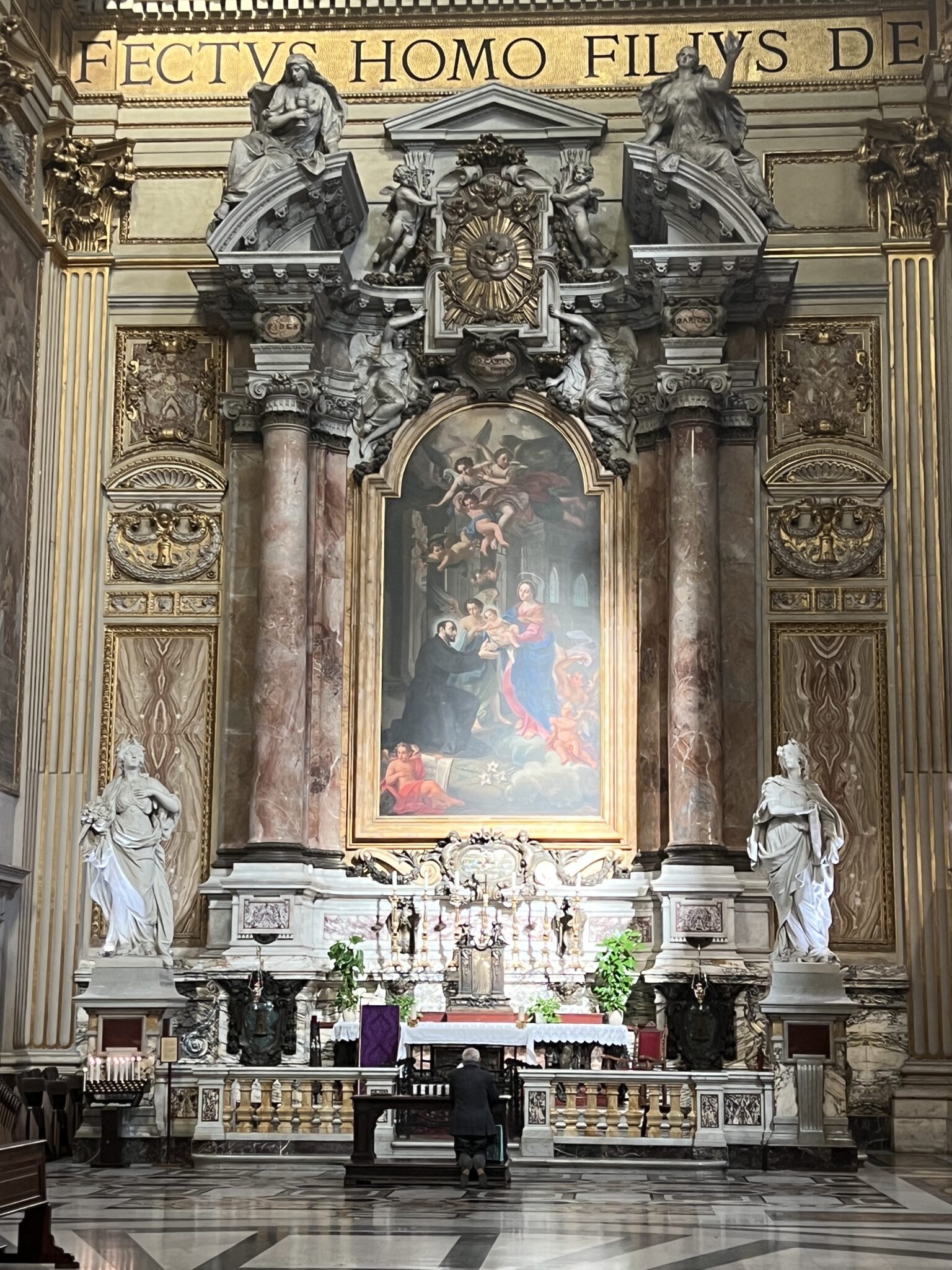
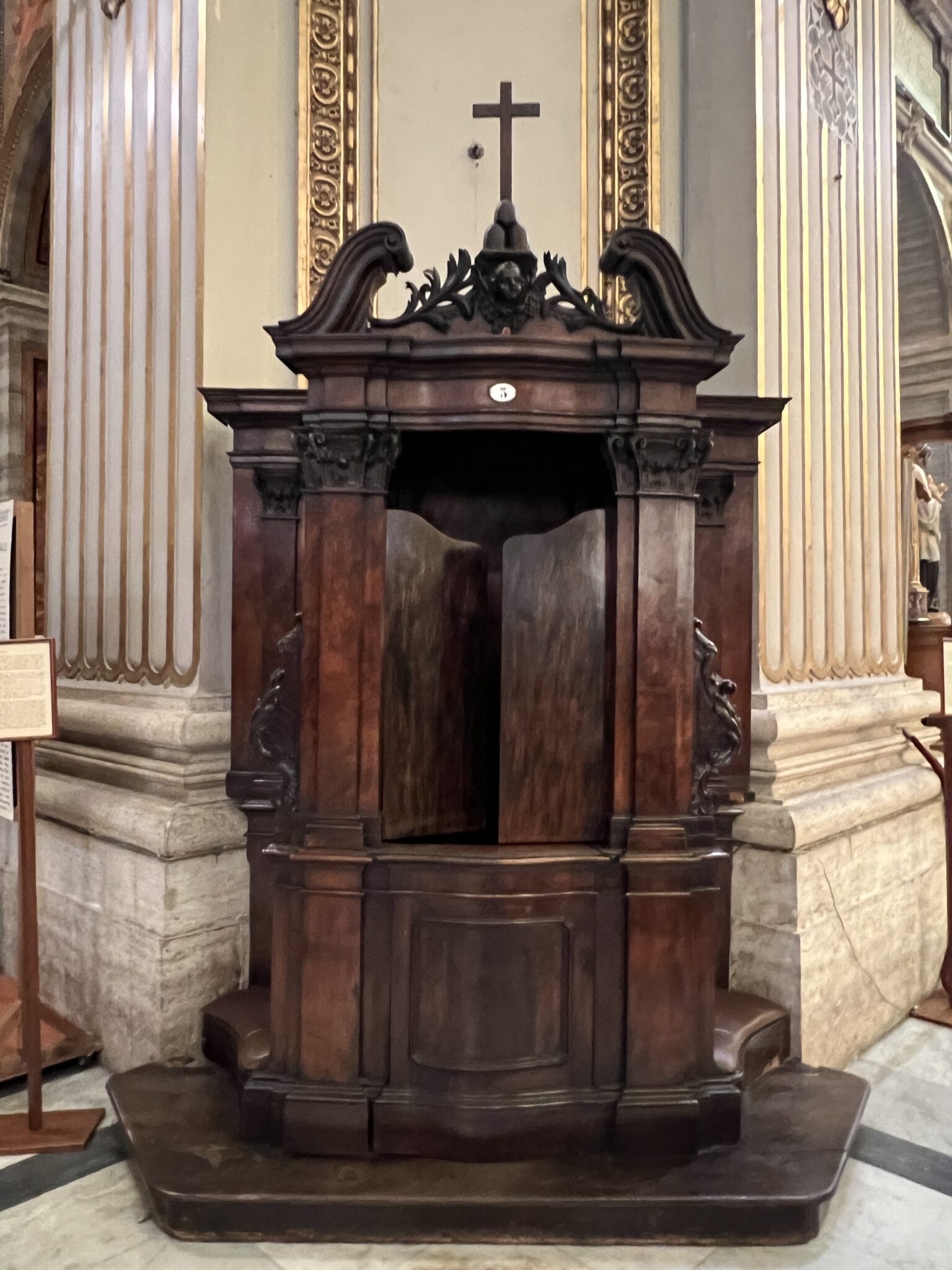
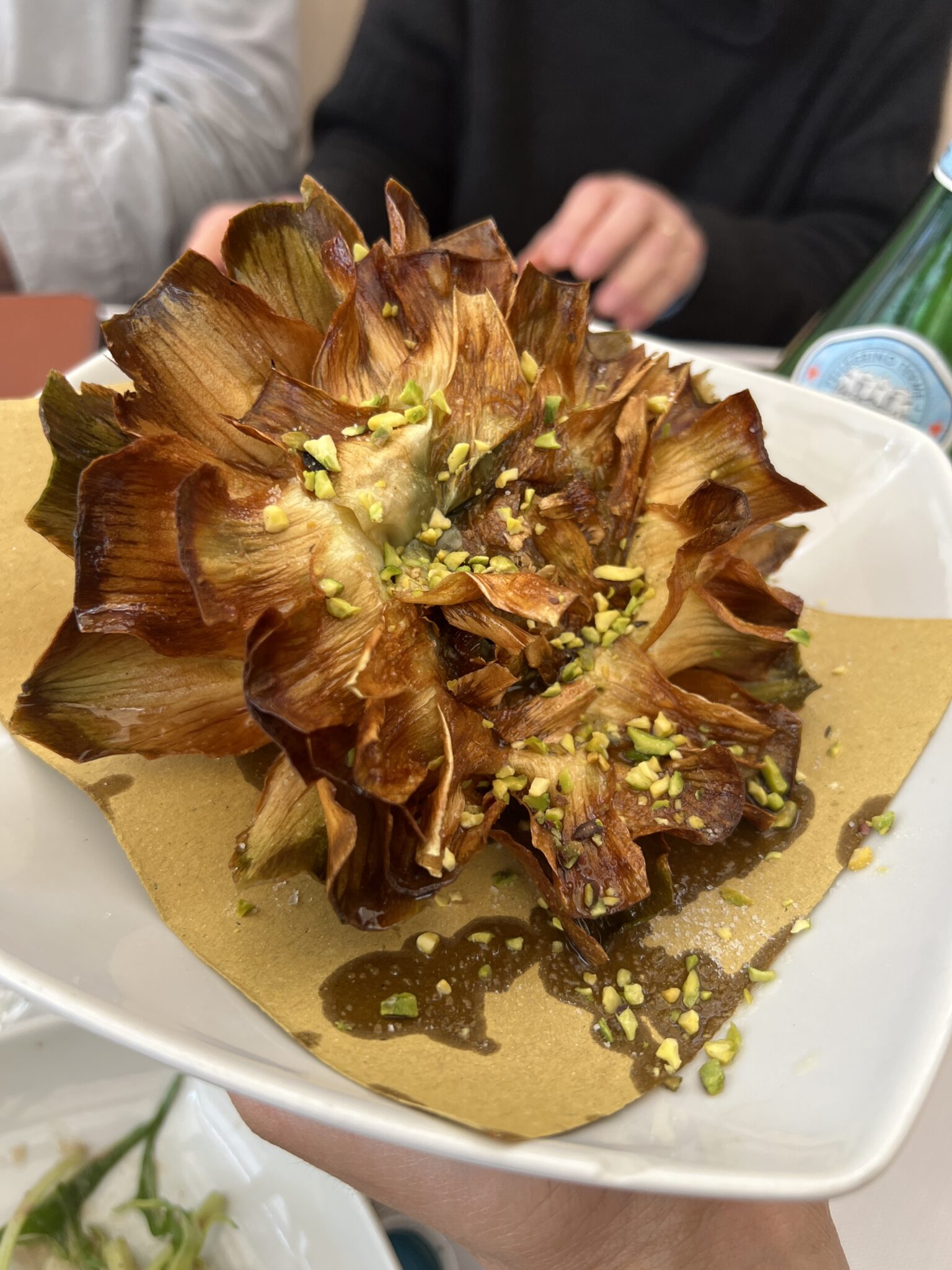
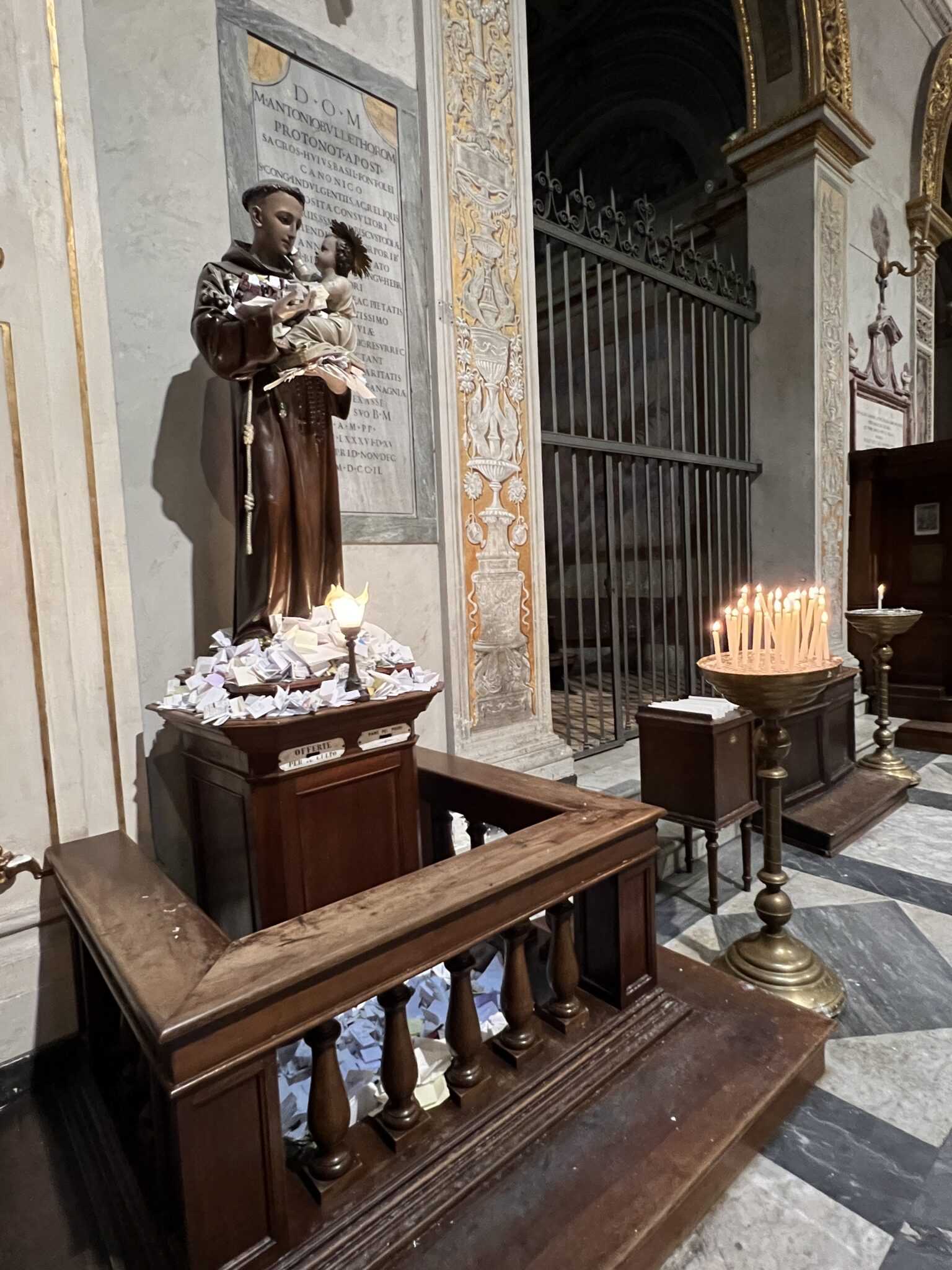
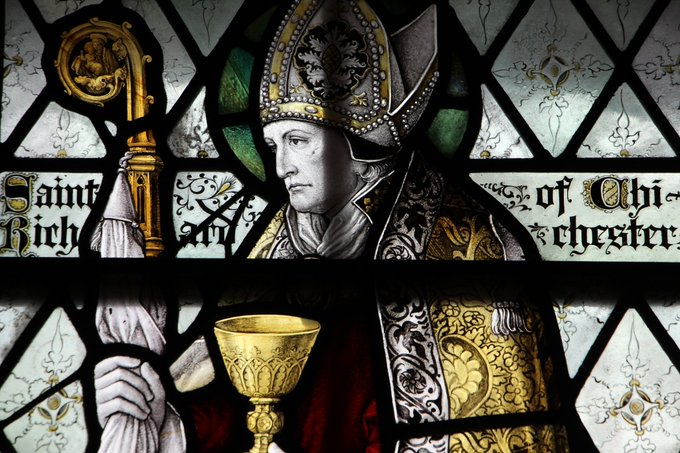
 The City saw a 6:48 sunrise and will have its sunset at 19:40. The Ave Maria bell is to ring at 20:00. The full moon is coming: 6 April: important for the dating of Easter, of course. It is the Feast of Sixtus I and of St. Richard of Chichester. The later always makes me think of the limerick my old pastor had in his back pocket for this day. Posted earlier.
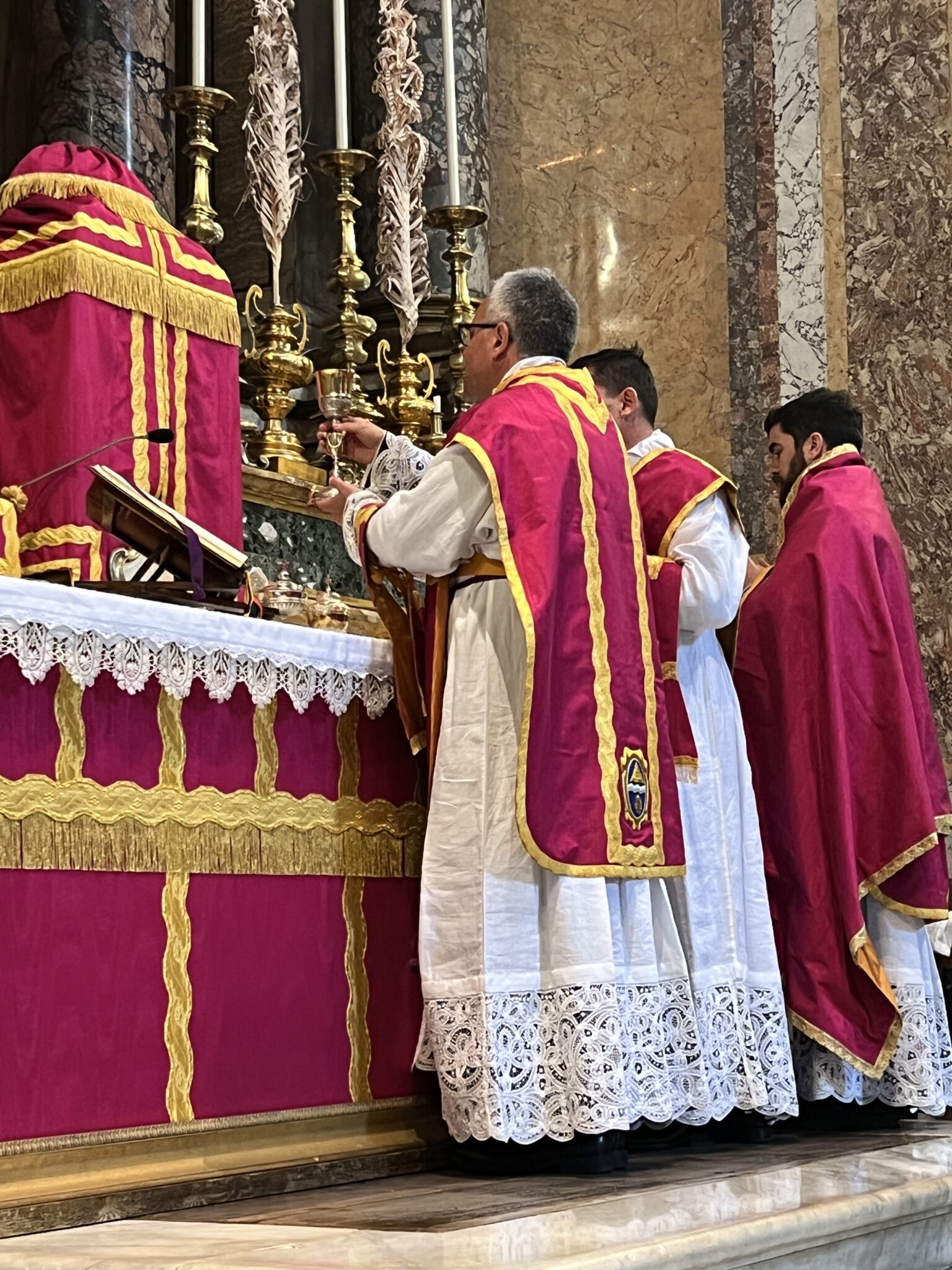
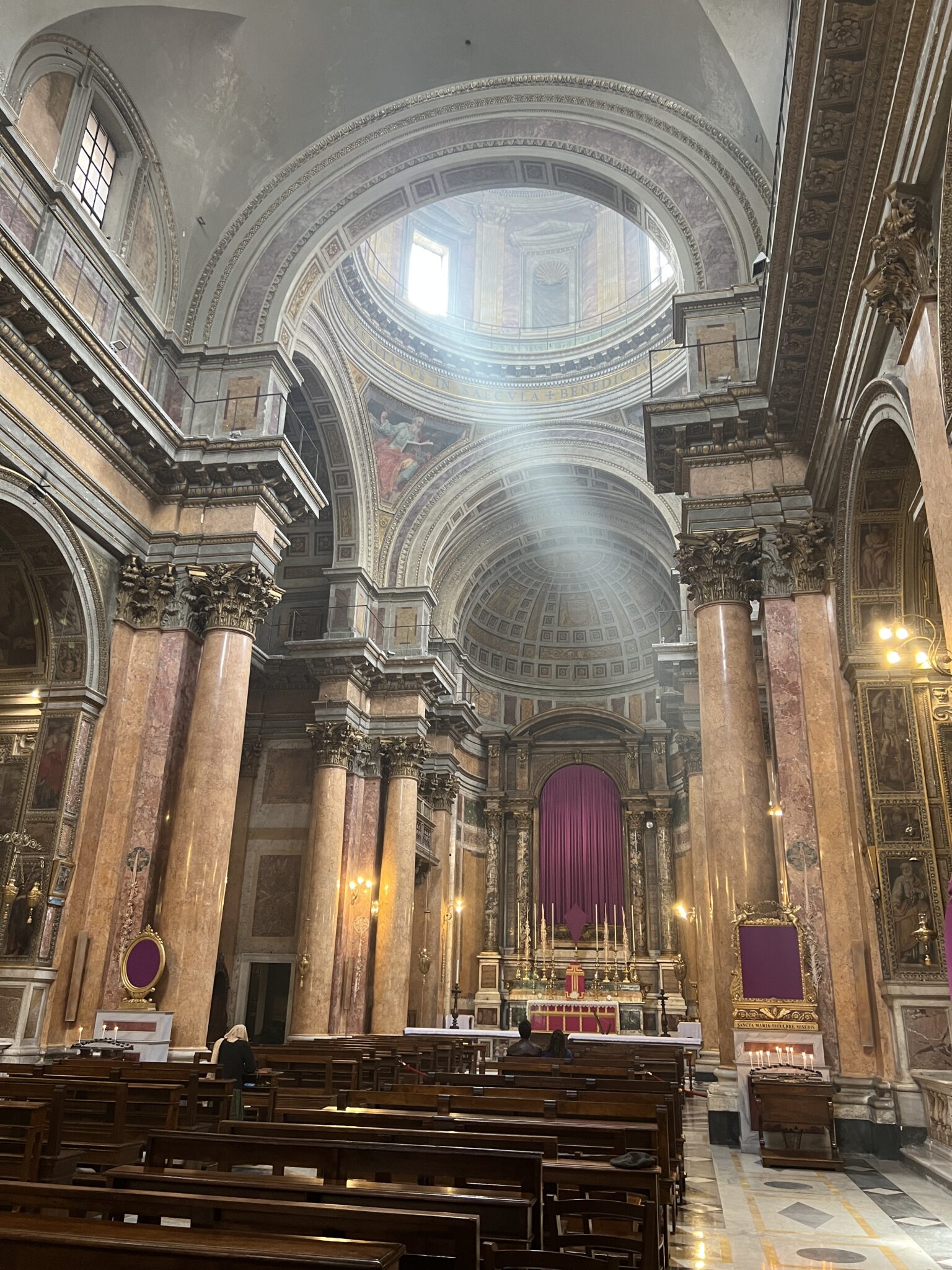



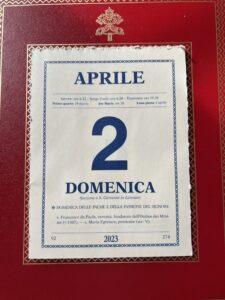
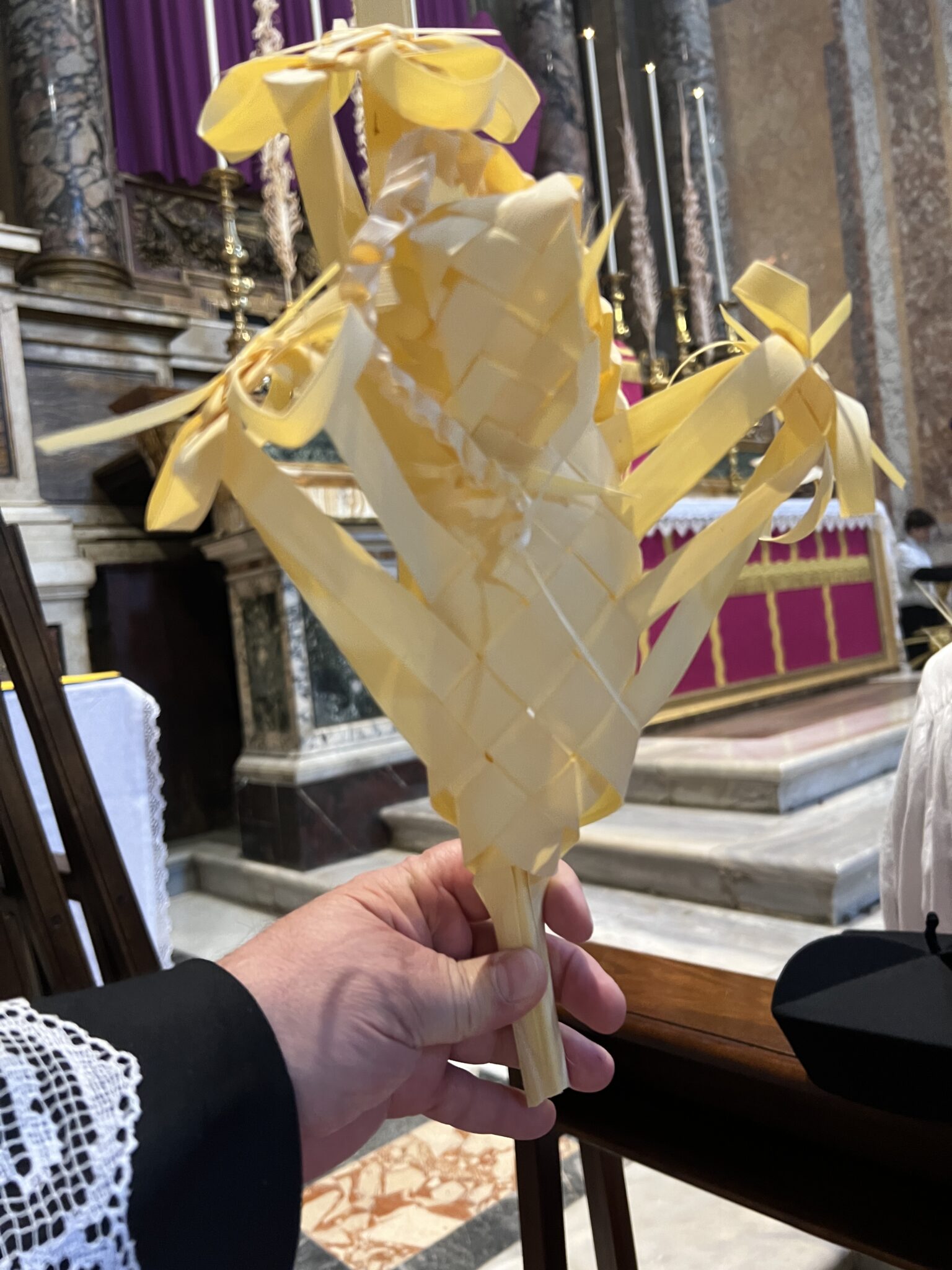
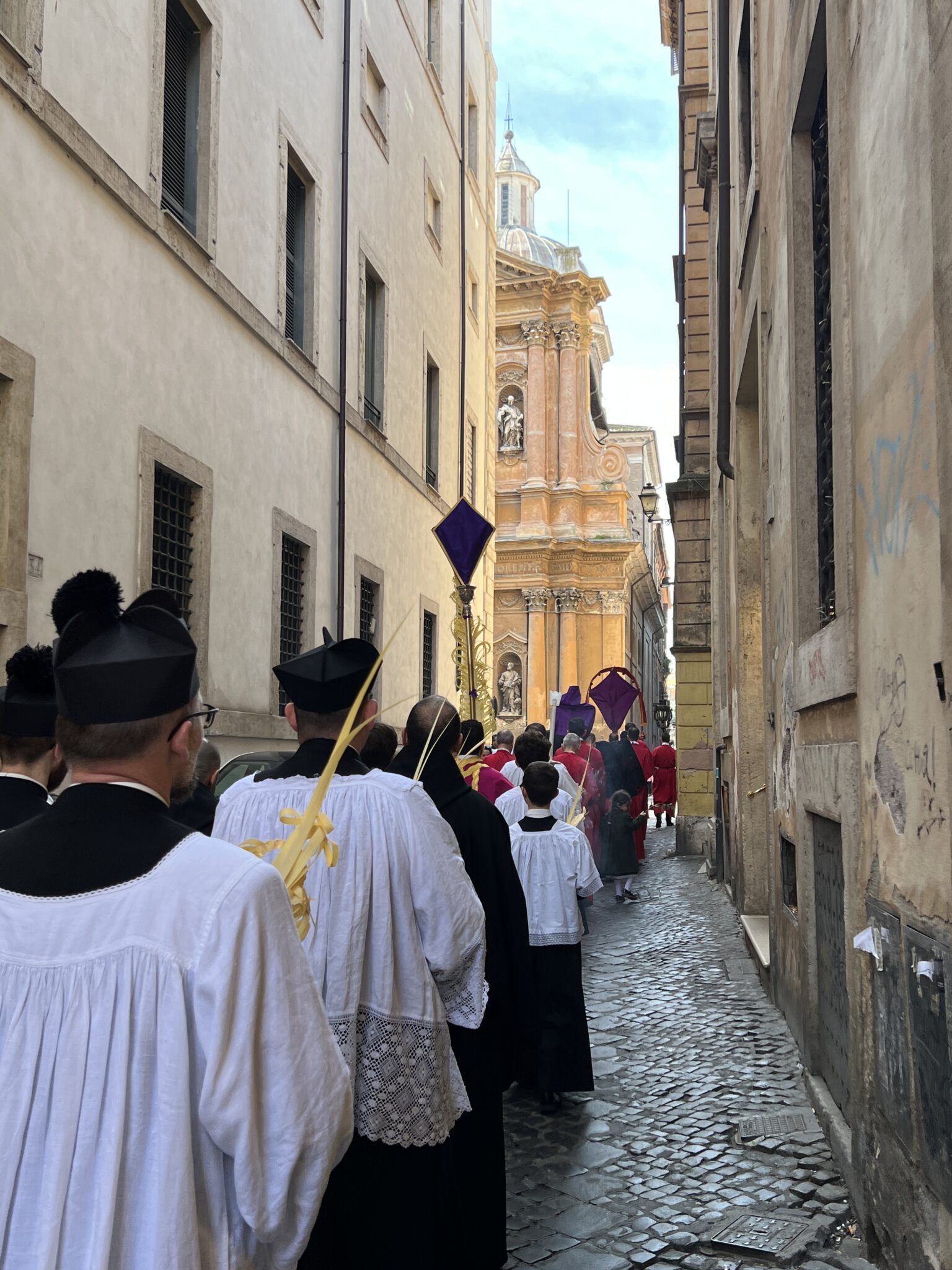
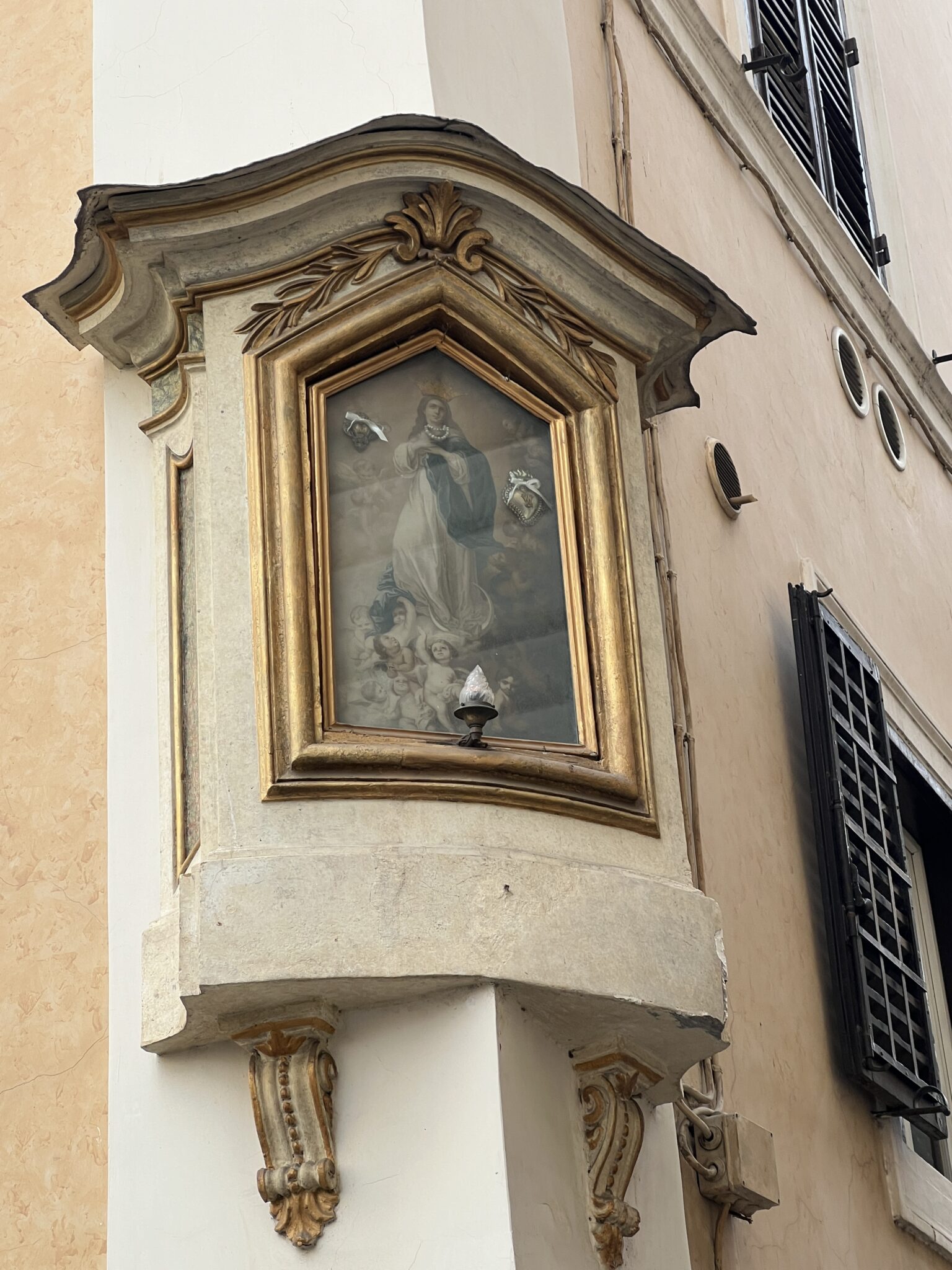
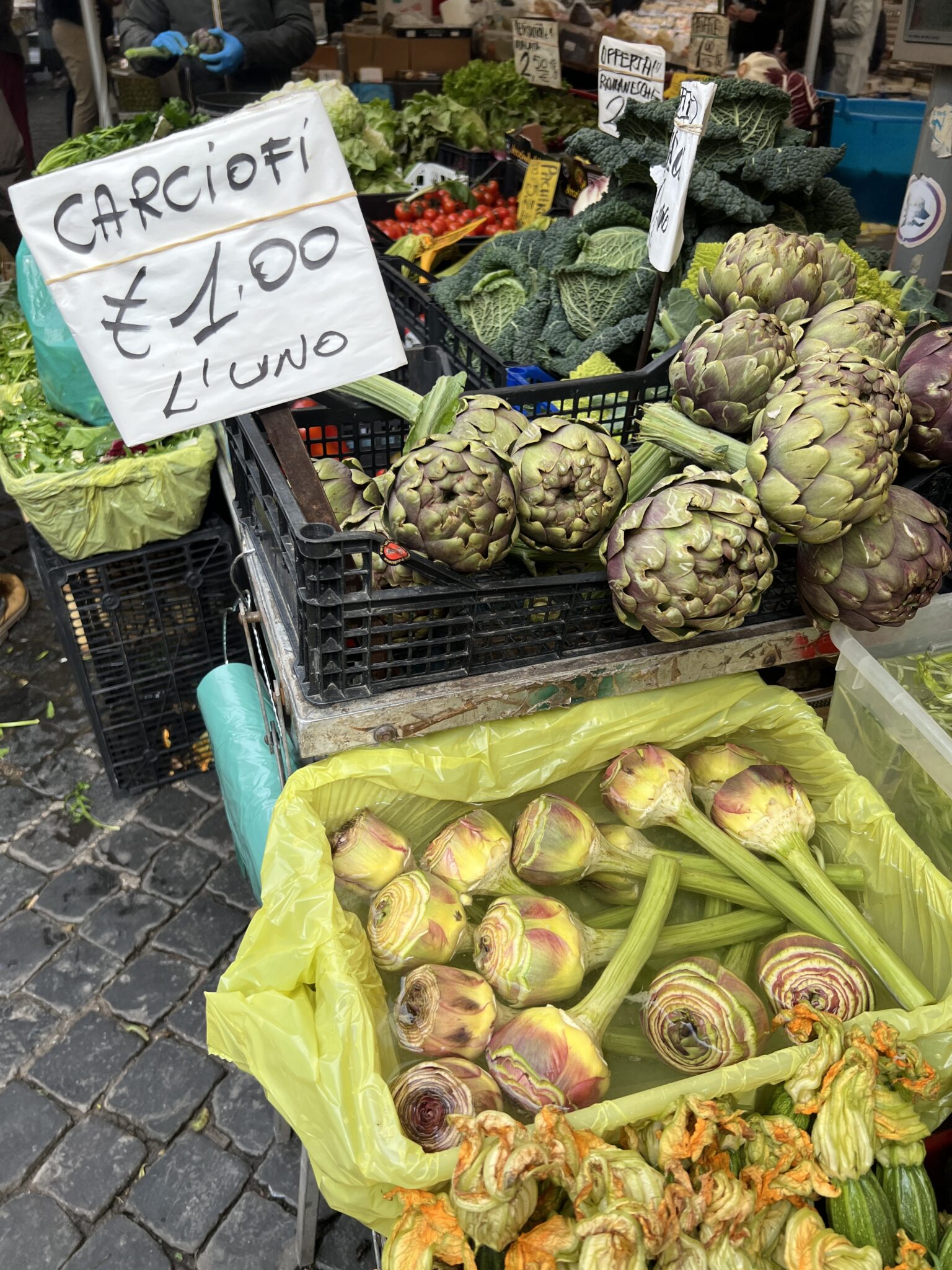
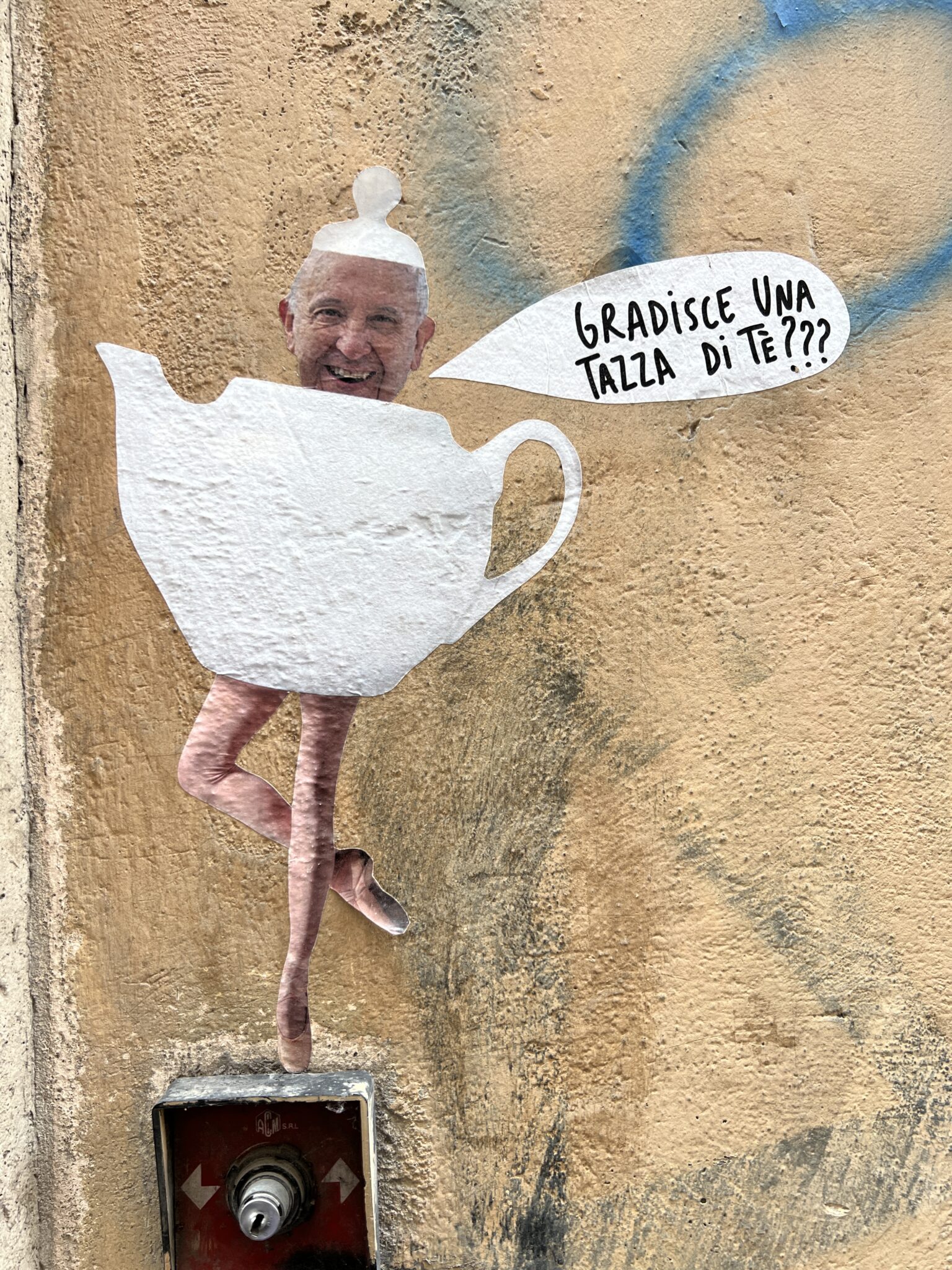
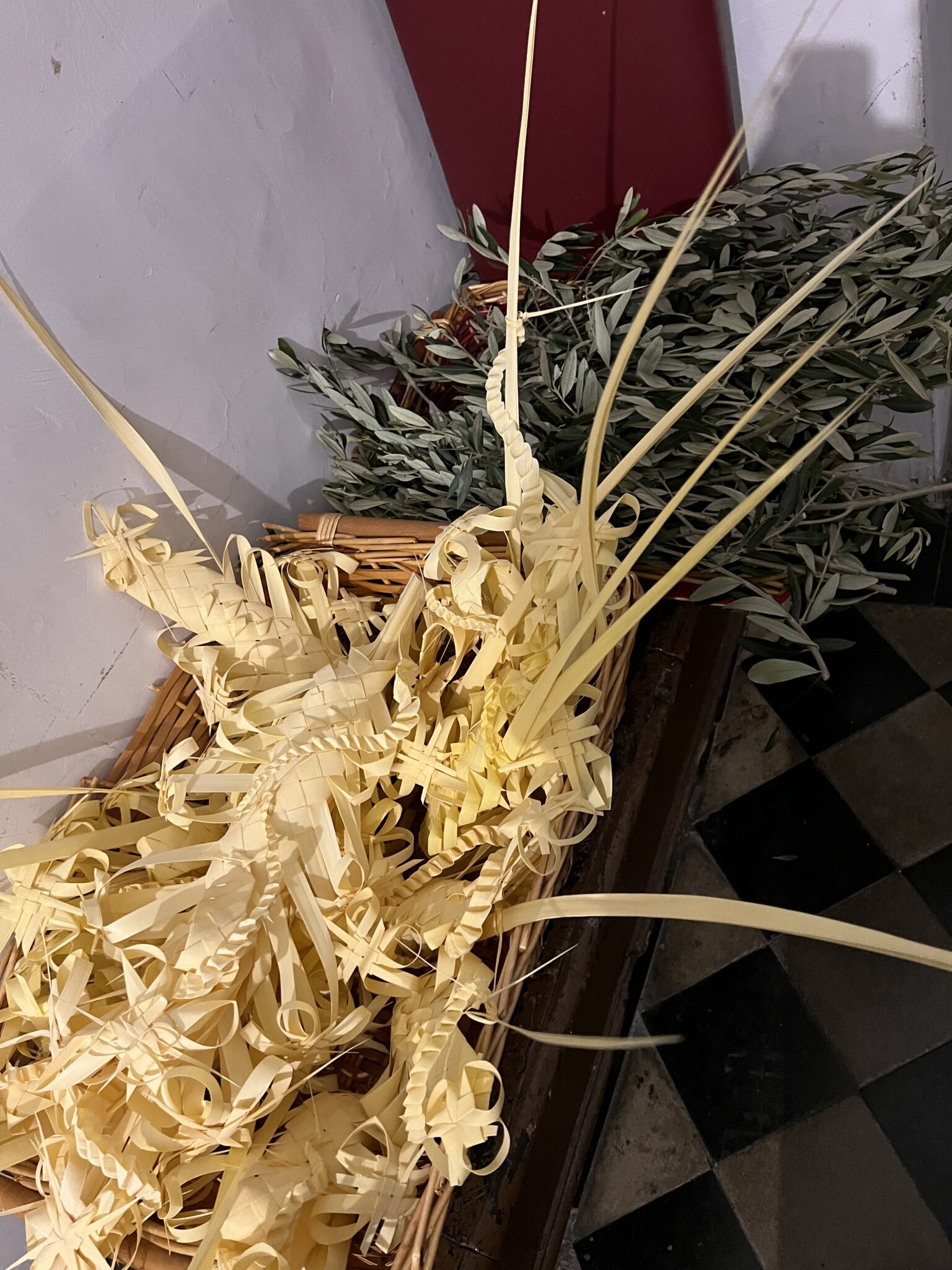
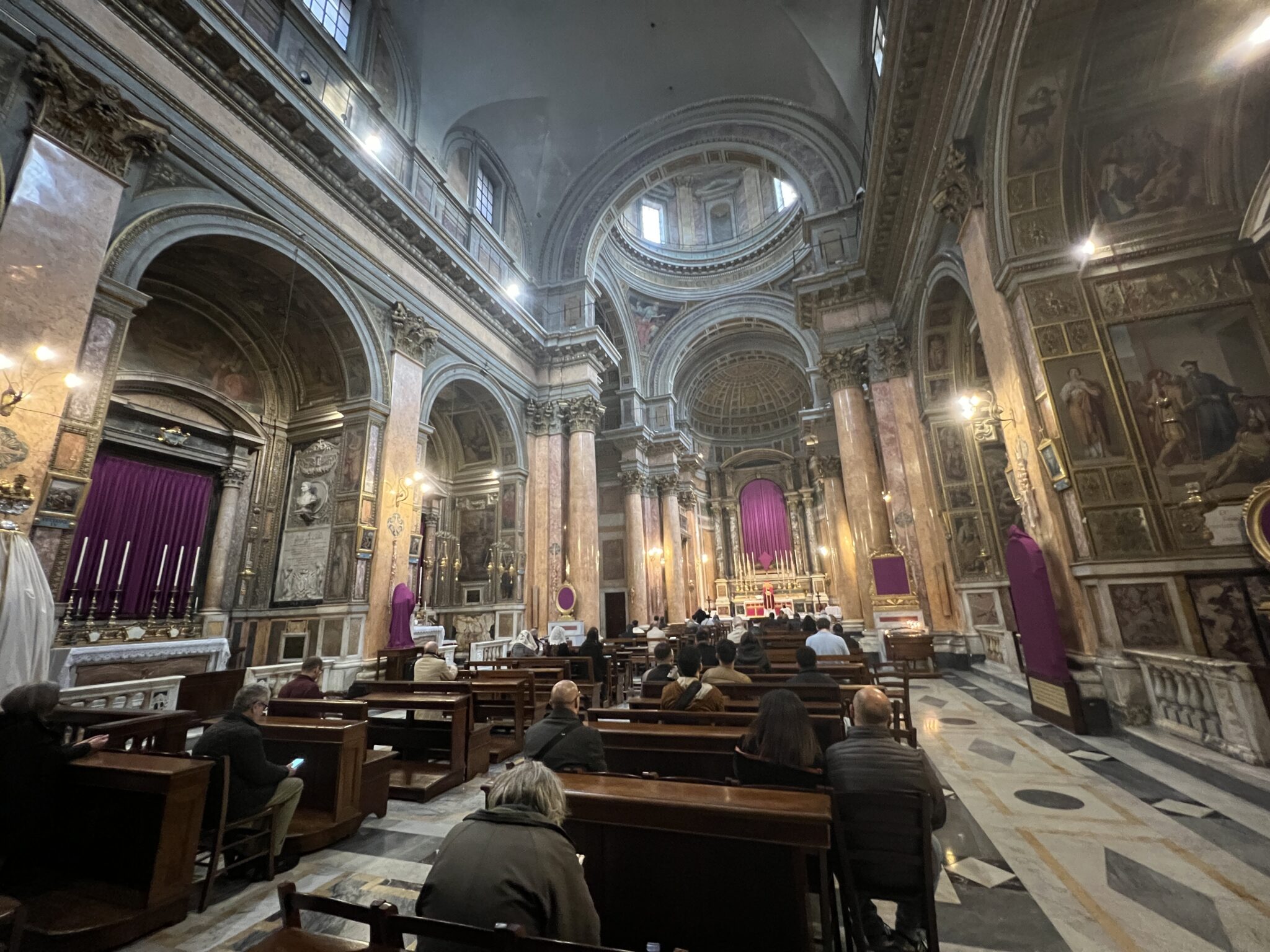
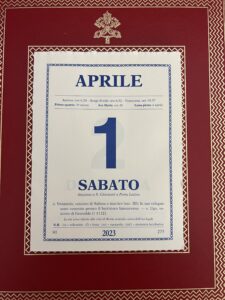 At last I – we (I am with friends) – are in Rome.





 David on 11 October: Maternity of Mary. A tale of an antiphon, image, and a little street chapel.: “Father, there is a lovely setting of this antiphon in Catholic polyphony by the great Spanish Renaissance composer Cristóbal de…”



























