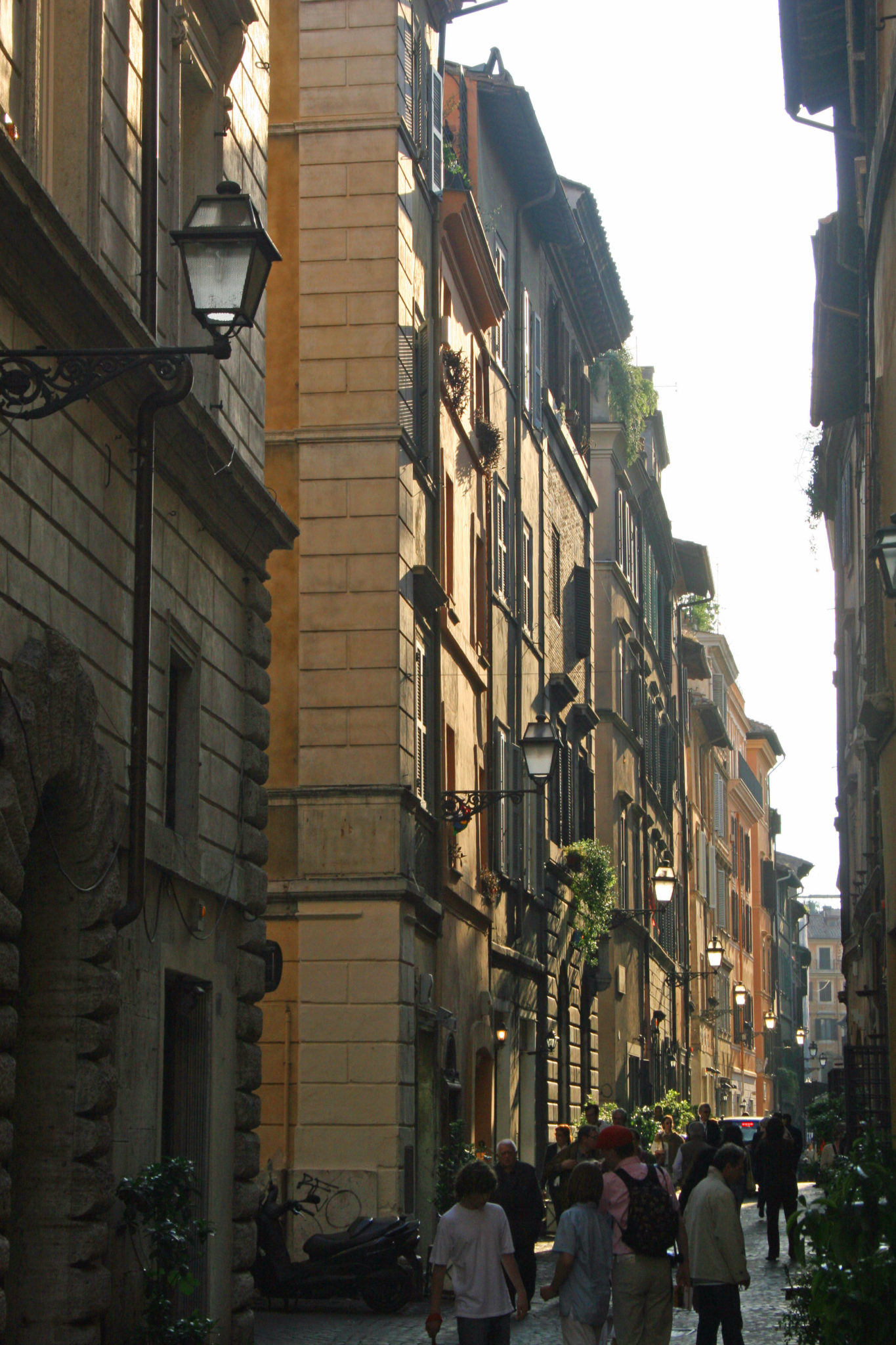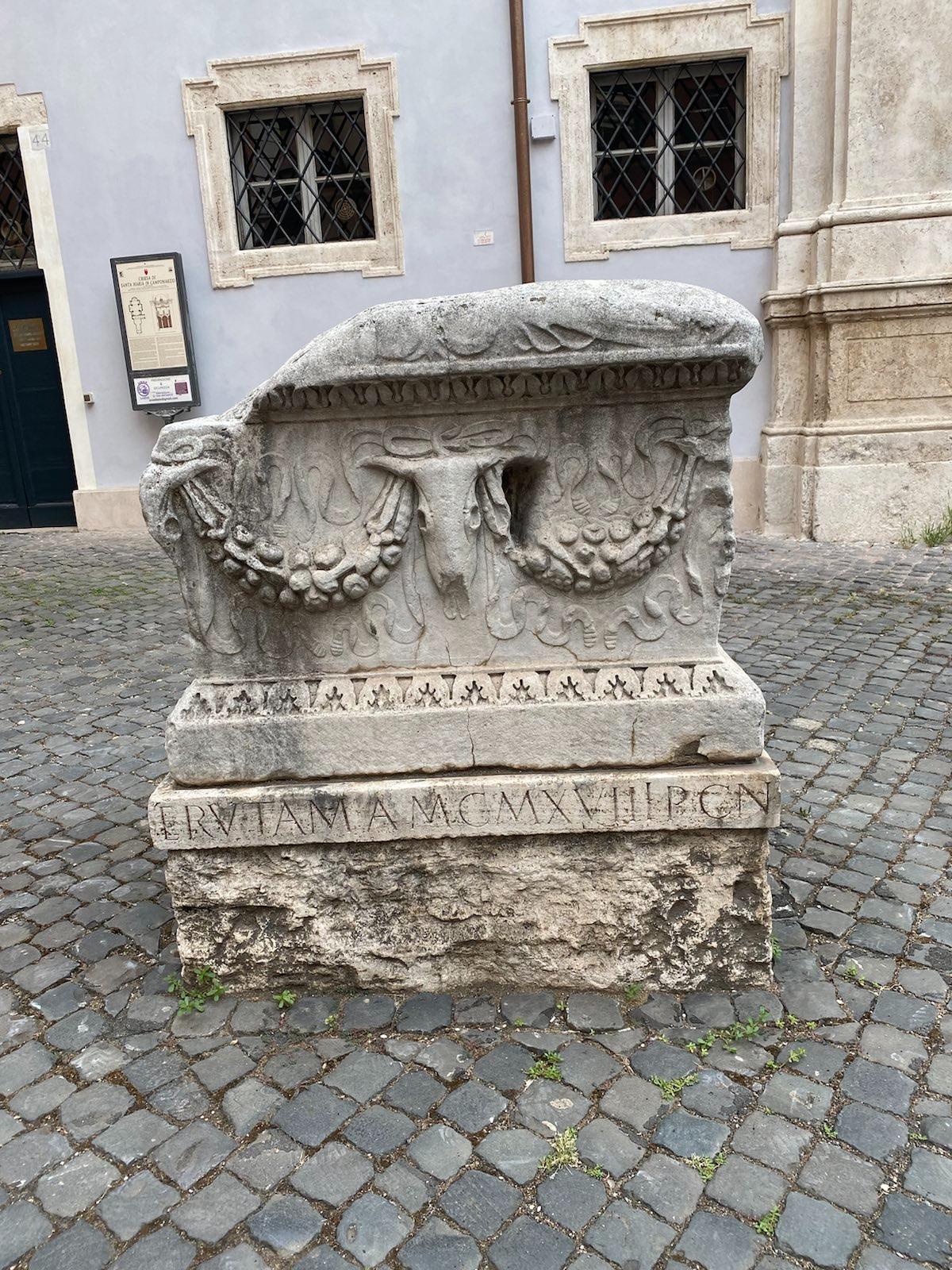
Photo by The Great Roman™
Because you are readers here, drop my name and get 10% off. Use the code:
FATHERZ10
Photo by The Great Roman™
Because you are readers here, drop my name and get 10% off. Use the code:
FATHERZ10
 From a reader…
QUAERITUR:
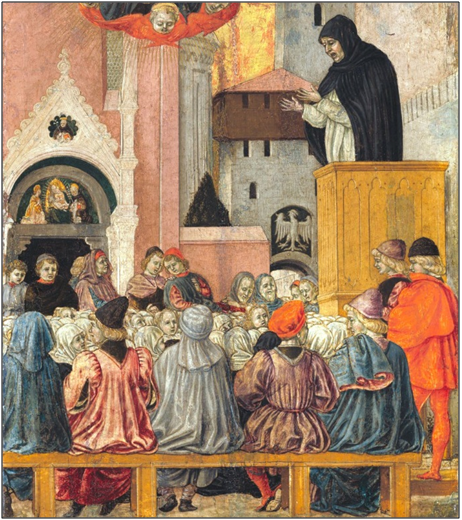
Our pastor is a wonderful, faith-filled priest who absolutely loves the traditional liturgy. We are lucky to have him. He’s also a magnificent preacher.
However, I’ve noticed he sometimes doesn’t preach at Sunday Mass. Even though he is really good at it, he has admitted that it is exhausting for him and he really doesn’t like it. Of course we only attend one Mass on Sundays, so I can’t say for sure if he doesn’t preach at all the Sunday Masses, or just the one we attend. And it’s not every Sunday. Just every so often.
Some fellow parishioners and I have grown concerned that he may be violating Canon Law by not preaching at Mass on Sundays. As far as we laymen understand, it’s required at Mass on Sundays by the pastor.
Is there something we don’t understand in this situation? And if our pastor is doing something incorrect, how do we approach him about it?
Here’s what the 1983 Code says in Can. 767
§2. A homily must be given [habenda est] at all Masses on Sundays and holy days of obligation which are celebrated with a congregation, and it cannot be omitted except for a grave cause. [nec omitti potest nisi gravi de causa]
§3. It is strongly recommended that if there is a sufficient congregation, a homily is to be given even at Masses celebrated during the week, especially during the time of Advent and Lent or on the occasion of some feast day or a sorrowful event.
§4. It is for the pastor or rector of a church to take care that these prescripts are observed conscientiously.
My initial reaction is to muse, with St. Augustine, about Father’s preaching. Your feedback is different from the complaint Augustine received from some preaching in his day. To wit:
“You have had to acknowledge and complain that often, because you talked too long and with too little enthusiasm, it has befallen you to become commonplace and wearisome even to yourself, not to mention him whom you were trying to instruct by your discourse, and the others who were present as listeners.”
You say that Father is a good preacher, so that’s out. Nevertheless, we who step into the pulpit can all take that to heart.
Preaching comes easier to some than to others. Augustine addresses this in Book IV of De doctrina christiana. For some it just flows and for others it’s like pulling your own teeth. I have known priest who suffer from real “stage fright”. They man up.
The Council of Trent in Session 24 demands something that goes back long before Trent, that is, preaching saltem diebus dominicis et solemnibus festis… at least on Sunday and solemn feasts. At least, not “only” and not, “if you want”.
Vatican II’s Sacrosanctum Concilium 52 says: “at those Masses which are celebrated with the assistance of the people on Sundays and feasts of obligation, [a homily] should not be omitted except for a serious reason.”
Look familiar? Can. 767 §2 was taken from SC 52.
So, Father may not, except for a grace reason, omit preaching on Sunday. The Canon says, “all Masses” on Sundays. Not some.
What could be a grave reason?
Bombs are falling. There is an invading swarm of locusts. The church is on fire. An altar boy is on fire. FATHER is on fire.
Father feeling ill could be a reason. If Father is frail and preaching is so exhausting that he can then barely get through Mass, that could be a grave reason. Even then, he could probably manage to say something.
Nothing in can. 767 determines how long, how loud, or how involved the sermon must be. Short sermons can be good things. Looooong sermons can be good things. Too long sermons are too long. How do we determine how long is too long? Father’s of the Church could go on for a couple hours at a time. The congregation didn’t have iPhones and therefore they had attention spans longer than rabid squirrels.
Not liking to preach is not a grave reason, unless that dislike is so overwhelming that it renders Father unconscious. I suggest then that he needs help.
No, Father needs to preach on Sundays. It his duty and privilege unless there is some grave cause. He should fulfill his task, diebus saltem dominicis.
How do you approach him?
You might jot down what you find in Trent, Session 24 – look it up in English, the 1983 Code, Sacrosanctum Concilium 52, and…
… let him take to heart the approach of St. John Chrysostom:
“Preaching improves me. When I begin to speak, weariness disappears; when I begin to teach, fatigue too disappears. Thus neither sickness itself nor indeed any other obstacle is able to separate me from your love….For just as you are hungry to listen to me, so too I am hungry to preach to you. My congregation is my only glory, and every one of you means more to me than anyone of the city outside….Oftentimes in my dreams I see myself in the pulpit speaking to you.”
 … please resend and speak a little louder and more distinctly. Some words dropped out and I couldn’t get the sense of what you were saying.
All… I do have voicemail.

WDTPRS

020 8133 4535

651-447-6265
Today is the 2nd Anniversary of a Day That Will Live In Infamy, the horrific demon idol ceremony in the Vatican Gardens, near to where the Grotto of Our Lady of Lourdes is, as the Amazon Synod (“walking together”) was to open.
HERE with video of the whole grisly thing.
You will remember the displays in the church dedicated to Our Lady of Mount Carmel (insulted again this year), the ubiquitous presence of the demon idol and bold attempts to protest, the placing of a demon idol cult bowl on the altar of St. Peter’s.

Was there a GOOD point made in the sermon you heard at the Mass for your Sunday (obligation or none), either live or on the internet? Let us know what it was.
Too many people today are without good, strong preaching, to the detriment of all. Share the good stuff.
What was attendance like?
Tell about attendance especially for the Traditional Latin Mass. I was getting reports that it was way up.
Was the Motu Proprio mentioned? Any local changes or news?
For those of you who regularly viewed my live-streamed daily Masses – with their fervorini – for over a year, you might drop me a line.
I have some remarks about the TLM – HERE
Photo by The Great Roman™
Because you are readers here, drop my name and get 10% off. Use the code:
FATHERZ10
Firstly, animi caussa, 1st Vesper for the 19th Sunday after Pentecost from the Breviarium Romanum. Try HERE
More for the brethren.
Here is something I haven’t posted for a while. It’s from an old prayerbook for priests which I’ve had since before my ordination. These old books are dense with wisdom.
Here are two prayers, in Latin and English, for priests, for before and after they make confession their own confession.
I’ve added accent marks. In the translations I used an archaic style. The content might seem a little flowery in our age of tweets and dumbed-down prose, but… there’s nothing wrong with that! There are a couple tricky bits in the Latin, but I believe I’ve found the right solutions.
In this these troubling times, I suspect many priests, discerning the particular need and/or in good discipline, will seek to make their own confessions soon. I hope these prayers could be of use.
ORATIO ANTE CONFESSIONEM SACRAMENTALEM
Súscipe Confessiónem meam, piísime ac clementíssime Dómine Iesu Christe, única spes salútis ánimae méae, et da mihi, óbsecro, contritiónem cordis, et lácrimas óculis meis, ut dé?eam diébus ac nóctibus omnes neglegéntias meas cum humilitáte et puritáte cordis. Dómine, Deus meus, súscipe preces meas. Salvátor mundi, Iesu bone, qui te crucis morti dedísti, ut peccatóres salvos fáceres, réspice me míserum peccatórem invocántem nomen tuum, et noli sic atténdere malum meum, ut obliviscáris bonum tuum; et si commísi unde me damnáre potes, tu non amisísti, unde salváre soles. Parce ergo mihi, qui es Salvátor meus, et miserére peccatríci ánimae meae. Solve víncula eius, sana vúlnera. Emítte ígitur, piíssime Dómine, méritis puríssimae et immaculátae semper Víriginis Genitrícis tuae Maríae, et Sánctorum tuórum, lucem tuam, veritátem tuam in ánimam meam, quae omnes deféctus meos in veritáte mihi osténdat, quos confitéri me opórtet, atque iuvet et dóceat ipsos plene et contríto corde explicáre. Qui vivis et regnas Deus per ómnia saécula saeculórum. Amen.
Accept my confession, O most merciful and most gentle Lord Jesus Christ, sole hope of the salvation of my soul, and grant to me, Thy priest, I beg, contrition of heart and tears for my eyes, that day and night I might beweep all my failures with humility and purity of heart. O Lord, my God, accept my prayers. Savior of the world, good Jesus, who gave Thyself to the death of the Cross so that Thou mightst make sinners to be saved, look upon me, a miserable sinner invoking Thy Name, and heed not my evil in such a way that Thou shouldst forget Thy goodness. And if I have committed that by which Thou canst condemn me, Thou hast not lost that by which Thou art accustomed to save me. Spare me, therefore, Thou who art my Savior, and be merciful to my sinful soul. Free its bonds, heal its wounds. Hence, most merciful Lord, by the merits of Thy Mother, the most pure and immaculate ever-Virgin Mary, whom Thou didst entrust as a Mother especially to priests, and by the merits of Thy Saints, into my soul send forth Thy light, Thy truth which all my defects require, and assist and teach me to unfold them fully and with a contrite heart. Who livest and reignest, God, forever and ever. Amen.
ORATIO POST CONFESSIONEM
Sit tibi, Dómine, óbsecro, méritis beatae semper Vírginis Genetrícis tuae Maríae et ómnium Sanctórum, grata et accépta ista conféssio mea, et quidquid mihi défuit nunc, et de suf?ciéntia contritiónis, de puritáte et integritáte confessiónis, súppleat píetas et misericórdia tua et secúndum illam dignéris me habére plénius et perféctius absolútum in caelo. Qui vivis et regnas cum Deo Patre in unitáte Spíritus Sancti, Deus, per ómnia saécula saeculórum. Amen.
O Lord, I beseech Thee, by the merits of Thy Mother, the ever-Virgin Mary, and of all the saints, let this my confession to have been pleasing and acceptable to Thee, and whatsoever was now lacking in me and in the sufficiency of my contrition, and in the purity and completeness of my confession, may Thy mercy and compassion make whole and, thereafter, deign to hold me fully and perfectly absolved in Heaven. Who livest and reignest with God the Father in the unity of the Holy Spirit, forever and ever. Amen.
This post is intended for bishops and priests and perhaps seminarians, for now to ponder.
From Ed Pentin…
Germany’s #SynodalWay wants to debate the question of whether priests are still needed, deciding by a narrow majority on Friday that the responsible working group should investigate the question of whether priests are needed in the Catholic Church. https://t.co/Ggcir5kWAK
— Edward Pentin (@EdwardPentin) October 1, 2021
One might turn the sock inside out.
Priests ask, are Germans still needed in the Church?


Coat of Arms by D Burkart
 WVC on ASK FATHER: “Are the faithful who go to the SSPX being sacramentally forgiven in confession, or not?”: “@fac – I don’t believe you’re doing a fair comparison with Henry VIII and the current situation with the SSPX.…”
 on ASK FATHER: “Are the faithful who go to the SSPX being sacramentally forgiven in confession, or not?”: “Highly appreciate this, Father. Here’s a question: what if someone did not believe that Francis was the pope, and instead…”
 on ASK FATHER: “Are the faithful who go to the SSPX being sacramentally forgiven in confession, or not?”: “The last comment grew too long so I am placing this in a new comment: Lastly, the question of this…” on ASK FATHER: “Are the faithful who go to the SSPX being sacramentally forgiven in confession, or not?”: “This is a delicate topic that requires a measure of precision, precisely because it bears directly on the salvation of…”
 on ROME 26/10– Day 15: munch: “acardnal says: Dachshunds Oh yes, still there! I was just there with them both yesterday and, for a while, today.…”
 on ASK FATHER: “Are the faithful who go to the SSPX being sacramentally forgiven in confession, or not?”: “@WVC Yes, thank you, that does help a little. I still am not clear, then, on why all Anglicans were…”
 on ROME 26/10– Day 15: munch: “Truffle mortadella sounds like heaven. A little crema of pistachio pesto and some stracciatella di bufala and all fear of…”
A Daily Prayer for Priests








They find you a pro-life agent in your area who commits to giving a portion of the fee to a pro-life group!

PLEASE subscribe via PayPal if it is useful. Zelle and Wise are better, but PayPal is convenient.
A monthly subscription donation means I have steady income I can plan on. I put you my list of benefactors for whom I pray and for whom I often say Holy Mass.
In view of the rapidly changing challenges I now face, I would like to add more $10/month subscribers. Will you please help?
For a one time donation...



Help Monks in Wyoming (coffee – UPDATED LINK) and Norcia (beer) and the wonderful "Soap Sisters" of Summit, NJ!


Please follow me on Twitter!










Visits tracked by Statcounter
since Sat., 25 Nov. 2006: