
 This Collect was in the ancient Gelasian Sacramentary. In the 1962MR it was one of the prayers for Ember Saturday of Advent. The cutting, snipping experts of Fr. Bugnini’s Consilium decided in their wisdom to add a word, salutari, for the version in the post-Conciliar editions of the Missal.
COLLECT (2002MR):
Indignos nos, quaesumus Domine, famulos tuos,
quos actionis propriae culpa contristat,
Unigeniti Filii tui adventu salutari laetifica.
Note the antithesis in laetificare (“gladden”) and contristare (“sadden”). Contristo, in our vast Lewis & Short Dictionary, means a range from things, from “to make sad, to sadden”, to “afflict” and “hurt, damage”. I think we should try to hear all of these meanings in this rich word. On the other hand, laetifico also means “to render fruitful”. Rich contrasts.
WDTPRS SLAVISH VERSION:
O Lord, we implore,
by the saving arrival of Your Only-Begotten,
gladden us Your unworthy servants
whom the sins of our own actions have saddened.
CORRECTED ICEL REVISION A:
Unworthy servants that we are, O Lord,
grieved by the guilt of our deeds,
we pray that you may gladden us
by the saving advent of your Only Begotten Son.
CORRECTED ICEL REVISION B:
Unworthy servants that we are, O Lord,
disheartened by the guilt of our deeds,
we pray that you will gladden us
by the saving advent of your Only Begotten Son.
I wonder if the translator didn’t fall partially into the trap of sticking too closely to Latin word order. I think the effort was good, but….
You decide.
LAME-DUCK ICEL VERSION:
Lord,
our sins bring us unhappiness. [O for the love of God…. just one. more. year.]
Hear our prayer for courage and strength.
May the coming of your Son
bring us the joy of salvation.
Roman Catholic Daily Missal (Angelus Press):
By the [saving] coming of Thine only-begotten Son,
we beseech Thee, O Lord,
gladden us Thine unworthy servants
stricken sorrowful by the guilt of our misdeeds.
“Stricken”! OORAH! The gets both “sadden” and “harm” pretty well!
In remember the especially shallow “prof” in my US seminary who categorized all human emotions as variations of “sad, mad, glad or scared”. Yah… let’s talk about scared for a moment.
Advent is about the Second Coming and the general judgment. Don’t lose track of that!
We will have an anticipation of the Second Coming if we die before the Lord returns (which is likely). Our death is like a Second Coming, for that is when our particular judgment will take place. Those who are not ready, or rather have neglected to prepare, will be sad indeed on that fearful day. Sins, which have been so harmful, will make that soul sad indeed. Sad indeed.
In that light, the word contristat grabbed by attention. In the Preface for the Dead, we have this:
In quo nobis spes beatae resurrectionis effulsit: ut quos contristat certa moriendi conditio eosdem consoletur futurae immortalitatis promissio. Tuis enim fidelibus, Domine, vita mutatur, non tollitur: et dissoluta terrestris hujus incolatus domo, aeterna in coelis habitatio comparatur. … in Whom the hope of a blessed resurrections heath beamed upon us: so that those who are saddened by the certainty of dying to Thy faithful people, Lord, life is changed, not taken away; and when the home of this earthly sojorn is dissolved, an enternal dwelling is made ready in heaven.
Use your time of Advent, especially as we move into the greater days of Advent tomorrow, to reflect on your state of life and state of soul.
Are you ready for what will come?
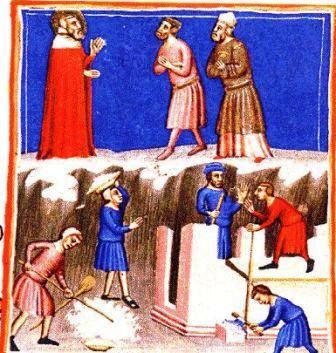 Many Old Testament figures are accounted as saints by the Catholic Church.




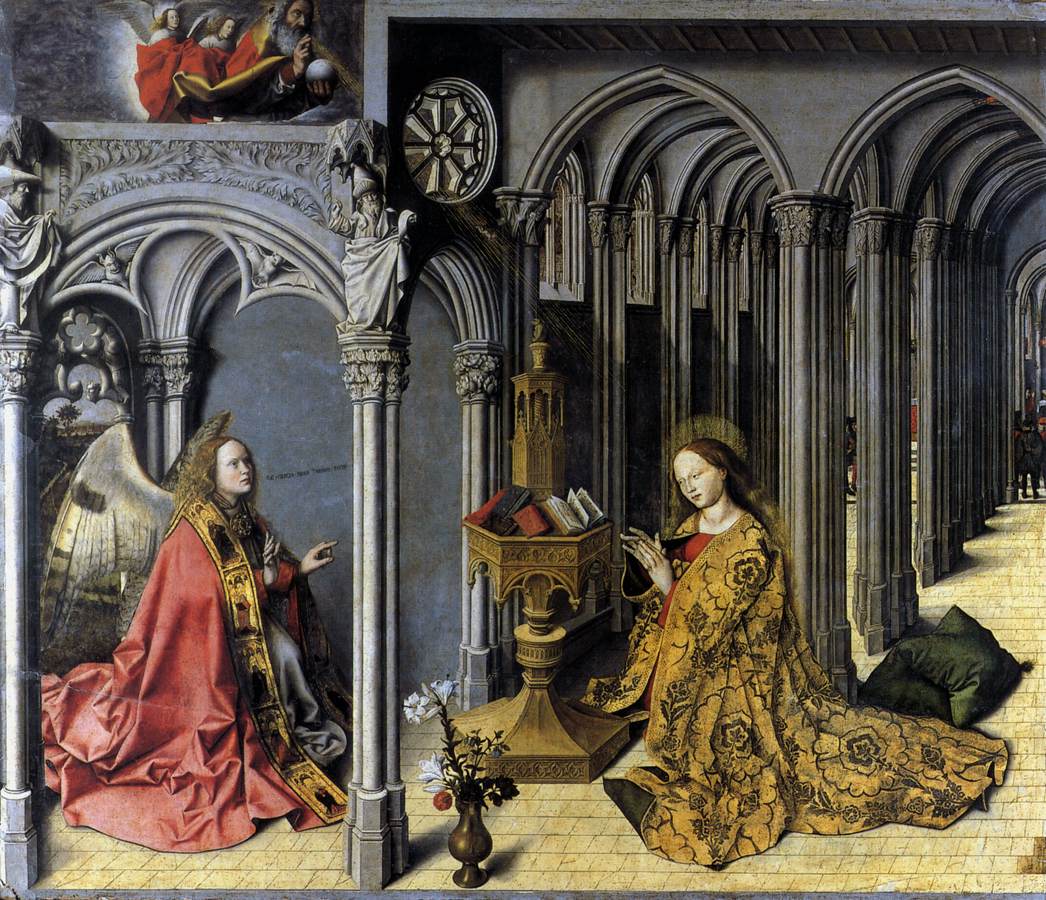 Today, Ember Wednesday of Advent, those who have the use of the older, traditional Roman Missal, offer worship to God with the so-called Missa aurea, the “Golden Mass”.


 revueltos67 on Daily Rome Shot 1116: “White to move and mate in 4 Unless I’m missing something, this would seem to fall into the too easy…”




























