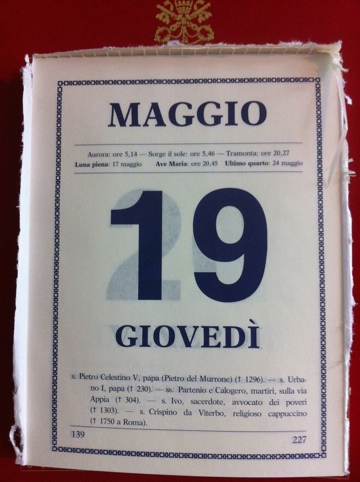
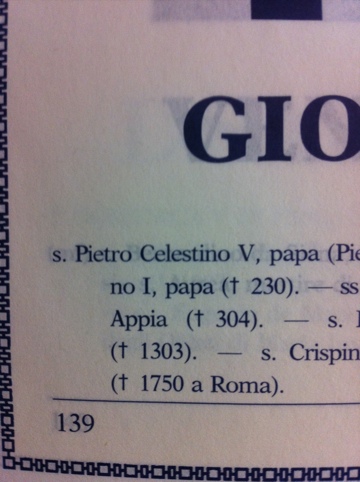
Today is the feast of St. Peter Celestine, Pope Celestine V, who famously resigned the papacy.
This is one of the fascinating people in our Catholic family history.
Pietro da Morrone, born c. 1215, in the Molise area of central Italy, came from a family of peasants. He entered a Benedictine monastery and later became a hermit. Peter eventually guided a community of hermits modeled along the lines of the Cistercian Benedictine rule. He was well-known for his holiness and his acclaimed ability to heal.
With the death of Nicholas IV, the see of Peter was vacant for three years. Pietro was eventually elected “by inspiration” in 1294. He took the name Celestine.
Celestine came out of the blocks with a strong spiritual program. He created 12 cardinals, the number of the apostles, including 5 monks. Celestine was inspired by the musings of Joachim de Fiore. Celestine probably wanted to ring in a new age of the Spirit, with a strong monastic dimension, in preparation for the end times.
In a loose way, perhaps we can see today the rise of “movements” and some of the charismatic elements of these movements – as we still emerge from the horror of the 20th century and battle the dictatorship of relativism, as being part of a pattern that repeats itself through our history after the Ascension of the Lord, the end times. Every generation has sensed itself to be in the end times. But I digress.
Poor Pope Celestine couldn’t hold it all together. He abdicated on 13 December 1294 after only 5 months as Pope. The cardinals elected Benedict Caetani, who took the name Boniface… Boniface VIII.
The former Pope-monk but once-again-Peter fled Rome and went to his hermitage back in the hills of central Italy and Apulia. He tried to get out of Italy to Greece, but he was apprehended in June 1295 and brought to Boniface. Boniface imprisoned him.
Peter Celestine died a year later on 19 May 1296 and was buried in L’Aquila.
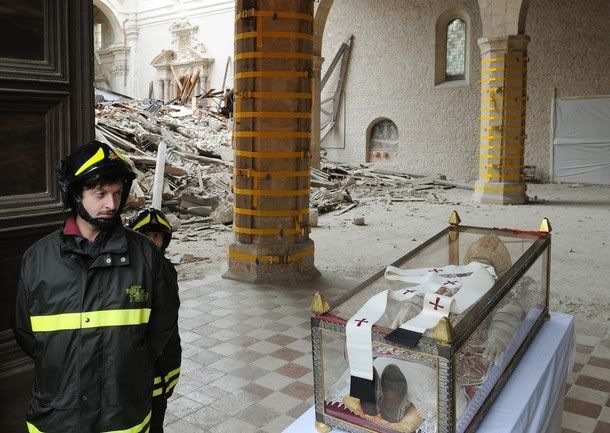
He was canonized in 1313. He was removed from the universal calendar of the Roman Church in 1969, but he is still venerated in the Abruzzi area of Italy. The church in which he was interred was damaged in the earthquake that rocked central Italy some time ago.
Benedict XVI visited the church. More on that, below.
Dante, in his Divine Comedy, in Inferno 3, places in hell someone whom we think may be Peter Celestine V. Dante calls him
“the shade of him who in his cowardice made the great refusal”.
“The great refusal” being the rejection of the highest office to which one might ascend in this world, with all the duties and responsibilities and implications for the bonds of society that that office carries.
Remember that the Divine Comedy is about, among other things, the interrelationship of the secular and the sacred. Dante was writing political theory in the Divine Comedy. His Hell is constructed to reflect the ways in which people harm no just themselves, but also the bonds of society.
Dante would have hated Peter Celestine’s abdication also because he opened the way for Dante’s great enemy Boniface VIII, whom he detested.
If you have never read the Divine Comedy, you should. You could start with Esolen (Part 1, InfernoHERE) or perhaps with Dorothy Sayer’s fine version (Part 1, Inferno, HERE). There are many renderings to choose from, for example another one by Clive James.
After earthquakes rocked central Italy, Pope Benedict visited the area, including the tomb of Pope Celestine. He ominously left his palium there, that first one he used, the longer paleo-palium.
An interesting gesture. O, my prophetic soul.
From the 2005 Martyrologium Romanum:
6. Ad Castrum Fumorense prop Alatrium in Latio, natalis sancti Petri Caelestini, qui, cum vitam eremeticam in Aprutio ageret, fama sanctitatis et miraculorum clarus, octogenarius Romanus Pontifex electus est, assumpto nomine Caelestini Quinti, sed eodem anno munere se abdicavit et solitudinem recedere maluit.
There are many images of the Lord’s Ascension to heaven through history, and rightly so. With the Annunciation, the Ascension is perhaps the greatest of all the Feasts of the Lord and for our own humanity. Imagine! Our humanity, taken into an indestructible bond with the Lord’s divinity at the Annunciation, with the Ascension is seated – RIGHT NOW – at the right hand of the Father.
Now HE. Later WE.
The Ascension is an article of the Creed and it behooves us to reflect on it.
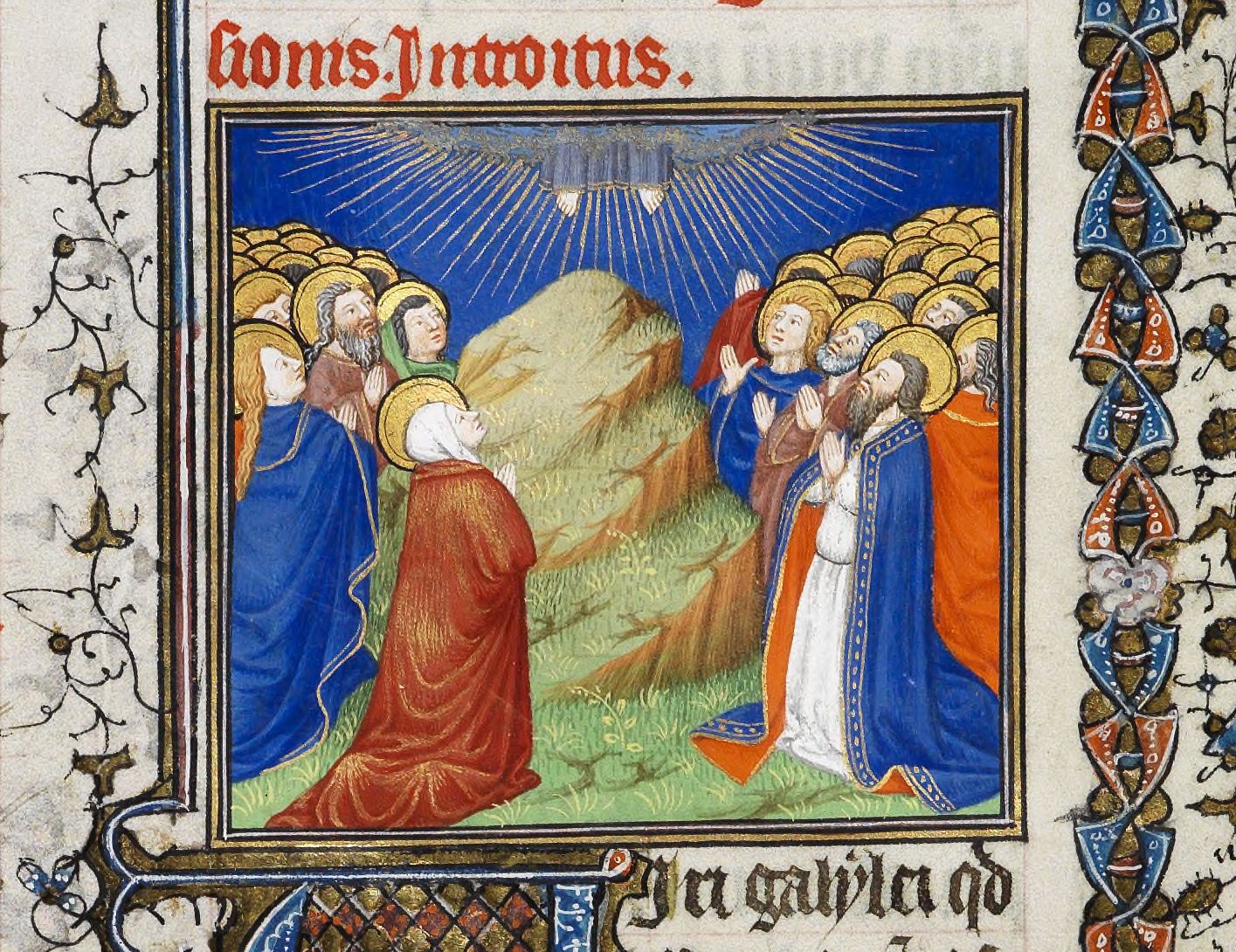
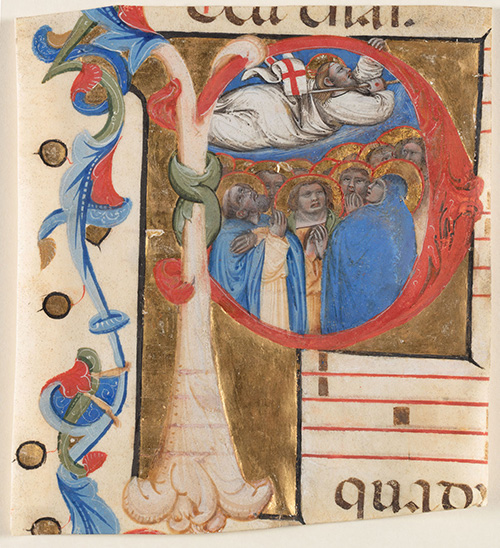
The depictions of the Ascension I like the most are the medieval illustrations which show the Apostles, often with Mary, looking upward as a pair of lordly Feet at all that remains to be seen.
The Ascension of Christ, historiated initial ‘C’, Italy, 15C (State Library of Victoria, RARES 096 IL I)
Who better to turn to for some insight into this than Ratzinger?
From the site Ignatius Insight, providing an excerpt from “The Ascension: The Beginning of a New Nearness,” from Joseph Ratzinger’sImages of Hope: Meditations on Major Feasts (Ignatius Press, 2006 – UK HERE). My emphases and comments:
You are surely familiar with all those precious, naïve images in which only the feet of Jesus are visible, sticking out of the cloud, at the heads of the apostles. The cloud, for its part, is a dark circle on the perimeter; on the inside, however, blazing light. It occurs to me that precisely in the apparent naïveté of this representation something very deep comes into view. All we see of Christ in the time of history are his feet and the cloud. His feet—what are they?
We are reminded, first of all, of a peculiar sentence from the Resurrection account in Matthew’s Gospel, where it is said that the women held onto the feet of the Risen Lord and worshipped him. As the Risen One, he towers over earthly proportions. We can still only touch his feet; and we touch them in adoration. Here we could reflect that we come as worshippers, following his trail, close to his footsteps. Praying, we go to him; praying, we touch him, even if in this world, so to speak, always only from below, only from afar, always only on the trail of his earthly steps. At the same time it becomes clear that we do not find the footprints of Christ when we look only below, when we measure only footprints and want to subsume faith in the obvious. The Lord is movement toward above, and only in moving ourselves, in looking up and ascending, do we recognize him.
When we read the Church Fathers something important is added. The correct ascent of man occurs precisely where he learns, in humbly turning toward his neighbor, to bow very deeply, down to his feet, down to the gesture of the washing of feet. It is precisely humility, which can bow low, that carries man upward. This is the dynamic of ascent that the feast of the Ascension wants to teach us.
It the readings for the Sunday after Ascension, what does Peter teach us? Charity covers a multitude of sins!
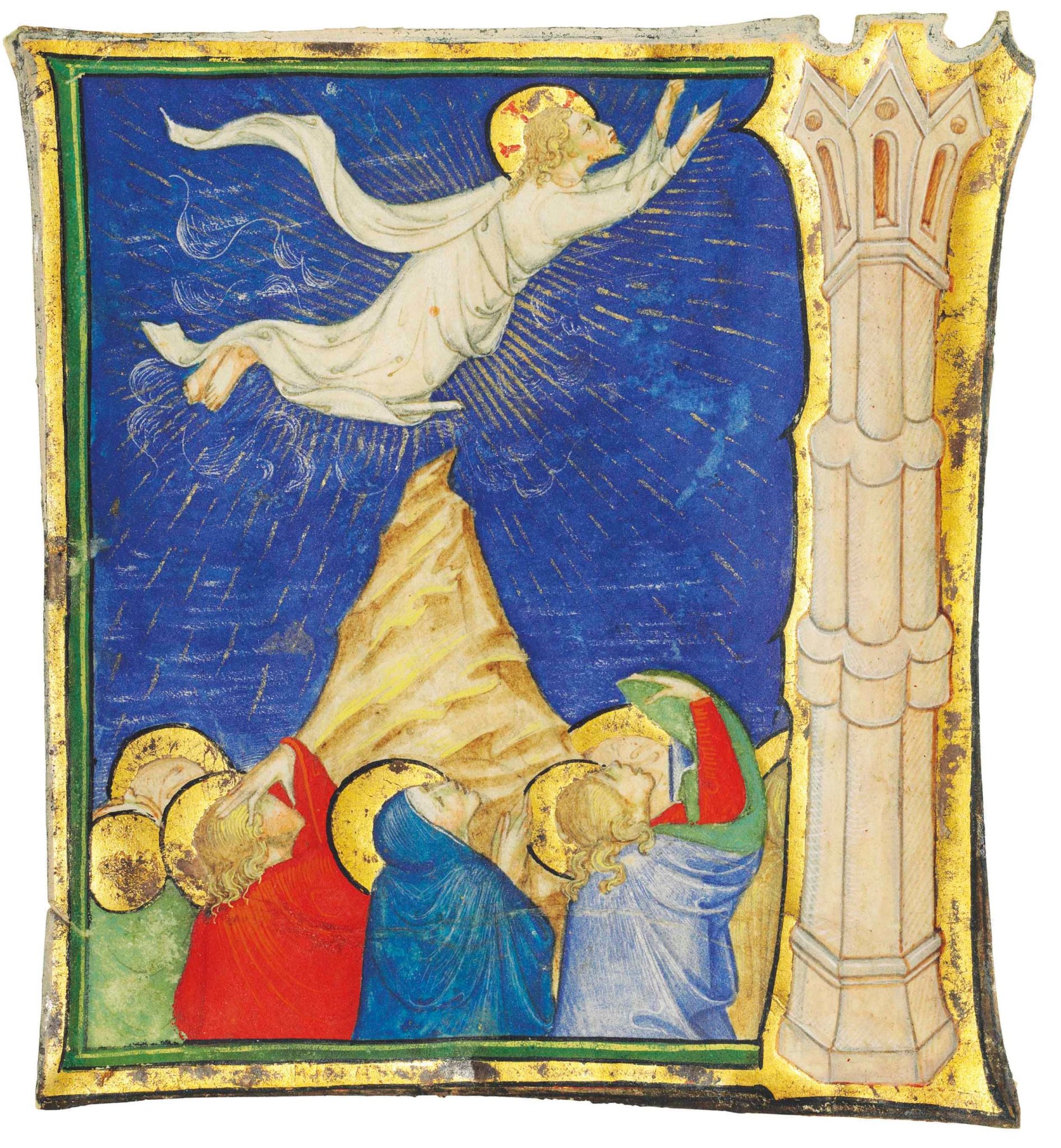
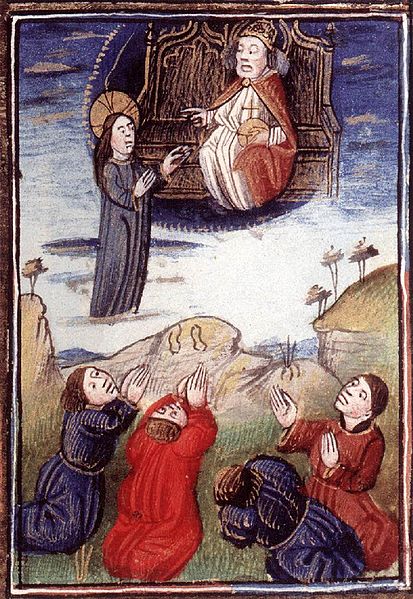
Let’s have a few more images of the Ascension of different styles, animi caussa!
From the Parisian Missal
With footprints on his blasting off pad.
And there is the more, “It’s a bird! It’s plane!” style.
Note the reactions…
Getting a helping hand. Christ is carrying a scroll. What could be written on it? It must mean something.
Here’s 15th c. Flemish version where we see Christ getting to the right hand of the Father. Nice!
The sun hath arisen: 05:45. The sun shall sink: 20:29. The Ave Maria Bell would be heard to hath rung: 20:45. Verily, it soundeth not.
It is the Feast of the Ascension of the Lord, deeply mysterious. It is Ascension THURSDAY.
Welcome registrant:
johntenor
Let’s start with the puzzle today, just to mix things up.
Interesting situation and part of a longer study. It seems that white’s pieces are on their starting squares while that pawn down the road endured the surrounding carnage to threaten promotion and victory.
Tonight The Great Roman™ shall come for spaghetti alle vongole.
I have captured the clams and sought out the spaghetto with its companions. There remain the purge and the waiting. I’m going to try a slightly different order of preparation to see if I can streamline the process.
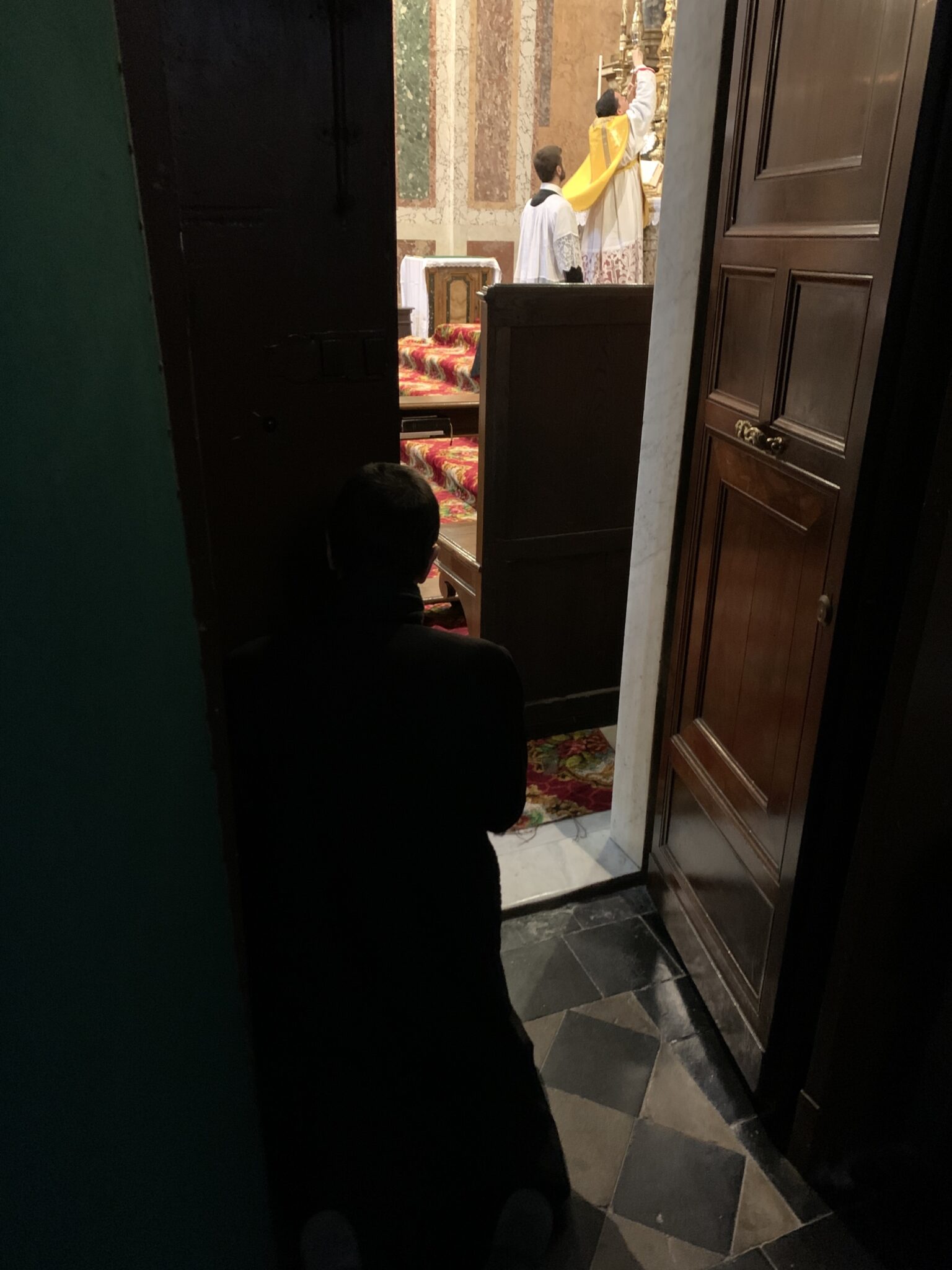
A priest seeing a priest seeing a priest seeing The Priest.
Yup. This is dangerous stuff! Isn’t it obviously against the Council and the good order of the Church? Imagine such a thing. A priest kneeling there for the consecration of the Eucharistic species! Not just kneeling, but kneeling in the dark. Without a whole bunch of people. A perfect metaphor for how these “backwardists” truly are. They haven’t seen the light of vernacular community gatherings around the table facing El Pueblo. They must be crushed… obviously.
A friend was over last night and we polished off some leftovers which wound up being a kind of pseudo chicken fried steak. Darn good with a Cesanese Merlot blend. That gravy….mmm’M. In my haste I took no pics, but you can have this instead.
Please remember me when shopping online. Thanks in advance. US HERE – UK HERE These links take you to a generic “catholic” search in Amazon, but, once in and browsing or searching, Amazon remembers that you used my link and I get the credit.
It’s that time of year! I have an ordination coming up. It’s one of my favorite things to do as a bishop. Everyone’s happy at an ordination. Except for that period a few years ago when the Sisters of Peace tried disrupting things because they couldn’t be ordained. Maybe 20 of them left. Too old to protest now. Still, when I visit them those gals still put on a nice spread with their best china.
I’m ordaining Luis who’s mexican, if I recall, or maybe hispanic. Or is it chicano? That one sounds familiar. I can never keep these technical terms straight. I’d check with Fr. Tommy. He’s got it all locked down. BUT HE’S GONE RIGHT NOW. Couldn’t he have done those exercises here? Someone around the chancery has to know. I don’t want to be accused of being racist. Anyway, one of those hispanics. That means a lot of upbeat guitar music. Maybe a trumpet? I’ll have to tell the rector we’ll use those colorful overlay stoles that Guatamalen bishop brought when he preached for the missions. All those people use them down there. They’ll make Luis and his family feel at home.
Most importantly, Luis’ abluetitas… whatever – grandmothers are both preparing the food for after. I can see it now. Tacos, burritos, empanadas, quesaritas, chalupas, chupacabras – the whole lot of it! What better way to celebrate! We won’t need a burger run that night!
I’m working on my homily. Thanks to Google translate, I’ve got some great Spanish lines worked into it. I’m sure it will be a smash. I love the sign of peace at these mexican Masses – so much hugging and happiness!
UPDATE: I think I also get to wear flowers around my neck like we did that one time. NOTE: stock up on allegra beforehand.
At 05:46 the sun was up. At 20:28 it’ll go down, from our perspective. The Ave Maria should sound at 20:45 still.
It is the 137th day of the year and the Vigil of the Ascension of the Lord.
NB: TODAY is the VIGIL.
That means that Ascension Thursday is on THURSDAY.
Since today is VIGIL of Ascension it is also the third Rogation Day. Therefore, before Holy Mass there was the usual procession and the singing of the Litany of Saints with the special Rogation prayers. The whole thing take about 20 minutes.
20 minutes well spent!
Over the last two days, I’ve underscored a few of the petitions in the Litany. First, praying for benefactors, which is one of my primary daily jobs, especially right now. It is my pleasure and duty. Second, how we have to pray for the Church, right now beset by and infested with enemies. We are in big trouble, from our perspective, friends. BUT! Christ is risen and victorious and this is HIS Church. Therefore, as Christians we are buoyantly confident, though we can feel passing sorrow for the ills around us.
Today, what struck me in the Litany was at the heart of why we have Rogation Days and make these supplicatory processions.
Here are things that can KILL us, physically and spiritually. Take special notice of that petition that God save us from a “sudden and unprovided death”, which means without access to the last sacraments, at least the change for absolution of our sins.
V. Ab omni malo.
V. From all evil.
R. Líbera nos, Dómine. R. Good Lord, deliver us.
V. Ab omni peccáto.
V. From all deadly sin.
R. Líbera nos, Dómine. R. Good Lord, deliver us.
V. Ab ira tua.
V. From thine anger.
R. Líbera nos, Dómine.
R. Good Lord, deliver us.
V. A subitanea et improvisa morte.
V. From sudden and unprovided death.
R. Líbera nos, Dómine.
R. Good Lord, deliver us.
V. Ab insídiis diaboli.
V. From the crafts and assaults of the devil.
R. Líbera nos, Dómine.
R. Good Lord, deliver us.
V. Ab ira, et ódio, et omni mala voluntáte.
V. From anger, and hatred, and all uncharitableness.
R. Líbera nos, Dómine.
R. Good Lord, deliver us.
V. A spíritu fornicatiónis.
V. From the spirit of fornication.
R. Líbera nos, Domine.
R. Good Lord, deliver us.
V. A fulgure et tempestáte.
V. From lightning and tempest.
R. Líbera nos, Dómine.
R. Good Lord, deliver us.
V. A flagello terræmotus.
V. From the peril of earthquake.
R. Líbera nos, Dómine.
R. Good Lord, deliver us.
V. A peste, fame et bello.
V. From pestilence, famine, and battle.
R. Líbera nos, Dómine.
R. Good Lord, deliver us.
V. A morte perpetua.
V. From everlasting damnation.
R. Líbera nos, Dómine.
R. Good Lord, deliver us.
Dear readers, this is serious stuff. This is … everything, isn’t it.
Wanna hear what it sounds like? I left my phone with “voice notes” on in the sanctuary. Yes, you can hear me a little.
More and more clearly do I see the sticking point when I consider difference between the Novus Ordo and the Vetus Ordo. Those who tout the Novus Ordo as being the expression of that all-transforming moment of “the Council”, an iconic moment tantamount to a new Pentecost that forces us to reinterpret everything – history, theology, law – everything, take their cue from a something in between the lines of the conciliar texts, a special “tone” in which they discern the Holy Spirit’s demand for constant change. They optimistically see, with their special conciliar spirit-gifted glasses, the path to transformation in the here and now, since our eschatological future is now essentially taken care of. We are an Easter people! Christ is risen and we are all bound for Heaven (unless we resist carbon-footprint reduction). Since Heaven is assured, there is no need in our Mass orations to have those old pre-conciliar themes of sin, guilt, expiation and penance. That’s all done. We’ve matured. There is a different theology now that drives us to greater concern for the planet and the here and now thanks to our already living the great Not-Yet. Down with the old theology and ways, they say. We’ve evolved passed that Vetus thing. There can be only one theology, one liturgy, one! Well… and also indigenous liturgies. But otherwise, one!
The problem with their view is that, however optimistic we want to be about human beings, we remain human beings. We cannot deny the reality of the world, the flesh and the devil. The Novusites say that the trads are too wrapped up in that constant interior and exterior struggle that is the result of the (now no longer problematic) Original Sin.
However, the Vetus prayers are not lacking in eschatological joy and optimism as the texts of Holy Mass today shine forth. It’s there! On every page of the Missale Romanum. Even when we are praying about our sinfulness, there is confidence in forgiveness.
Let’s make this simpler. If the Novus Ordo stresses eschatological joy, the Vetus tells you, realistically, how to get it. That’s something that Novus Ordo isn’t very good at. It stresses the joy of Heaven, which is a good thing. But it doesn’t stress very well how to attain it. From that point of view, the Vetus Ordo is far more complete and helpful for us. If the Novus Ordo is a little dreamy, the Vetus Ordo is more concrete.
I do not accept the premise that the Vetus Ordo is contrary to The Whatever that Vatican II produced. It don’t have special glasses that let me read between the lines of the conciliar texts. I can’t tune to the station some of the more papalotrous and innovation enthusiasts can hear. One thing I do know is that anyone who has not said the Vetus Ordo day in and day out for years should keep their pie-hole shut and not even attempt to have a tiny thought about it, much less make claims about it. For my part, I sense in the prayers of the Vetus Ordo both the optimistic joy of the Christian praying with Christ’s own voice in the Mass even as I hear the earnest cry of the sinner who is absolutely dependent on God’s mercy even to keep breathing. They are not in conflict. It is wrong to create a conflict where there isn’t one.
But I digress. Go back and look at those petitions and then think about what you hear in the news and then tell me, Novusites, that we don’t need to have processions and sing these Litanies.
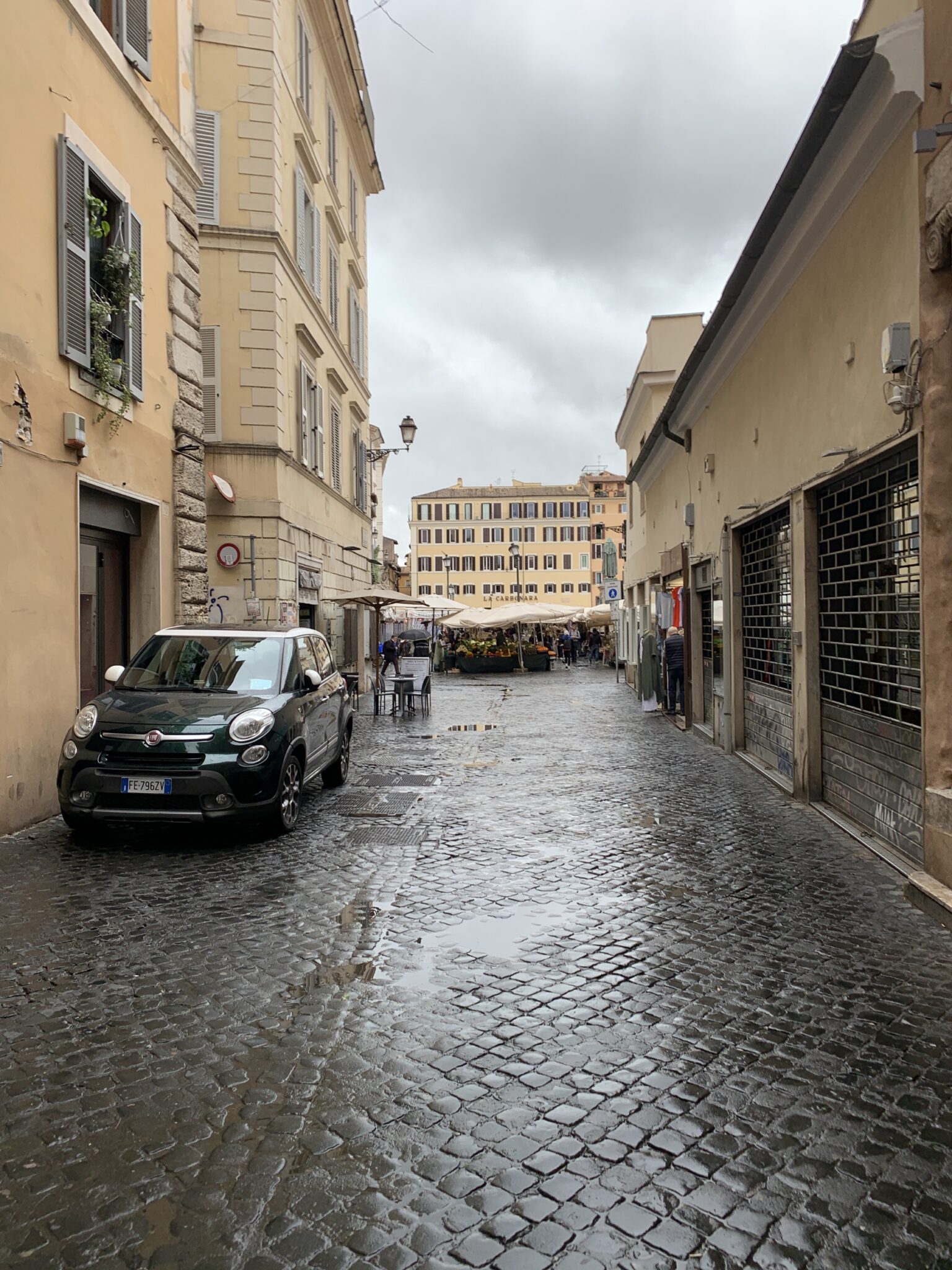
Speaking of Original Sin, now things sometimes go wrong and need correction. Today, as I learned from a Carabiniere, one of the early morning garbage trucks had an oil leak. Thus the stuff sprinkled in the streets all around the area. This is the Lutheran approach to oil-spills even in Rome.
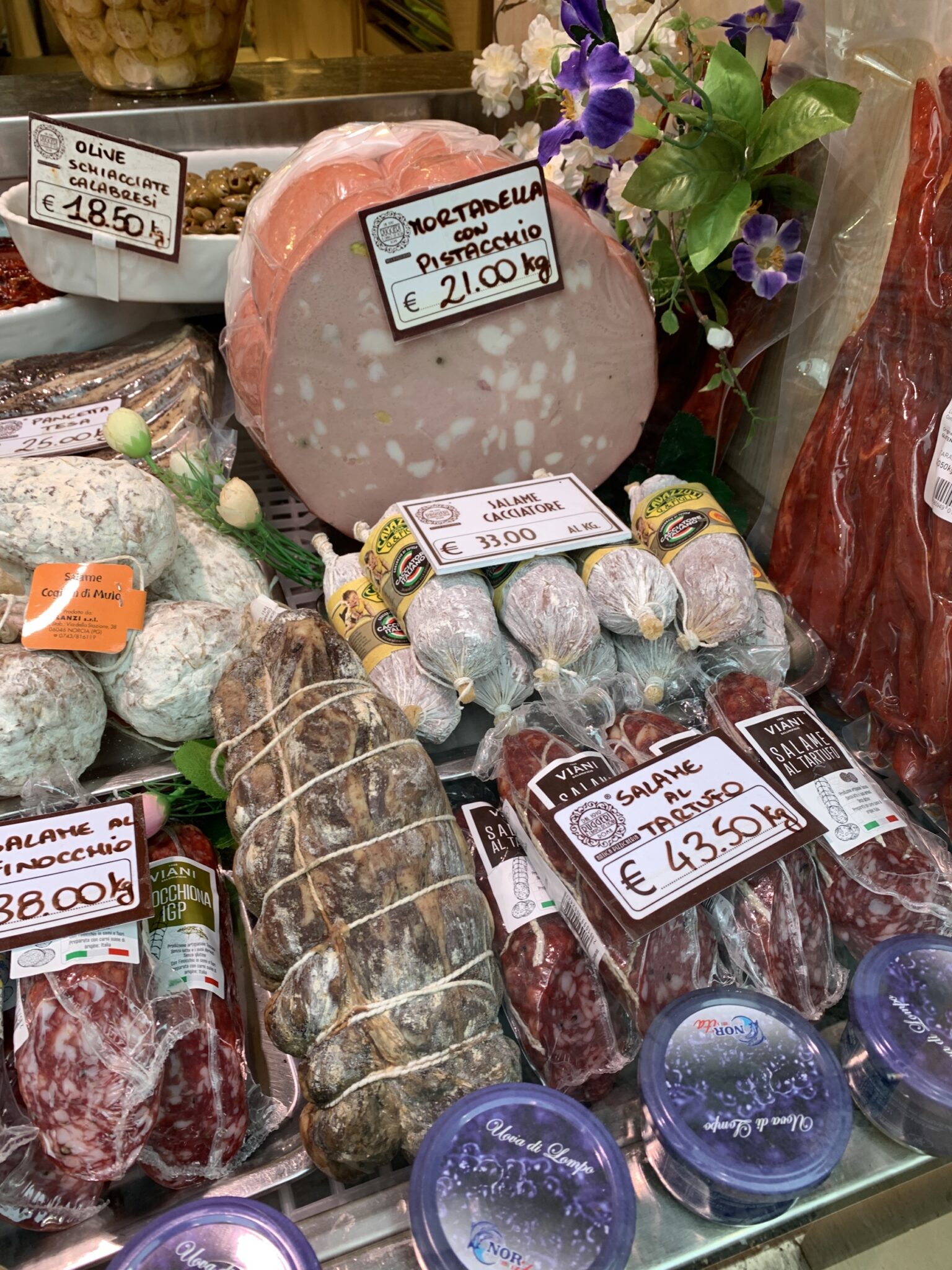
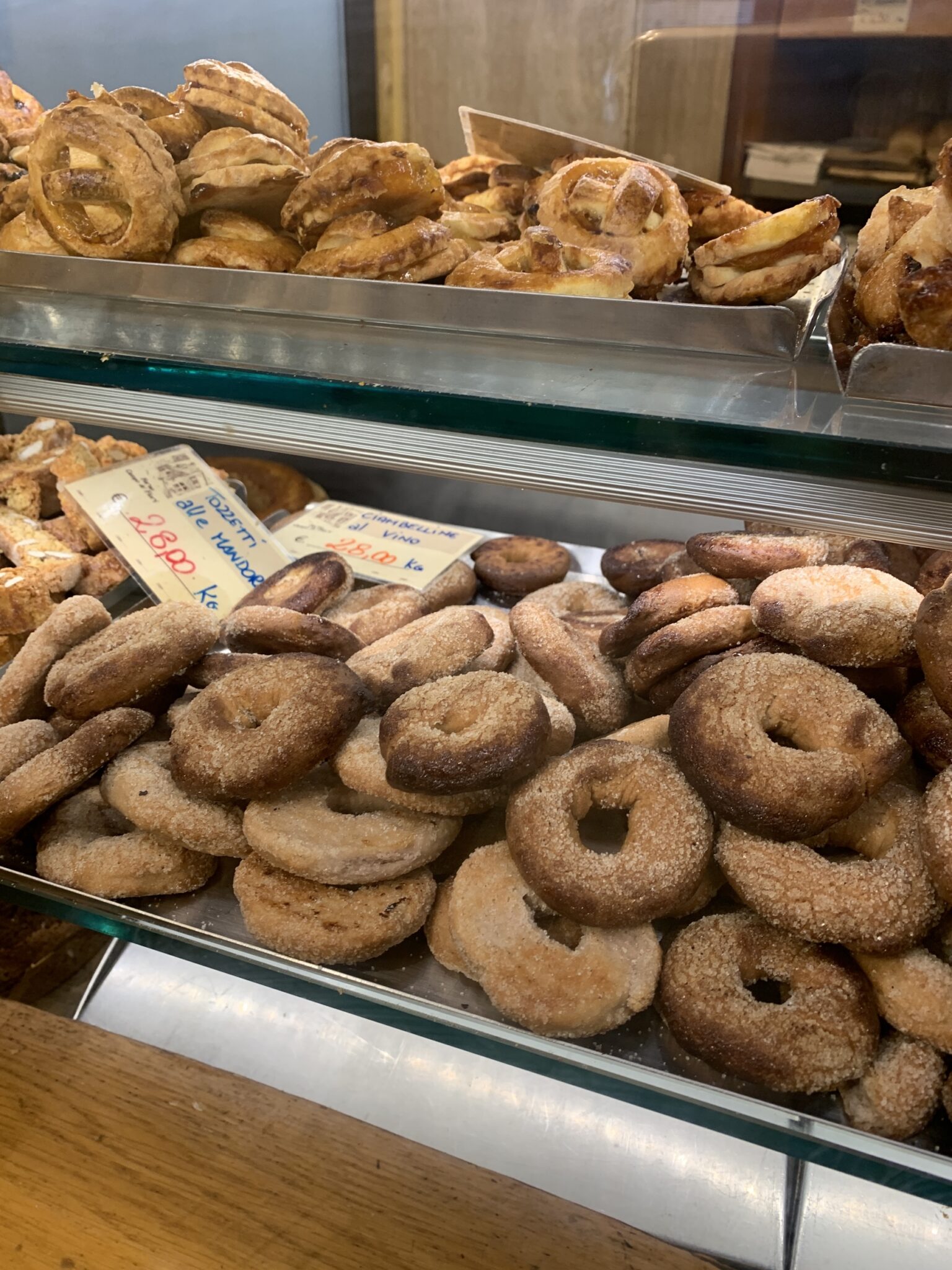
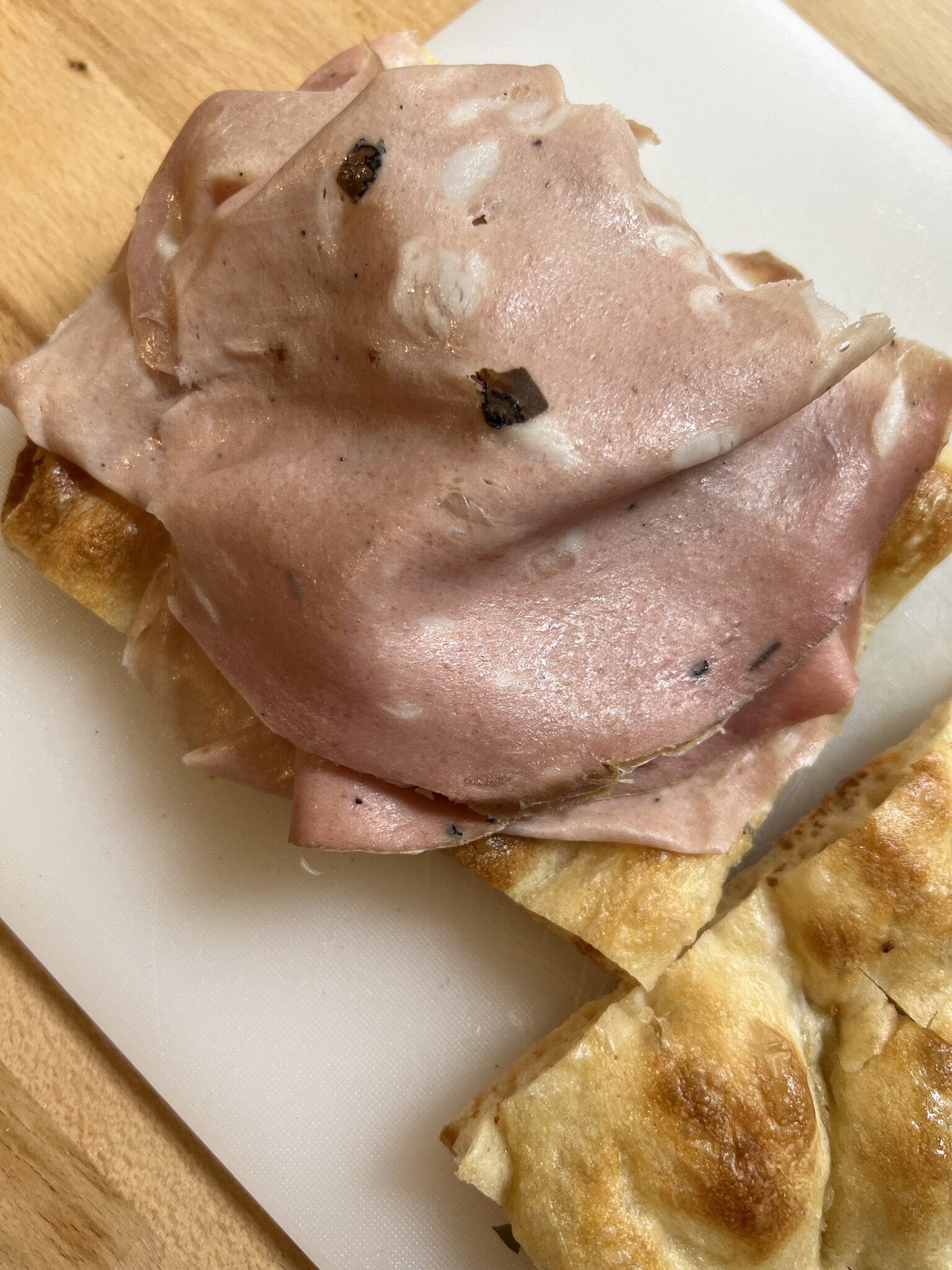
Yesterday, I showed close ups of the sweets. Here are some savories. Yesterday, mortadella (sounds kind of “deathy”, in keeping with my Litany rant, above), with truffle, which is a proof of God’s love and Heaven to follow. Here is mortadella with pistachio. Definitely not your public school lunch sandwich “bologna”.
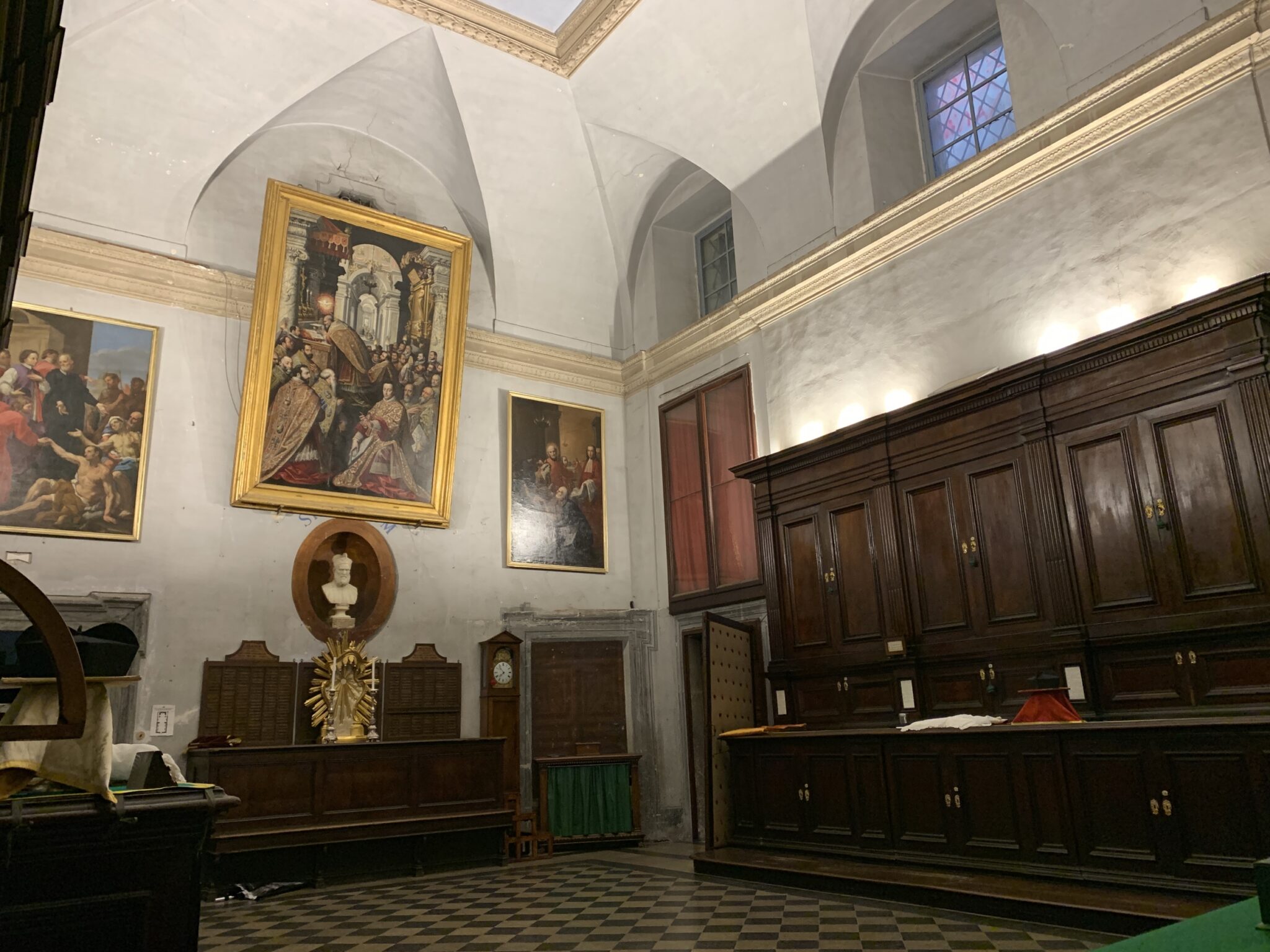
After Mass I had a little sit in the sacristy and just drank it in. I’ll have to leave in a couple of weeks. I have to absorb it as best I can now. I was sad and happy at the same time.
Please remember me when shopping online. Thanks in advance. US HERE – UK HERE These links take you to a generic “catholic” search in Amazon, but, once in and browsing or searching, Amazon remembers that you used my link and I get the credit.
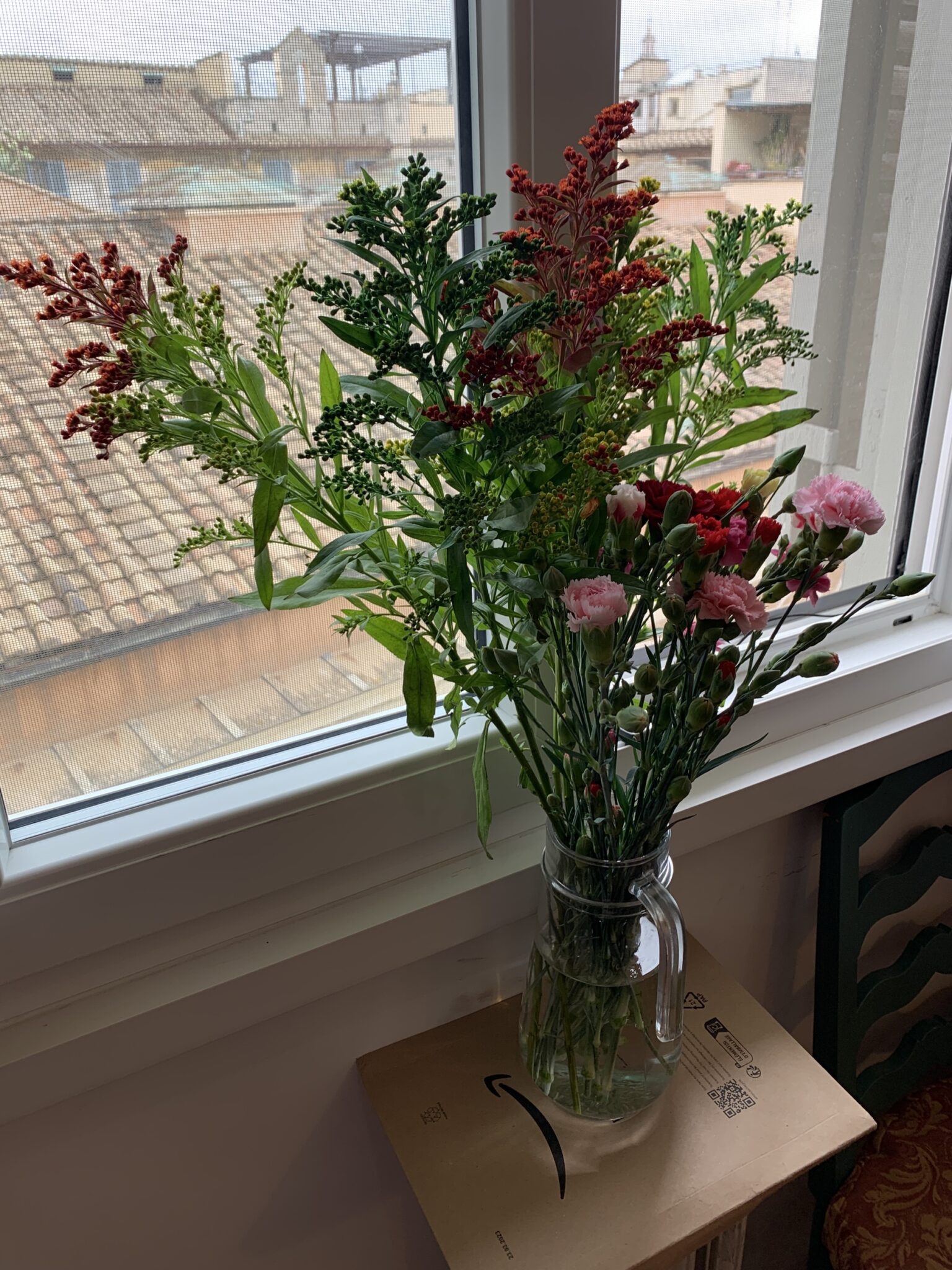
Thank you, donors, for my flowers. The frondy things are like a mimosa but not yellow. I don’t remember the Italian name for them and I never knew the English. The others are, of course, little carnations. Not my favorite, but cheerful enough. The freesia is pretty much played out, I am told. Too bad. It was beautiful, fragrant and inexpensive compared to many.
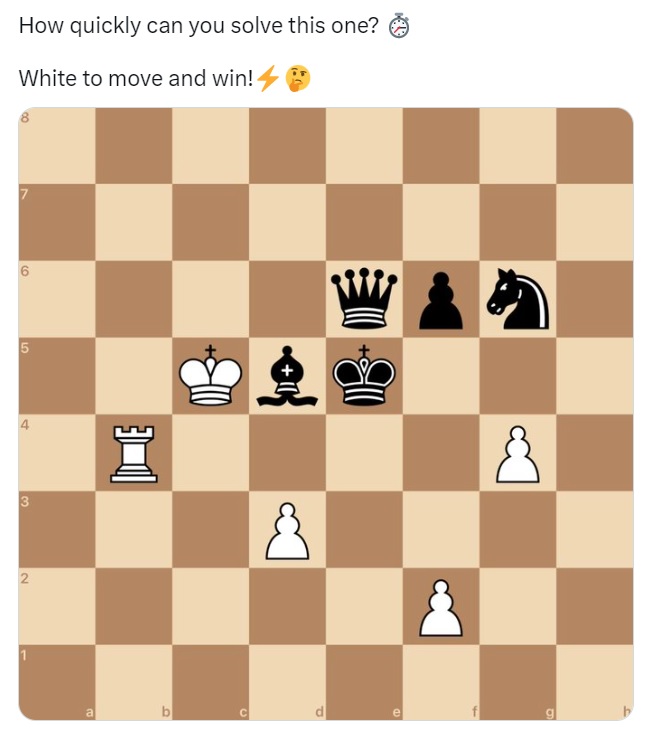
Here’s a puzzle.
NB: I’ll hold comments with solutions ’till the next day so there won’t be “spoilers” for others.
Yesterday I posted about a girl whose life changed for the better with the gift of a humble, inexpensive chess set. How about talking to your parish priest about starting a chess club?
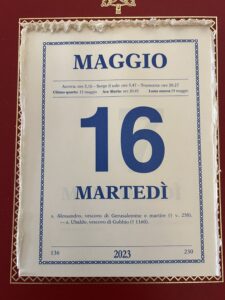
Each day is just a little longer. The sun rose at 05:47 and will set at 20:27. The Ave Maria Bell ought to be rung at 20:45 right now. In a few days it will shift another 15 minutes to accommodate the longer day.
We are in Rogation Week, before the Feast of the Ascension, that mysterious feast without which we would be truly struggling.
In the mornings there is a procession at the parish, humble, but we pray for you and for many other things.
Yesterday, I was particularly aware of my benefactors.
Today a few other petitions made a significant impact.
V. Ut Ecclésiam tuam sanctam regere et conservare dignéris.
V. That it may please thee to rule and govern thy holy Church.
R. Te rogamus, audi nos.
R. We beseech thee to hear us, Lord.
V. Ut domnum Apostolicum et omnes ecclesiásticos ordines in sancta religióne conservare dignéris.
V. That it may please thee to preserve the Apostolic Lord, and to keep all orders of the Church in thy sacred religion.
R. Te rogamus, audi nos.
R. We beseech thee to hear us, Lord.
V. Ut inimícos sanctæ Ecclésiæ humiliare dignéris.
V. That it may please thee to overthrow the enemies of thy holy Church.
R. Te rogamus, audi nos.
R. We beseech thee to hear us, Lord.
Was there ever a time when these petitions were more needed earnestly to be prayed?
We are reminded that this is CHRIST’s Church and not the plaything of a few, no matter how exalted they themselves and others perceive them to be.
We are reminded that Orders are for ORDER and not for whatever the hell it is we have now. We need to be united in CHRIST’s sacred religion which is impossible to be if we don’t know what it is! Therefore, our tradition is a sine qua non for our unity and identity. Tradition has logical and chronological priority over whatever notions (which are things in a sewing basket, not the basis of serious governance) the forward-minded but continuity-retarded might come up with like the infamous Good Idea Fairy.
We are reminded that, while the Church will always have enemies, within and without, we must work to DEFEAT the Church’s enemies. If they are the enemies of Christ’s CHURCH, they are the enemies of CHRIST what ever they wear. They are the enemies of our souls, because in the Church we belong to Christ’s mystical PERSON. There is no compromise with the Enemy of the soul. There is only perseverance in rightly ordered governance in the Church’s sacred religion for the ultimate victory which is the salvation of souls.
— Women’s Chess Coverage (@OnTheQueenside) May 15, 2023
Great story.
Here’s another great story.
nce upon a time …Fr. Z readers all started to use his Amazon links when shopping online. US HERE – UK HERE Not only did they get their stuff, but Fr. Z got a small percentage of each purchase which meant that, over time, he would put a new roof on his house and continue to pay his health insurance because being cancelled sucks. The people were so happy using those links that they also remembered that wine gladdens man’s heart, and so they got wine from the monks of Le Barroux, in France, and beer from the monks at Norcia, in Italy. The monks were so glad from the income, because that meant they could maintain and build their monasteries where they pray in reparation for people out here in the world all the time.
I was up and the sky was mostly clear. Not so much now.
The sunset will be at 20:26 and if things remain as they are, we won’t see it.
The Ave Maria Bells should be rung at 20:45.
We begin the Rogation Days before the Feast of the Ascension… which is THURSDAY.
This morning I postponed Mass for a bit to help with responses in the humble procession and the singing of the Litany. Be the procession small or large, thin or thronged, there was a procession.
These particular invocations…
Ut ómnibus benefactóribus nostris sempitérna bona retríbuas. ... That it may please thee to bestow on all our benefactors thine everlasting benefits.
Te rogamus, audi nos.
Ut ánimas nostras, fratrum, propinquórum et benefactórum nostrórum ab ætérna damnatióne erípias. … That it may please thee to deliver from eternal damnation our souls, and those of our brethren, kindred, and benefactors.
Te rogamus, audi nos.
I was right there, especially praying for my monthly donors and all my benefactors, those who have made this Roman Sojourn possible.
And one of you benefactors made it possible for me to have some alstroemeria to replace the peonies that went the way of all flesh. Here they all, all fanned out.
Also fanned out. This is how you lay out a Roman cope or “piviale”, with the stole, alb, cincture and amice before Mass.
After Masses today, I invited a young priest who is studying in Rome, but who wondrously has connections with priests in my native place, for some breakfast.
Which cornetto is mine?
Please remember me when shopping online. Thanks in advance. US HERE – UK HERE
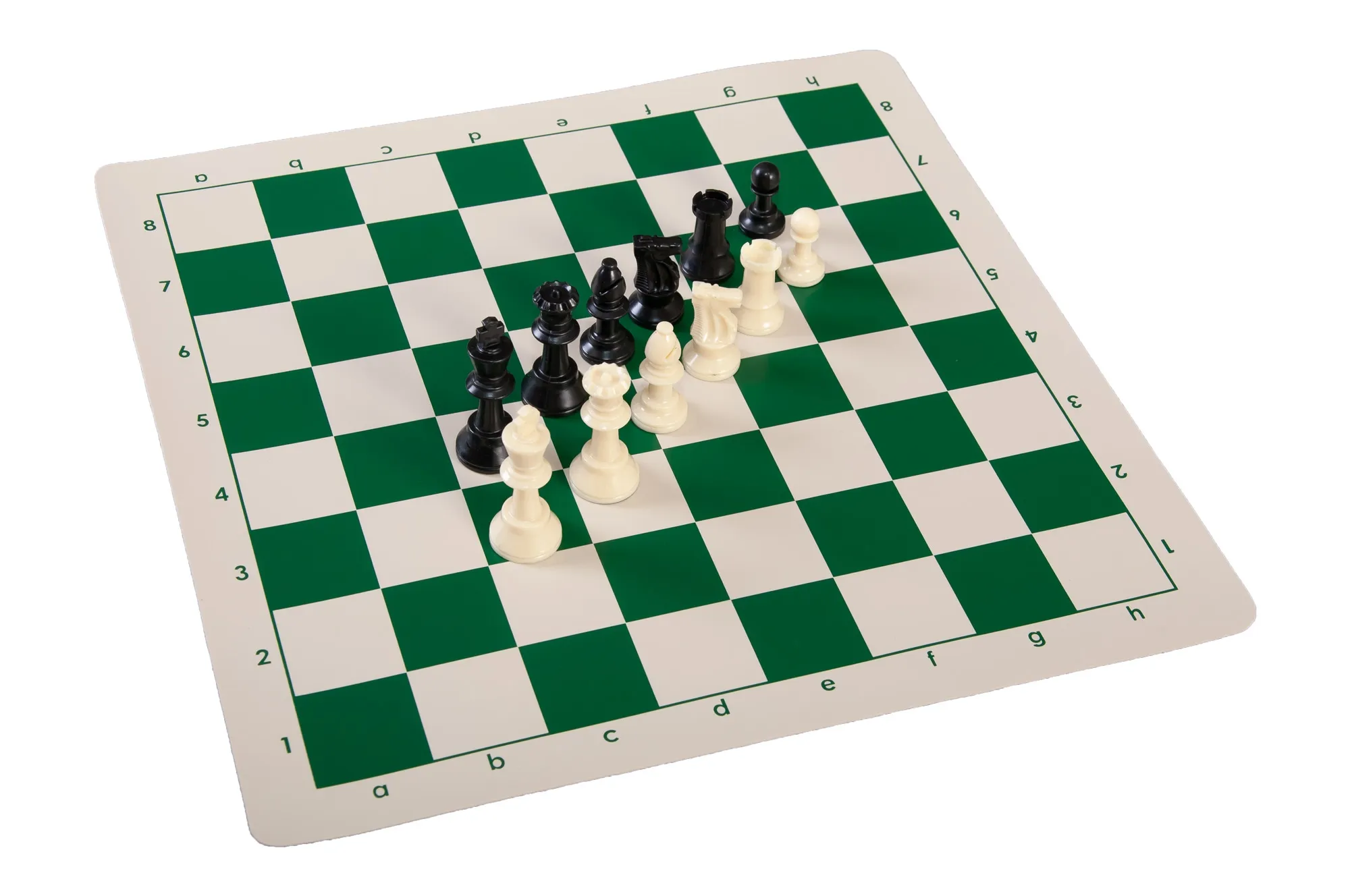
Here’s a puzzle. White to move. Black has a mate threat, so don’t dawdle.
NB: I’ll hold comments with solutions ’till the next day so there won’t be “spoilers” for others.
I just did some work with Igor on the “Giuoco Piano”, which seemed appropriate.
Yesterday in the Pro Chess League, the Gotham Knights defeated the Shanghai Tigers to win the 2023 championship (and a bunch of money – $25K).
Meanwhile, in Romania for the 1st leg of the Grand Chess Tour Alireza Firouzja was defeated by Jan-Krzysztof Duda. Some games were rather lackluster draws but However, the clash of Fabiano Caruana and Anish Giri had a queen sac after a Giuoco Piano, which spiced things. At the end, Caruana had more time on his clock than when he started! Anish, a bit of a joker, later said that during a long think with his head in his hands that he had fallen asleep. Fabi is on top with three tied for 2nd, including my guy Wesley So. Wesley had a 14 move draw against Nepo. Yawn. They, especially Nepo, must be flat-lined.
Give some business to the Summit Dominicans. Check their shop!
Your chess needs can be met HERE. Help me out. Help yourselves. MEMORIAL DAY – 20%! Keyword: MEMORIAL Here’s something super basic. Small, very portable. It’ll fit on a small space like a child-size desk or TV tray. I have TWO in Rome for looking at variations and not having to reset everything with one change (and I bought a couple extra queens separately and they arrived like a flash).
EDITOR: Still catching up with diary pages from the “mole”. Sometimes the transcription takes a while, too. Some of you might not know all the bishops of the region that includes the Diocese of Libville.
Archbishop of Red Bird: John “Jack” Daniels (Auxiliary Terence Broadhurst)
Diocese of Black Duck: Jude Noble
Diocese of Recker: Mateo Cienfuegos
Diocese of St. Christopher: Andrew Esposito
Diocese of Pie Town: Antuninu “Dozer” Ruspa
May 12th, 2023
Dear Diary,
Another meeting of the region bishops. This one wasn’t fun at all. The Arch, Jack, wants us area bishops to make a statement about illegal immigration. We aren’t supposed to call it that, but that’s what it is, right? Anyway, took all the joy out of lunch at Charlies after even though the steaks were really good.
I’ll admit PRIVATEY that some issues are just too complex for me. I got okay grades in school, so I’ve got the chops, but sometimes heavy things are best left to smarter guys. I’m able to get some really smart guys around me, like Fr. Tommy. I’m starting to regret his absence because of that ankle thing with Chester. Darn. And something about Fr. Gilbert … too cheerful all the time. I like when everyone’s happy, but sheesh. When I run something by him he just grins with those irritating dimples and talks baby talk to Chester who laps it up, traitor.
This whole border issue and all the illegal immigrants coming across. What the heck are we supposed to say? One of Jack’s auxiliaries – Terry? Larry? – can never remember his name – sent around a statement, quoting all sorts of other statements about how we have to welcome the stranger and so on. Hard to disagree. I mean, Jesus was an illegal immigrant, wasn’t he? I don’t know. Terry Larry showed pictures of poor people with their arms outstretched through these walls, trying to get in, and it made me sad. But Bp Mateo from Recker also showed pictures of people with farms near the border. Been in their families for generations. Huge damage done to their crops by people traipsing through. That makes me sad, too. Dozer said that some of these people are not nice at all! They’re gang members. Worse.
Why can’t we fix the problems in the countries that these people are leaving so they don’t come here? I asked that in the meeting but Jack said “We can’t ask that question.” Afterwards, Andy pulled me aside and said it’s racist to criticize those countries. That doesn’t make sense to me.
Both the VG and Fr. Tommy always say I should think carefully before saying anything or signing anything. This is one of those things that, whatever I do or say, some people will be ticked off. I don’t like that. It shouldn’t be hard. We should all just get along. Too much to ask?
I just wish I understood things better.
I’ll probably sign the statement. After all, I don’t want to be the odd man out.
It was the 5th Sunday after Easter in the Vetus Ordo and the 6th Sunday of Easter in the Novus Ordo.
Was there a GOOD point made in the sermon you heard at your Sunday Mass of obligation?
Tell about attendance especially for the Traditional Latin Mass. I hear that it is growing. Of COURSE.
Any local changes or (hopefully good) news?
I have some thoughts about the Sunday reading HERE.
A taste:
[A] simple but effective and sometimes scary point of examination of conscience. It might be a good idea – think of what James said about deception – to ask:
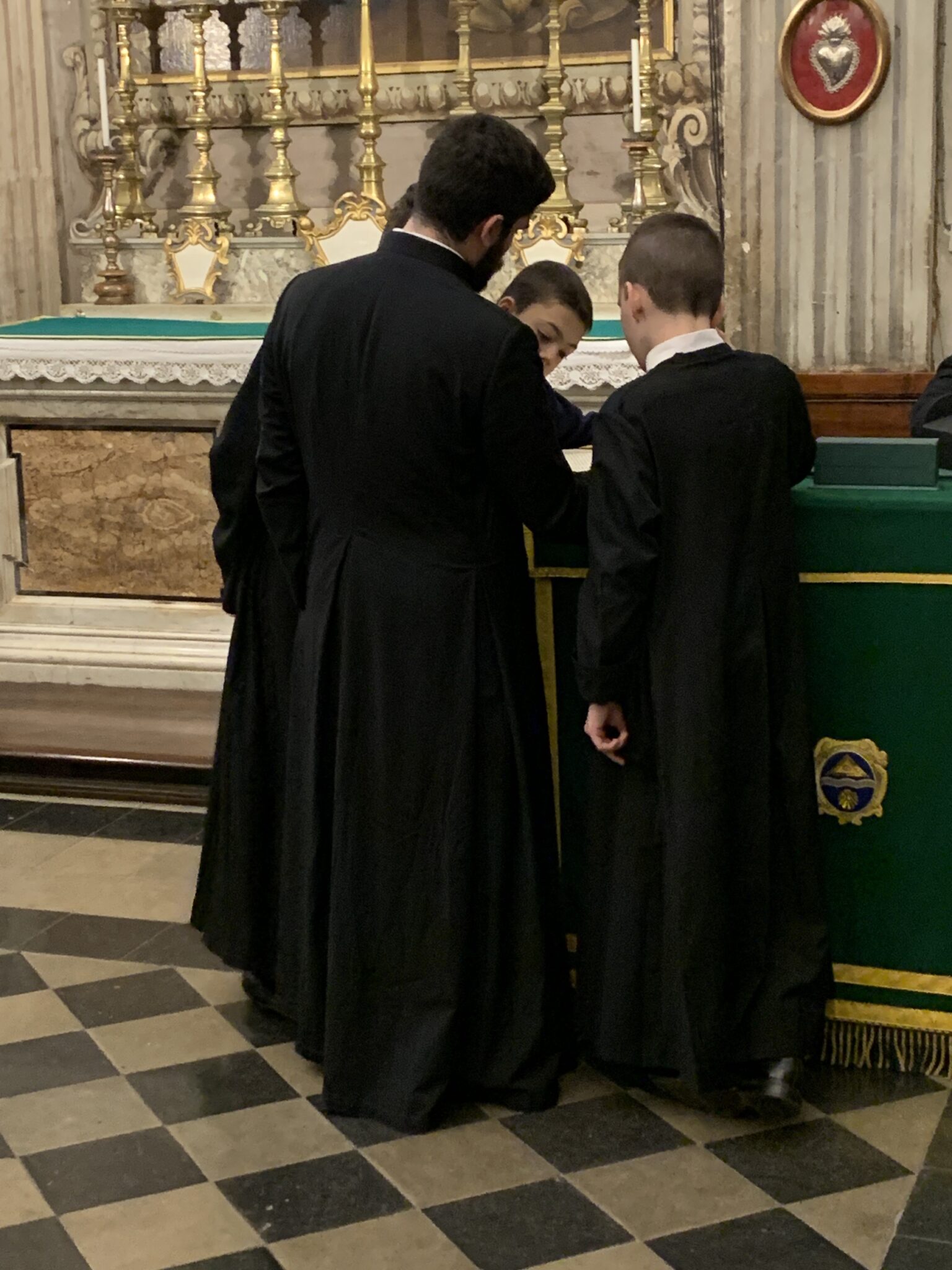
A priest shows altar boys how to sing the Sunday Epistle in Latin. Yes, they are singing. Yes, they are singing Latin. Yes, it’s from the Letter of the Apostle James and not something the boys already know. Yes, it can be done. No, Latin isn’t too hard.
Welcome registrants:
Agathontohen
Gulag California
Seber
At 05:49 the sun rose on Rome and it will slip beneath the horizon at 20:25. The Ave Maria Bell is to ring at 20:45.
In the Novus Ordo calendar it is the Feast of St. Matthias. I have a priest friend in Switzerland thusly named. I hope he is well.
Today is the Feast of St. Corona, who was martyred with her husband Victor. Victor and Corona… sounds like a couple of makes of cars… or beers. Buy beer from the Benedictines. Anyway, during not very entertaining COVID Theatre the great people Leaflet Missal in St. Paul make statues of St. Corona, who was torn in half between two trees that had been pulled over. Not very nice. The statue is nice, however.
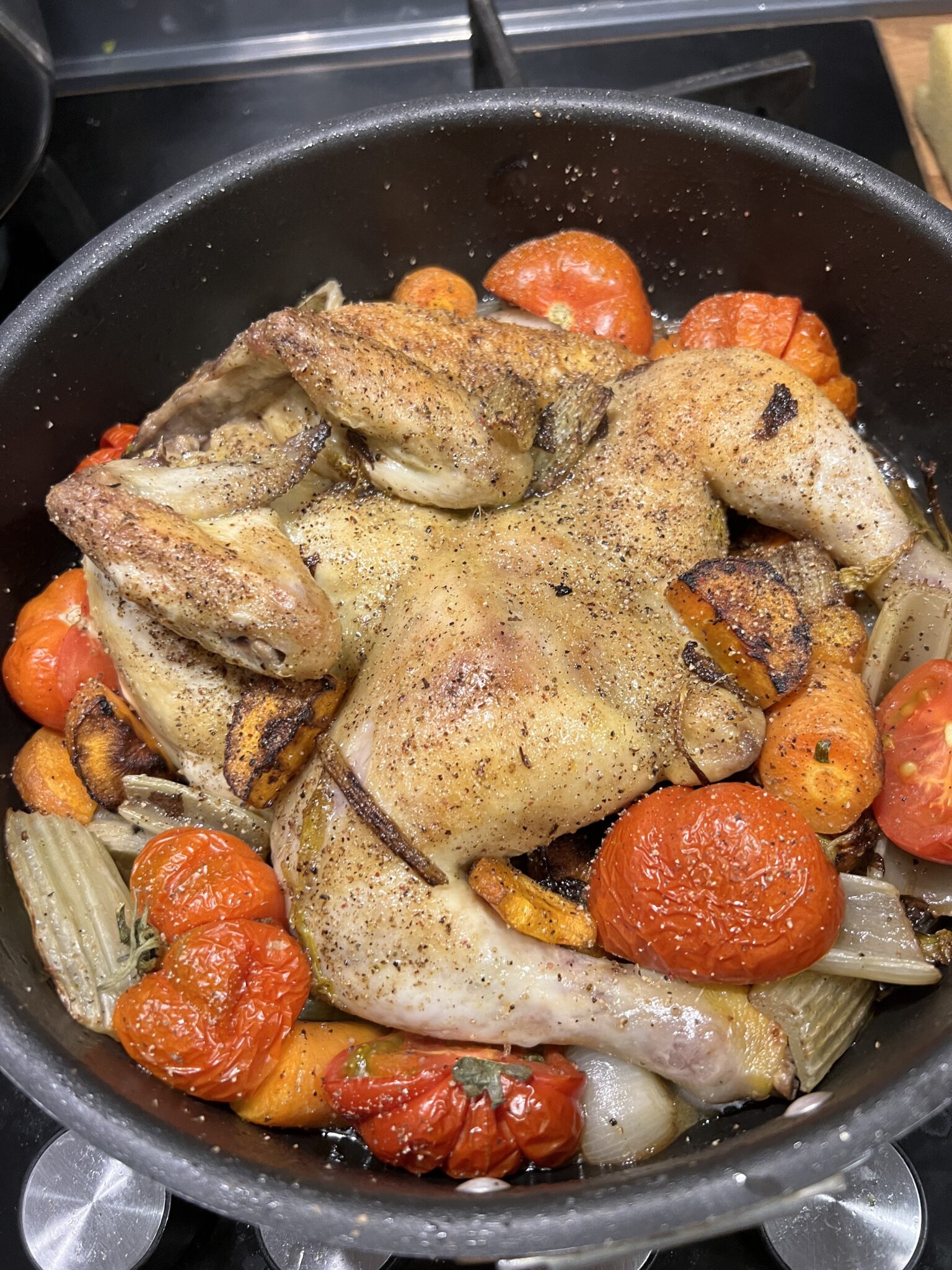
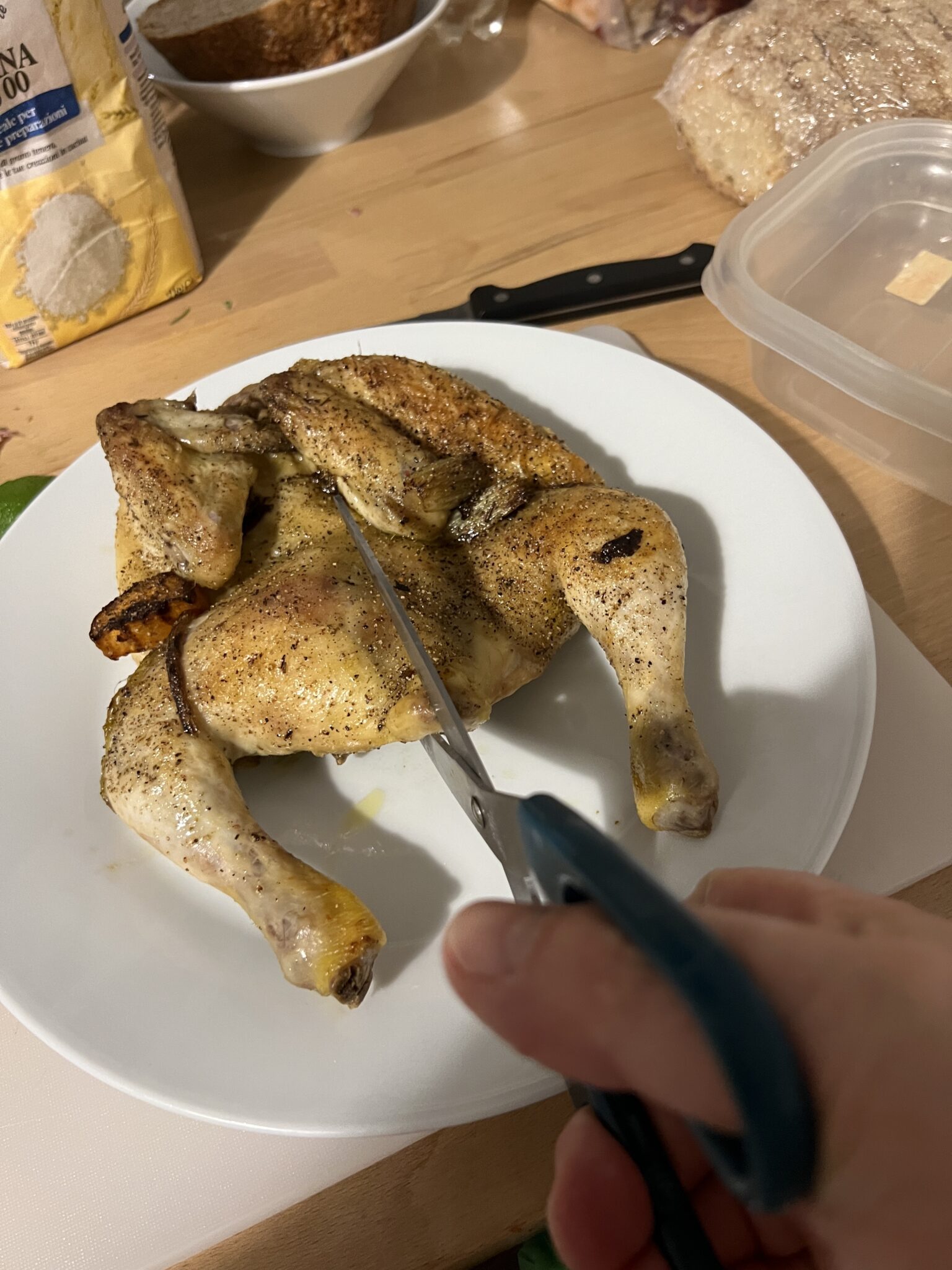
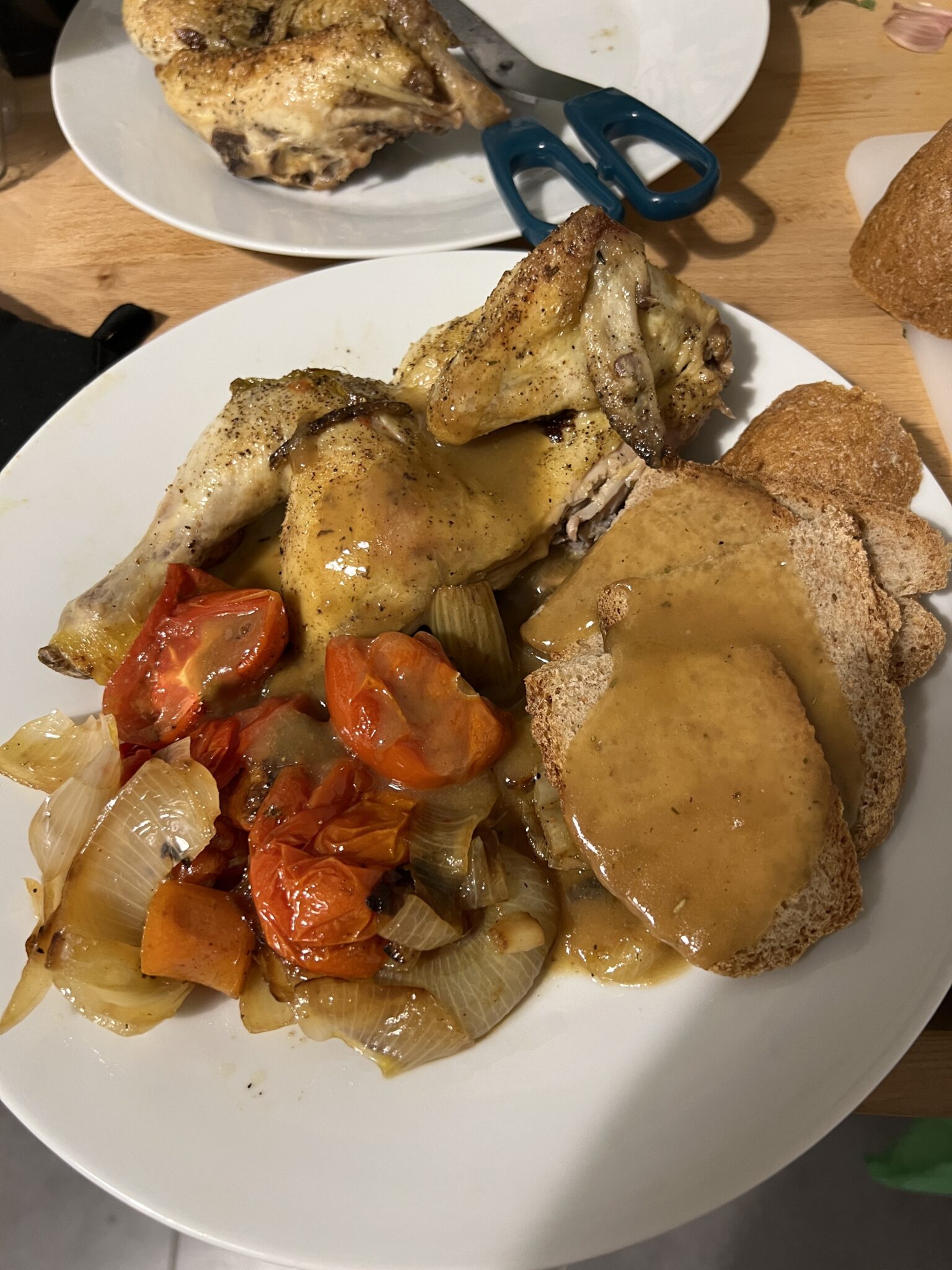
From the sublime to the ridiculous, I made another little chicken last night, with bits and pieces of veg and herbs that needed using up. Celery, tomatoes, onions, fennel, carrot.
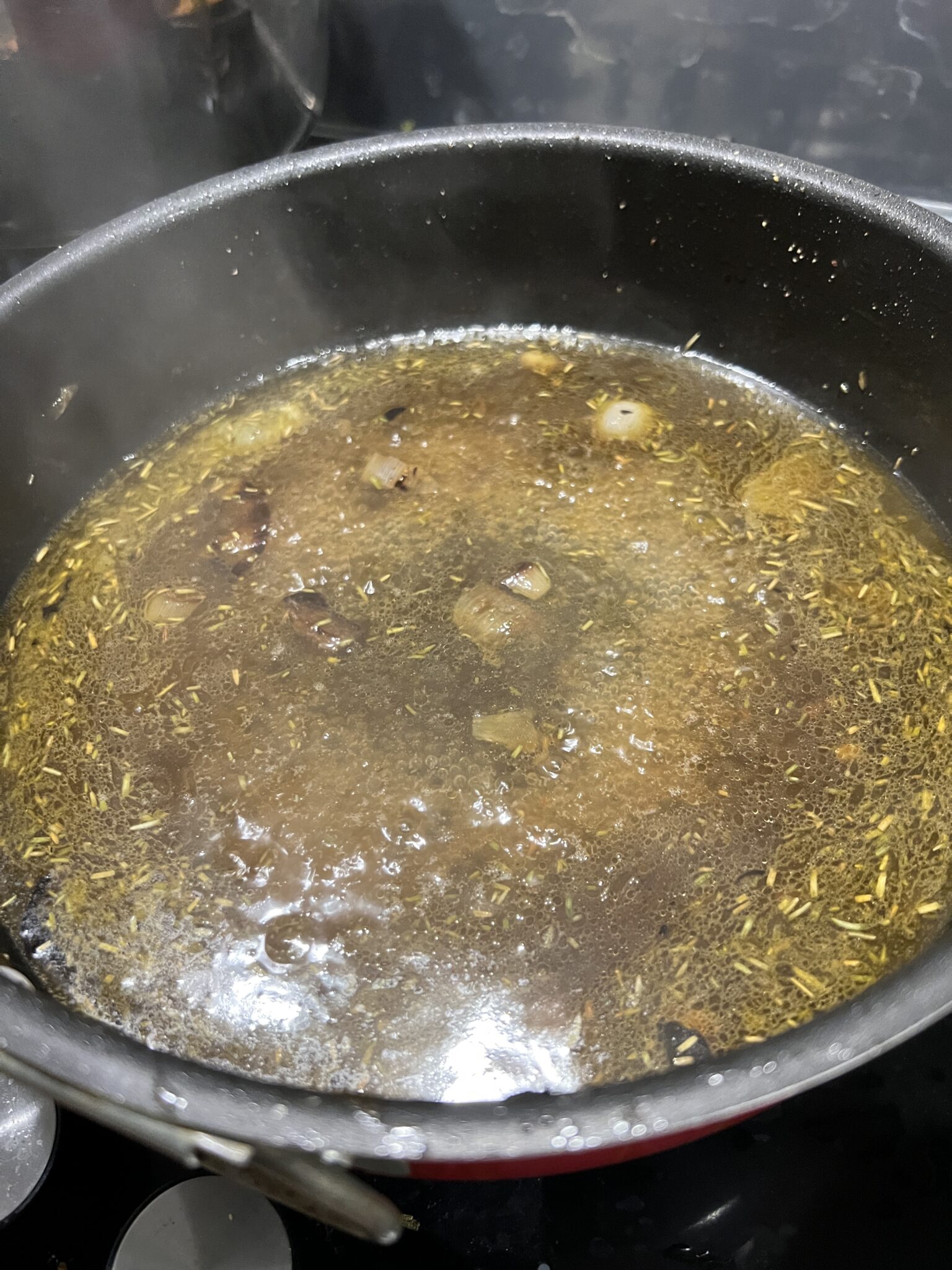
Having extracted everything but the juices I reduced. I didn’t like the look of this at all.
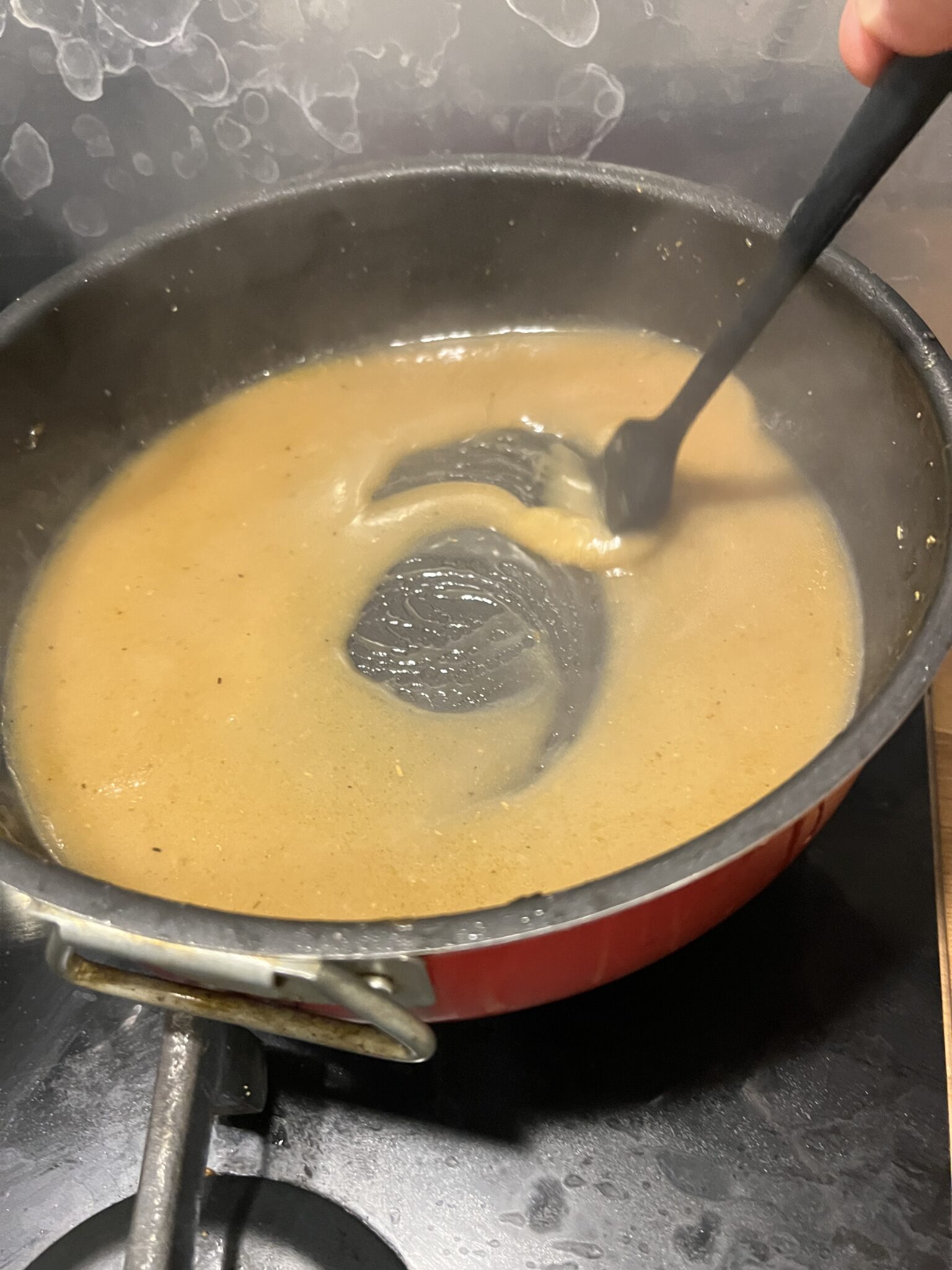
After I strained it, I tempered some wine and flour with warm juice and then started working it in.
Whack that little bird in half. Scissors work. Speaking of halves.
Some pane integrale di Lanuvio that was about to go into the “This Is Now Like Rock” bag, softened with gravy.
I’m back in the mode of never going out to eat.
I should constrain myself to go to a couple of places.
The Romanian stage of the Chess Tour is on and concludes today. Alireza Firouza, ever more dangerous, gained on Fabiano Caruana by breaking through Ian Nepomniachtchi’s fortress. HERE Anish Giri took down Ding Liren with a knight sac. Bloody. There was wierd energy because Richard Rapport and Bogdan-Daniel Deac at the beginning when Richard didn’t retract the “guest first move” and Bogdan wanted him to. No handshake. Bog slapped the clock button and Rapport went to talk to the Arbiter. Wesley So. Let’s go, Wesley! Drew with Fabiano. Just didn’t want to fight.
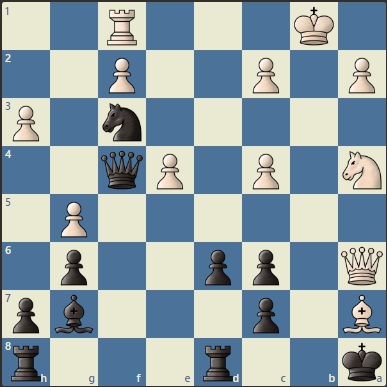
Here’s a puzzle.
White is threatening mate. Black to move… and mate!
NB: I’ll hold comments with solutions ’till the next day so there won’t be “spoilers” for others.
As I said before. Buy some beer from the traditional Benedictine monks in Norcia. It is REALLY GOOD.
Finally, I saw a thing on Twitter, people posting contrasting images with the caption:
The two sides of my personality, constantly fighting.
Please remember me when shopping online. Your use of my Amazon affiliate link is a major part of my income. It helps to pay for insurance, groceries, everything. Thanks in advance.
“This blog is like a fusion of the Baroque ‘salon’ with its well-tuned harpsichord around which polite society gathered for entertainment and edification and, on the other hand, a Wild West “saloon” with its out-of-tune piano and swinging doors, where everyone has a gun and something to say. Nevertheless, we try to point our discussions back to what it is to be Catholic in this increasingly difficult age, to love God, and how to get to heaven.” – Fr. Z
Dan on This is what I get when I procrastinate…: “SSPX, necessity. More documented proof. While for years those who wished to reform the Church have played a long game,…”
Federated Computer… your safe and private alternative to big biz corporations that hate us while taking our money and mining our data. Have an online presence large or small? Catholic DIOCESE? Cottage industry? See what Federated has to offer. Save money and gain peace of mind.
“Until the Lord be pleased to settle, through the instrumentality of the princes of the Church and the lawful ministers of His justice, the trouble aroused by the pride of a few and the ignorance of some others, let us with the help of God endeavor with calm and humble patience to render love for hatred, to avoid disputes with the silly, to keep to the truth and not fight with the weapons of falsehood, and to beg of God at all times that in all our thoughts and desires, in all our words and actions, He may hold the first place who calls Himself the origin of all things.”
Everyone, work to get this into your parish bulletins and diocesan papers.
The most evident mark of God’s anger and the most terrible castigation He can inflict upon the world are manifested when He permits His people to fall into the hands of clerics who are priests more in name than in deed, priests who practice the cruelty of ravening wolves rather than the charity and affection of devoted shepherds.
St. John Eudes
Your support is important. Thanks in advance.
To donate monthly I prefer Zelle because it doesn't extract fees. Use
frz AT wdtprs DOT com
Donate using VENMO
GREAT BEER from Traditional Benedictine Monks in Italy
Good coffee and tea. Help monks.
I use this when I travel both in these USA and abroad. Very useful. Fast enough for Zoom. I connect my DMR (ham radio) through it. If you use my link, they give me more data. A GREAT back up.
Help support Fr. Z’s Gospel of Life work at no cost to you. Do you need a Real Estate Agent? Calling these people is the FIRST thing you should do!
They find you a pro-life agent in your area who commits to giving a portion of the fee to a pro-life group!
Don’t rely on popes, bishops and priests.
“He [Satan] will set up a counter-Church which will be the ape of the Church because, he the devil, is the ape of God. It will have all the notes and characteristics of the Church, but in reverse and emptied of its divine content. It will be a mystical body of the anti-Christ that will in all externals resemble the mystical body of Christ. In desperate need for God, whom he nevertheless refuses to adore, modern man in his loneliness and frustration will hunger more and more for membership in a community that will give him enlargement of purpose, but at the cost of losing himself in some vague collectivity.”
“Who is going to save our Church? Not our bishops, not our priests and religious. It is up to you, the people. You have the minds, the eyes, and the ears to save the Church. Your mission is to see that your priests act like priests, your bishops act like bishops.”
“The modern habit of doing ceremonial things unceremoniously is no proof of humility; rather it proves the offender's inability to forget himself in the rite, and his readiness to spoil for every one else the proper pleasure of ritual.”
- C.S. Lewis
This blog has to earn its keep!
PLEASE subscribe via PayPal if it is useful. Zelle and Wise are better, but PayPal is convenient.
A monthly subscription donation means I have steady income I can plan on. I put you my list of benefactors for whom I pray and for whom I often say Holy Mass.
In view of the rapidly changing challenges I now face, I would like to add more $10/month subscribers. Will you please help?
For a one time donation...
To donate monthly I prefer Zelle because it doesn't extract fees. Use
frz AT wdtprs DOT com
As for Latin…
"But if, in any layman who is indeed imbued with literature, ignorance of the Latin language, which we can truly call the 'catholic' language, indicates a certain sluggishness in his love toward the Church, how much more fitting it is that each and every cleric should be adequately practiced and skilled in that language!" - Pius XI
"Let us realize that this remark of Cicero (Brutus 37, 140) can be in a certain way referred to [young lay people]: 'It is not so much a matter of distinction to know Latin as it is disgraceful not to know it.'" - St. John Paul II
Let us pray…
Grant unto thy Church, we beseech Thee, O merciful God, that She, being gathered together by the Holy Ghost, may be in no wise troubled by attack from her foes. O God, who by sin art offended and by penance pacified, mercifully regard the prayers of Thy people making supplication unto Thee,and turn away the scourges of Thine anger which we deserve for our sins. Almighty and Everlasting God, in whose Hand are the power and the government of every realm: look down upon and help the Christian people that the heathen nations who trust in the fierceness of their own might may be crushed by the power of thine Arm. Through our Lord Jesus Christ, Thy Son, who liveth and reigneth with Thee in the unity of the Holy Ghost, God, world without end. R. Amen.

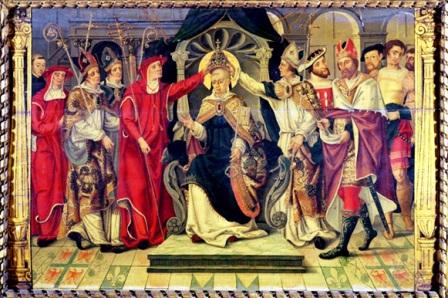
 Celestine came out of the blocks with a strong spiritual program. He created 12 cardinals, the number of the apostles, including 5 monks. Celestine was inspired by the musings of Joachim de Fiore. Celestine probably wanted to ring in a new age of the Spirit, with a strong monastic dimension, in preparation for the end times.
 Poor Pope Celestine couldn’t hold it all together. He abdicated on 13 December 1294 after only 5 months as Pope. The cardinals elected Benedict Caetani, who took the name Boniface… Boniface VIII.





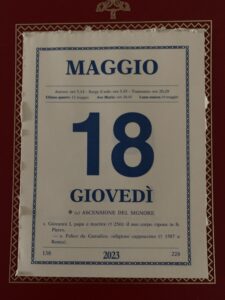 The sun hath arisen: 05:45. The sun shall sink: 20:29. The Ave Maria Bell would be heard to hath rung: 20:45. Verily, it soundeth not.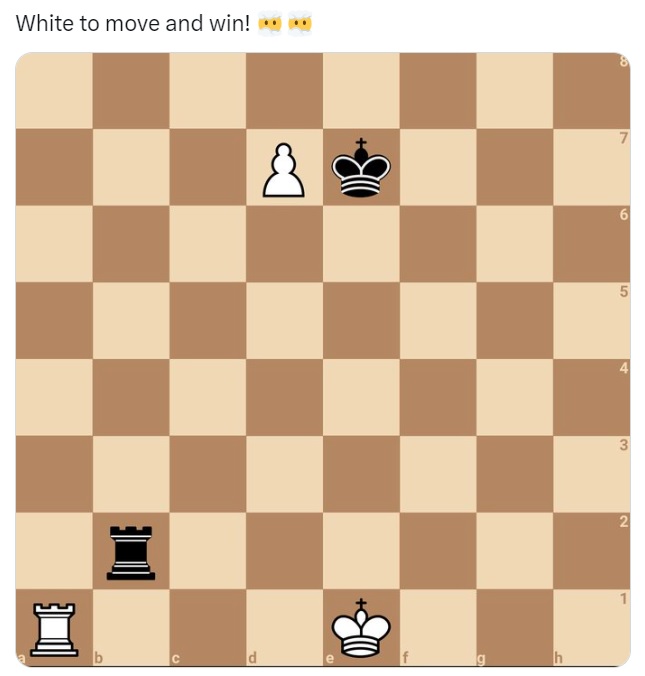


 May 17th, 2023
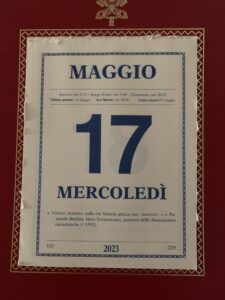 At 05:46 the sun was up. At 20:28 it’ll go down, from our perspective. The Ave Maria should sound at 20:45 still.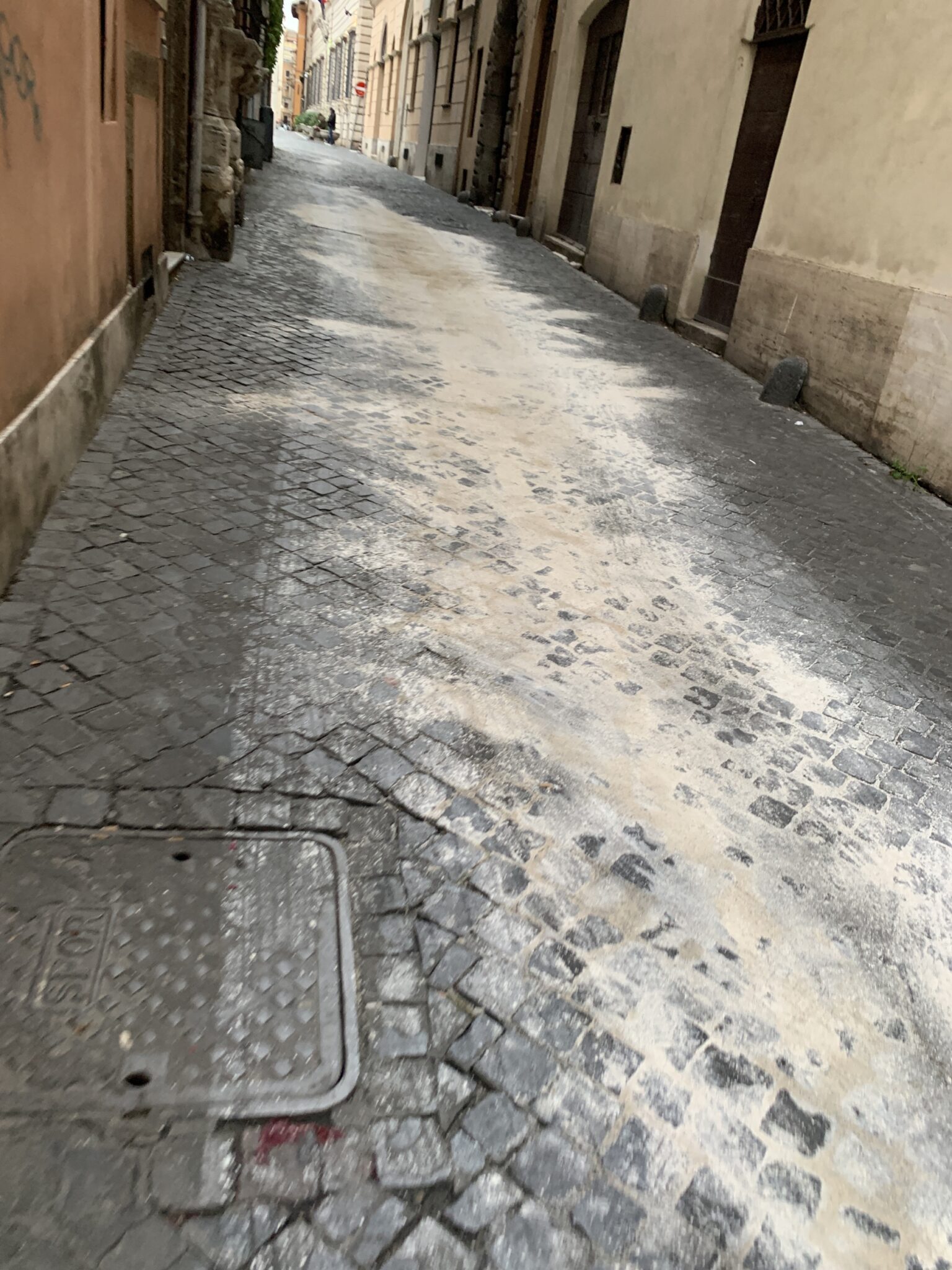
 Each day is just a little longer. The sun rose at 05:47 and will set at 20:27. The Ave Maria Bell ought to be rung at 20:45 right now. In a few days it will shift another 15 minutes to accommodate the longer day.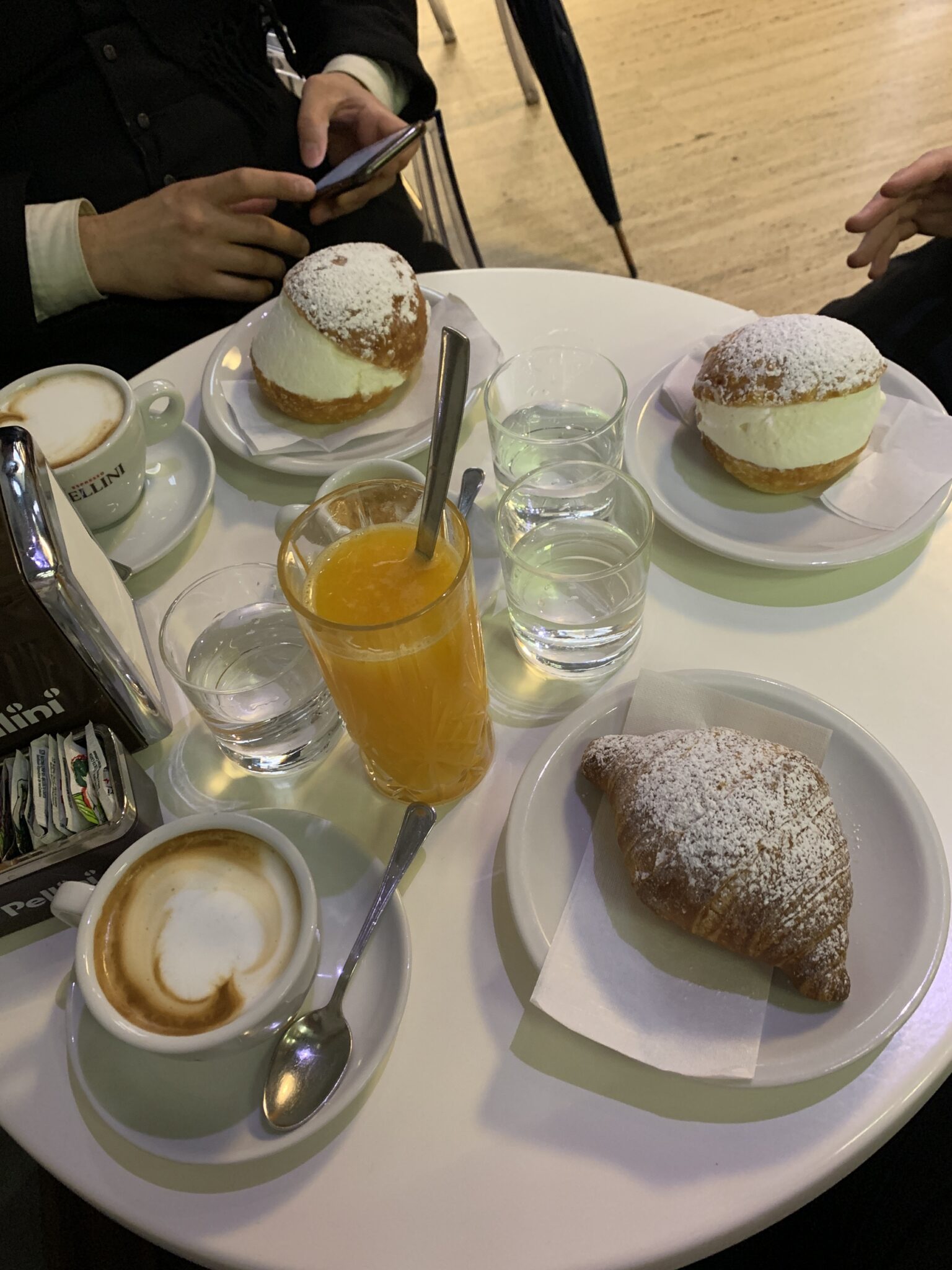


 Roman sunrise was at 05:48.



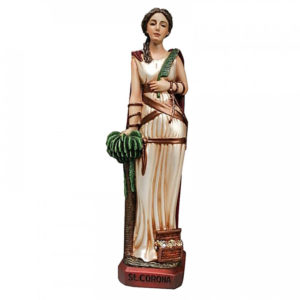 Not very nice. The statue is nice, however.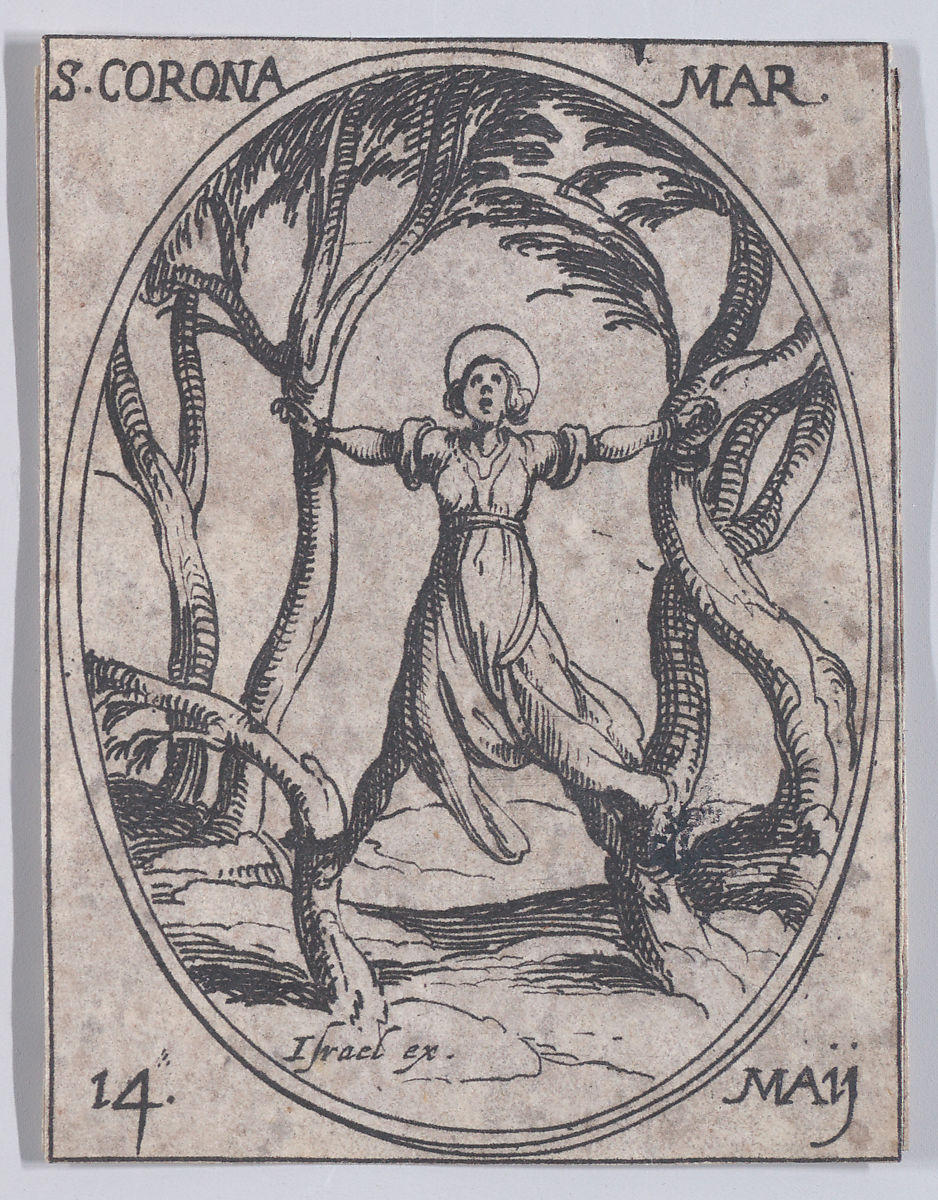




 David on 11 October: Maternity of Mary. A tale of an antiphon, image, and a little street chapel.: “Father, there is a lovely setting of this antiphon in Catholic polyphony by the great Spanish Renaissance composer Cristóbal de…”


























