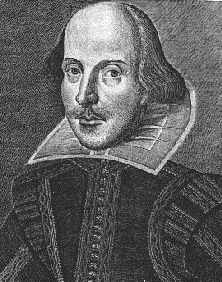
Shakespeare’s birthday, and therefore Talk Like Shakespeare Day, arrived full of expectation on 22 April. I posted HERE.
I was working, feverishly, on deciphering the manuscript I mentioned of a hitherto unknown offering by the Bard. I missed the target day. (I’ll have to wait until February, perhaps, to bring out a strange new work by Christopher Marlowe named, as far as I can tell, “Doctor Fauci”.)
In any event, who needs Marlowe when Shakespeare is in the house.
Enjoy.
Two Gentlemen of Corona
A comedy in one National Defense act
Dramatis Personae
Chorus
Jim Acosta – CCN
Jeremy Diamond – CNN
Andrea Mitchell – MSNNBC
Donald J. Trump – POTUS
Kellyanne Conway – Adviser to POTUS
Andrew Cuomo – Gov. of New York
Michael Richard Pence – VPOTUS
Chorus of Briefing Room Newsies
[BY THE WASHINGTON MONUMENT. PROTESTER’S CARS HONKING]
CHORUS:
Now is all the middle class on fire,
and all free movement in the wardrobe lies.
Now democrats through webcams vaunt and seek
full powers, agendas red and sickly green
and lust for jack boots rises in their breasts.
They sell the nation’s jobs to buy their seats.
Conspiring with the media of mass
they choose, they, who will essential be
and what the folk may buy is in their hand.
O Land of the Free, of free motion now bereft
where even doors of churches barr’d have been.
Now for the evening updates gather newsies,
POTUS all to badger and lambast.
The Donald, with staff rounded, tarries there,
with repetitious explanations loud.
But see, the massy media like him not,
and three corrupted pawns forthwith are sent.
Acosta, vile of CNN, and next,
Diamond of same, like in forkéd tongue.
Andrea of MSNBC
joins them, conspirers, journalistic, fake.
The sum is paid, the liberals are agreed.
‘Ere he halt the dread virus coronal
by their hands this strong POTUS must fail,
if hell and treason hold their promises,
and secure senile Biden in the fall
by abuse of distancing and budget.
Linger, your patience on, and we’ll digest.
The Donald comes forth from office oval,
and the stage is now in White House fair.
Unto Briefing Room do we shift our scene.
[ENTER DIAMOND of CNN:]
DIAMOND:
I hate the Trump. So for my part I’ll prod
to seek that sore spot which shall then incite
the bad orange man to wave his hands and lend
bites sonic for our news. We suffer now
in ratings video. He’ll always rise
to unfair snark and half truth’s, which we fling
as chimps their poo on those who do displease.
But soft, I see that Mitchell, Andrea,
of network other, but of purpose same.
[ENTER ANDREA MITCHELL of MSNBC]
MITCHELL:
Make way, make way, for was there ever any
such as I. You, sirrah, get thee from my face
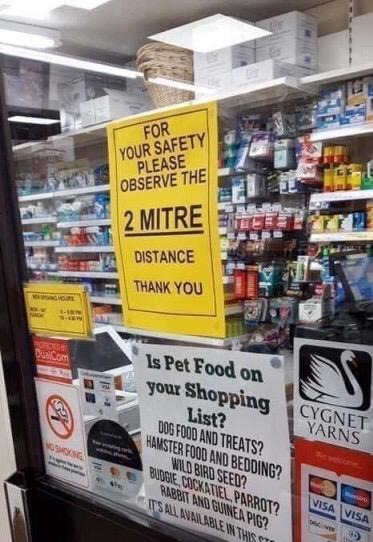
and distance thyself socially, you disgrace.
DIAMOND:
Why doyen dear, and dreaded dowager
of powers journalistic never bested.
Rough though I be, am I Diamond
correspondent of great C and N and N.
MITCHELL:
Speak up, sirrah. Prate. Ask you of me aught?
Or is it that some cat your tongue has caught.
DIAMOND:
O great rep of Peacock and of dems
I would conspire with thee ‘gainst common foe.
MITCHELL:
Thou coulds’t mean only one and I am game.
Our outlets different and yet they are the same.
We seal our common project with a shake.
DIAMOND (aside):
Which when it serves her purpose she will break.
[ENTER ACOSTA of CCN]
MITCHELL:
Tut’, here comes Acosta. Sound him out.
DIAMOND:
Companion both of network and desire
to put into the fire dread POTUS’ feet,
he comes. I’ll to him straight to seek his boost,
the better for my purpose and device.
Acosta, hail, well met, thou fighting scribe
irritating all who have good taste.
What cheer? We would have speaks with thee.
ACOSTA:
Andrea! What ho? See’st what I did?
I get why you do me accost. HA HA!
Come, let us form a plan and play
Trumpicus Magnus like a card. HA.
Again I’ve done it. I’m verily too much.
[TRUMPETS SOUND]
ACOSTA:
Hark the brassy trumpin’ trumpets sound
Trump the would-be despot for to call.
See what I did there with my wit so keen?
O’er myself I cannot get. Ai me!
DIAMOND, MITCHELL, ACOSTA and NEWSIE CHORUS:
Resolved we are in our conspiracy.
Donald Trump to bite until he bleed
for stirring up our ratings is our need.
[ENTER POTUS, VPOTUS, STAFF:]
TRUMP:
Take seats alternatively spaced as signs
portend, and let us start the evening brief,
our general and common spar,
you with charges fake and less than kind
and I with perfect counters and retorts.
ACOSTA [SHOUTING]:
You’ve done nothing for the sick! Wherefore?
DIAMOND [SHOUTING]:
Proud you are and xenophobic? Why?
MITCHELL [SHOUTING]:
Who, which, and when and how and other things?
TRUMP:
The usual queries less than smart or fair
these beauts do bandy each and every day.
Of brains they have or none or few in skulls,
less, at least, than on their days of birth.
ACOSTA:
Oh Trump, you claim to outperform the just
expectations of all who thee oppose….
TRUMP:
Here it cometh now, as all foresaw it would.
Agere sequitur esse verified.
ACOSTA:
… but there resound still throughout all the land
reports that some are ever stricken down
with virus coronal and are ill. Tell! Speak! Reveal
when first you wished for citizens to die.
TRUMP:
A weasel hath not such a deal of spleen
as thou of CNN art toss’d with.
Me think’st thou art a general offense
and every man should beat thee here and now.
DIAMOND:
Oh POTUS, you are by Pelosi, and by Schiff
rightly known as agent Slavic and in debt
to Vlad, potentate of Russia and no friend.
Say! Reply and tell, how long you’ve been
his pawn, for your impeachment looms renewed.
TRUMP:
An ass-hat, a coxcomb, and a knave.
A thin fac’d and a CNN paid knave.
I’d beat thee, but I would infect mine hands.
MITCHELL:
O President – for how long yet we muse –
by bumpkins and by hicks deplorable
were you beyond your place upraised by votes
to might executory. Spill! Admit! Make known!
How thou didst rudely cheat fair Hillary,
our solitary hope, solace, and star.
TRUMP:
There’s no more faith in thee than in stew’d prunes.
Imbecile of Messed-UP NBC.
Away you three-inch lily-livered fool.
DIAMOND [aside to ACOSTA]:
Dem overlords will pay our guerdon gold,
For Trump reacted as vaticinated.
ACOSTA [aside to MITCHELL]:
In seeming independence do we strive
to bait and fleer at POTUS oftentimes.
MITCHELL [aside to NEWSIE CHORUS]:
We’ve done our masters bidding you and I
to raise the viewer ratings. Pour it on!
TRUMP:
The motto “More than others” has my heart
and mind and efforts guided onward for
the rising spirits of this nation great,
great again, quoth I and iterate
afresh lest skivvies, thralls subservient
of fake ensorcelléd media, all lies,
their repetitious poison pour upon
the public to beguile and to fleece.
For sheep do people seem to moldy dems
like Nancy, hypocrite of House the worst,
and Schiff, whose neck the collar of his shirt
distains, who makes up evidence and tales.
No ambuscade or ploy or subterfuge
is sunk so deep in infamy that you
eschew to dig ‘neath depth penultimate.
Nothing satisfies the slaves of media fake.
Ask queries honest or out your rears betake.
[NOISE BEYOND OF RUNNING – ENTER CONWAY]
Why, Cuomo is coming, in an new hat but still an old jerk, a pair of madras breeches thrice to small, a pair of boots that have been golf-club cases, and with him, sir, his lackeys, for all the world caparisoned like the DCCC, with mismatched clothes for sake of diversity, and gartered with transgendered hose, and …
[ENTER CUOMO with diversity retainers]
Of rears thou speakest, thou in Gotham reared.
I come, of Empire State, hereditary boss.
Measurement of casements is my goal,
windows for to cover with new drapes.
Crisis opportune doth televise my face.
Where standest thou, POTUS, in this cruel day
and hour of pestilence, there I’ll advance.
That spot I’ll have off thee, and with it lights
to face the fawning newsies, party dupes.
When hour of choosing comes at last and
public ballots, rigged and counterfeit,
enumerated are and then covered o’er,
I shall be what thou from us did thieve.
Poor Biden’s place I’m sure to take.
when and if the delegates will flock
to Milwaukee, Cream city by the lake.
Upon me verily, heir of New York state,
with outstretched begging hands will they bequeath
full measure of their wish, for thee to rout.
Shall they be denied? Speak, O Donald.
TRUMP:
Though from Queens of Gotham I emerged
my way of speaking has been somewhat tamed,
lest with saloon bum cadence, like to thine,
I would drub the ears and make the angels weep.
A caricature of leadership thou bring’st
into this briefing uninvited, gov.
Yet servant art thou of dem gospel pure.
With whining constant hast thou built
prominence with these three mandarins
of fakery and lies. See how they swoon.
Out of my sight. Thou dost infect mine eyes.
DIAMOND, MITCHELL, ACOSTA and NEWSIE CHORUS:
Save us, Cuomo, Cuomo, Cuomo do.
Trump must not ever win. We count on you.
CUOMO:
I’ faith, I revel in their loving chant,
for I do swear true democratic cant.
But come, let us now go. My measuring
completed is and curtains new shall soon
transform this Briefing Room and snowy house.
To Albany, new grumblings to concoct.
TRUMP:
Blow winds, blow, and crack your cheeks! Blowhard!
ACOSTA:
The stars move still, time runs, the clock will strike,
Our Cuomo will come, and POTUS must be damn’ed.
[EXEUNT CUOMO ET AL. CHASED BY NEWSIES]
VPOTUS:
Pensive, honest President, am I
and pence would I thee gladly give for how
to expose and to swiftly bring to light
our future fortune in this pressing strife.
Here ‘bouts stand thy advisors, experts all.
Unused to such deceitful ways, their hedged
remarks are oft remade in headlines that
pervert their inner sense. Briefings had we
for kith and countrymen. But barging by
the New York governor, Cuomo the boor,
and by his egress fleet, attention for
to garner with the mediatic pawns,
I liefer would this meeting now postpone,
to give thee time for respite so well-earned.
POTUS:
Thanks, gentle Veep. Thy care for me is warm
and kindles even now within my heart
new verve our way of living to defend,
covert coronavirus to defeat.
In peace there’s nothing so becomes a man
as modest stillness and humility.
But when the blast of virus blows through our lands,
then imitate the action of the tiger:
beat back the press, call out fake news,
stiffen defense acts, summon up the guard,
disguise our visage with hard favor’d rage.
Doubled must our efforts be, for war
we now ‘gainst microscopic foe allied
with micro-brained assailants in the press.
Full power over citizens and life.
That’s their game. Against them do I stand.
Rest will I not. To Oval Office, Pence!
Be copy now to COVID team and staff
and teach them how to war, networks avoid.
To Oval Office, Veep! Hence, I follow.
[EXEUNT VPOTUS with STAFF, POTUS REMAINS]
What dost thou, or what art thou, Donald John?
Dost thou desire White House fair for things
That bring you fame? Of fame had you enough.
Pols for their robbery have authority
In Washington’s foul swamp. What? Do I want same?
O cunning enemy, that, to catch me out
with barbs they bait the hook. Most dangerous
is that temptation that doth goad us on
to rise to their deceits: never could The Donald,
with all my double vigor, hair and nature,
once calm my temper: but this puissant office
subdued me quite. Ever till now.
When men are fond, I smile and wonder how.
When I would pray and think, I think and pray
to several subjects which everyone rehearse.
The borders to secure and bind up safe.
Our military might to strengthen, once declined.
To see babes unborn be born safe and loved.
To make again America so great as
she once was proud to be. And is again.
Was again? Until this plague, this vile
enemy did war it down with poison foul.
No, not MSNBC or CNN,
Though they come first to mind in order grim.
No, not the democrats and their dim ilk,
though me and country do they scorn and hate.
Nay, rather, virus COVID, covert germ
disease infectious lays us low with fear
and forces distance social, lockéd shops.
Jobs, thus, do I ponder. O work and jobs!
The nation must reopen. That shall I perform.
Till then headlong I’ll run against the foe.
O God in heav’n have mercy on my soul.
Impose some end to our incessant pain.
Let POTUS live in mediatic hell
for four more years, lest Cuomo, shifty Schiff,
Sad Nancy, AOC and witless Squad
America can raze, and turn from God.
[EXIT POTUS]

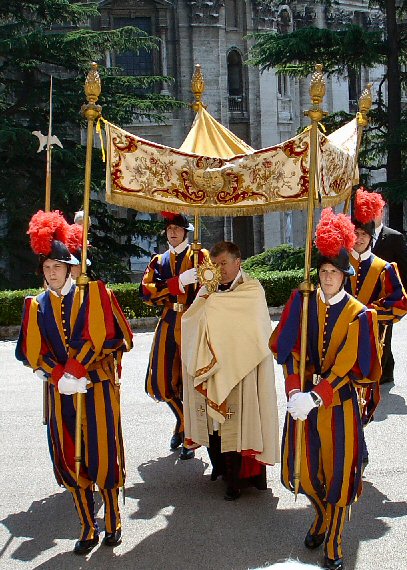 Years ago I was outside the Paul VI audience hall waiting for my bishop. There were there various drivers, priests waiting for their bishops, newsies, etc. An old Italian bishop, tired of the yakking inside the meeting of their conference, had come outside. Since the German college inside the Vatican walls was just nearby, I described the beautiful Corpus Christi procession we had had in the Vatican Gardens, with Swiss Guards carrying the canopy. The old man nodded with approval and growled: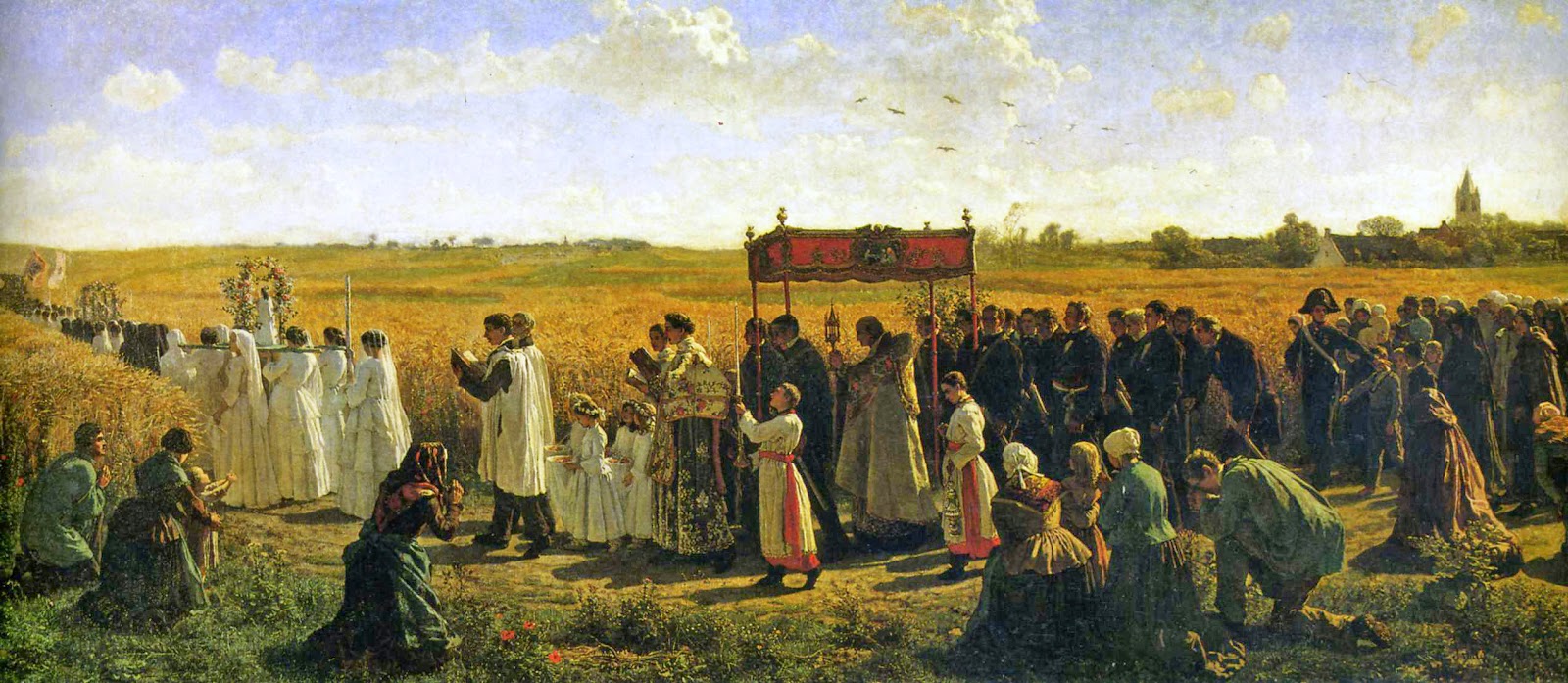






 Fr. Timothy Ferguson on Summorum Pontificum Pilgrimage 2026… *sigh*… Vatican Bars Annual TLM Pilgrimage from ENTERING St. Peter’s Basilica: “Okay, let’s presume for a moment that the spin being put on this is correct – it was a scheduling…”




























