LENTCAzT 2026 – 01: Ash Wednesday – Man your stations!

A 5 minute daily podcast to help you in your Lenten discipline.

Remarks about the Roman Stations, the manner of imposition of ashes, and thoughts of Fr. Troadec, which I don’t believe I’ve read on an Ash Wednesday. He’s terrific. And brief. Terrific partly because he’s brief!

Yesterday’s podcast HERE

Posted in LENTCAzT, PODCAzT | Tagged , , ,
1 Comment

ASK FATHER: Ashes On Very Small Children, Babies? – PRIESTS invited to comment especially

ashes and babiesFrom a priest:

Reverend and Dear Father,

Ash Wednesday is soon to be upon us, and I am faced with the situation I am often faced with: whether to impose ashes on cute, angel-faced infants.

It never fails that, as the faithful come up for ashes, they bring children.

I don’t see the purpose of imposing ashes on babies, who are unaware of not only sin, but what the ashes represent (as well as what the formula spoken means).

I know, if I don’t impose ashes on them, I’ll get bad looks from both sides of the ecclesiological spectrum.

Is there a reason I can cling to why babies should receive ashes?

I hope a few priests will jump in with their experience and thoughts on this matter.

Father, you are right that, looking at it with the cold eyes of reason, there is little point to imposing ashes on an infant.  Sure there is the cuteness factor.  More importantly, you will  avoid the ridiculous discussions you will have to endure if you don’t put ashes on the precious bundle of joy.  Inevitably someone will be upset that little Stupor Mundi didn’t get the ashes, especially because we live in an age when everyone has to “get theirs”, and in particular if it’s free.  No reason will be involved in these discussions, by the way.  You’ll have to deal with emotions, usually “mom’s”, and you cannot win on that field.  So, Father, unless you have lots of time and patience, just put the ashes on the kids.

On the other hand, our Catholic identity is rooted in more than what we grasp from the light of reason. Deep memories and emotions, implanted impressions, also play their role.  I have some really early memories.  You just never know what ineffable memory might be planted!  Seriously.

It seems to me that if it is obvious that mommy or daddy want Precious Darling™ to have ashes, then go with that. Put the ashes on the kid and move on (I am assuming that you are moving along the altar rail where people are kneeling like the good Catholics they ought to be).

Oh… right… Charlotte… sorry, it just came out.  I didn’t mean….  Sorry.

If you are not sure if mommy or daddy expects Her Cuteness™ to get smeared with the gritty burnt vegetable remains which could get her wittle eyes, then ask about it.   You could ask something like, “Do you want some of this harsh and gritty burnt vegetable ash near her sensitive eyes or not?”

On second thought, how about, “And your child?”

I would advise, that if the ashes are put on a bit thick on the child’s forehead that you watch carefully that you not get any in the child’s eyes.  After that you can, if the image isn’t a bit ironic, wash your hands of the matter…. which come to think of it you’ll be doing before Mass continues.  I digress.  Just don’t you get ashes in the child’s eyes.  The parent’s eyes, on the other hand….

“But Father! But Father!”, I can hear some people shouting.  “Clearly you think ashes shouldn’t be put on babies.  How old is old enough for the ashes? Do we have to wait for 1st Holy Communion? Is it that you hate babies?  THAT’s it, isn’t it.  AND… YOU HATE VATICAN II!”

First, I didn’t say babies should not be given ashes.  Read again what I said above about deep memories.  I wasn’t kidding about that.  I am not being merely pragmatic.  However, I would add that if little Stupor Mundi is old enough to say “sorry” to Jesus before beddy-bye, she is also old enough to start learning about penance and self-denial and what the ashes stand for: We are dust and unto dust we shall return.

Hmmm… now that I think of it, if a parent has to look at the smudge on baby’s head and think about death, that could be a good thing.

Reverend and Dear Father, since this is a sacramental, and not a sacrament, I think we can have some leeway.  And before anyone brings it up by shouting “But Father!” …. AGAIN… this is not quite like the “blessing for babies at Communion time” issue: that moment is for Communion, not blessings.  Dealing with the fallout (get that “ash” image?  heh?) might be the same, they are not the same problem.

Finally, Father, if you are going to make the decision not to put ashes on babies, may I recommend making a good confession before your first Ash Wednesday Mass?

If you survive, let us know how it went.

Priests.  Chime in.

Posted in "But Father! But Father!", "How To..." - Practical Notes, ASK FATHER Question Box, Our Catholic Identity | Tagged
6 Comments

18 February 2025 – Ash Wednesday – Fasting, Abstinence, and You (with remarks on coffee and the brushing of teeth)

According to the 1983 Code of Canon Law for the Latin Church, Latin Church Catholics are bound to observe fasting and abstinence on Ash Wednesday.

Here are some details. I am sure you know them already, but they are good to review.

FASTING: Catholics who are 18 year old and up, until their 59th birthday (when you begin your 60th year), are bound to fast (1 full meal and perhaps some food at a couple points during the day, call it 2 “snacks”, according to local custom or law – call it, two snacks that don’t add up to a full meal) on Ash Wednesday and on Good Friday.

Some choose not to eat at all.  Some choose, in the monastic style, to have something only in the evening.

There is no scientific formula for this.  Figure it out.

ABSTINENCE: Catholics who are 14 years old and older are abound to abstain from meat on Ash Wednesday and on all Fridays of Lent.

In general, when you have a medical condition of some kind, or you are pregnant, etc., these requirements can be relaxed.

For Eastern Catholics there are differences concerning dates and practices. Our Eastern friends can fill us Latins in.  However, in the main, Eastern Catholics observe rigorous fasting disciplines rooted in ancient practice. Great Lent includes abstinence from meat, and often dairy, eggs, wine, and oil on prescribed days. The Eucharistic fast traditionally begins at midnight. Wednesdays and Fridays are penitential. Particular Churches follow their own customs.

You should by now have a plan for your spiritual life and your physical/material mortifications and penitential practices during Lent.

You would do well to include some works of mercy, both spiritual and corporal.

I also recommend making a good confession close to the beginning of Lent.  Let me put that another way:

GO TO CONFESSION!

“But Father! But Father!”, some of you are saying anxiously, “What about my coffee?  I can drink my coffee, can’t I?  Can’t I?”

You can, of course, have coffee.  No question there.  You can also choose not to.  Unless there are health issues or work/calorie issues, you can choose not to eat anything for the day.   But back to the critical question:

How about coffee in between meals on Ash Wednesday?

The old axiom, for the Lenten fast, is “Liquidum non frangit ieiuniumliquid does not break the fast”, provided – NB – you are drinking for the sake of thirst, rather than for eating.

Common sense suggests that chocolate banana shakes or “smoothies”, etc., are not permissible, even though they are pretty much liquid in form.  They are not what you would drink because you are thirsty, as you might more commonly do with water, coffee, tea, wine in some cases, lemonade, even sports drinks such as “Gatorade”, etc.

Again, common sense applies, so figure it out.

Drinks such as coffee and tea do not break the Lenten fast even if they have a little milk added, or a bit of sugar, or fruit juice, which in the case of tea might be lemon.

Coffee would break the Eucharistic fast (one hour before Communion), since – pace fallentes  – coffee is no longer water, but it does not break the Lenten fast on Ash Wednesday.

You will be happy to know that chewing tobacco does not break the fast (unless you eat the quid, I guess), nor does using mouthwash (gargarisatio in one manual I checked) or brushing your teeth (pulverisatio – because once people used tooth powder, Latin pulvis – and you still can!  GETCHYER TOOTH POWDER HERE! There is even one with charcoal (ashes?  Remember, O man!).  The ancient Romans – at least the ancient Iberians under the Romans – as we know from a poem by Catullus, used chalk and urine. Yes.  They did (cf. Catullus 39 about Egnatius, who apparently grinned to excess).

EVERYONE NB: Never forget the Latin proverb, risus abundant in ore stultorum… laughter/grinning abounds in the mouths of the stupid.  And, in the aforementioned Cat 39, “nam risu inepto res ineptior nulla est… there is nothing more tasteless than a silly laugh”.  If you have a risus ineptus you would do well to change your ways.

Concerning the consumption of alligator and crocodile – HERE

I included notes also on the eating of endothermic moonfish, peptonized beef, and muskrat… just in case.

If you want to drink your coffee and tea with true merit I suggest drinking it from one of my coffee mugs.  I’d like to offer an indulgence for doing so, but that’s above my pay grade.

I just happen to have available a “Liquidum non frangit ieiunium” mug!  HERE

And there’s also this new choice…

3:16 isn’t just in John.

CLICK to see MORE

Posted in "How To..." - Practical Notes | Tagged , ,
2 Comments

Fr. Z’s Mom – R.I.P.
HERE


Posted in SESSIUNCULA |
1 Comment

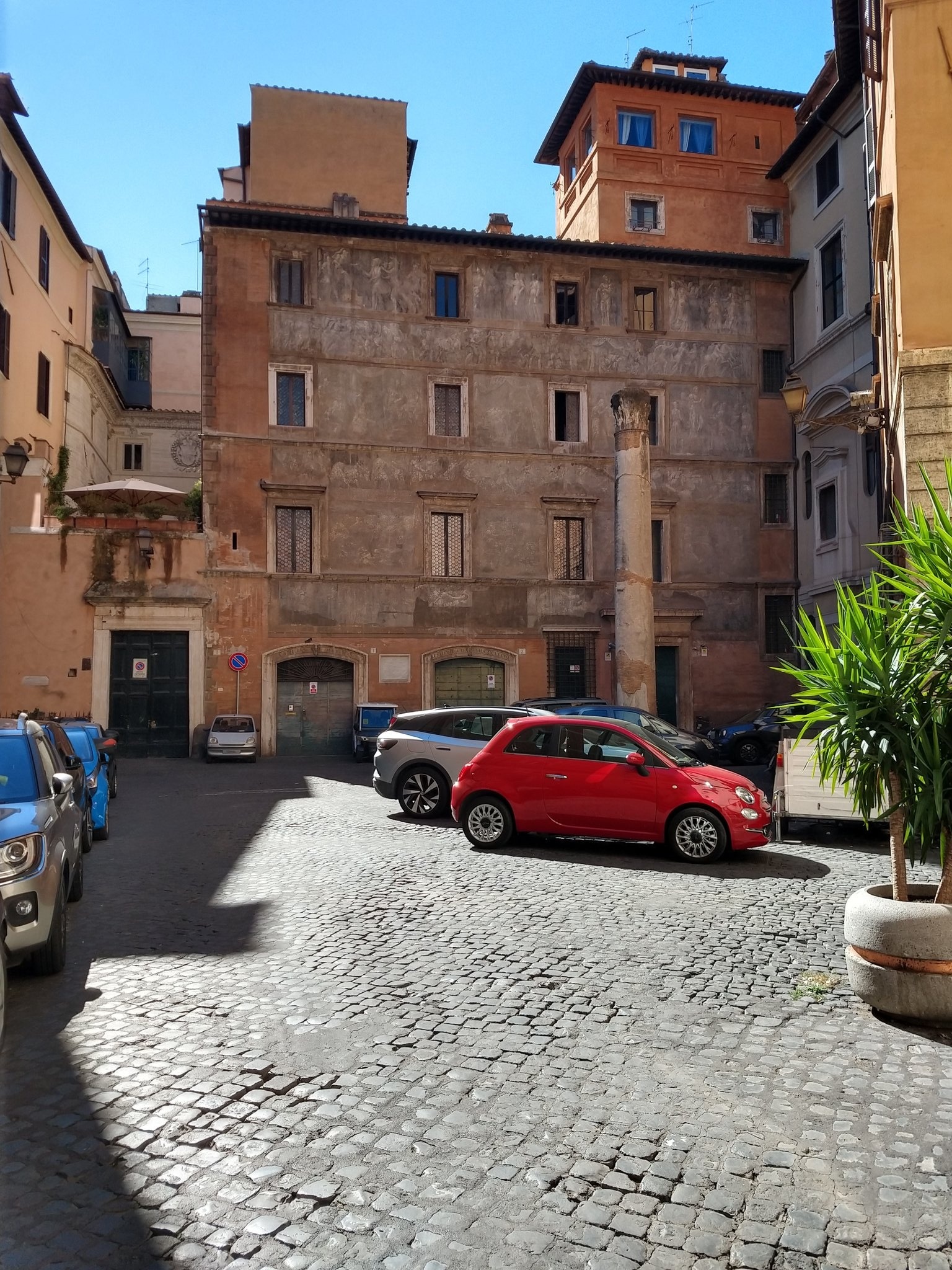
Daily Rome Shot 1552 – Sorry about this… truly… but the point has to be made.

YouTube thumbnailYouTube icon

Today’s Wordle: fail

Sorry about this… truly… but the point has to be made.

Please remember me when shopping online and use my affiliate links.  US HEREWHY?  This helps to pay for health insurance (massively hiked for this new year of surprises), utilities, groceries, etc..  At no extra cost, you provide help for which I am grateful.

In other news, at RocketLaunch.Live I see that there was a launch on 12 February of “Amazon Leo” satellites.  Pope Leo should have gotten a copyright in place.   This is for Amazon’s satellite internet service.  I’m sure Elon is quaking in his boots.  He only has launches like every other day… with his own SpaceX delivery methods.

Oh yes, it was the launch of “Amazon Leo (LE-01)” which suggests to me that they are only just now getting this project, pardon me, off the ground.   Be sure to tip your waitress.

Have you been here?

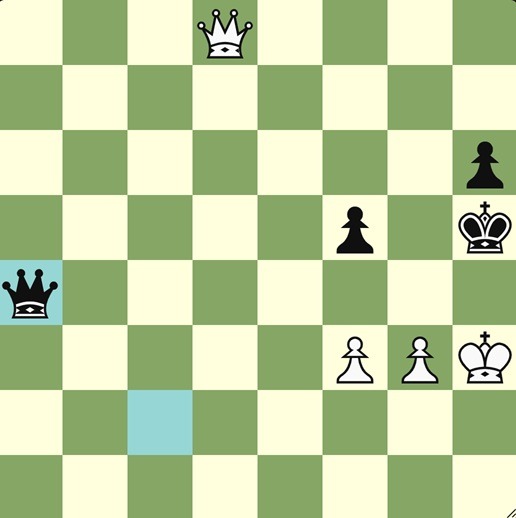
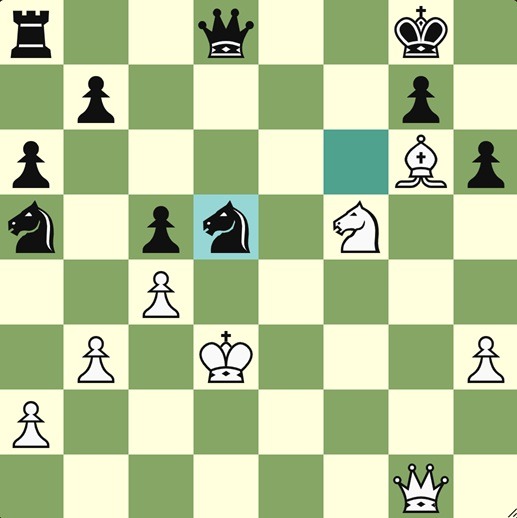
Black to move and mate in 4. Tricky. HERE

Posted in SESSIUNCULA |
5 Comments

LENTCAzT 2026 – 00: Shrove Tuesday – Shrove refers to being shriven

A 5 minute daily podcast to help you in your Lenten discipline.

Getting ready for the Church’s annual retreat when we will be confronted with reality.

Posted in LENTCAzT, PODCAzT | Tagged , ,
1 Comment

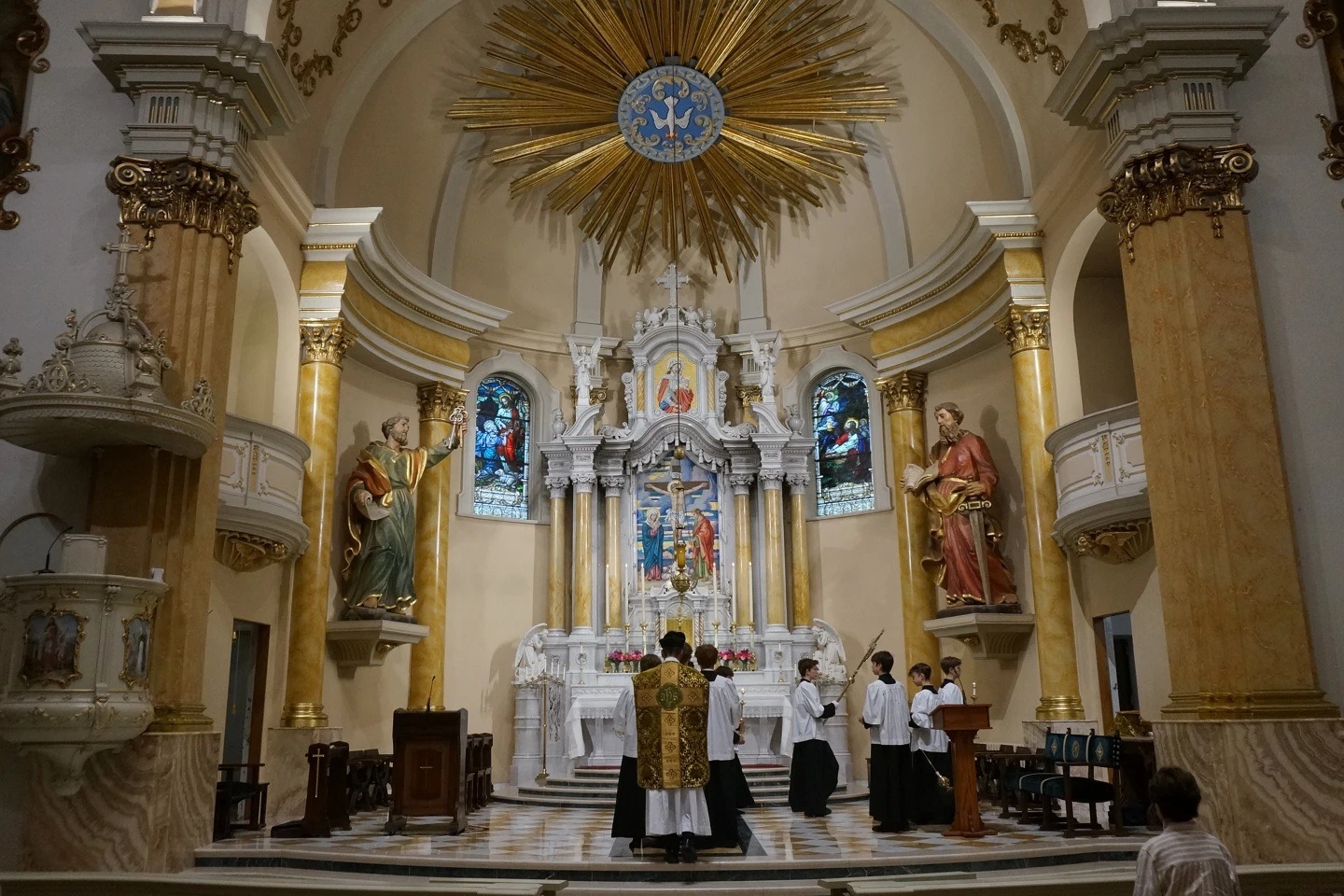
Daily Rome Shot 1551

Forty Hours at The Parish™

Please remember me when shopping online and use my affiliate links.  US HEREWHY?  This helps to pay for health insurance (massively hiked for this new year of surprises), utilities, groceries, etc..  At no extra cost, you provide help for which I am grateful.

Black to move and mate in 4.

NB: I’ll hold comments with solutions ’till the next day so there won’t be “spoilers” for others.

Posted in SESSIUNCULA |
1 Comment

Fr. Z’s Mother – R.I.P.

In your kindness please pray for the repose of my mother’s soul.  She died last night (Saturday 14 Feb).

As I wrote before, mom was received into the Church shortly before she went to the hospice.  She made her confession, was shriven, confirmed, anointed and received Holy Communion.

Yesterday, after she became unresponsive and obviously close to her transition, I gave her Extreme Unction and the Apostolic Pardon.

The prayers for the beginning of the rite for Extreme Unction, for the priest’s entrance into the place, as translated in the Parish Manual which I used are lovely.  As I am fond of repeating to you here, “we are our rites”. Hence… Take a moment to hear them with your heart-ears:

Let us pray.

As I enter here with a sense of my own unworthiness, O Lord Jesus Christ, let abiding happiness enter with me; may the blessings of God and unmixed joy accompany my visit; may fruitful charity and lasting good health come with me. Let no evil spirit gain entrance here. May the angels of peace be present, and may all harmful discord leave this house. Strengthen me with your divine power, and bless + what I am about to do. Unworthy though I be, may my entry be blessed by you who are holy, you who are merciful, you who abide with the Father and Holy Spirit forever and ever.
R Amen.

Let us pray and beg our Lord Jesus Christ to fill with his + blessings this house and all who dwell herein. May he give them his holy angel as their guardian; may he prompt them to serve him, mindful of the wonders of his law; may he ward off every hostile power; may he save them from fear and from all anxiety, and keep them safe and sound in this house. Who lives and reigns with the Father and the Holy Spirit, God, for-ever and ever.
R Amen.

When I received the call that she had passed away, I said Mass for her.

In the sorrow of her earthly loss, I am enheartened by the great grace of her soul being renewed and fortified by the sacraments of the Catholic Church.

And so from this life passed the one who loved me more than any other to the one who is Love surpassing.

Posted in SESSIUNCULA |
1 Comment

WDTPRS – Quinquagesima Sunday: Prepare for BATTLE!

In our traditional Roman calendar, Sunday is Quinquagesima, Latin for the symbolic “Fiftieth” day before Easter.  This is one of the pre-Lenten Sundays which prepare us for the discipline of Lent.

The priest’s vestments are purple. No Gloria.  No Alleluia. The prayers and readings for the pre-Lenten Sundays were compiled by St. Gregory the Great (+604).

The Consilium’s liturgical engineers under Annibale Bugnini and others eliminated these pre-Lent Sundays, much to our detriment.  (Cf. BugniniCare).

Those who participate at Holy Mass in the Extraordinary Form will hear that the Introit refers to the “rock” and the Roman Station today is at St. Peter’s on the Vatican Hill.

COLLECT:

Preces nostras, quaesumus, Domine,
clementer exaudi:
atque, a peccatorum vinculis absolutos,
ab omni nos adversitate custodi.

This prayer is found in the ancient Liber Sacramentorum Augustodunensis and the L.S. Engolismensis.

I cannot find this prayer in any form in the post-Conciliar editions of the Missale Romanum.

You won’t find Quinquagesima either!

Thanks, Bugnini!

The ponderous Lewis & Short Dictionary reminds us that absolvo means “to loosen from, to make loose, set free, detach, untie” or in juridical language “to absolve from a charge, to acquit, declare innocent”.  The priest uses this word when he absolves you of the bonds of your sins.  Vinculum is “that with which any thing is bound, a band, bond, rope, cord, fetter, tie”.  This bond can be literal, as in physical fetters, or it can be moral or some sort of state.  You can be bound in charity or peace, or bound in damnation or sin.  In the case if sin, in liturgical prayer we find a form of vinculum or its plural with “loosing” verbs such as absolvo or resolvo or dissolvo. In ancient prayers, the state of sin was conceived as a place in which we are bound.  The bonds must be loosed so that we can escape and be free.

In the whole of the post-Conciliar Missal I don’t believe the combination peccata absolvere is found, but it is in ancient collections.  One finds the phrase with some additional term such as “bonds” or “ties” of sins.

LITERAL TRANSLATION:

We beseech You, O Lord,
graciously attend to our prayers:
and, having been loosed from the fetters of sins,
guard us from every adversity.

What is the first thing an enemy does to you, once you are captured? 

  • He disarms you.
  • He shackles you.
  • He renders you powerless to do your own will.

Even when we have fallen into sin, we retain free will, but our will is already weakened due to original and actual sin.  We can become so mired in sin that we can’t rule ourselves.

The Sacrament of Penance is a great gift.  It frees us from our self-inflicted chains.

We must strive to live without mortal sin.

But we fall.  In mortal sin we divest ourselves, as it were, of our spiritual armor. We make ourselves prisoners.

We pray to God to protect us from the dire consequences of sin, including the attacks of the Enemy, which on our own without God’s help we cannot resist.

Among the benefits of the Sacrament of Penance, along with being freed from the chains of sins, is a strengthening to resist sin in the future.

These prayers of the pre-Lenten Sundays are meant to help us ready the stores in our interior fortresses before the spiritual battle of Lent.

We must empty out what does not serve and be filled with that which does.

Prepare yourselves for battle and Lent’s discipline.

GO TO CONFESSION!

YouTube thumbnailYouTube icon

Posted in LENT, SESSIUNCULA, WDTPRS | Tagged
1 Comment

Your Sunday Sermon Notes – Sunday in Quinquagesima (N.O.: 6th Ordinary) 2026

Too many people today are without good, strong preaching, to the detriment of all. Share the good stuff.

Was there a GOOD point made in the sermon you heard at your Mass of obligation for this Quinquagesima Sunday, and in the Novus Ordo the 6th Sunday in Ordinary Time.

Tell us about attendance especially for the Traditional Latin Mass.

Any local changes or (hopefully good) news?

A taste of what I offered at 1 Peter 5 this week:

[…]

Hence, the miracle unfolds “ecclesially”. Bartimaeus is not healed in isolation. Others tell him who passes. Others lead him forward. There is a relay. Charity is already active before sight is restored. Someone tells him who is passing. Someone guides him. Someone repeats the invitation: “Take heart; rise, He is calling you.” The Church speaks that sentence every time she beckons a sinner toward confession, every time she urges a weary soul toward prayer, every time she drags the reluctant toward the altar rail. Lent is not a solitary endurance test. Your neighbor has you. You have your neighbor. “Get this man to CHRIST” is not only a line for Bartimaeus of Jericho. It is a description of Christian charity in action.

Are we not all like Bartimaeus at certain points in our lives?

[…]

Posted in Sermons | Tagged
5 Comments