A reminder about Gregorian Masses. I have a post HERE in which I try to match up priests who are available to take a Gregorian series of Masses with people who desire them.
There are a couple of issues.
First, some people desire TLM only. This request is a little harder to match up.
Also, some people – some priests – seem not to take seriously my own request to write to me with the proper subject line and information in the body of the email. This is a little exasperating for me. Please, take care to write as I indicate. It really helps.
In our Catholic tradition we celebrate Requiem Masses for the dead on the day we receive the news, or on the day itself or the day of burial, the third day, the seventh day and the thirtieth day (“month’s mind”). We remember anniversaries.
Gregorian Masses are an ancient tradition going back to St. Gregory the Great (+604) of a continuous series of thirty consecutive Masses said in thirty days for the soul of a deceased person to release them from the Purgatory. Once upon a time, the Masses could only be at the main altar at the Monastery of St. Andrew in Rome, where Gregory had received a message from a “purgatorian” monk who had been released because of thirty Masses said for his soul. Eventually, the “privileged” altars were designated in other Roman churches. I wrote about one such the other day. Often when you visit Roman churches you will see that an altar has an inscription “ALTARE PRIVILEGIATUM”. Originally, these were designated by the Holy See. However, I think that the Holy See granted to bishops to establish them in their dioceses.
With the retooling of all the indulgences, these privileges were all canceled. So, like priests who have been canceled, these altars stand silent and forgotten in the side aisles of churches, like so many sentinels of better days.
However, the Gregorian Masses remain in the Church and we have confidence in their efficacy, just as our forebears did going back to the 6th century and a Pope whom we call, “the Great”.
Too many people today are without good, strong preaching, to the detriment of all. Share the good stuff.
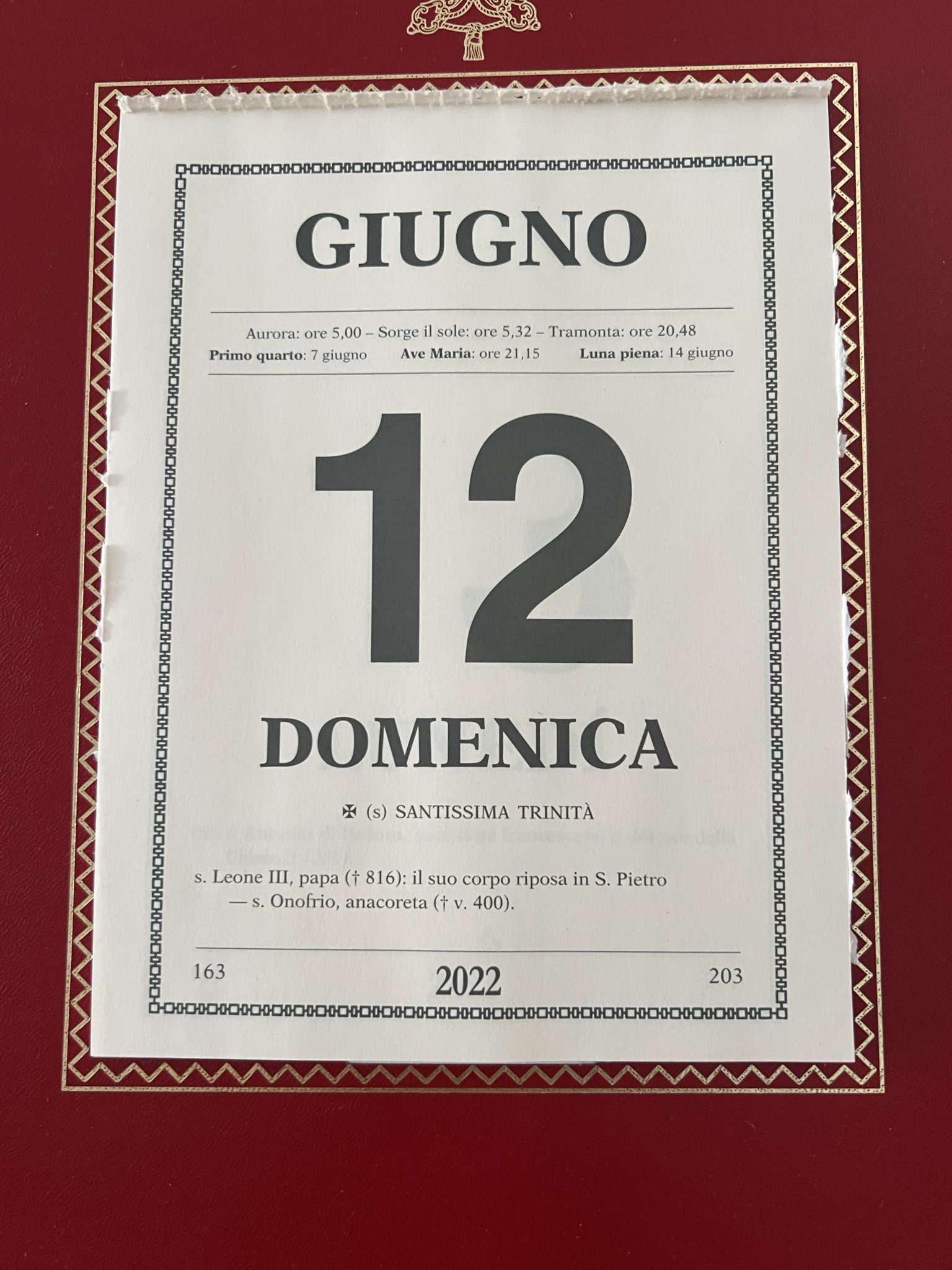
Was there a GOOD point made in the sermon you heard at your Mass of obligation for Trinity Sunday?
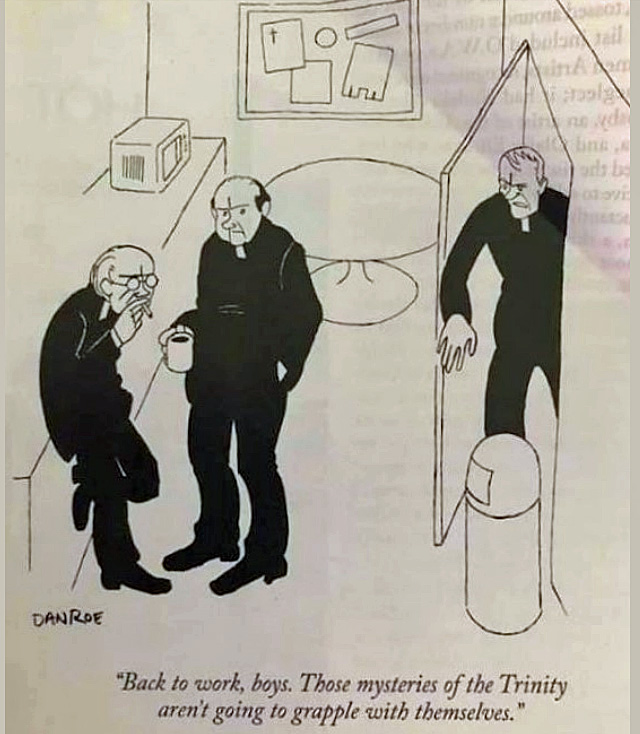
Also, since this is a day when some priests or deacons absolutely go to the zoo in trying to talk about the Trinity, did you hear any really good heresy today, or something just plain stupid? We can have an exception to just good stuff this week.
Tell about attendance especially for the Traditional Latin Mass. I hear that it is growing. Of COURSE. The church was jammed in Rome. As “diverse” a crowd as you will see anywhere other than a major international airport.
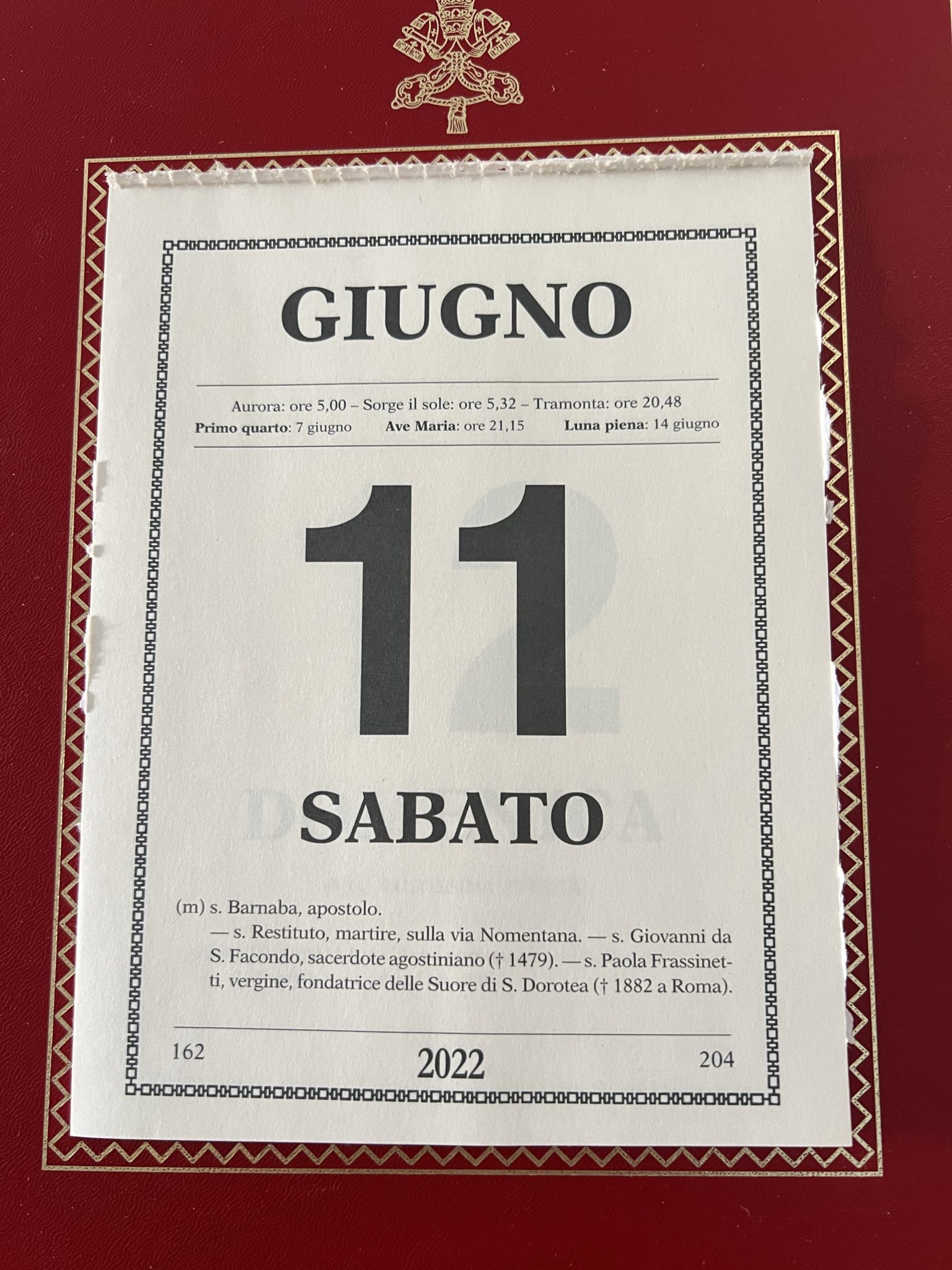
Sunrise was quite some time ago at 5:32 and sunset will very close to now at 20:48. The Ave Maria Bell should ring in the Vatican at 21:15. However, technically it should ring elsewhere at 21:18.
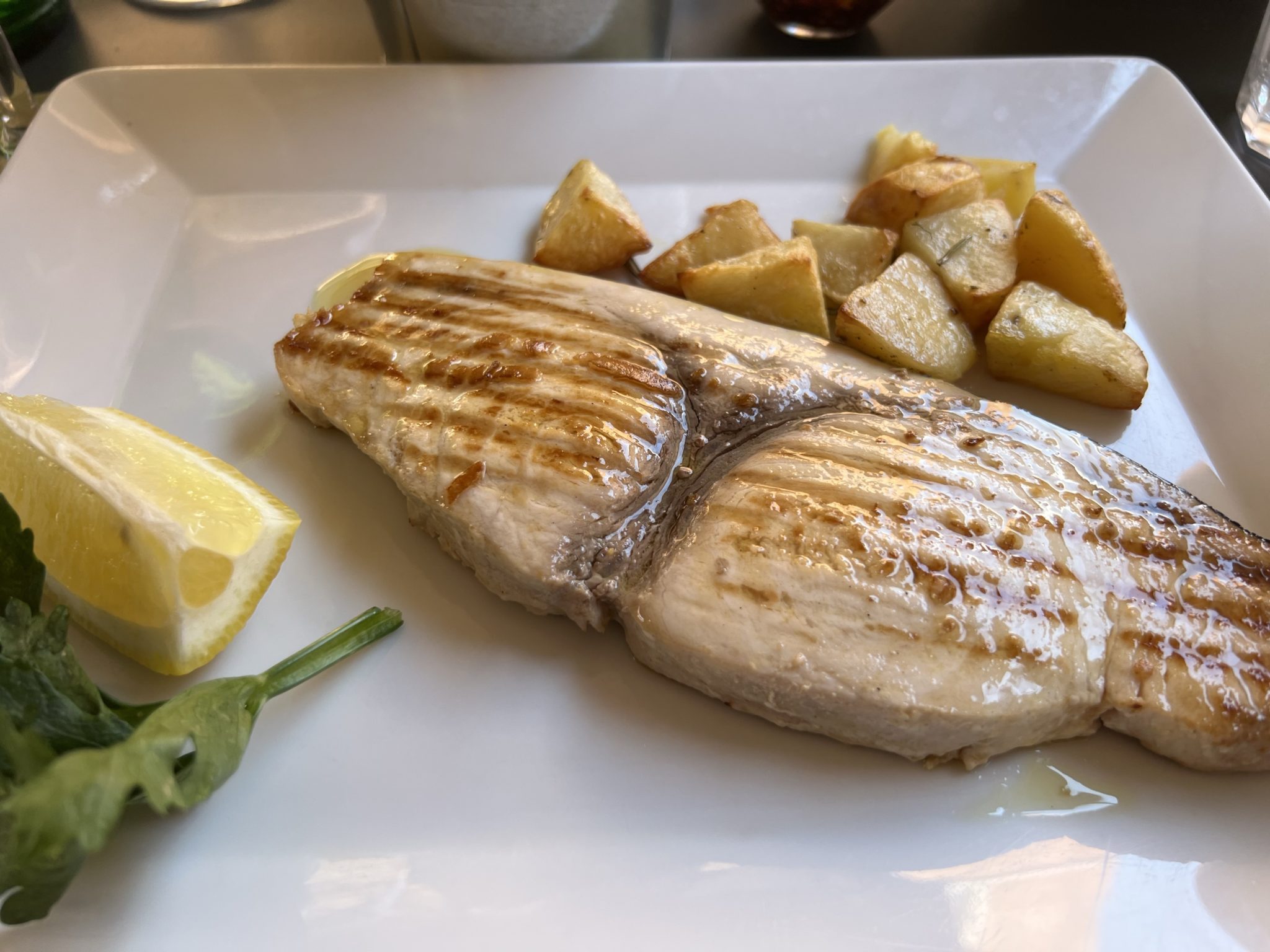
Some have desired more food pics. Okay. Grilled swordfish and a salad.
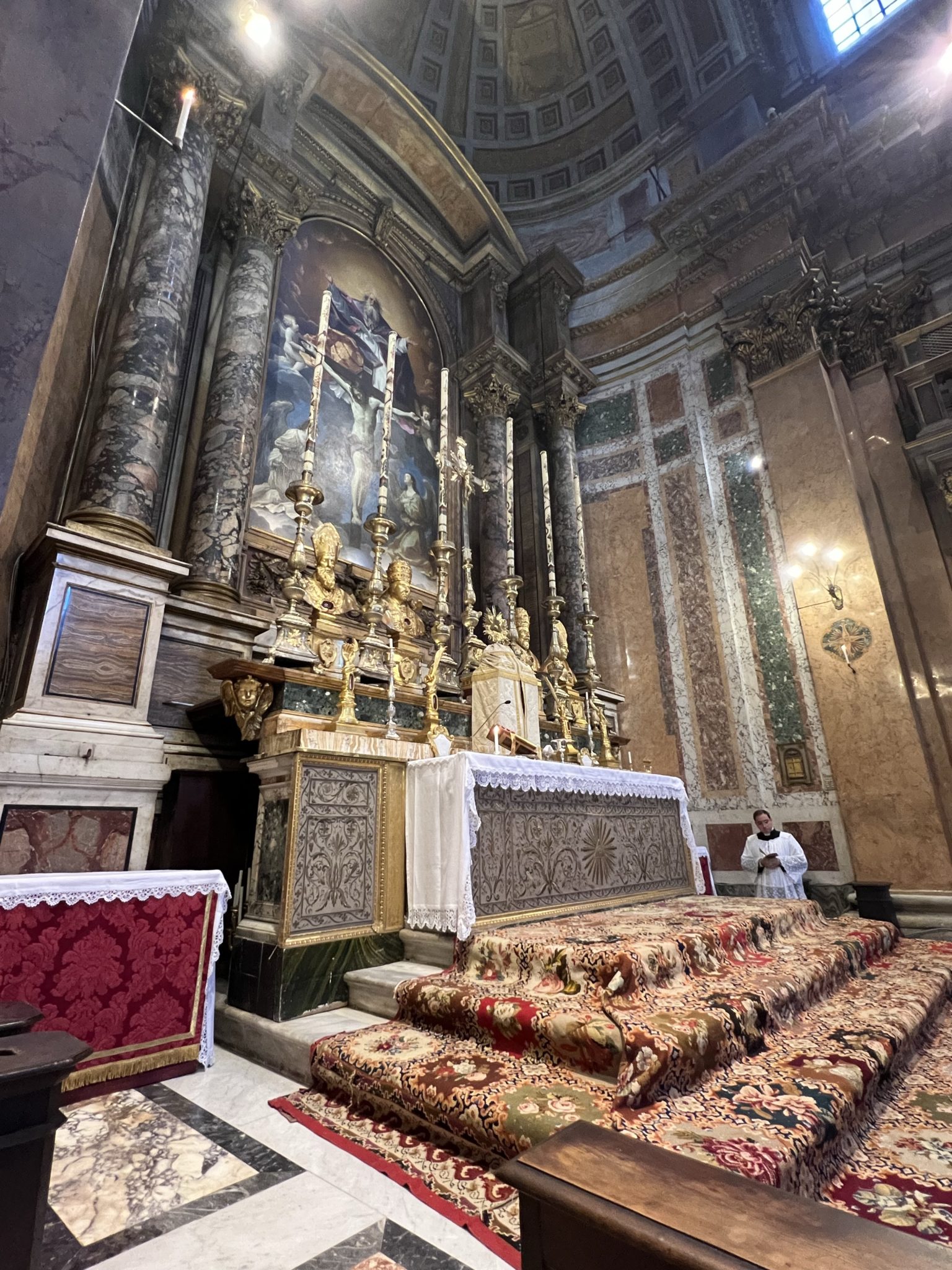
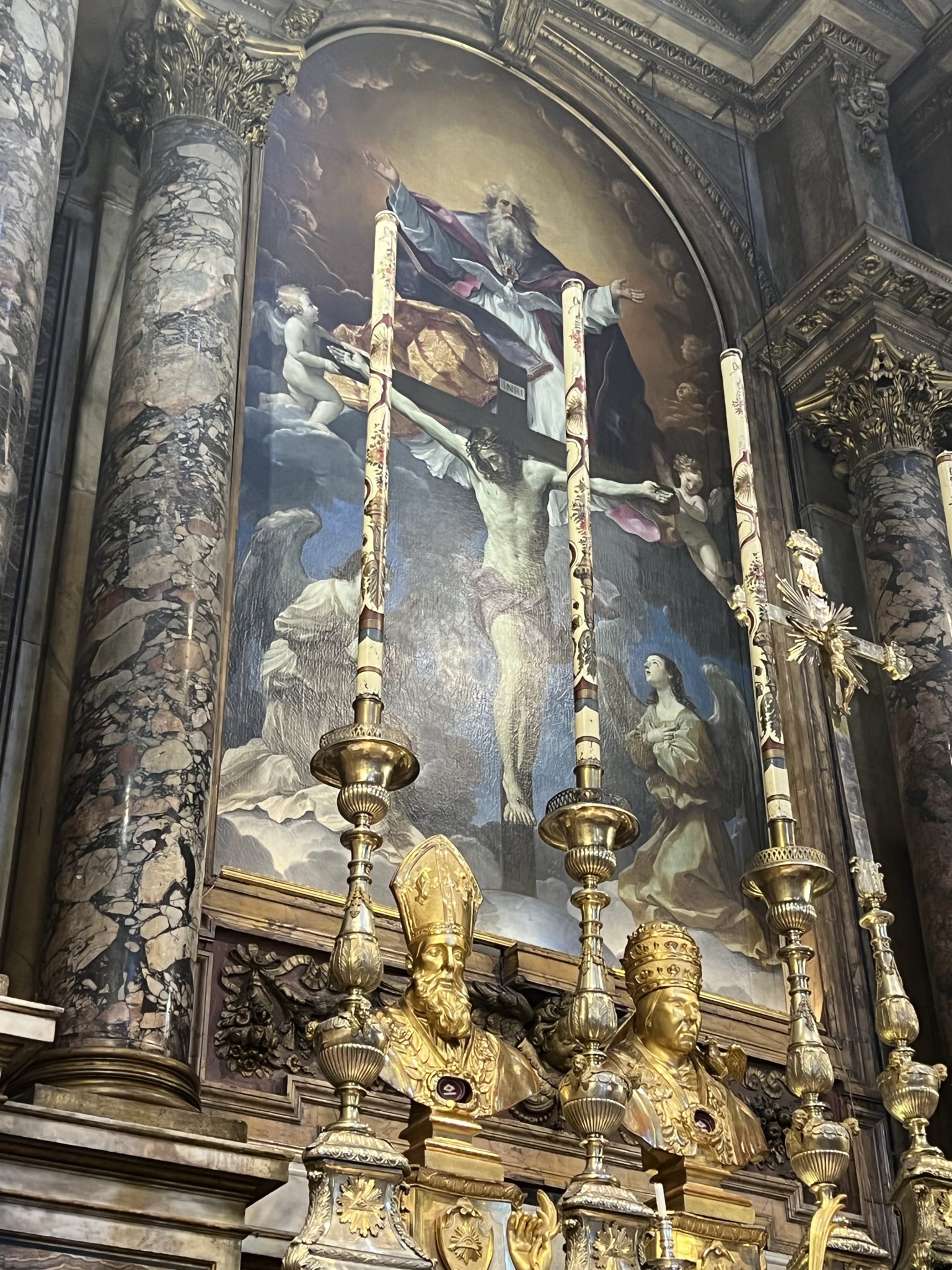
A glimpse of the altar of the Church of the Most Holy Trinity on their patronal Feast! The “dedication” candle is lit.
That is one of the most painful videos I have ever seen. This is the Pentecost Mass from a parish in the Diocese of Kansas City – St. Joseph, Holy Family.
Mind you, the parish leadership wants people to see this. After all, they put it on YouTube in hi def and with pretty high production techniques.
You will find that, no matter where you click in this video, it is going to be painful. I will suggest a few low points.
10:15 – Note that the priest does not kiss the altar. He doesn’t in other videos either. It is a choice. That is something to think about. It isn’t an empty sign, one way or the other, kissing the altar or not kissing the altar. It is packed with meaning either way. Very different meanings.
12:00 – Opening remarks. Put down your coffee mug first.
13:30 – “The Lord is with you!”
32:00 – Theatrical fire lighting followed by excruciating Gospel reading
37:00 – Sermon. Words fail.
45:00 – I wouldn’t let kids anywhere near this guy.
49:00 – Creed, sort of.
1:05:00 – Eucharistic Prayer “lowlight”
I’m going to stop there. I just can’t go on.
I post this on the heals of posting about the changes to the Gesù in Rome, how the church has to shed its identity connected to Trent and come more to embody what is suggested by the Second Vatican Council.
The people who are screwing around with one of the greatest churches in the world would be just fine with this, bet your bottom dollar. BUT… the Traditional Latin Mass must be suppressed.
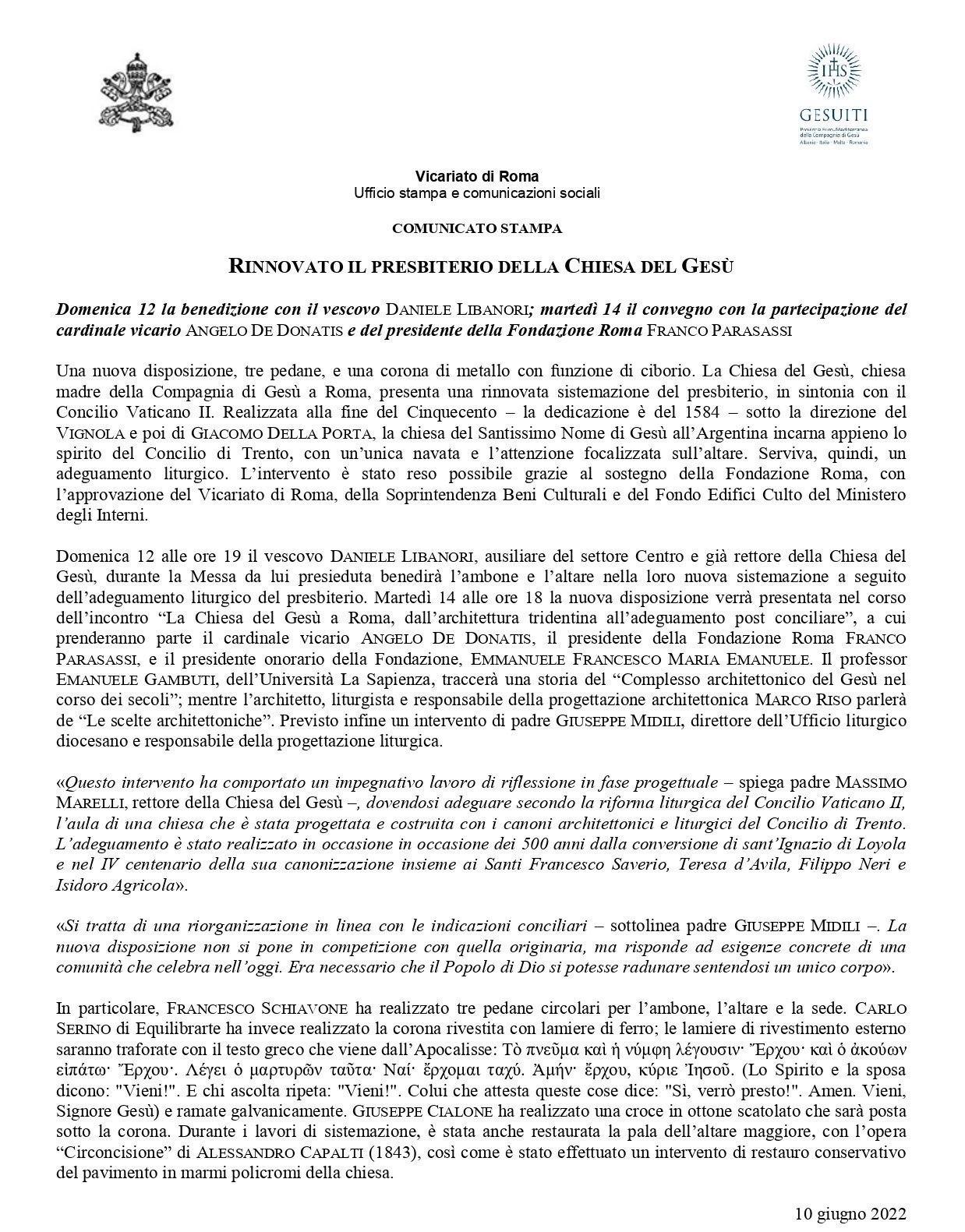
A few days ago I received a copy of a note from the diocesan offices of the Diocese of Rome about the renovation of the sanctuary of the mighty Jesuit church in central Rome called “Il Gesù”. My soul groaned within me even before I read anything. What fresh hell would the Jesuits concoct for their flagship, to lead the way for others to uglier, “gayer”, sanctuaries far and wide?
The passages that were really bothersome was…
The Church of the Gesù, mother church of the Society of Jesus in Rome, presents a renewed arrangement of the sanctuary in keeping with the Second Vatican Council. Designed at the end of the 16th century – its dedicated 1584 – … the church of the Most Holy Name of Jesus at Argentina incarnates fully the spirit of the Council of Trent, with a single nave and attention focused on the altar. There was needed, therefore, a liturgical update.
[…]
This concerns a reorganization in line with suggestions of the Council…. The new arrangement does not compete with the original, but complies with the concrete exigencies of a community which celebrates in the present day. It was necessary that the People of God could gather and feel like a single body..
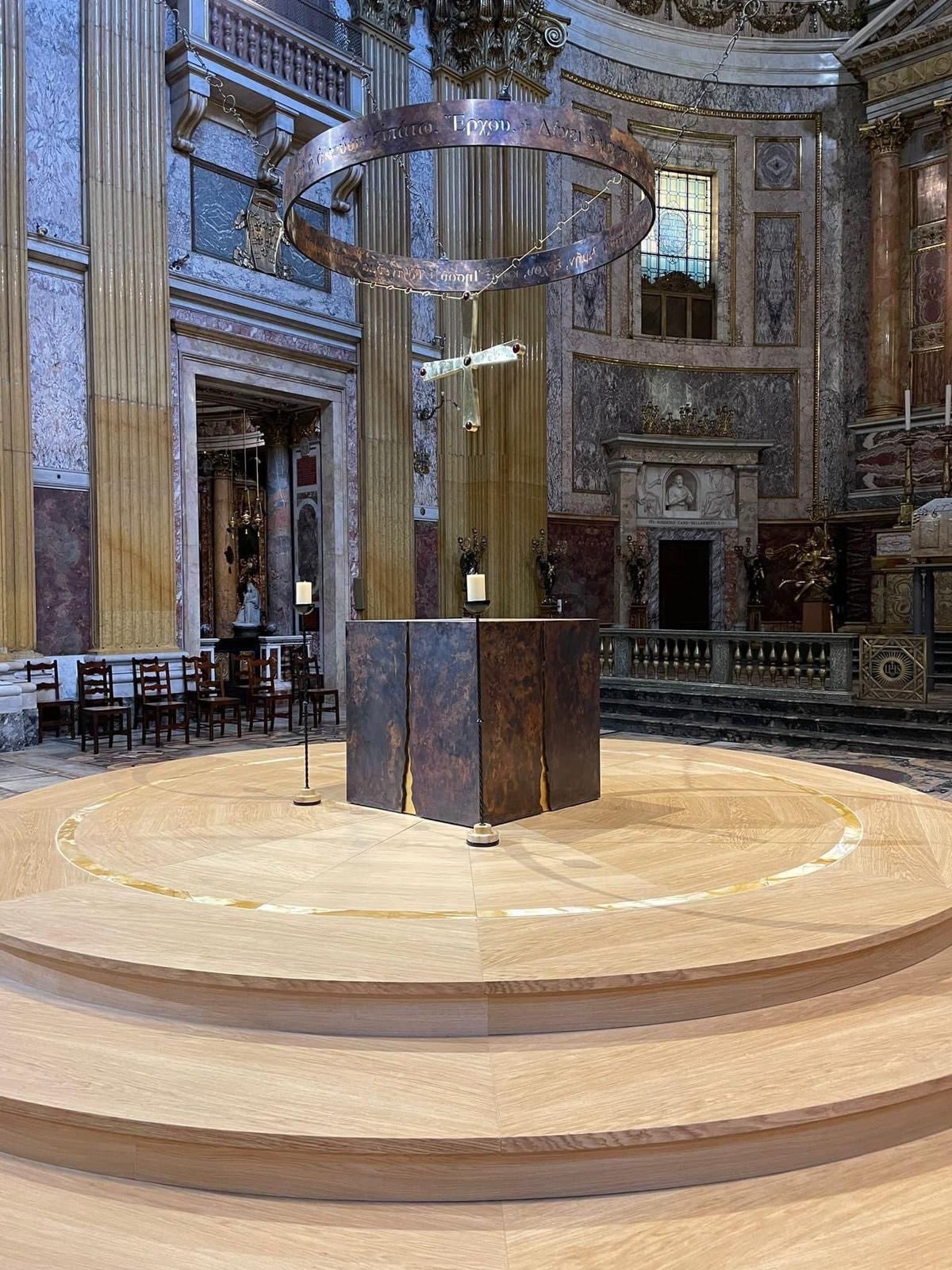
I haven’t seen the changes yet. I imagine, imagine, that there is now a “thrust” stage for a table altar and various concoctions that pull focus away from the main altar, because – you know – The People.
Mind you, “Il Gesù” is one of the exemplary Counter-Reformation churches in the world. When you start changing something like the Gesù, you are saying something to the world about what the Church believes about herself, what our identity is.
More on this soon.
UPDATE:
This will really help The People feel more like The People.
And I really think the People friendly inscription on the big iron shackle is great… People friendly Ancient Greek!
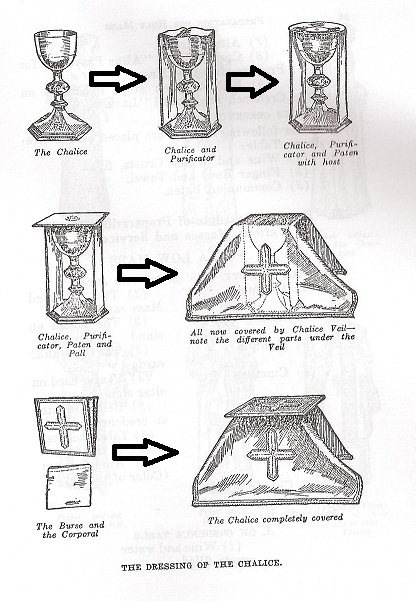
I have seen many documents and books explaining that a first rinse or wash of purificators and corporals must be done before laundering as usual. But after much searching I have been unable to find specific instructions on how to do the first rinse. Having seen all sorts of various things done in different places. Are you aware of a certain way to do the first rinse?
This doesn’t have to be complicated.
Ideally, the first rinsing of altar linens should be done by a priest (whose hands are consecrated to touch sacred things, e.g. the Eucharist) either in a sacrarium – a sink whose pipe goes directly into the earth – or in a vessel which could then be poured either into the sacrarium or onto the ground.
Why the first rinsing? Because corporals may have particles of Hosts and because purificators have been used to absorb the Precious Blood.
Once the first rinsing is done, then anyone can deal with the linens, hopefully using the right starch and ironing pattern.
This seems nitpicky?
It is all part of a worldview that is Catholic.
This world has its “prince”, the Devil and fallen angels, the Enemy. We believe – or ought to believe – that there are things are are “outside the Temple… profane”. That doesn’t mean “nasty”, it means “unconsecrated”. When we consecrate or bless things with constitutive blessings, they are ripped from the dominion of the prince and given over to the King. They are “inside the Temple” as it were. This applies to certain places, things and people. This is also why in traditional giving of certain blessings and in the rite of Baptism there are exorcisms.
This is real. This is really how the cosmos is.
This is what modernists deny and want to obliterate from Catholic identity. They reduce everything supernatural to the natural. That’s their game. They would take the Church down to an NGO. That’s what they are doing.
This is why in the dreadful post-Conciliar Book of Blessings there is an explicit move away from the concept of constitutive blessings, blessings that make things blessed things.
If you lose the concept of “sacred”, then you’ve lost the big picture of why we do certain things with rites and with beautiful things. If you don’t believe, like those influenced by the Jesuit Rahner, that rites and blessings and sacraments actually do something, effect something, rather than just acknowledge some pre-existing reality, then you are not really Catholic other than in name only. You can put on any old garment, or not, and do whatever you want, or not. It hardly makes a difference.
One thing you will do, however, is rail against anything that reminds you of or recalls the Catholic belief in the supernatural realm, the efficacy of rites, that there is a difference between the sacred and the profane. You will belittle and insult and suppress all that hearkens to the transcendent.
The way to combat this modernist, desacralizing attitude and project is to embrace the old ways. If in some parishes sacred vessels are treated like common drinking cups, then where it is possible to get the custom going again, wear a glove when handling chalice if you are not a priest. That’s just one example of many.
I think that one of the reasons why so many strange problems are cropping up in society at large today is that the sense of transcendence has been so repressed. The outward signs that remind us of transcendence and Catholic identity are fading away.
I heard something from an exorcist once that got me thinking. Exorcists will tell you that the numbers of cases coming to them are on the rise, in a serious way. One idea why that could be, among others, is that in the Church itself there is a desacralization going on. Once, in the traditional way of things, everything to be used for Mass had to be blessed before use. There were special blessings for everything and it was unthinkable not to use them. Now? Pfffft. Buy stuff and use it without a thought. In other words: leave it in the realm of the prince but use it on the altar. Does that sound right? There is an idea that the first use of a chalice for Mass consecrates the chalice. Maybe it does. Maybe it doesn’t. But why on earth wouldn’t you want to have the chalice consecrated before use?
Get it? If we are our rites, and we are, if there is a real connection between the dynamic of rites and the sacred in their effects on the world, then what the hell are we doing by dumbing down our rites? If we really believe that our rites have effects, then what are we denying to the world as a Church by denying or destroying the rites?
So, a question about first rinsing opens up a window onto a much larger landscape.
As you know we are required to do penance on Fridays of the year unless a Solemnity take precedence. On Fridays during Lent we are required to abstain from meat, however on other Fridays of the year we are allowed to substitute another penance. I try to abstain from meat on Fridays but sometimes this isn’t possible. Do you have any suggestions for alternate penances? Would praying an extra Rosary for the Holy Souls be considered sufficient?
Saying the Rosary can be a penitential practice. Praying it can also be a work of mercy and a joy. Is it “sufficient”? Sure, I guess so. Why not?
Some people find eschewing the chewing of meat pretty easy, and no penance at all to give up on every day of the week. For some, I suppose giving up a PBJ would be really hard. For others a PBR. Maybe for others … I think I’ll stop with the three letter thing right here.
“Sufficient”. This is a tricky word when it involves penance. For example, when we sin, we open up a chasm between ourselves and God that only God can mend. Hence, even were we to undertake the most brutal penances possible for the rest of our lives, they would not be “sufficient” in light of damage done by sin. So, all penances are rather arbitrary. We have to acknowledge that they are sufficiently insufficient. Or rather insufficiently sufficient.
The same goes for our chosen, not imposed, penances. “Sufficient” for what? This is why the Church gives us guidance through explanations about how indulgences can be gained. What works are sufficient (with the proper attitude and state of grace) to obtain the desired effect?
It seems to me that taking on a voluntary penance ought to involve a measure of sacrifice or discomfort that one doesn’t just brush off. For some people, skipping a meal could be really hard. For others, self-denial of pleasurable and regular activity such as a game or stroll could “suffice”. Of course in all instances, health of self and those in your charge is to be remembered.
Also, note that self-denial of something pleasurable is one thing, but taking on something that is not so is also an option. Going out of your way to do something for a needy person, perhaps someone unpleasant, might be a good penance (along with being a good thing to do).
Take stock of yourself, maybe with a pencil and paper (remember those?) and list some things that you really like and are regular features of life. In another column, think up a few concrete applications of the spiritual and corporal works of mercy.
Work through the lists.
That might “suffice”.
And… GO TO CONFESSION.
The performance of penances or good works are good things to do in themselves, but if you are not in the state of grace they lack any merit they might otherwise have.
The Prayer of Absolution Will Change for US Catholics in 2023. Here’s How
[…]
The Catholic bishops of the United States in 2021 voted in favor of the new translation of the prayer, with 182 votes in favor, 6 against, and 2 abstentions. The Vatican’s Dicastery for Divine Worship and the Discipline of the Sacraments approved the translation in April 2022, according to a USCCB newsletter shared online this week.
New translation of the prayer of absolution incoming next year.
[…]
God, the Father of mercies,
through the death and resurrection of his Son
has reconciled the world to himself
and poured out[Latin: effudit] the Holy Spirit among us for the forgiveness of sins;
through the ministry of the Church may God grant[Latin: tribuat] you pardon and peace,
and I absolve you from your sins
in the name of the Father, [sign of the cross] and of the Son,
and of the Holy Spirit.
And here’s what the prayer was before:
God, the Father of mercies,
through the death and resurrection of his Son
has reconciled the world to himself
and sent the Holy Spirit among us for the forgiveness of sins;
through the ministry of the Church may God give you pardon and peace,
and I absolve you from your sins
in the name of the Father, [sign of the cross] and of the Son,
and of the Holy Spirit.
It isn’t going to change for me. I use Latin.
The Latin for the post-Conciliar form:
Deus, Pater misericordiarum, qui per mortem et resurrectionem Filii Sui mundum Sibi reconciliavit et Spiritum Sanctum effudit in remissionem peccatorum, per ministerium Ecclesiae indulgentiam tibi tribuat et pacem. Et ego te absolvo a peccatis tuis in nomine Patris, et Filii, et Spiritus Sancti
The new form is more accurately translated.
One good thing about this tinkering might result.
In putting a spotlight on the form of absolution, it could happen that a lot of priests who are screwing around with the words of absolution will correct themselves or be required to correct themselves through pressure from above and from laity alike.
People hearing about the changes to the words of absolution might pay close attention to what the priest actually says and, hopefully, query priests when they stray.
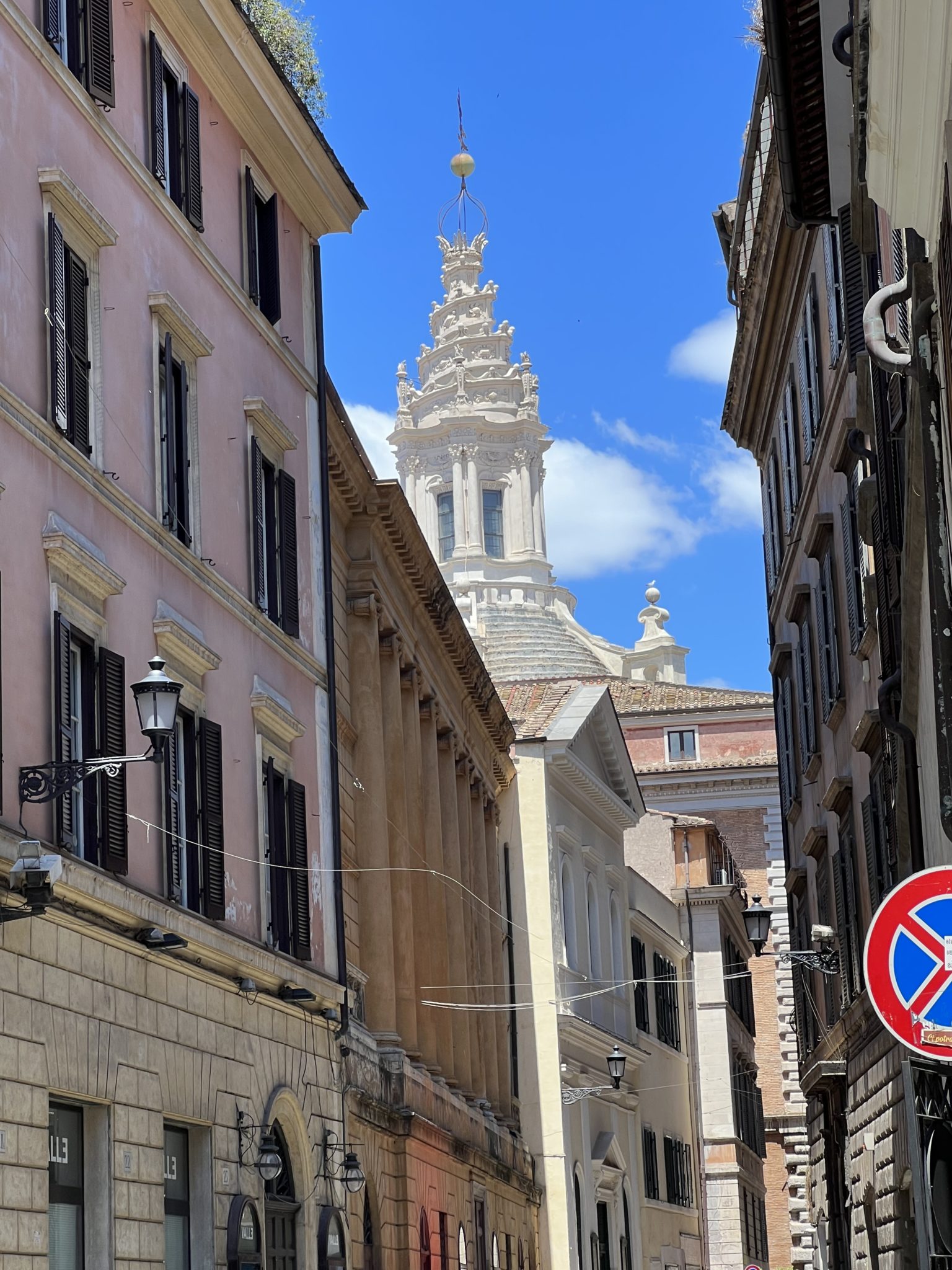
I have been sketching as I go about. The results have not been good. But here… as I regarded my scratchings… I nearly wept for sorrow for my unspeakable sin against all that is good, true and beautiful. I considered sepuku via my pencil, but that would mean not having another bowl of spaghetti alle vongole.
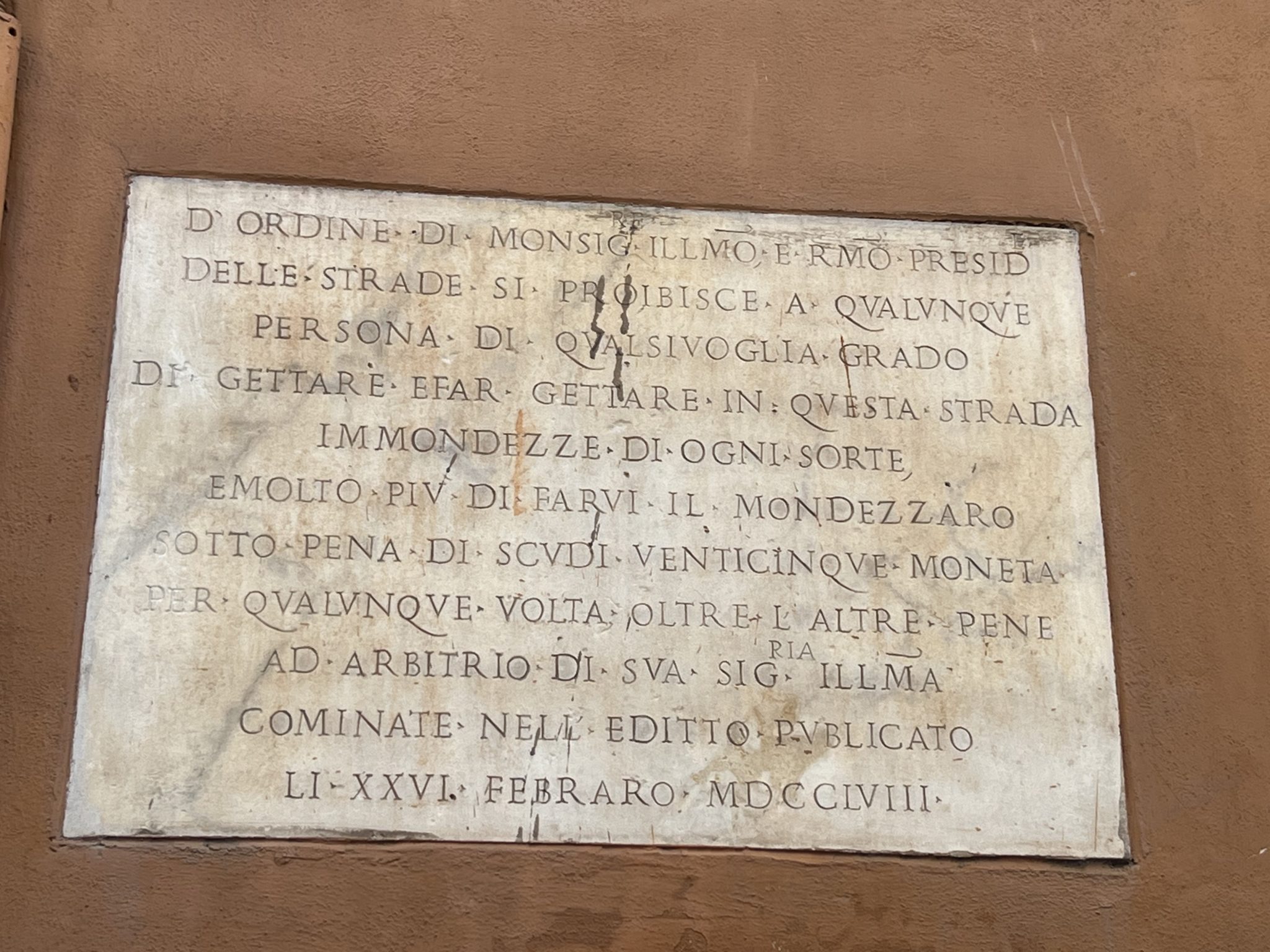
Only the warnings of the Most Illustrious Monsignor President of the Streets kept me from throwing my sketch down and stomping off. I remember injunctions about “qualsivoglia” and “scudi”.
You might be wondering what a “scudo” is, by which people paid their littering and dumping fines (when punishment didn’t involve being hung up by the wrists in the square). I wrote about scudi once before, at length. Suffice here to say that, in 1758 when Clement XIII was reigning felicitously (even though he protected the Jesuits), a gold scudo was about 3.39-3.40 g.
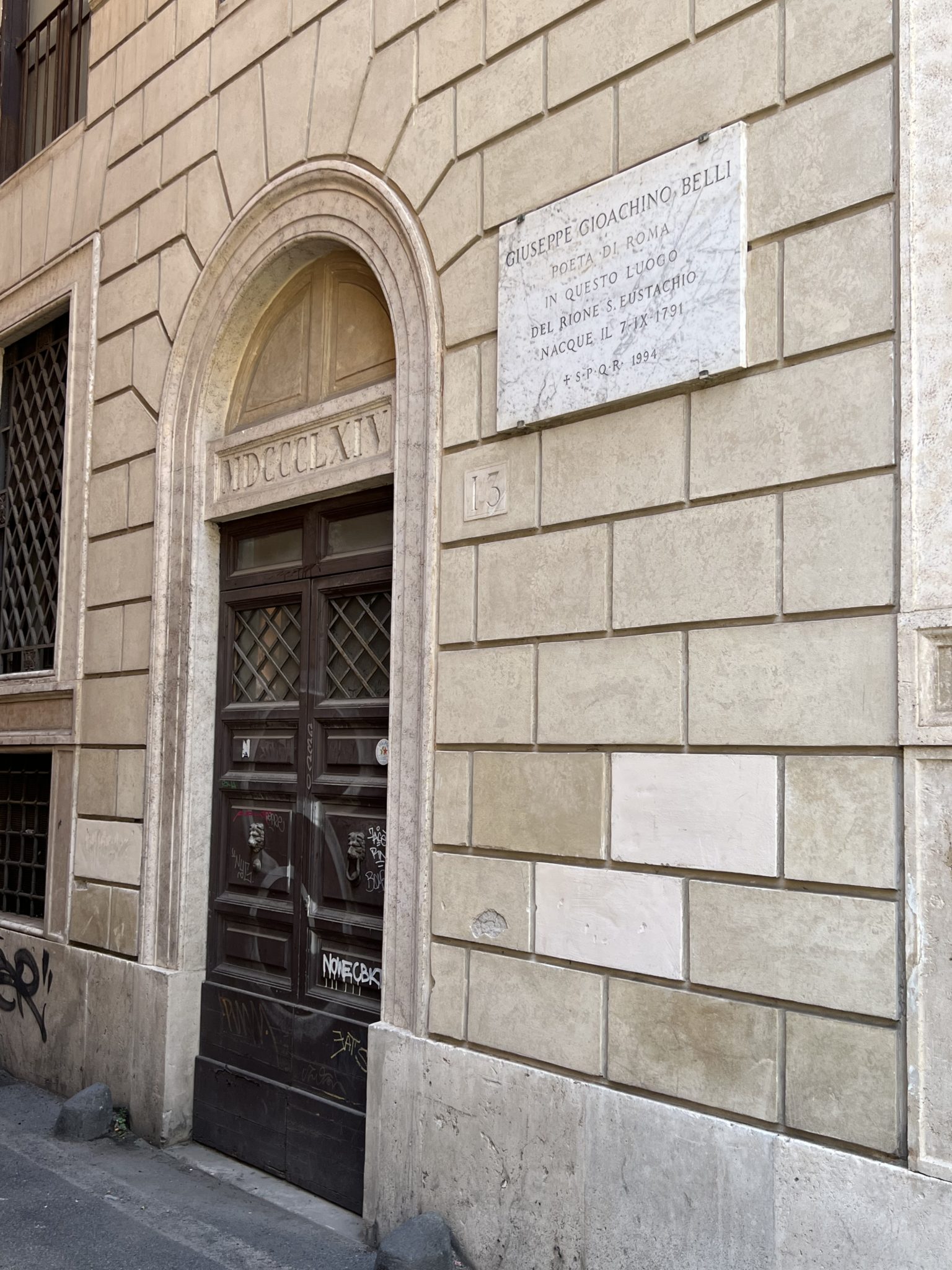
Just up from where I nearly murdered art, is the place where the Roman poet and all-around fascinating bloke, Giuseppe Gioachino Belli, “Er Belli”, was born.
He had a poem about a “scudo” which is in its typical style a bit racy:
Here is the Great Roman™ reading it in impeccable Romanaccio. It has the names of other coins of the Papal States, such as the quadrino, paolo, grosso, testone, lustrino, papetto.
ER CONTO TRA PPADRE E FFIJJO
Che? stammatina t’ho ddato uno scudo,
e ggià stasera nun ciài ppiú un quadrino?!
Rennéte conto, alò, ssor assassino:
cqua, pperch’io nu li zappo: io me li sudo.
Sú: ttre ppavoli er pranzo: dua de vino
tra ggiorno; e cquesti ggià nnun ve l’escrudo.
Avanti. Un grosso p’er modello ar nudo.
Bbe’: un antro ar teatrin de Cassandrino.
Sò ssei pavoli. Eppoi? Mezzo testone
de sigari: un lustrino er pan der cane…
E er papetto c’avanza, sor cojjone?
Nò, ppranz’e vvino ve l’ho mmesso in cima.
Dunque? Ah, l’hai speso per annà a pputtane.
Va bbene, via: potevi díllo prima.
THE ACCOUNT BETWEEN FATHER AND SON
What? This morning I gave you a scudo,
And this evening you are already left without a quattrino?!
Give account of it right now, you squanderer:
Come here, ’cause I don’t grow money: I earn it working hard.
Come on, three paoli for the lunch, two for wine
During the day; and I’m not complaining about these.
Well then. One grosso for the nude model at the Academy.
What else: another one for the theatre of Cassandrino
Makes six paoli. And then? Half testone
For cigars: one lustrino the bread for the dog…
And what about the spare papetto, you blockhead?
No, I counted food and wine as first,
So then? Ah, you spent it on prostitutes.
Well, it’s OK: you should have told me before.
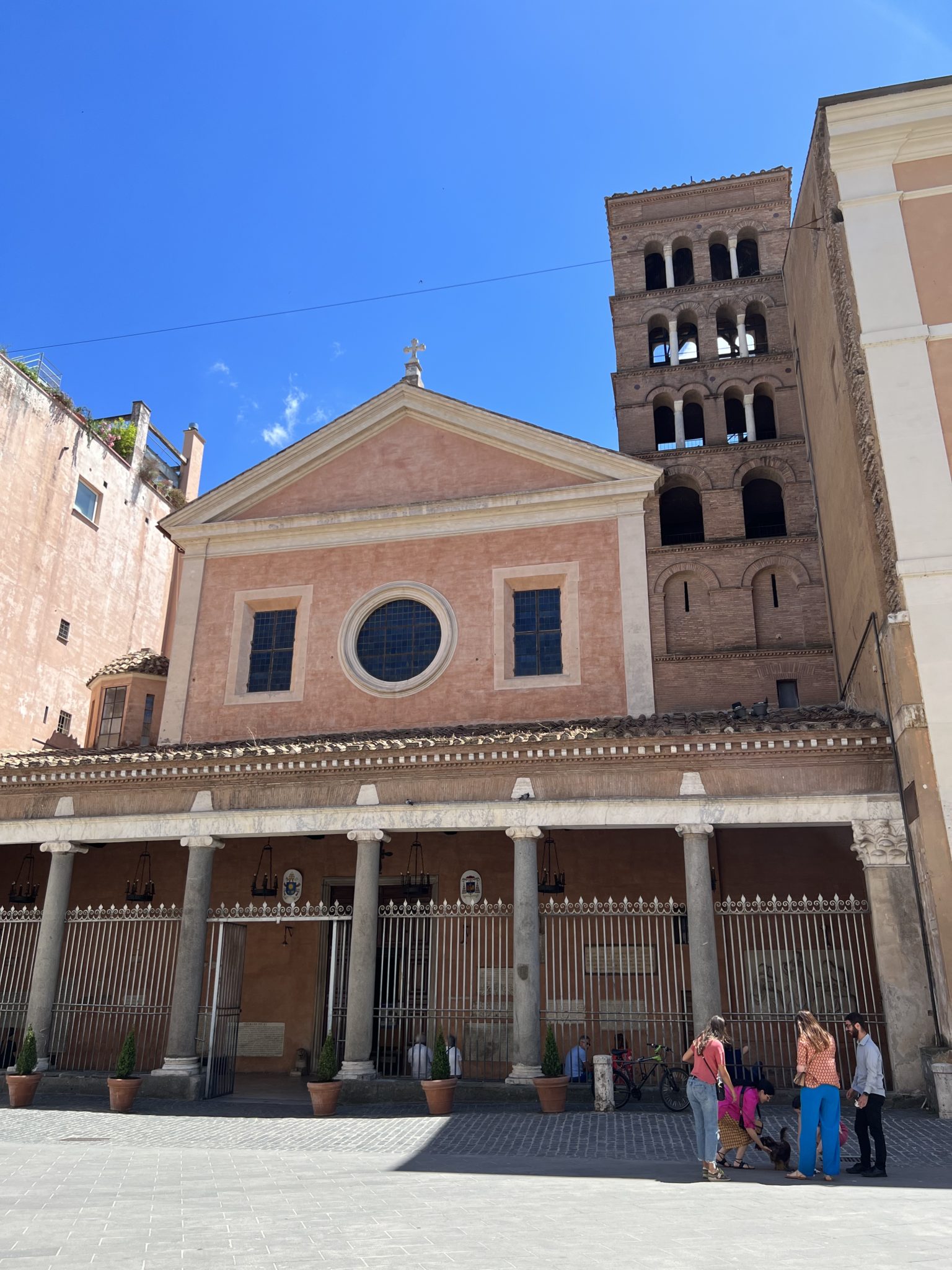
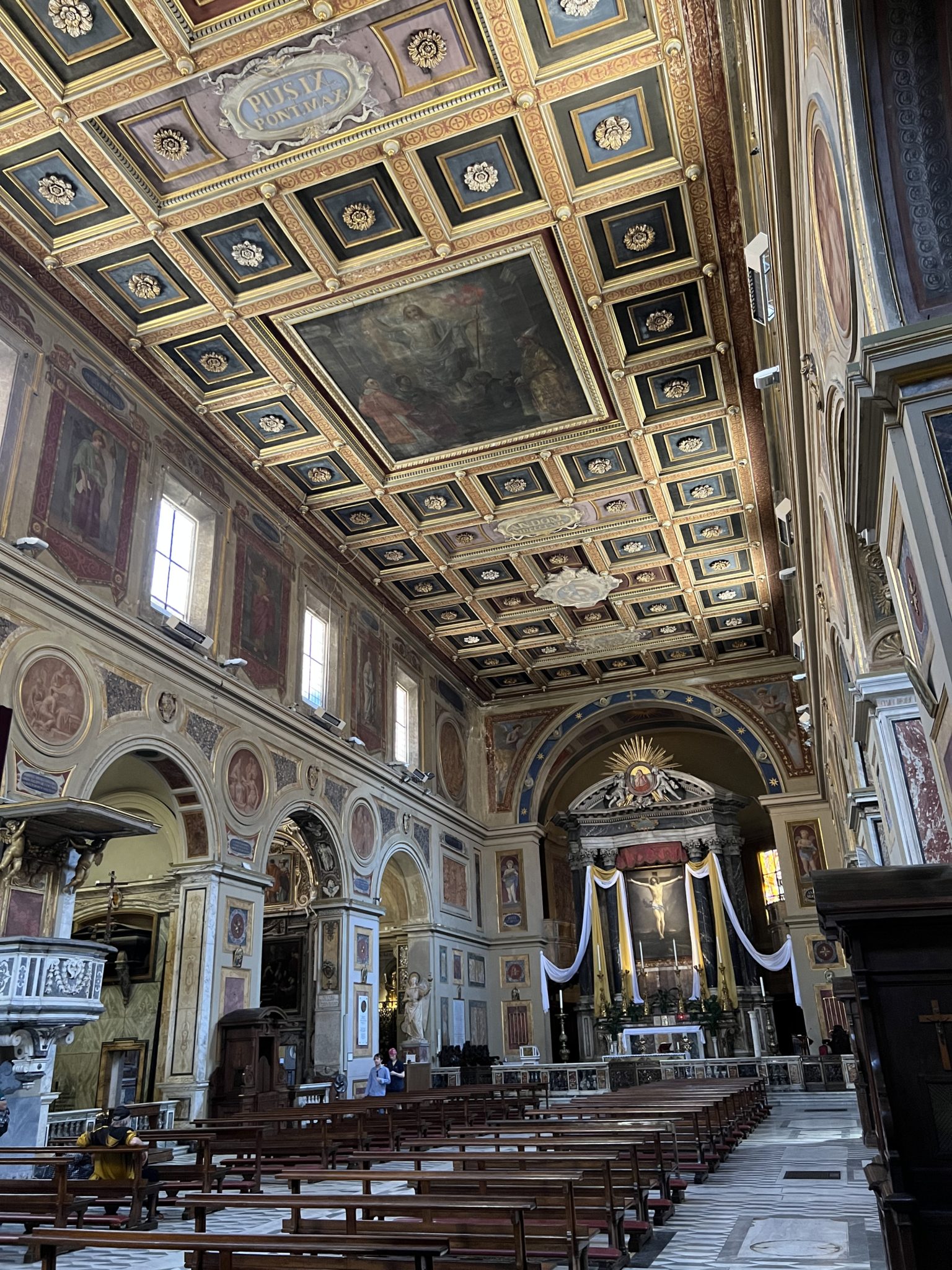
A while later I was at S. Lorenzo in Lucina, with its lovely campanile. I left it unmolested with my graphite assault weapon.
You get the distinct feeling that the people in charge of some of these churches in Rome do not have the slightest idea about what things are or where to put them.
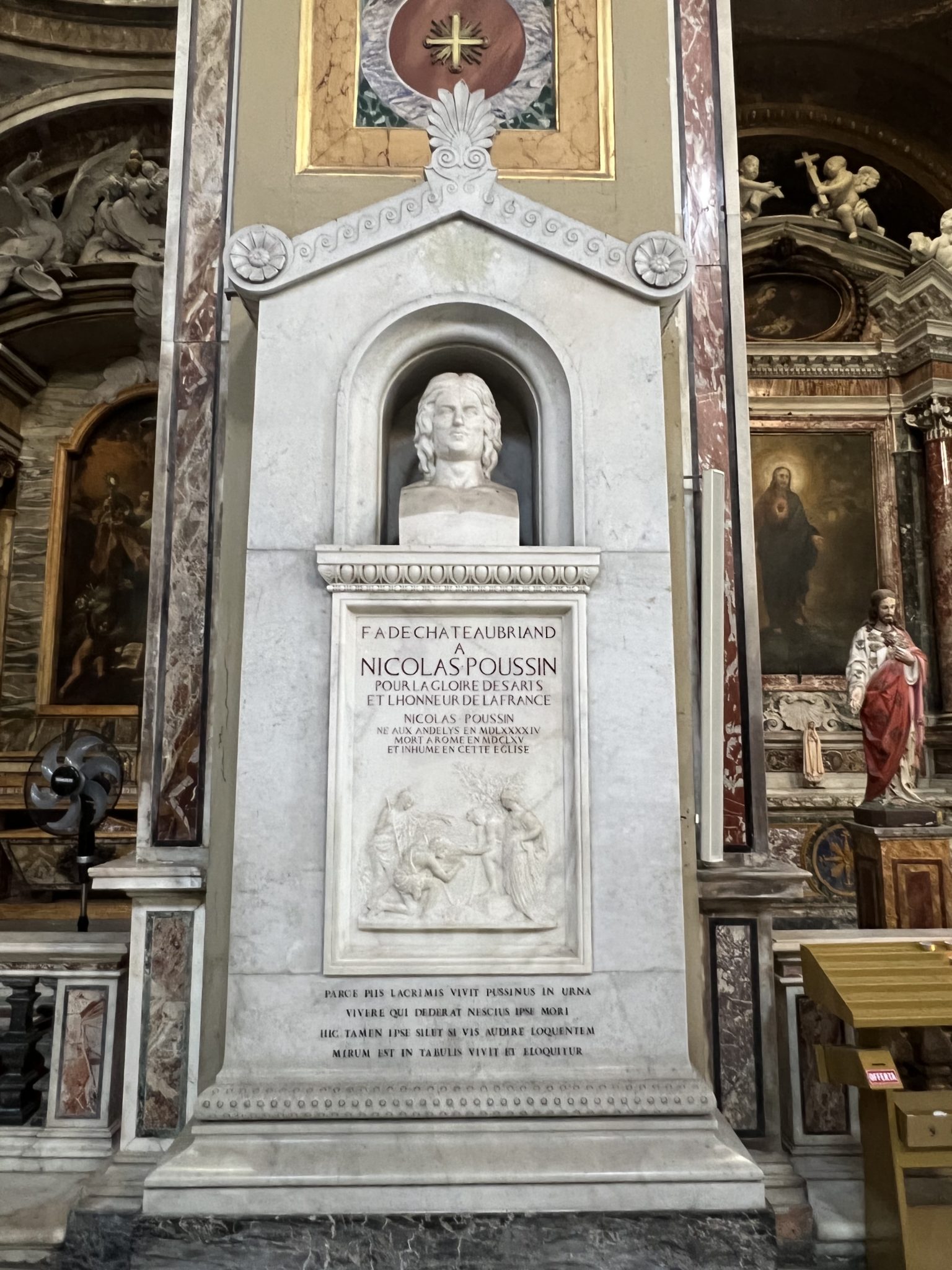
Speaking of art, the monument of the painter Nicholas Poussin from François-René, Vicomte de Chateaubriand, who among other roles was French Ambassador to the Papal States. The tomb as a relief of the painting “Et in Arcadia Ego”
There’s some Latin at the bottom, a lovely epitaph:
PARCE PIIS LACRIMIS VIVIT PUSSINUS IN URNA
VIVERE QUI DEDERAT NESCIUS IPSE MORI
HIC TAMEN IPSE SILET SI VIS AUDIRE LOQUENTEM
MIRUM EST IN TABULIS VIVIT ET ELOQUITUR
Spare your devoted tears. In this tomb lives Poussin, who gave his life not knowing how to die. Here, however, he is silent. If you want to hear him speak, it is a marvel that he lives and speaks in his paintings.
There’s interesting speculation about how the placement of the letters of the monument is fraught with meaning, having even to do with the alignment of the tomb with one of the meridians of the sundial of Augustus Caesar, remains of which runs directly under this church and this precise spot.
We have to get our minds around what really smart men were doing in days when they read books, had to remember things, discussed deep issues into the night. Discoveries of ancient things were being made, new ideas were cropping up… some of them really bad. Amazing people converged on Rome and their paths crossed. Today, people walk by the tomb of Poussin and maybe they have a notion of who he was. But the very idea that there could be patterns and shapes hidden in the words wouldn’t occur in a hundred views.
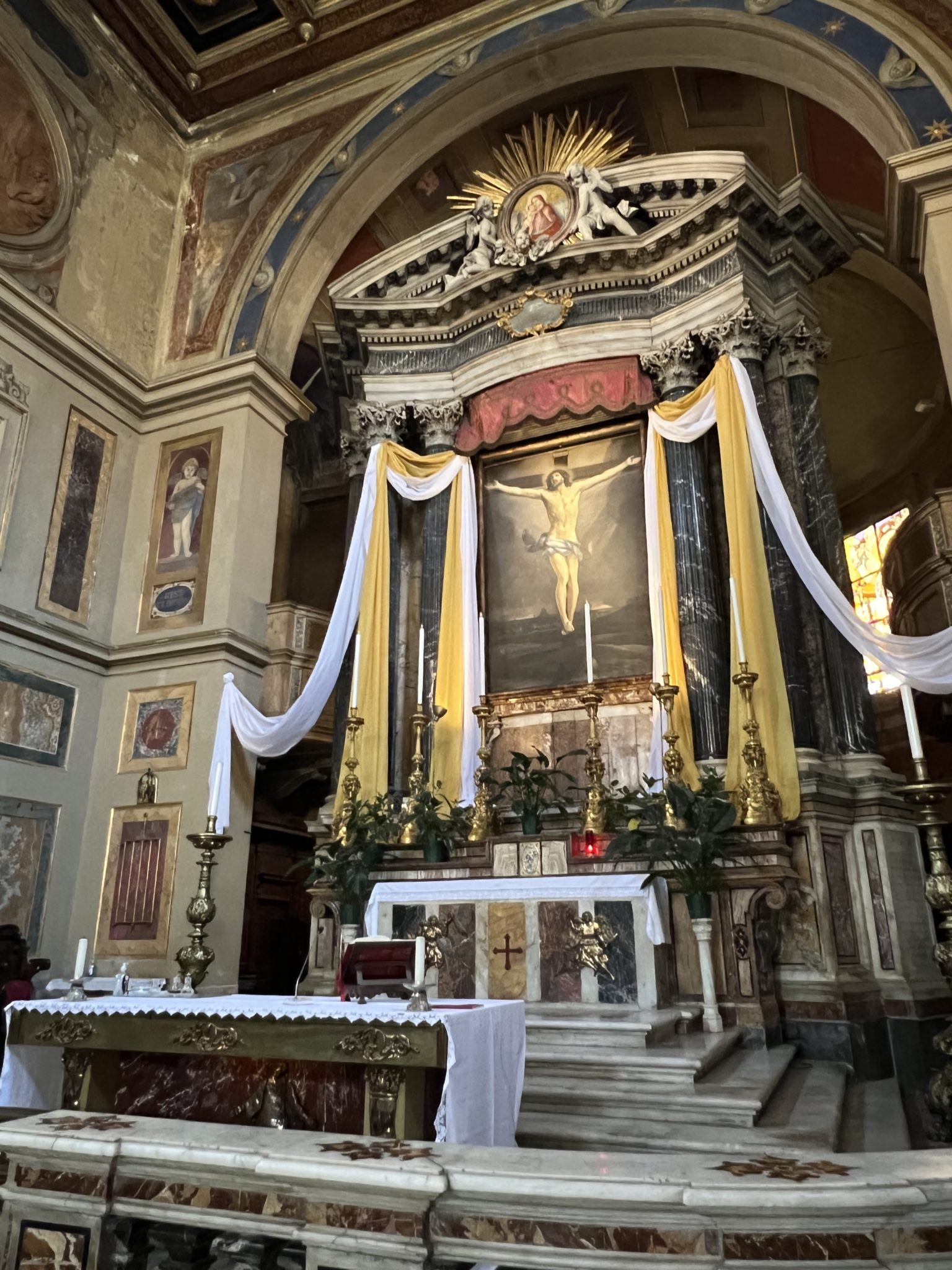
The Crucifixion by Guido Reni.
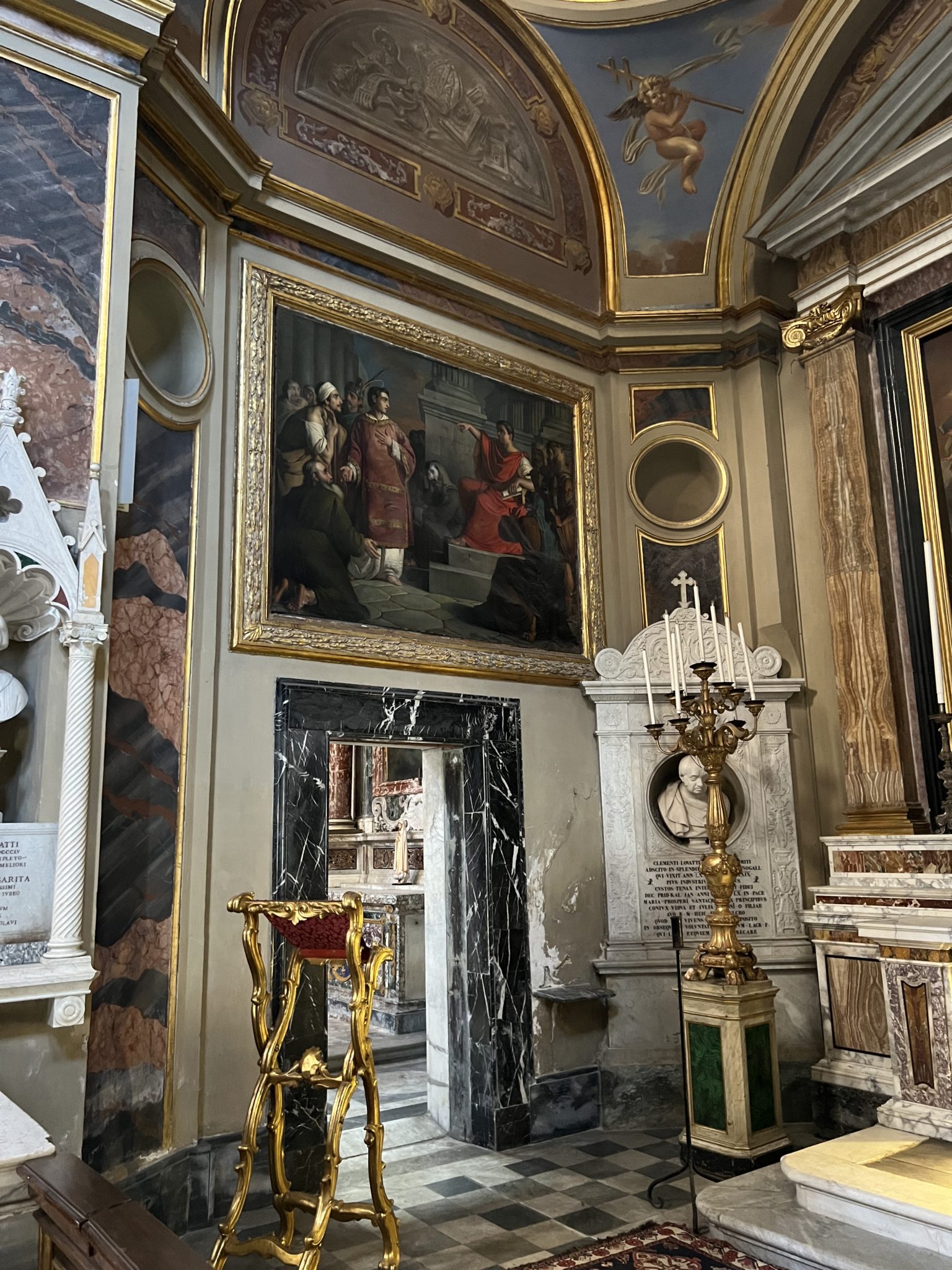
In the back corner, near a little Marian chapel, I spotted this, in the shadows. My phone camera did a good job. It is an unusual subject, old Simeon with the baby Jesus.
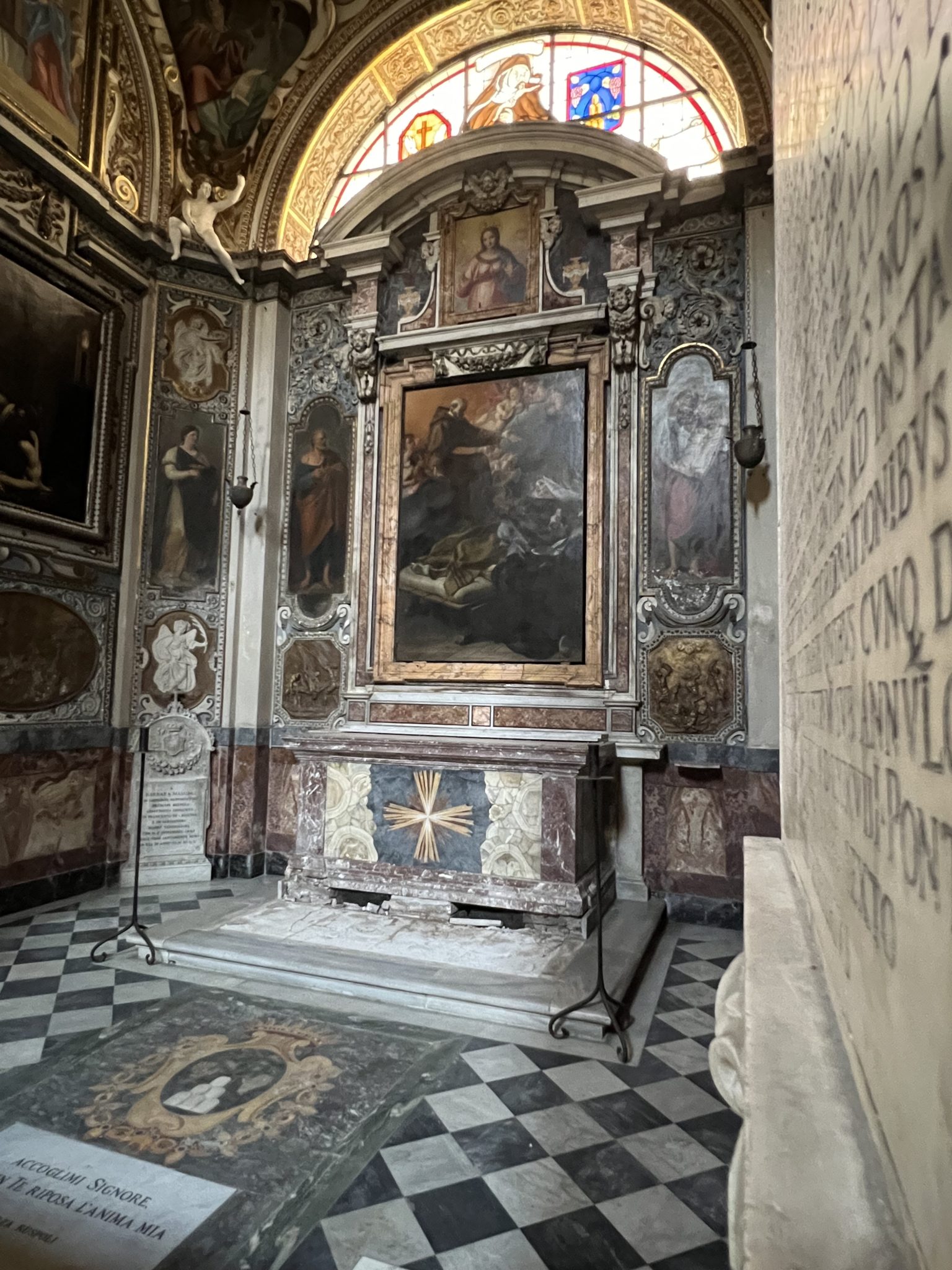
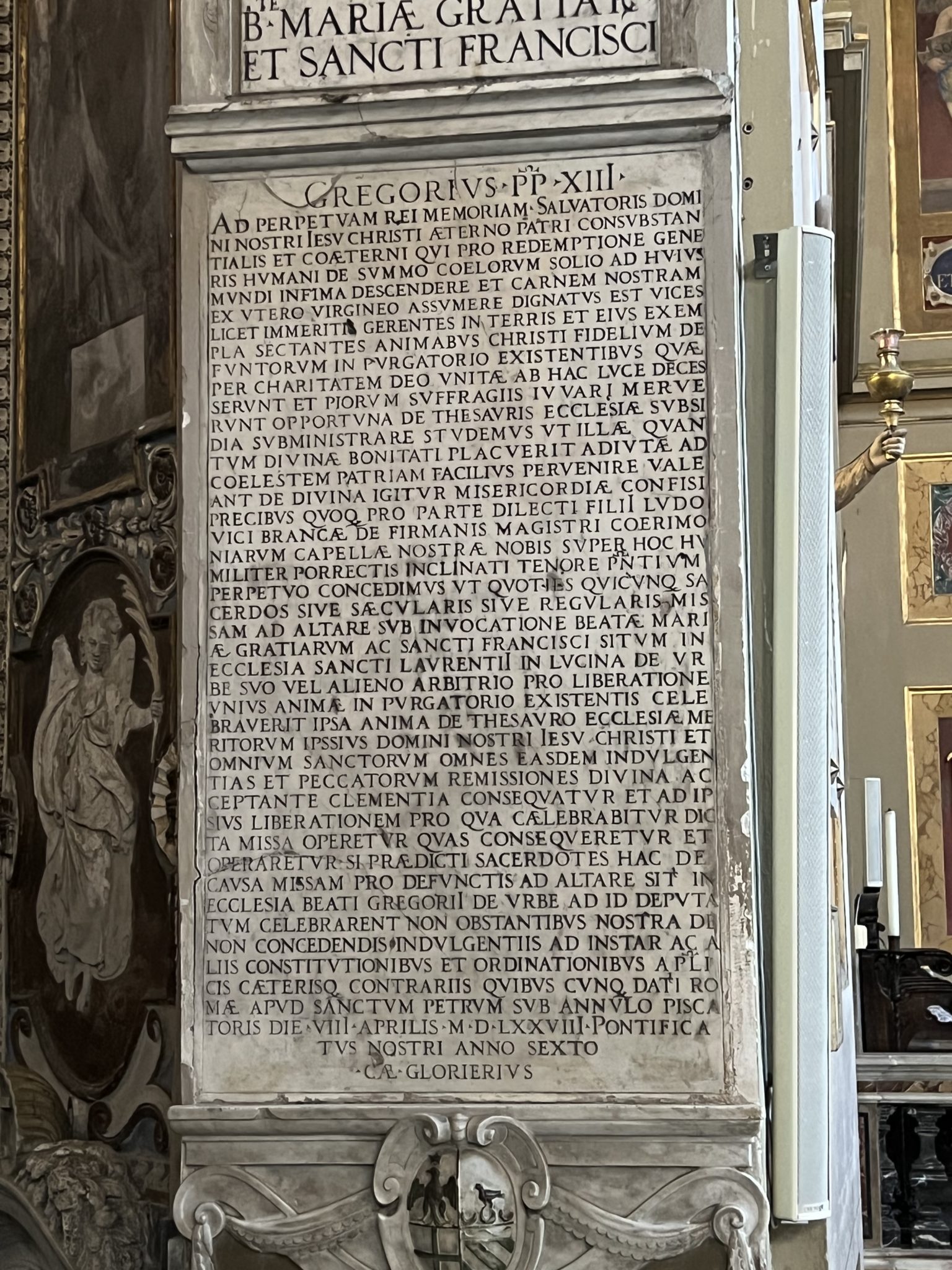
A sad sight. This altar, neglected, is literally falling apart. Even sadder is the fact that it is a “privileged” altar, as the massive Latin inscriptions attest. I’ve already been too pedantic in this post but suffice to say that special indulgences were attached to saying Mass at these altars, which were often associated with particular altars of another church (such as S. Gregorio on the Caelian Hill). By saying Mass here, a priest could free a soul from Purgatory.
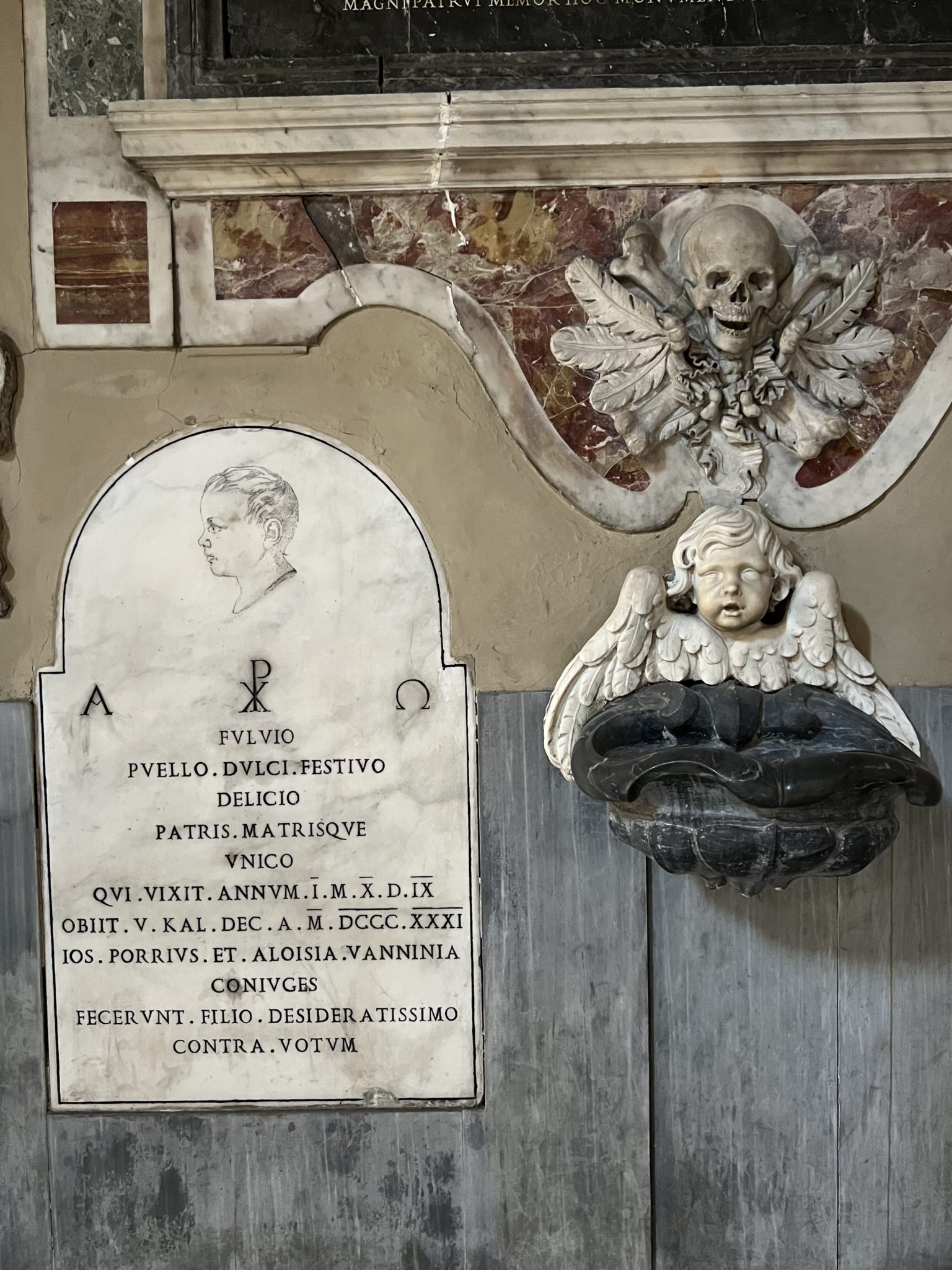
Near the door to the church … a sight both sweet and sharp.
Here, the fruit of an old wave of disease.
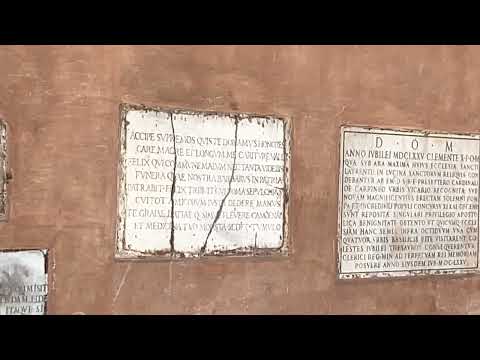
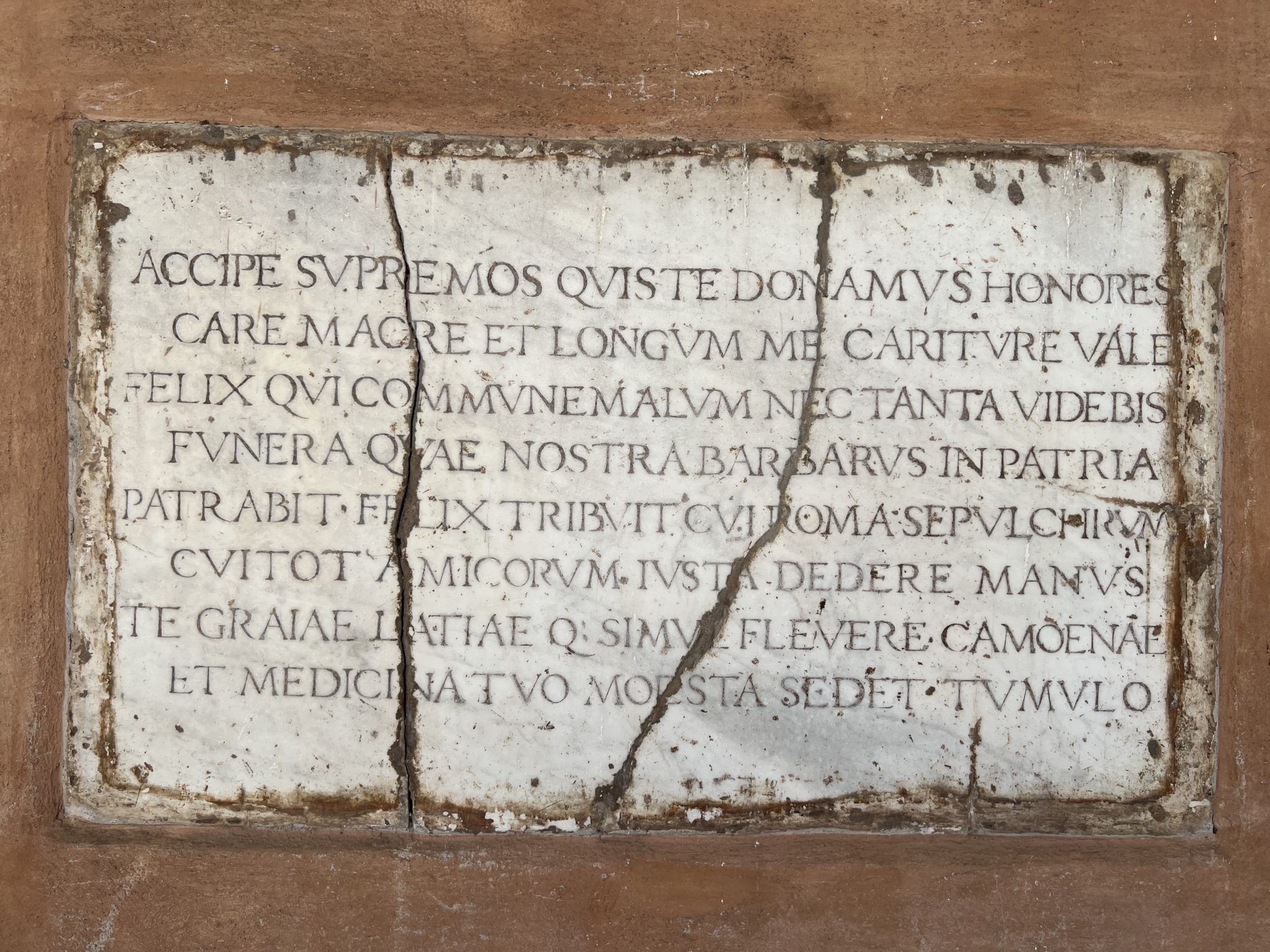
And then there is this. I’ve been confused by this darn thing for years, so I decided to get to the bottom of it.
I’ve added some punctuation… [.]
ACCIPE SUPREMOS QUIS TE DONAMUS HONORES
CARE MACRE ET LONGUM ME CARITURE VALE[.]
FELIX QUI COMMUNE MALUM NEC TANTA VIDEBIS
FUNERA QUAE NOSTRA BARBARUS IN PATRIA
PATRABIT[.] FELIX TRIBUIT CUI ROMA SEPULCHRUM
CUITOT AMICORUM IUSTA DEDERE MANUS[.]
TE GRAIAE LATIAE Q SIMUL FLEVERE CAMOENAE
ET MEDICINA TUO MOESTA SEDET TUMULO[.]
This is a curious inscription. It is an epigraph for a certain physician named “Macro” (as in “care Macre”). And the stone has some errors of spelling: e.g., “TE GRAECE LATIAEQUE}
Can anyone puzzle this out?
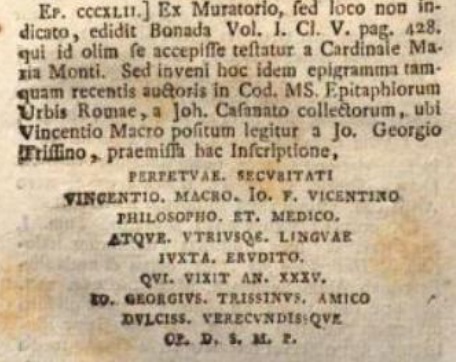
I wasted a bunch of time on this stupid rock, to nearly no avail, but I did find this:
So, we now sort of know who this guy was. Maybe.
HERE I found some explanation of the inscription in the image above. It has to do with figures from Vicenza. Pardon if I leave it in Italian.
Noi troviamo accop- ?piati in questa iscrizione i nomi di due nostri concittadini celebri, ?e ricordato il sacco fatale ed i mali, a cui dal 1509 al 1517 an- ?dava soggetta la nostra patria. Alemanni, Borgognoni, Francesi, ?Spagnuoli, secondati da bande di fuorusciti e di confinati per ?enormi delitti, corsero e ricorsero la città ed il territorio. In quel ?trambusto non vi fu luogo su cui non piombassero gli orrori della ?strage e della licenza, non angolo, che andasse immune da sac- ?cheggi e da incendii. A fuggir tali sventure molti Vicentini esu- ?larono e tra questi il Magrè, di cui parla il cenotafio. Nato in ?Vicenza nel 1475 ben presto divenne intimo del Trissino e degli ?altri belli ingegni, di cui fu ricca anche da noi queir età. Lo ?troviamo presente alle adunanze accademiche del Trissino con ?Galeazzo Thiene e Battista Graziani. E fu forse allora che si ad- ?dentrò nelle lettere classiche, per cui fu ammirato dai contempo- ?ranei, oltre chè come medico valente, qual distinto conoscitore del ?greco, del latino e della filosofia. Tanta era la fiducia del Trissino ?in lui, che durante la prima dimora in Milano gli avea affidato, ?quasi a un altro sè stesso, la cura della madre, dei figli e della ?casa domestica. Ed appunto a Milano il Magrè mandava a Gian- ?giorgio le due lettere, unici scritti, che rimangono di lui e che ?furono stampate nel 1878. La fuga dal ferro nemico non. valse ?a preservare Vincenzo dalla peste, che lo colse in Roma in età ?di soli trentacinque anni. Il Trissino ne pianse la morte in un ????181 ??pietoso epitaffio, che egli fece murare più tardi nella Chiesa di ?s. Lorenzo in Lucina, ove il Magrè fu sepolto. E' quello che ho ?riportato qui sopra, e che Giambattista Magrè nel 1632 facea ?ripetere in S. Corona. A quello posto in Roma il Trissino aggiun- ?gea : In questa piccola pietra, ottimo Macro, sta zi monumento e ?V ultimo pegno di una grande amicizia. Lacchè mi li tolse una ?morte immatura, o caro a me più dell' anima mia, io non ti ri- ?corderò mai senza pianto ; mai non lascierò di amarti e di por- ?gere doni al tuo caro sepolcro. ?
Please remember me when shopping online. Your use of my Amazon affiliate link is a major part of my income. It helps to pay for insurance, groceries, everything. Thanks in advance.
“This blog is like a fusion of the Baroque ‘salon’ with its well-tuned harpsichord around which polite society gathered for entertainment and edification and, on the other hand, a Wild West “saloon” with its out-of-tune piano and swinging doors, where everyone has a gun and something to say. Nevertheless, we try to point our discussions back to what it is to be Catholic in this increasingly difficult age, to love God, and how to get to heaven.” – Fr. Z
Francisco12 on ROME 26/10– Day 14: Great scissors: “What a beautiful church! One doesn’t usually hear about the Barnabites much. I only found out about them a few…”
Federated Computer… your safe and private alternative to big biz corporations that hate us while taking our money and mining our data. Have an online presence large or small? Catholic DIOCESE? Cottage industry? See what Federated has to offer. Save money and gain peace of mind.
“Until the Lord be pleased to settle, through the instrumentality of the princes of the Church and the lawful ministers of His justice, the trouble aroused by the pride of a few and the ignorance of some others, let us with the help of God endeavor with calm and humble patience to render love for hatred, to avoid disputes with the silly, to keep to the truth and not fight with the weapons of falsehood, and to beg of God at all times that in all our thoughts and desires, in all our words and actions, He may hold the first place who calls Himself the origin of all things.”
Everyone, work to get this into your parish bulletins and diocesan papers.
The most evident mark of God’s anger and the most terrible castigation He can inflict upon the world are manifested when He permits His people to fall into the hands of clerics who are priests more in name than in deed, priests who practice the cruelty of ravening wolves rather than the charity and affection of devoted shepherds.
St. John Eudes
Your support is important. Thanks in advance.
To donate monthly I prefer Zelle because it doesn't extract fees. Use
frz AT wdtprs DOT com
Donate using VENMO
GREAT BEER from Traditional Benedictine Monks in Italy
Good coffee and tea. Help monks.
I use this when I travel both in these USA and abroad. Very useful. Fast enough for Zoom. I connect my DMR (ham radio) through it. If you use my link, they give me more data. A GREAT back up.
Help support Fr. Z’s Gospel of Life work at no cost to you. Do you need a Real Estate Agent? Calling these people is the FIRST thing you should do!
They find you a pro-life agent in your area who commits to giving a portion of the fee to a pro-life group!
Don’t rely on popes, bishops and priests.
“He [Satan] will set up a counter-Church which will be the ape of the Church because, he the devil, is the ape of God. It will have all the notes and characteristics of the Church, but in reverse and emptied of its divine content. It will be a mystical body of the anti-Christ that will in all externals resemble the mystical body of Christ. In desperate need for God, whom he nevertheless refuses to adore, modern man in his loneliness and frustration will hunger more and more for membership in a community that will give him enlargement of purpose, but at the cost of losing himself in some vague collectivity.”
“Who is going to save our Church? Not our bishops, not our priests and religious. It is up to you, the people. You have the minds, the eyes, and the ears to save the Church. Your mission is to see that your priests act like priests, your bishops act like bishops.”
“The modern habit of doing ceremonial things unceremoniously is no proof of humility; rather it proves the offender's inability to forget himself in the rite, and his readiness to spoil for every one else the proper pleasure of ritual.”
- C.S. Lewis
This blog has to earn its keep!
PLEASE subscribe via PayPal if it is useful. Zelle and Wise are better, but PayPal is convenient.
A monthly subscription donation means I have steady income I can plan on. I put you my list of benefactors for whom I pray and for whom I often say Holy Mass.
In view of the rapidly changing challenges I now face, I would like to add more $10/month subscribers. Will you please help?
For a one time donation...
To donate monthly I prefer Zelle because it doesn't extract fees. Use
frz AT wdtprs DOT com
As for Latin…
"But if, in any layman who is indeed imbued with literature, ignorance of the Latin language, which we can truly call the 'catholic' language, indicates a certain sluggishness in his love toward the Church, how much more fitting it is that each and every cleric should be adequately practiced and skilled in that language!" - Pius XI
"Let us realize that this remark of Cicero (Brutus 37, 140) can be in a certain way referred to [young lay people]: 'It is not so much a matter of distinction to know Latin as it is disgraceful not to know it.'" - St. John Paul II
Let us pray…
Grant unto thy Church, we beseech Thee, O merciful God, that She, being gathered together by the Holy Ghost, may be in no wise troubled by attack from her foes. O God, who by sin art offended and by penance pacified, mercifully regard the prayers of Thy people making supplication unto Thee,and turn away the scourges of Thine anger which we deserve for our sins. Almighty and Everlasting God, in whose Hand are the power and the government of every realm: look down upon and help the Christian people that the heathen nations who trust in the fierceness of their own might may be crushed by the power of thine Arm. Through our Lord Jesus Christ, Thy Son, who liveth and reigneth with Thee in the unity of the Holy Ghost, God, world without end. R. Amen.









 Francisco12 on ROME 26/10– Day 14: Great scissors: “What a beautiful church! One doesn’t usually hear about the Barnabites much. I only found out about them a few…”