WDTPRS – 14th Sunday after Pentecost: the finger

This Sunday’s Collect for the Extraordinary Form survived the snipping and pasting of the Consilium and the late Annibale Bugnini’s liturgical experts to be used in the Ordinary Form on Tuesday of the 2nd week of Lent.  Figure that one out.

Custodi, Domine, quaesumus, Ecclesiam tuam propitiatione perpetua: et quia sine te labitur humana mortalitas; tuis semper auxiliis et abstrahatur a noxiis, et ad salutaria dirigatur.

Propitiatio, in its fundamental meaning, is “an appeasing, atonement, propitiation”. The dictionary of liturgical Latin Blaise/Dumas also gives us a view of the word as “favor”. This makes sense. God has been appeased and rendered favorable again towards us sinners by the propitiatory actions Christ fulfilled on the Cross. We have renewed these through the centuries in Holy Mass.

Mortalitas refers, as you might guess, to the fact that we die, our mortality. Inherent in the word is the concept that we die in our flesh. So, you ought also to hear “flesh” when you hear mortalitas.

Labitur is from labor. This is not the substantive labor but the verb, labor, lapsus. It means, “to glide, fall, to move gently along a smooth surface, to fall, slide”.

Auxilium, in the plural, has a military overtone. There is also a medical undertone too, “an antidote, remedy, in the most extended sense of the word”. Pair this up with noxius, a, um, which points at things which are injurious or harmful. There is a moral element as well or “a fault, offence, trespass”.

Salutaria is the plural of neuter salutare which looks like an infinitive but isn’t. Our constant companion the Lewis & Short Dictionary says the neuter substantive salutare is “salvation, deliverance, health” in later Latin. The adjectival form, salutaris, is “of or belonging to well-being, healthful, wholesome”. Think of English “salutary” and O salutaris hostia in the Eucharistic hymn by St. Thomas Aquinas (+1274).

When this word is in the neuter plural (salutaria) there is a phrase in Latin bibere salutaria alicui … to drink one’s health” or literally “to drink healths to someone”. In Shakespeare’s Romeo and Juliet during the famous “Queen Mab” speech Mercutio declares that a soldier dreams, inter alia, of “healths five fathom deep,” (I, iv) and in Henry VIII the King says to Cardinal Wolsey, “I have half a dozen healths to drink to these” (I, iv).

Wine and health are closely related in the ancient world. In the parable of the Good Samaritan the good passerby pours oil and wine into the wounds of the man who was assaulted (Luke 10:25-37). St. Paul wrote to St. Timothy:

“No longer drink only water, but take a little wine for the sake of your stomach and your frequent ailments” (1 Tim 5:23).

Apart from its resemblance to blood, it is no surprise that Christ should choose this healthful daily staple as the matter of our saving Sacrament.

Wine was often safer to drink than water in the ancient world, though it was nearly always mixed with water to some extent. To drink uncut wine, merum in Latin (from the adjective merus “unadulterated”, giving us the English word “mere”) was considered barbaric. Cicero (+43 BC) and others hurled that accusation at Marcus Antonius (+31 BC) who was a renowned merum swiller.

Catholics sing the word merum in the hymn of the Holy Thursday liturgy, Pange lingua gloriosi, by St. Thomas Aquinas: “fitque sanguis Christi merum… and the (uncut) wine becomes the Blood of Christ”. In sacramental terms, there is a link between wine and health in the sense of salvation. During Holy Mass, we offer gifts of wine with water to become our spiritual “healths” once it is changed into the Blood of Christ. These archaic and literary references help us drill into the language of our prayers.

Let’s drill some more. Did you know that the index finger was called digitus salutaris, and that the ancient Romans held it up when greeting people? We don’t do that very often these days. I believe modern usage, at least on roadways, more commonly employs a different finger.

The special designations of fingers in Latin are pollex (thumb); index or salutaris (forefinger); medius, infamis or impudicus (middle finger); minimo proximus or medicinalis (ring finger); minimus (little finger, “pinky”). The priest, during Mass in the Vetus Ordo, always holds the consecrated Host only between his thumb and the digitus salutaris. One way to harm a priest, our mediator at the altar and in the confessional, was to chop off his index fingers.   This was done to the North American martyrs and missionaries.  Priests without those fingers were forbidden to say Mass without special permission from the Holy See.  Those significance of those fingers was clearly understood by those who hate the Church, priesthood, and the Eucharist as being especially important.  Even the thumb can play a kind of mystical priestly role in the Mass.  During Mass when the priest has his hands together, he places his right thumb over his left to form a cross.  This is deliberate in the Roman Rite, and it is indicated as such in the Ritus Servandus at the beginning of the Missal.

III De initio Missae
Sacerdos cum primum descenderit sub infimum gradum altaris, convertit se ad ipsum altare, ubi stans in medio, iunctis manibus ante pectus, extensis et iunctis pariter digitis, et pollice dextero super sinistrum posito in modum crucis (quod semper servatur quando iunguntur manus, praeterquam post Consecrationem), detecto capite, facta prius Cruci vel altari profunda reverentia, vel si in eo sit tabernaculum sanctissimi Sacramenti, facta genuflexione, erectus incipit Missam.

III. The Beginning of Mass

1. When the priest has descended to the lowest level of the Altar, he turns toward the Altar, and standing in the middle, with his hands joined before his breast with fingers extended and together, and with his right thumb over his left in the form of a cross (which form is always to be observed when joining the hands until after the Consecration), and with his head uncovered, having first reverenced the Crucifix or Altar, or if a Tabernacle containing the Blessed Sacrament is on the Altar, having genuflected, standing erect, he begins the Mass.

The Vetus Ordo is replete with details that bring great richness to our full, conscious and actual participation. Just sayin’.

And if you are wondering.  No.  It isn’t.

Let’s push this a little more.

The adjective medicinalis, “medicinal, healing”, comes from the verb medeor or medico, the original meaning of which has to do with “to heal” by magic. The verb traces back to the stem med– or “middle”. So, medicus, “doctor” is associated with “mediator”. We can think of this in terms of the English word “medium”, who is a mediator with the spirit world. The Latin poet Silius Italicus (Tiberius Catius Asconius Silius Italicus +101) called a magician “medicus vulgus” (Punica, III, 300). The ancients saw what we call the “ring finger” as having magical powers. This is reflected in the name digitus medicinalis, the “medicinal/magic” finger.

One of the most important Patristic Christological images in the ancient Church is Christus Medicus, the “Physician”. St. Augustine does amazing things with this image, and Christus Mediator. He is the doctor of the ailing soul. He is the only mediator between God and man.

LITERAL RENDERING:

Guard your Church, we beseech You, O Lord, with perpetual favor, and since without You our mortal flesh slides toward ruin by means of your helping remedies let it be pulled back from injuries and be guided unto saving healths.

Watch how the old incarnation of ICEL ruined the imagery.

OBSOLETE ICEL (1973):

Lord, watch over your Church,
and guide it with your unfailing love.
Protect us from what could harm us
and lead us to what will save us.
Help us always, for without you we are bound to fail.

We won’t ever have to hear that one again!

CURRENT ICEL (2011):

Guard your Church, we pray, O Lord, in your unceasing mercy,
and, since without you mortal humanity is sure to fall,
may we be kept by your constant helps from all harm
and directed to all that brings salvation
.

We all know the image of the slippery slope. Once you are on this slope, scrabble and scratch with your weak hands as you can, and you can’t get a purchase.

You slide and slide, faster and faster.  Down.

Our fallen nature and our habitual sins drag us onto the slope from which we cannot save ourselves.

In the sacraments and teachings of Holy Church, Christ extends the fingers of His saving hand.

He draws us back from a deadly slide with His Almighty hand.

Posted in Liturgy Science Theatre 3000, WDTPRS |
2 Comments

Drones… who knew? Amazing VIDEO

You can go great things with tools or evil things.

Drones are tools.

This is amazing. Sent by a long-time internet colleague, reader, donor, fellow ham, and Catholic gentleman.

IMG_3021

Posted in SESSIUNCULA | Tagged
1 Comment

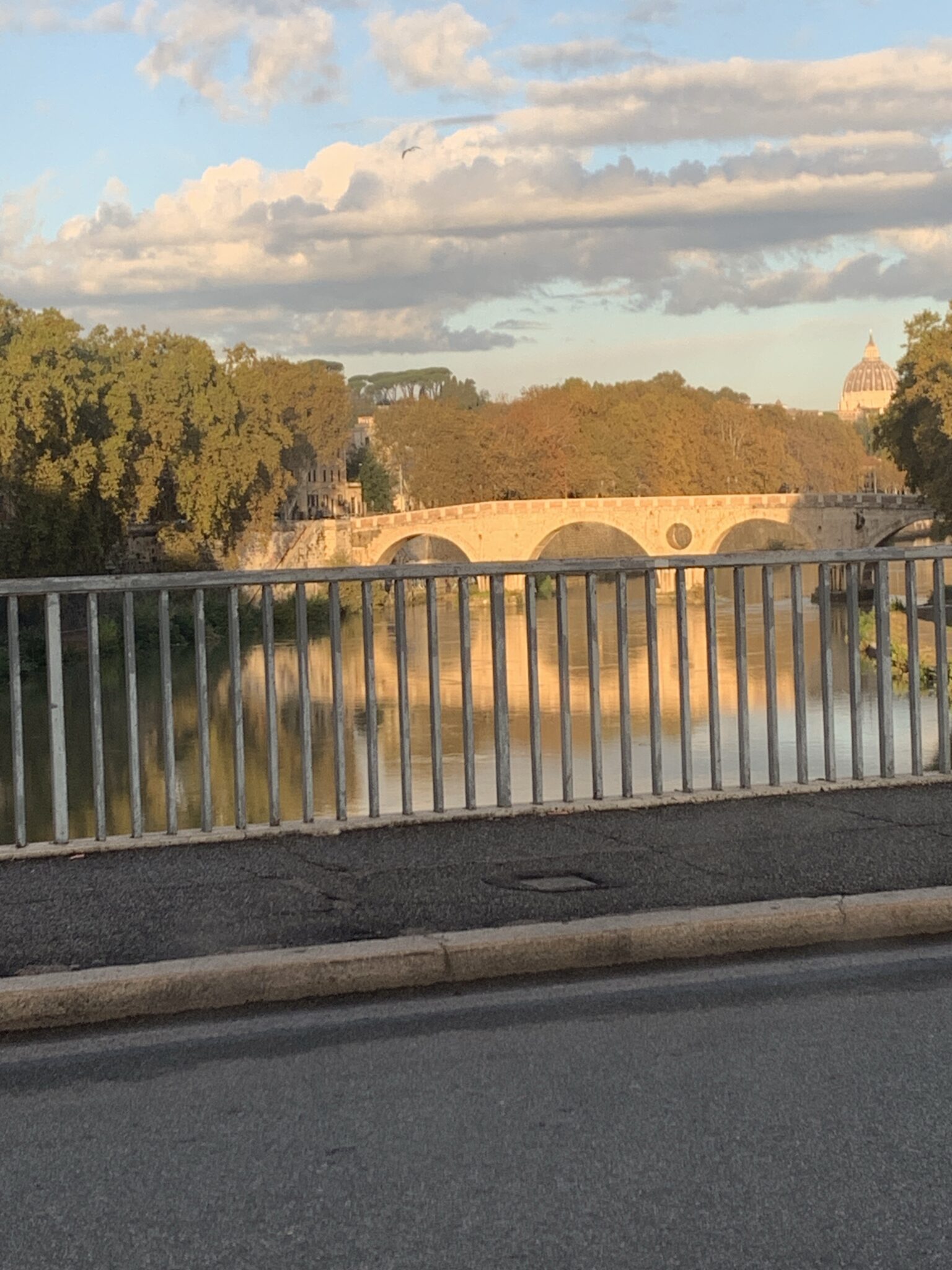
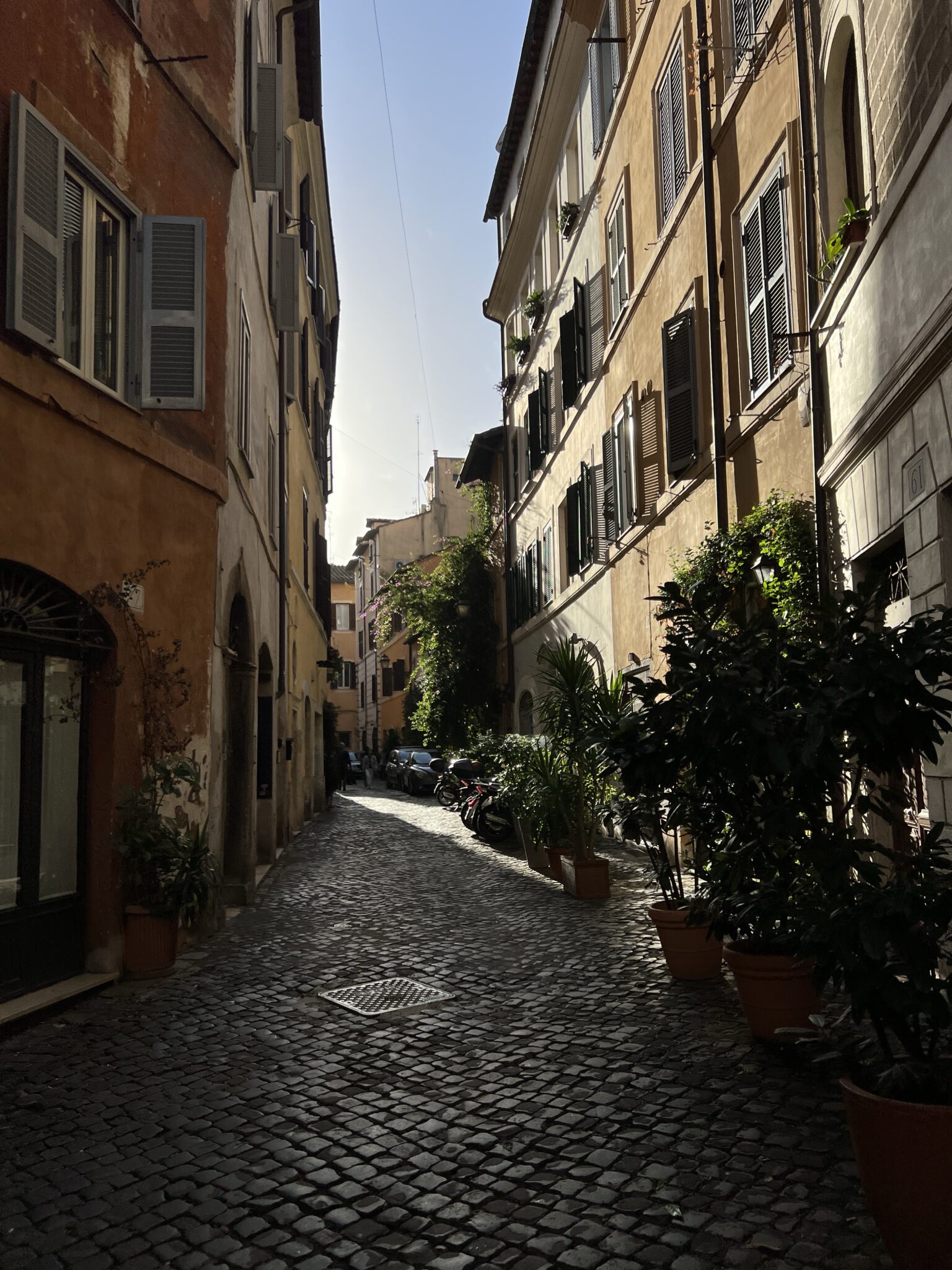
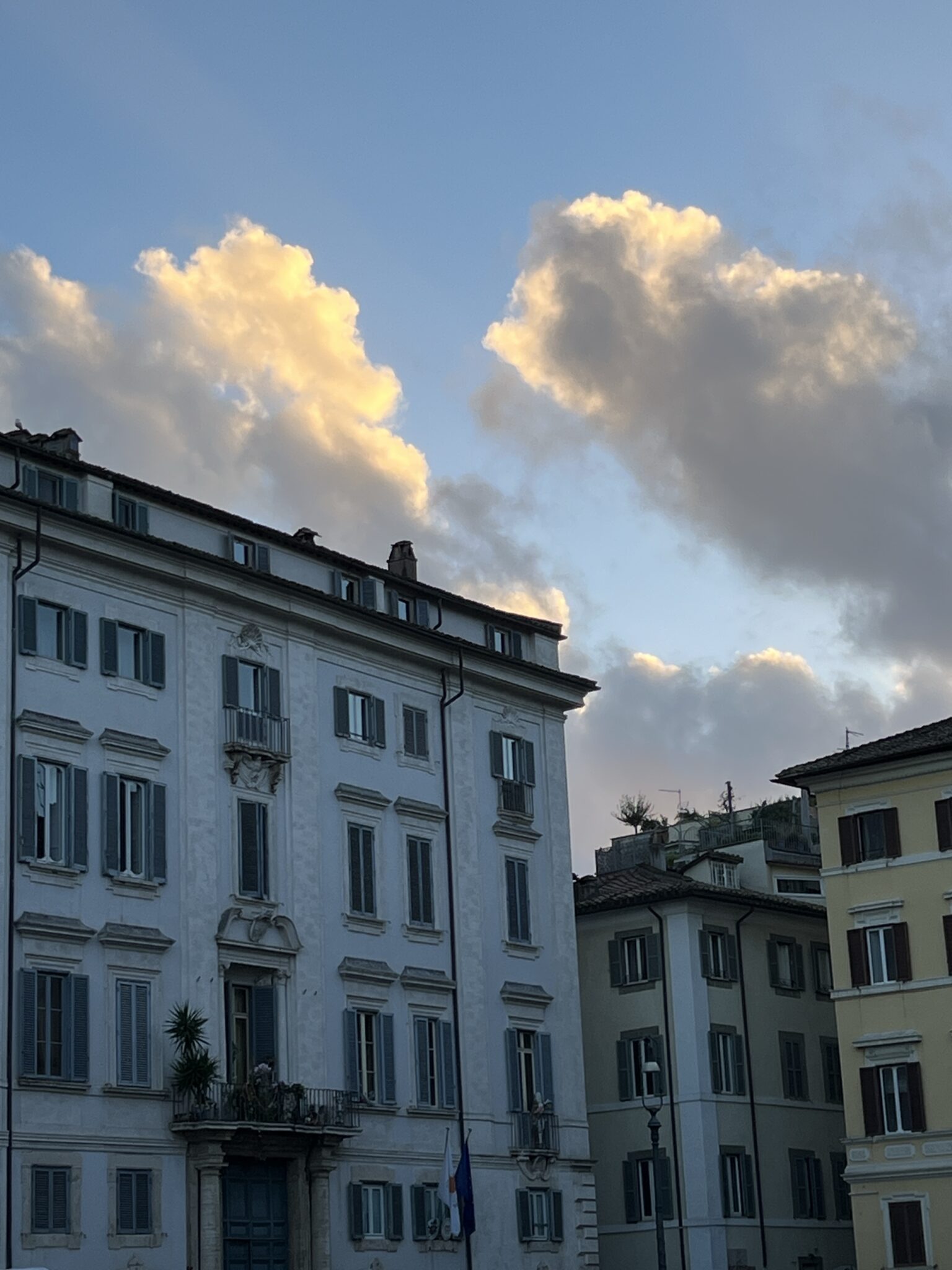
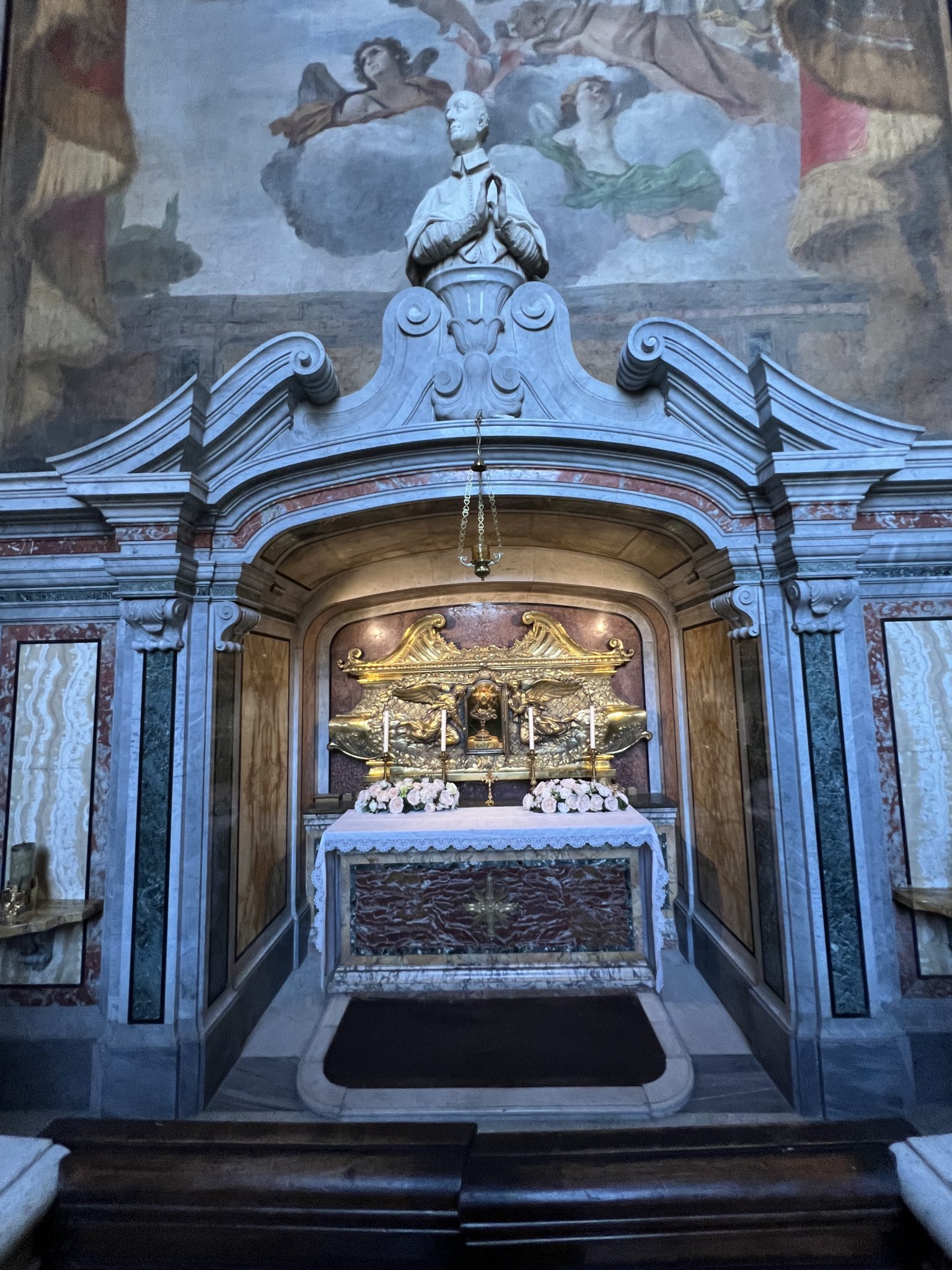
Daily Rome Shot 782

Photo by The Great Roman™

Use FATHERZ10 at checkout

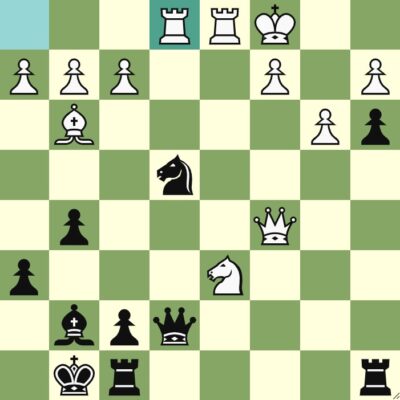
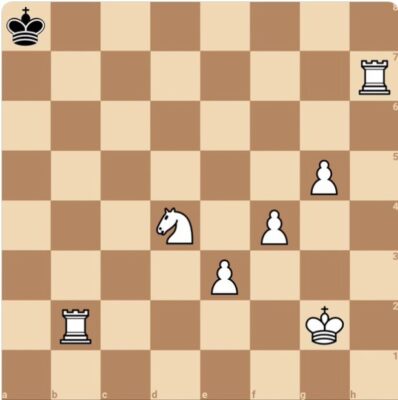
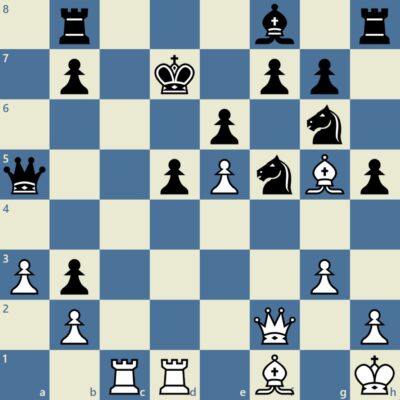
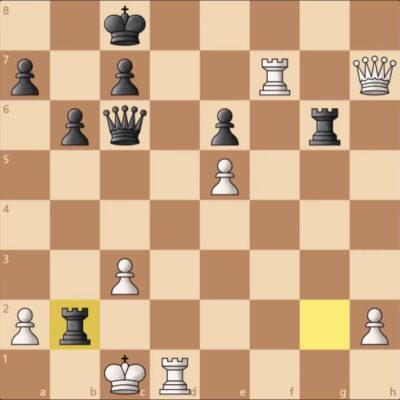
Meanwhile,…  white to move and mate in 2.

NB: I’ll hold comments with solutions ’till the next day so there won’t be “spoilers” for others.

Interested in learning?  Try THIS.

Please remember me when shopping online. Thanks in advance. US HERE – UK HERE  These links take you to a generic “catholic” search in Amazon, but, once in and browsing or searching, Amazon remembers that you used my link and I get the credit.

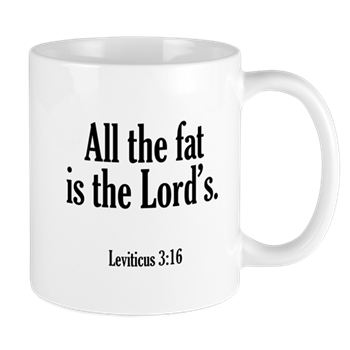
3:16 isn’t just in John.

Generation cup (part of the Champions Chess Tour) action continued yesterday. Alireza Firouzja will again battle Magnus Carlsen in the Grand Final. He prevailed in the losers bracket to reemerge in the final. In Division II, Nepomniachtchi will face Levon Aronian in their Grand Final. In Division III, Sam Sevian will play Shakhriyar Mamedyarov. The knockout tournament concludes today Sunday, 3 September 3, starting at 13:00 EDT 19:00 CEST.

For my part, nothing… I’ve got nothing. Except, I think that doing more puzzles has helped me crawl out of my slump.

Posted in SESSIUNCULA |
4 Comments

Your Sunday Sermon Notes – 14th Sunday after Pentecost (N.O.: 22nd) 2023

Share the good stuff.

It’s the 14th Sunday after Pentecost in the Vetus Ordo and the 22nd Sunday of the Novus Ordo.

Was there a GOOD point made in the sermon you heard at your Sunday Mass of obligation?

Tell about attendance especially for the Traditional Latin Mass. I hear that it is growing. Of COURSE.

Any local changes or (hopefully good) news?

I have some thoughts about the Sunday Epistle reading posted at One Peter Five.

A taste:

Be clear about something: Jews would have in large part agreed with Paul about how burdensome the Law was. As the chosen people rebelled against God and disrespected His covenants, God imposed more and more laws to the point that it was nearly impossible to obey them, eventually 613 in all, 365 negative and 248 positive. The weight of such a meticulous obedience to so many laws was to help them to long for the freedom from the Law that would come with the Messiah. The yoke of the Law was a burden, yes, but it was also a way for God to channel and direct the people. Try plowing a field with un-yoked oxen. The yoke is also a gift, as correctives can be. Heavy, but helpful.


Posted in SESSIUNCULA |
2 Comments

The eyes have it

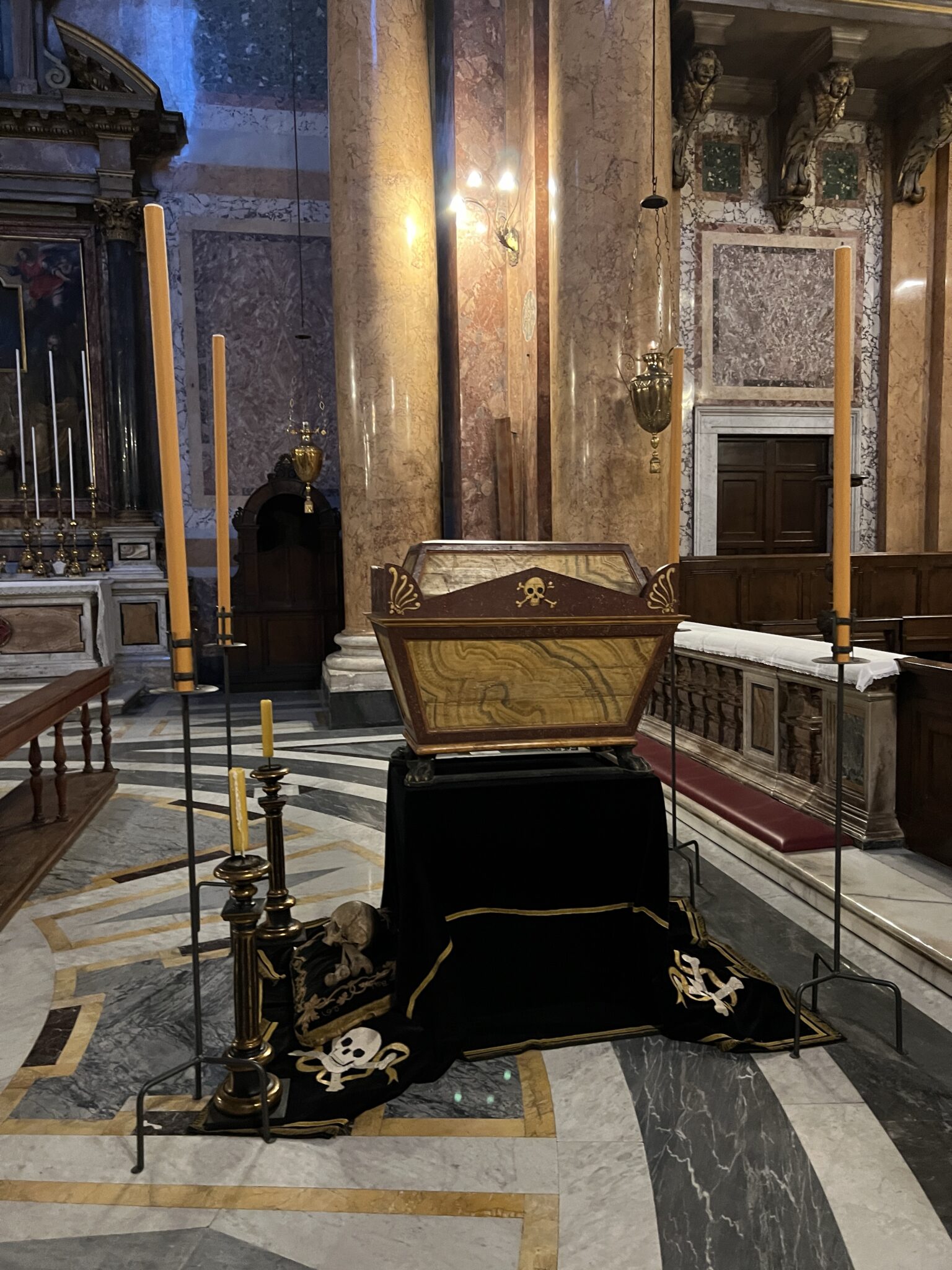
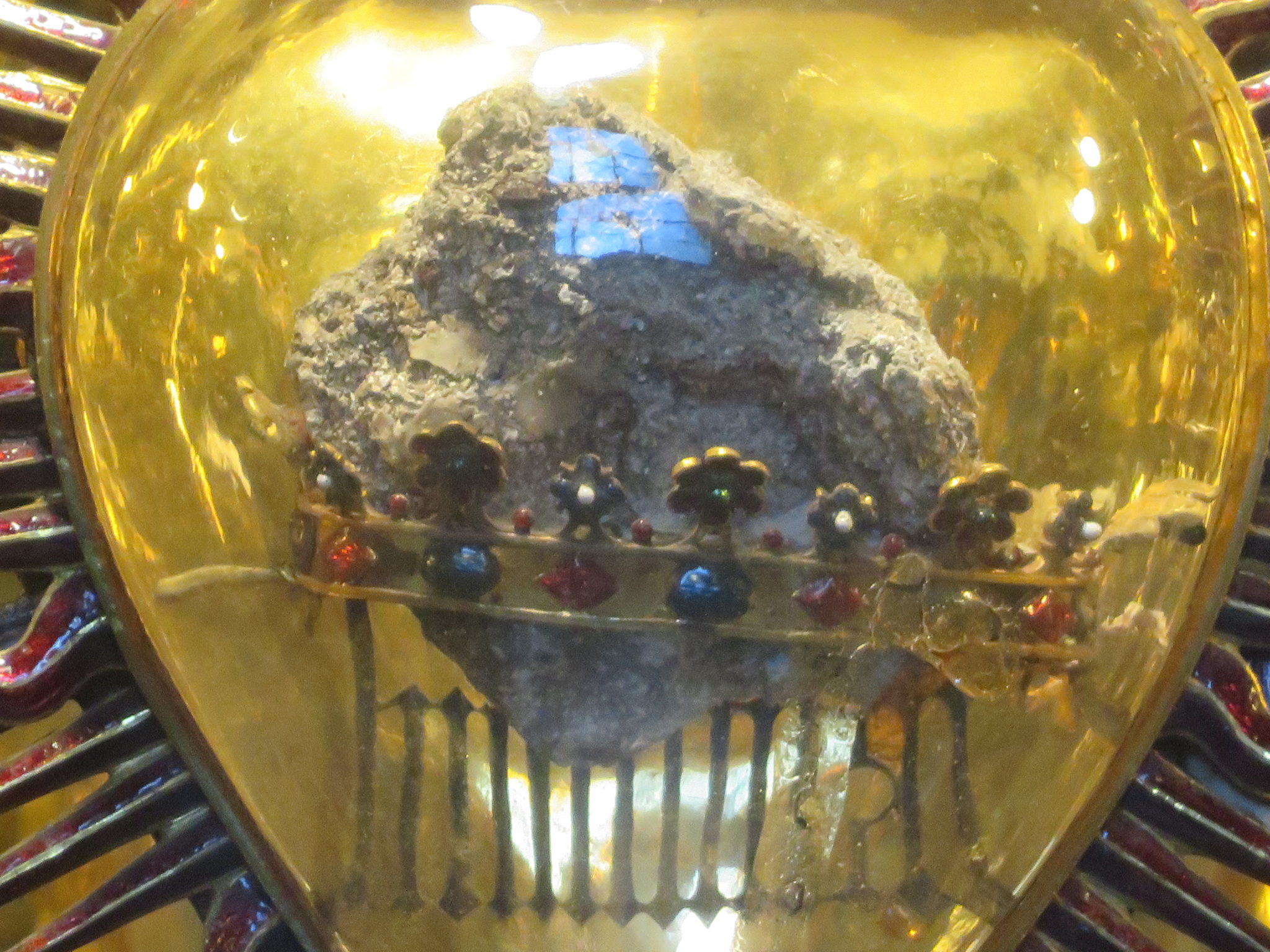
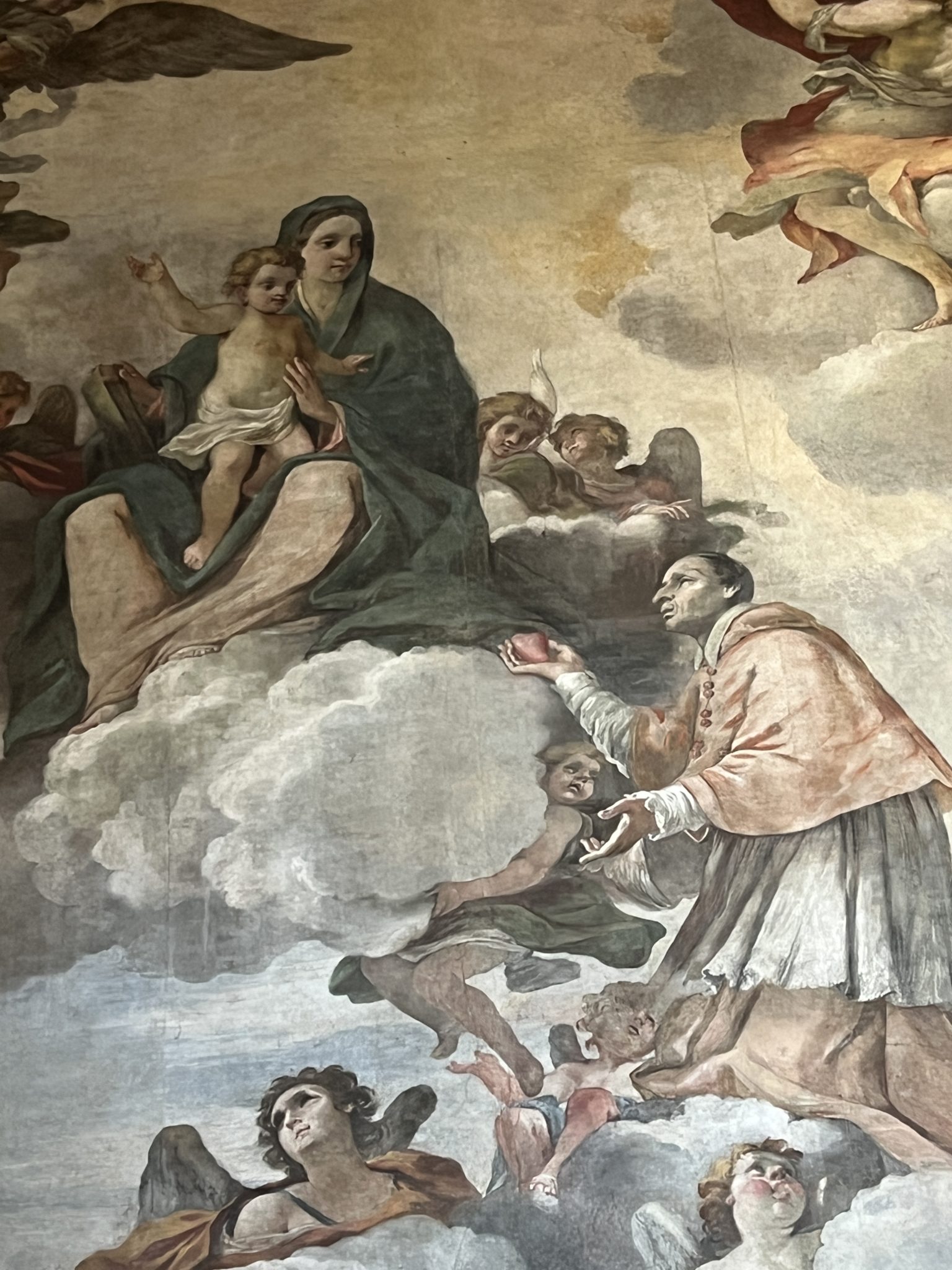
In a side chapel of the Basilica of Santa Maria in Trastevere is the funerary monument of a Cardinal who had a coat of arms that was a little creepy.

Here it is.

No. Wait.

Here it is.


This is the resting place of Pietro Francesco Card. Bussi, one-time head of the Penitenzieria Apostolica who died on 10 Sept 1765. You see his arms also in a small Roman church, S.M. in Via, that has a miraculous water fountain.

Posted in Lighter fare | Tagged ,
4 Comments

Remember, you can’t have the Traditional Latin Mass because there is one expression of the Roman Rite. VIDEO – UPDATE – News from Miami

But remember, you can’t have the Traditional Latin Mass because there is one expression of the Roman Rite.

Right?

Nothing will be done about this jackass, but YOU can’t have the TLM. It’s against Vatican II.

Meanwhile, at the Miami Herald there is a longish piece with photos and incredibly annoying ads about the growth of the TLM there. It is worth your time.

The fact is that the TLM cannot be suppressed now. It will remain. It will grow.

There was a real howler in the piece. Get this:

Mass has not always been conducted in Latin. There was a time when early Catholics used the language they spoke (likely Aramaic or Greek) to celebrate Mass. In the 16th century, Pope Pius V, unified the rite of Mass in Latin. It then became Western Europe’s standard language for church communications for centuries, said Ana Maria Bidegain, a professor of religious studies at Florida International University.

In the early to mid-1960s, however, the Second Vatican Council, seeking to make the Church more open, decreed that altars should be turned around and priests face parishioners when celebrating Mass. Lay people were given a greater role and Masses were encouraged to be celebrated in English or in people’s native languages.

Prof. Bidegain doesn’t have the slightest idea what she is talking about. Latin became the standard in the 16th century? Vatican II decreed “versus populum” altars? Masses were encouraged to be in the vernacular?

Not. A. Clue. Bidegain.

Posted in Liberals, Liturgy Science Theatre 3000, Pò sì jiù, You must be joking! |
8 Comments

ACTION ITEM: Really great travel chess set available. I have one.

This came into my email and I am eager to get the news out to you.

Sure, I push chess in my Daily Rome Shot posts.  I wanted to make sure you saw this.

Some time ago, I bought a great travel set from Chess House (with which I have an affiliate program).  It is simply the best travel set I’ve seen.  It weighs hardly anything.  The pieces are magnetic.  The board has a pleasant leather backing.  It packages up into a little bag.  It looks nice.

9″ Milled Leather Travel Magnetic Chess Set with Wood Pieces

Right now there is a 15% sitewide sale for Labor Day with code LABORDAY valid through 4 Sept 2023. Otherwise, FATHERZ10 gets you 10% anytime.

A few shots.

Up on its side.  Magnetic pieces could be slightly stronger, but hey!  They are getting it done!

With the storage bags.

Here it is in action from when I was at the wonderful conference for priests held by Scott Hahn’s St. Paul Center for Biblical Theology.

The foldable board actually lies flat.

Use FATHERZ10 at checkout

This is the set I had with me the day I took my car in for its checkup at a dealership.  A game got a room full of people standing around chatting rather than looking at screens.  Daily Rome Shot 682.

This set now also comes with extra queens.  I’ve written to them to see if I can get extras for my set.

Do yourselves a favor if you travel or you want a set for your pack or brief case or whatever.

There’s a metal ring on the outer bag so it could be clipped or MOLLE’d onto something.

90 Day guaranteed return, but I’ll bet you’ll keep yours.

Even if you are not sure about the set, please click on my link and take a look, help my stats.

Specifications

  • Overall weight 13.4 oz
  • Case measures 9.5″ x 5″ x 2.5″

Pieces

  • King height: 1 5/8″ (1.63″)
  • King base: 3/4″ (0.75″)
  • Pawn height: 7/8″ (0.87″)
  • Piece set weight: 2.4 oz.
  • 32 Chessmen – 1 Queen per side

Board

  • Board size: 9 1/4″
  • Square size: 1″
Posted in ACTION ITEM!, The Campus Telephone Pole | Tagged
1 Comment

2 September 1973 – 50th anniversary of the death of J.R.R. Tolkien

Today is the 50 anniversary of the death of J.R.R. Tolkien.

I owe a great deal to Tolkien, whose books formed a major foundation of my world view and my eventual life-choices.

The news of his death hit me hard, since I had a brief correspondence with him. My grandmother knew of my great interest, so she said, “Write him a letter!” I did. He responded. He took the time to write back to a American teenager, not even,  I was 12. I received the last letter from him, an aerogram (remember those?) a week after his death. In it he said that he couldn’t write much because he was about to go on holiday and the car was waiting. He died that night.

The older I get, the more I see in his works. They are gifts that keep giving. He was a great Catholic gentleman, scholar, and teacher.

Dear readers, if you have not read The Hobbit and The Lord of the Rings, please do. Then The Silmarillion awaits.

Set aside the bad influence of the movies.   They got soooo much just plain wrong, apart from well…

Meanwhile, Joseph Shaw of the Latin Mass Society posted this:

Posted in SESSIUNCULA | Tagged
8 Comments

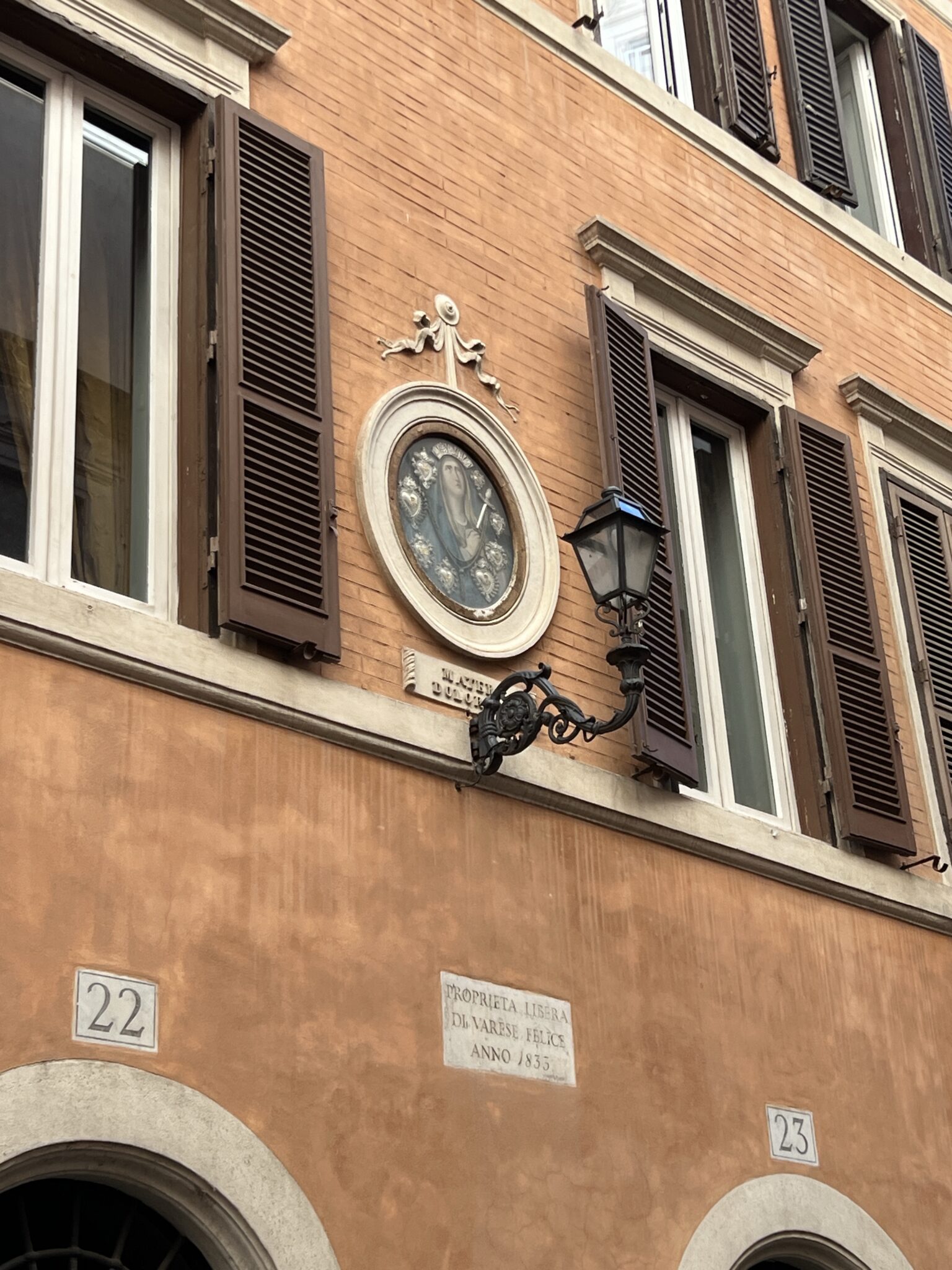
Daily Rome Shot 781 – Wherein Fr. Z rants

Nice for Saturday!

Thanks to The Great Roman™!

The wonderful Benedictine monks of Le Barroux make great wine from the ancient vineyards of the Avignon popes. You can have some.  Get some and help them.  Win. Win.

Use FATHERZ10 at checkout

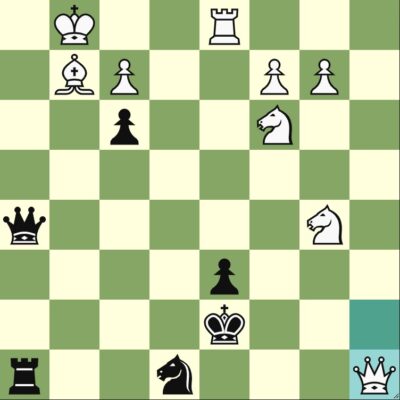
White to move and mate in 3.

Bobby Fischer v. Bent Larsen (Portoroz 1958)

NB: I’ll hold comments with solutions ’till the next day so there won’t be “spoilers” for others.

Interested in learning?  Try THIS.

As described at chess.com, the Champions Chess Tour 2023 (CCT) is “a massive chess circuit combining the best features of previous Champions Chess Tour editions with the Chess.com Global Championship. The tour comprises six events spanning the entire year and culminating in live in-person Finals.  With the very best players in the world and a $2,000,000 prize fund, the CCT is Chess.com’s most important event to date.”

Wesley So and Fabiano Caruana were eliminated on Friday in Armageddon deciders. Magnus Carlsen defeated Alireza Firouzja who drops down to the “fight to the death” bracket where Denis Lazavik and Nodirbek Abdusattorov will play and the winner will then tackle Firouzja. In Division 2 Ian won and Levon didn’t. In Div 3: Shakh and Bok won.

I just returned from Saturday morning OTB.  I got there a little late and had only two games, the first which I won by a spiffy tactic that lead to massive simplification in which I emerged with 2 rooks against my opponents lonely knight.  Pawns equal, but not for long and he resigned.  In the second game, with a long knight v bishop and two pawns each end game, I stumbled into a fork and I was “done”.  Those knights… are hoppy and forky.

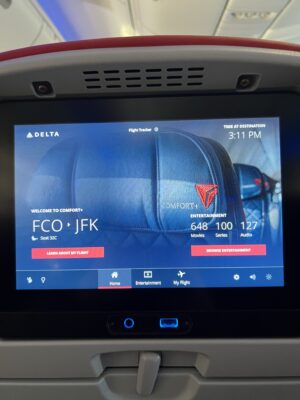
Returning home, I found I was famished.  Famished also for a good museum.  I haven’t been to the Met for several years, so I arranged a virtual visit from old photos.  I shoot lots of photos in museums for, inter alia, this reason.  Hence, not having the chance to munch a hot dog with kraut and mustard before mounting the museum steps…

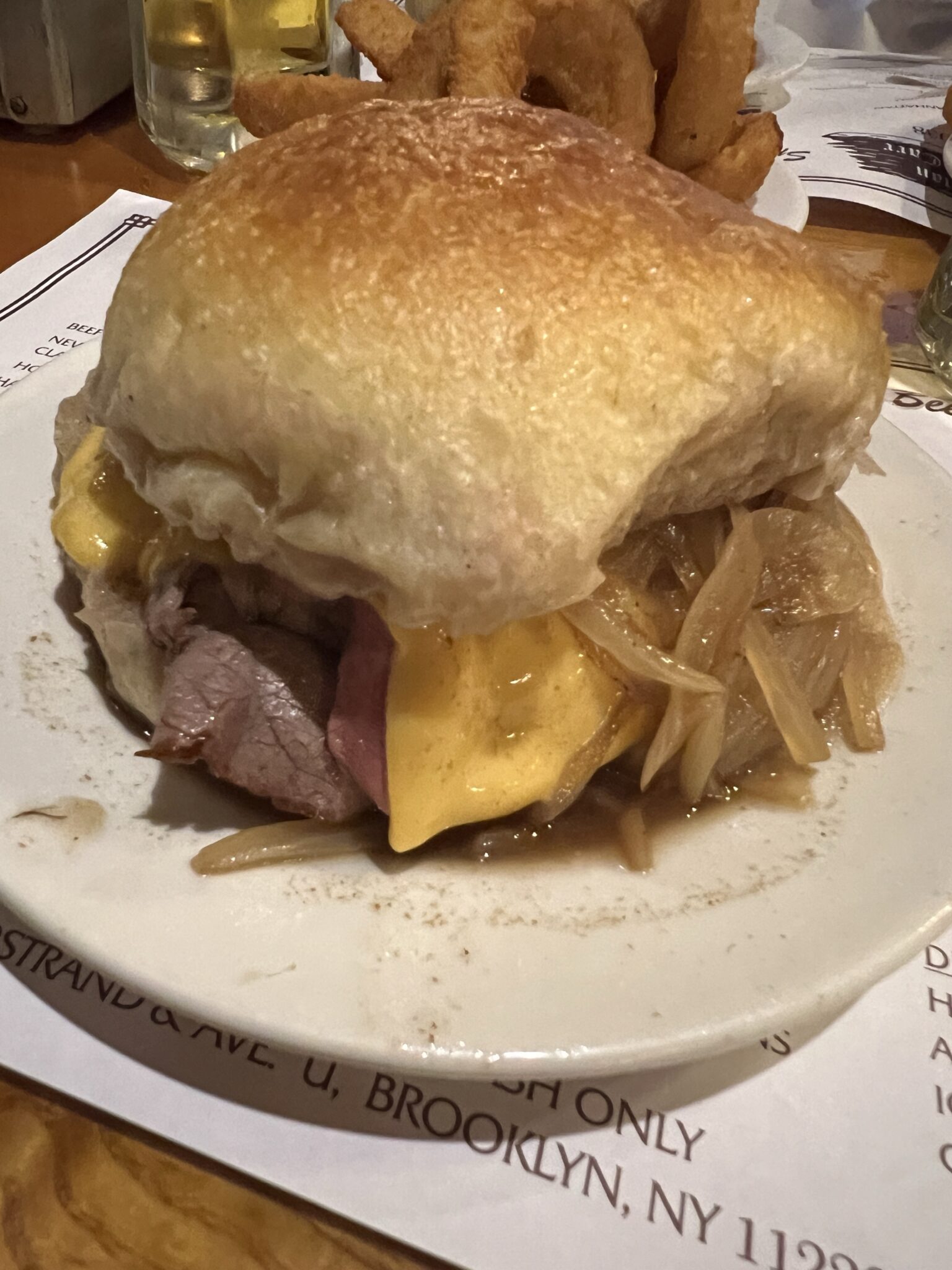
I would have gotten a sandwich from Pastrami Queen on Lex to enjoy in the park before going into the Met, but sometimes a hot dog will do.

Before I picked up this book (below), I checked my hand for yellow mustard.   Something newish from Peter Kwasniewski, which I have not yet delved into.  I like to read a good portion before recommending, but, considering the author and publisher (TAN) how bad can it be, right? o{];¬)

My old pastor Msgr. Schuler (a world-level authority and “activist” in the realm of Sacred Music after the Council) used to say that for music to be suitable for liturgical worship, it had to be both a) sacred and b) artistic.  Sacred in the sense of the musical idiom and the texts set.  Art in the sense of being both good (and, no, beauty is not just in the ear of the hearer or the eye of the beholder) and well-performed.    Think about those criteria and apply them to what you hear in most churches.

There’s a lot of chatter today from the papalotrous fanatics that anything that doesn’t adhere to their selective application of the secret knowledge only they possess about the true mean of “the Council”, then you are obviously against the Council.   Just on the point of music, I would shoot back SC 116 and then watch them choke on their own abundant spittle froth.

If parishes aren’t praying with Gregorian chant, if bishops and priests aren’t fostering Gregorian chant, SIXTY years after the Council, then it is THEY who are 60 years out of step with the Council.  The Council mandated Gregorian chant as having the first place in liturgical music in the strongest terms.   Wiping away some of the spittle, the fanatics will fight back.

“But Father! But Father!”, the fanatics will squeak, “The Council Fathers in Sacrosanctum Concilium talk about the use of other kinds of music and they provide for welcome flexibility which is obviously what the Holy Spirit wants.  And it doesn’t make any difference what the mere ink says in the documents as published!  The real message of the Council is between the words… in the change of tone from all the other Councils.  It’s a tone of welcoming and diversity, toleration that is also acceptance and then obliga… er… um… It’s the tone and the SPIRIT of the Council that chooses our welcoming music by drawing it forth from the community and it becomes the manifestory invitingness growing by walking together in … the … peripheries of … non-pastoreal … innovation and isn’t… IDEOLOGY!  But you …  If you don’t like our music then YOOOOU
HATE VATICAN II!”

You know, it’s the usual spittle-flecked nutty that results when you point out that they are little more than cracked Gnostics.

None of the provisions in SC 116 for other types of music eliminate or supersede or mitigate what SC 116 says.  We don’t have to justify the use of Gregorian chant.  The Church has done that for us.  Everyone who doesn’t learn it and use it must justify the use of something other than Gregorian chant.

I digress.

Good Music, Sacred Music, and Silence: Three Gifts of God for Liturgy and for Life

US HERE – UK HERE

Posted in "But Father! But Father!", Liturgy Science Theatre 3000, Save The Liturgy - Save The World, SESSIUNCULA, Wherein Fr. Z Rants | Tagged
7 Comments

The Kids Are Old Rite by “Quis”

From the official Parodohymnodist, inspired by this:

The Kids Are Old Rite by “Quis”

I don’t mind a little Latin in my Mass,
that’s fine, in fact it gives a little gravitas,
But to turn to the altar with candles alight,
seems to draw families in, the kids are Old Rite.
the kids are Old Rite.

Sometimes, I think the revolution’s lost,
bells chime, and burlaps banners all are tossed,
and I shed a few tears for those lost wasted years
‘Cuz despite all we’ve done, the kids are Old Rite
the kids are Old Rite

I know I should go to the Lord and confess,
for the plans that we laid have just made a big mess.

I don’t mind some incense and a little lace,
But these kids are turning up in every place,
if you shut down one Old Mass, there’s five other sites,
best to leave them alone, the kids are Old Rite
the kids are Old Rite.

Sometimes, I worry that the Council’s failed,
our Spes, and our Gaudium have been derailed,
then I read all the texts, and it’s in black and white,
the kids are the future, and they’re all Old Rite
the kids are Old Rite

Are you of an age that you do not know the song whence this is derived?

YouTube thumbnailYouTube icon

Posted in HONORED GUESTS, Parody Songs |
5 Comments