When in Middle School I took Spanish (the third language I was studying at the time along with German and Russian – because at the time we were at a High School with Russian), our teacher nicknamed me Zorro, no doubt because of my name.
There is a new series called Zorro.
How to describe?
Apart from the dubbing, which is sort of like the Holy See Press Office and L’Osservatore on a normal day…
It seems that there is now a “spirit of Zorro” which was released from the body of the previous Zorro who was a Mexican Indian when his body was burned -with all due Pacha rites, it was bestowed with the help of a rather mottled zorro (fox) spirit guide on a young Spanish blue-eyed blond who looks like a cross between Chris Pine Kirk and a Hitler Youth Poster.
The action… the costumes are great.
It is well… original but woke Batman meets Spaghetti Western, channeling moments and camera angles from The Patriot.
It is ecclesiologically up to date. There is an angry woman in it who wants to be Zorro. No. Really. She stole his black suit and beat him up. She is native American. Therefore she’s good at Kung Fu.
I haven’t figured out the angle yet ’cause she’s the bad guy right now. Girl. It. Them. And.. who’s bad, anyway?
So, we have an active Zorro and a contemplative Zorro. It’s ecclesiologically up to date.
One of them is in his hathhhsiana (I think the series in made in Granada), but he get’s out and around. The other is from the southern hemisphere peripheries. She wants to make a mess. And she has a cool make up. Dialogue paint. The stripe on her face tells you she is different … sort of.. but not in a like male female way… under the mask.
Angry fem Kung fu Mexi-Cali face-stripe Zorro, channeling her inner modern Bat Man.
And the Captain trying to catch him is named: Monasterium.
What hangs in the balance is the fate of California.
Also, I noticed that when the dialogue is in Chinese, I can get about half of it. That means that it is rudimentary Mandarin, and therefore an indication that there might be a certain country’s money involved… though it is made in Spain. In one episode, the Chinese victim girl escapes Zorro’s protection with Tornado, but Tornado comes back. Zorro, knowing Chinese proverbs, cites “the horse knows the way”… as in “lao ma shi tu… an old horse knows the way”.
Zorro’s Tornado is no doubt wise, and knows that it has to be this way.
Eclessiologically it’s up to date with original woke Batman and Tarrantino camera angles.
I did not keep up with my Spanish.
The series, so far, lacks only, “My name is Diego de la Vega. You killed my father!”
Finally, Tornado is … beautiful.
Really finally, I liked it when he carved the Z in the forehead of the slimy rapist and said, “I’ll be back.
PS: The evil Governor wears a vest of paisley.



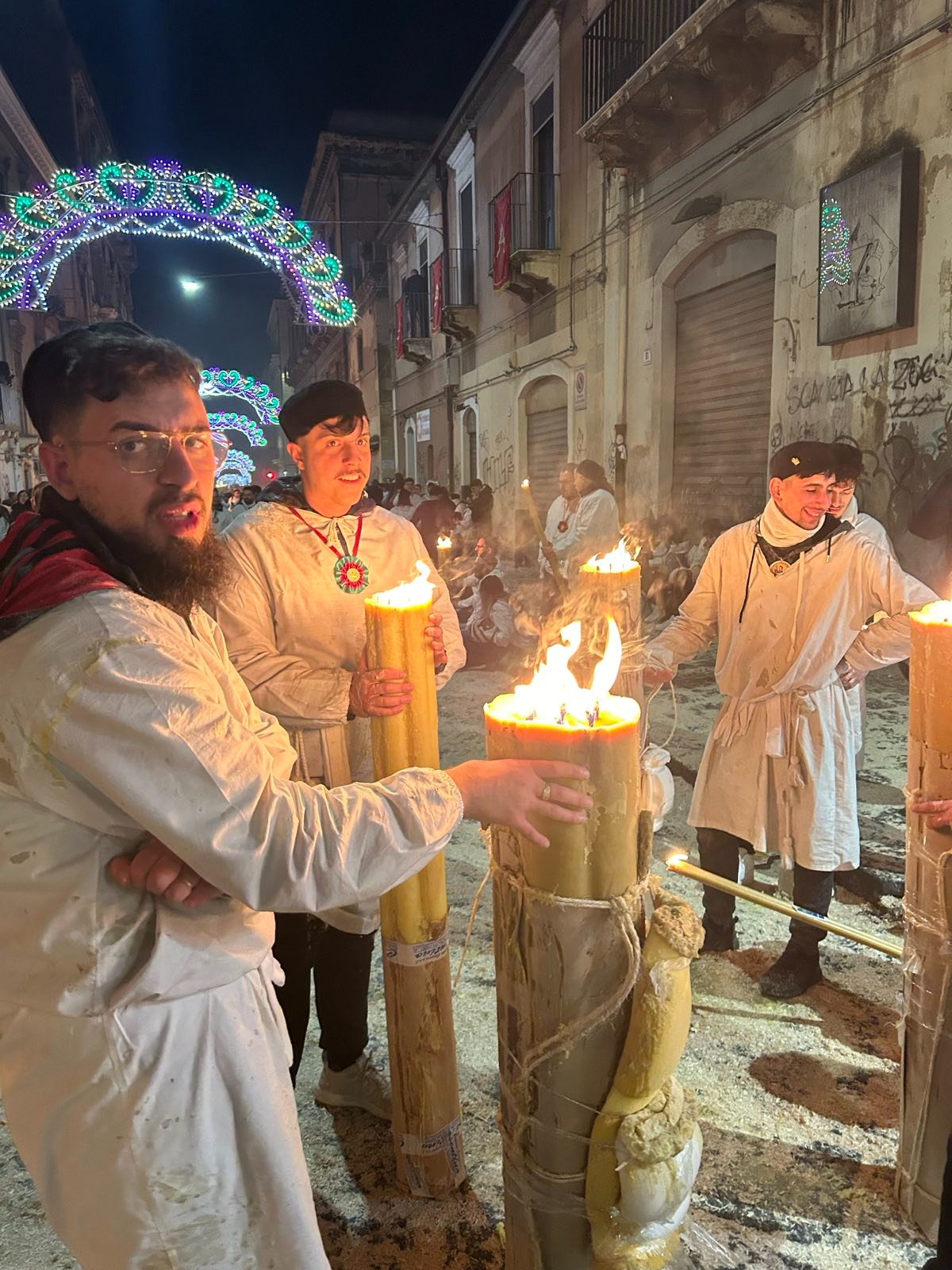
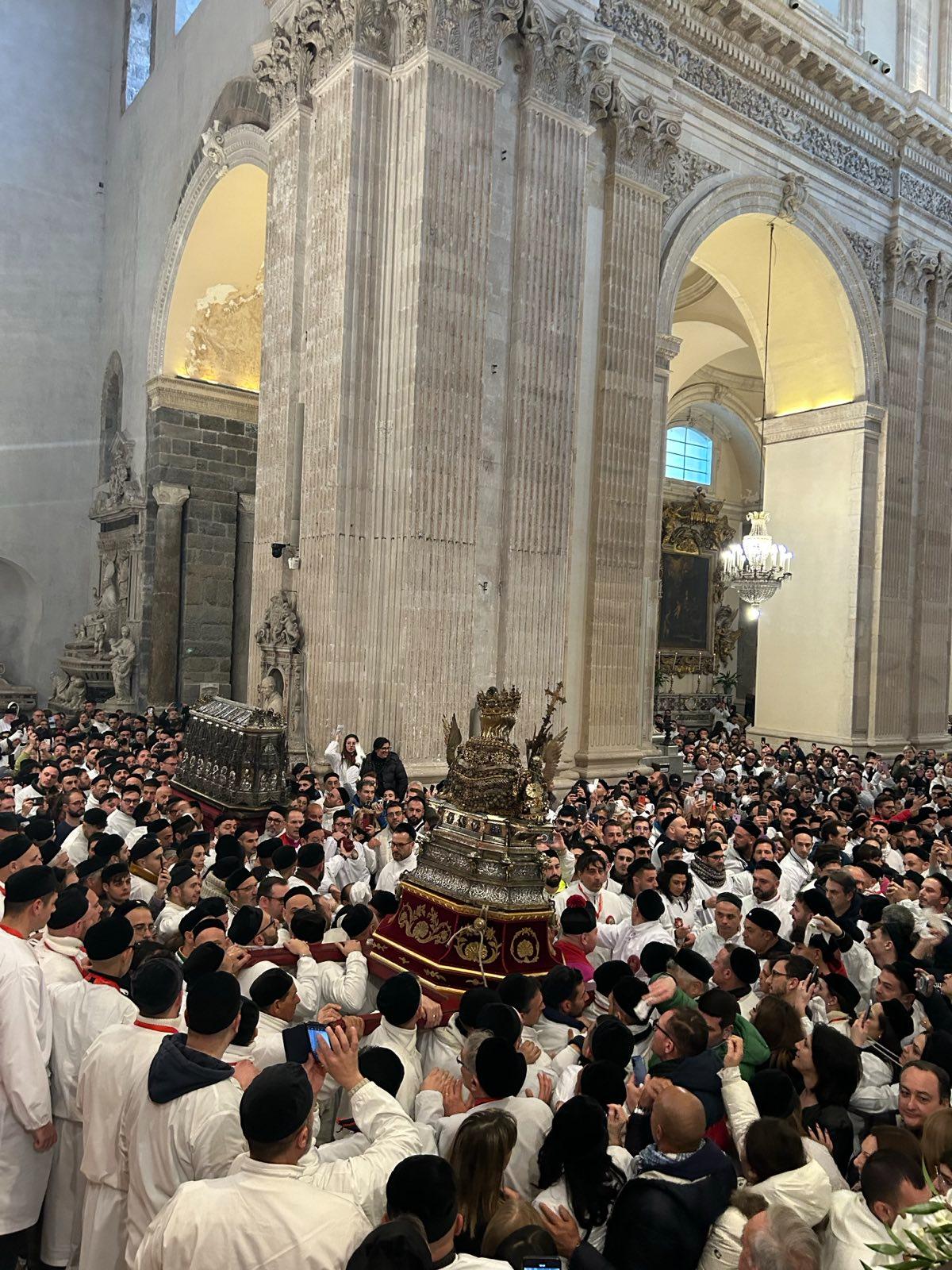
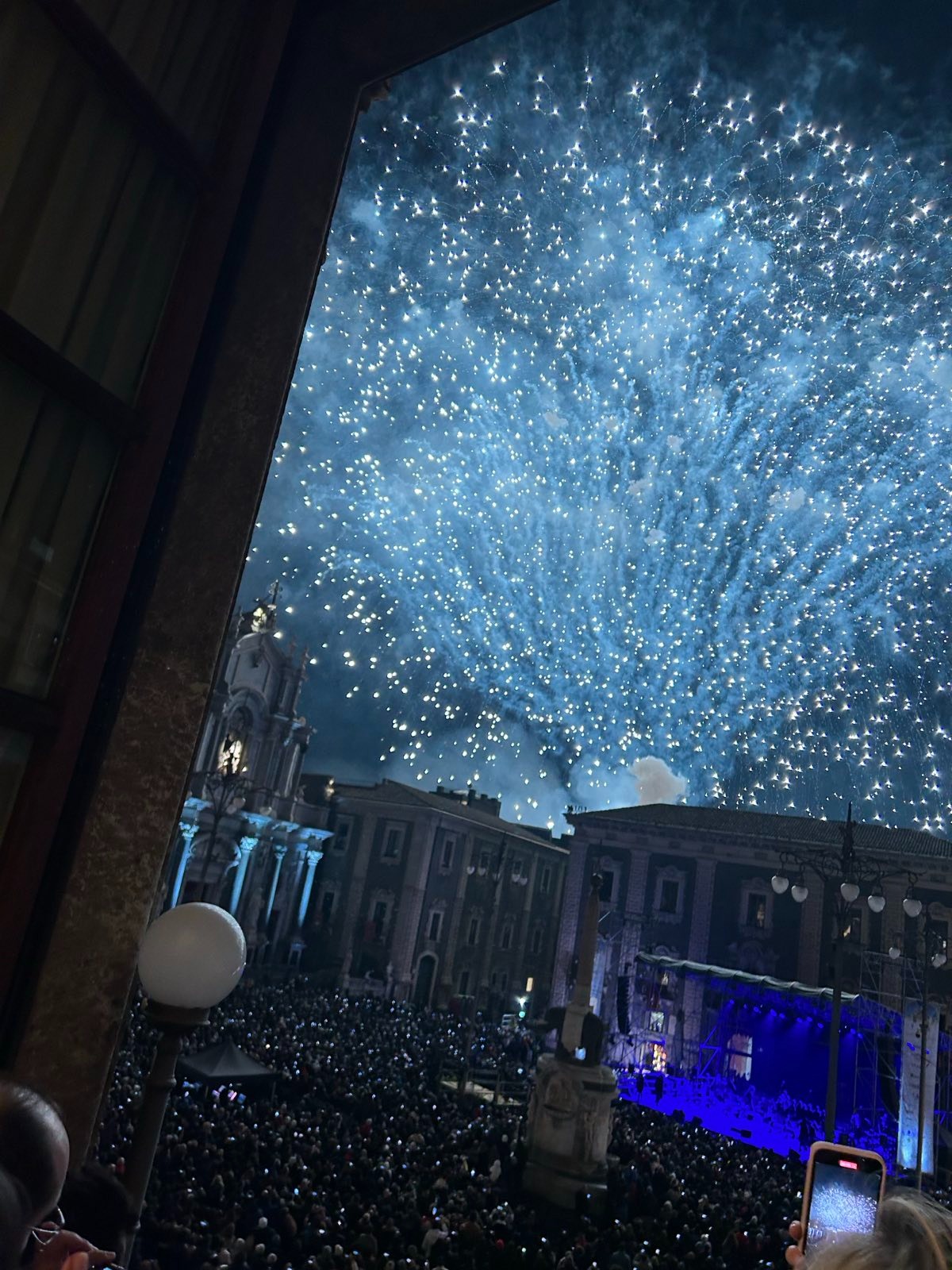



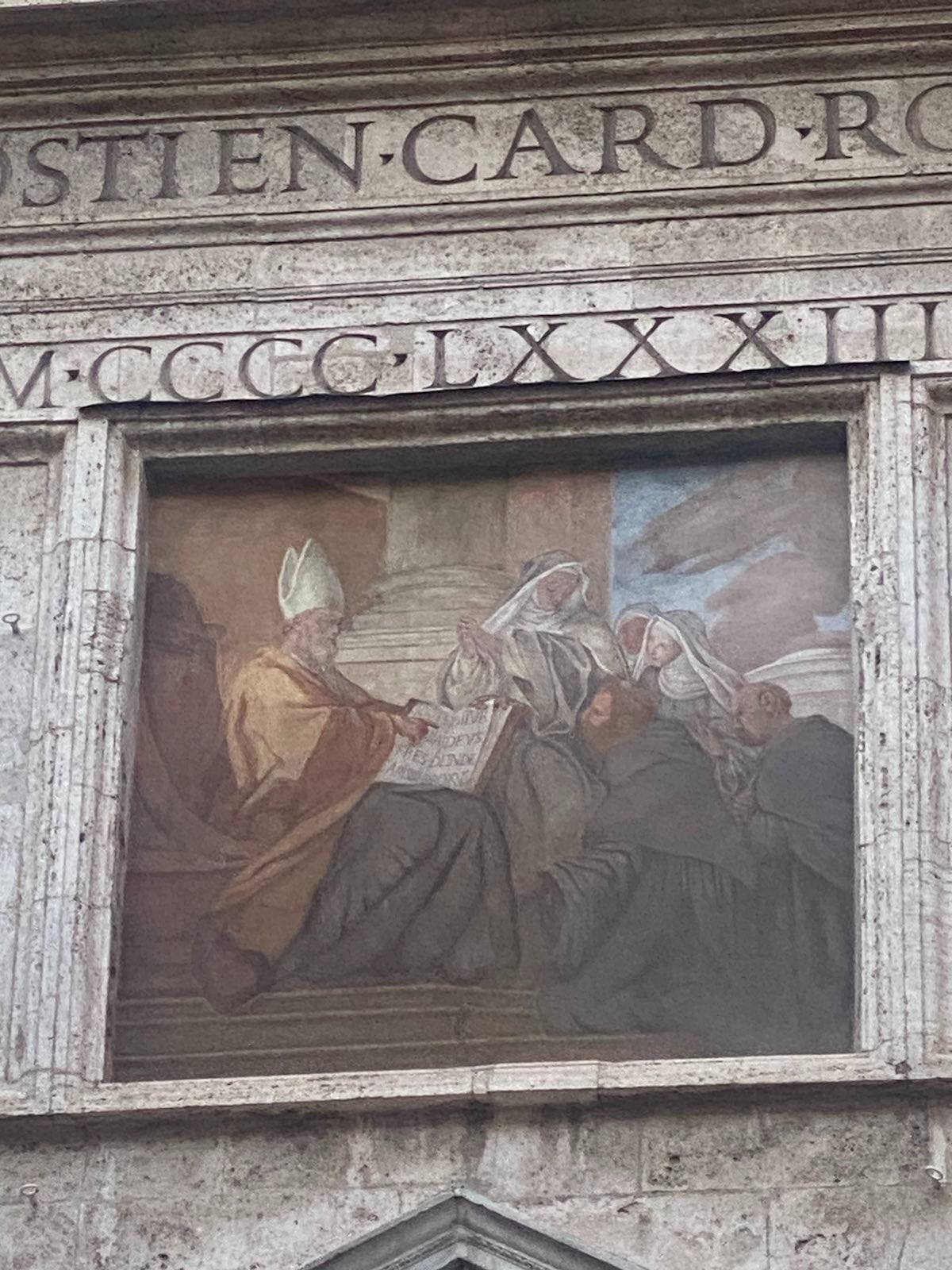




 The Martyrologium Romanum has this entry for 7 February: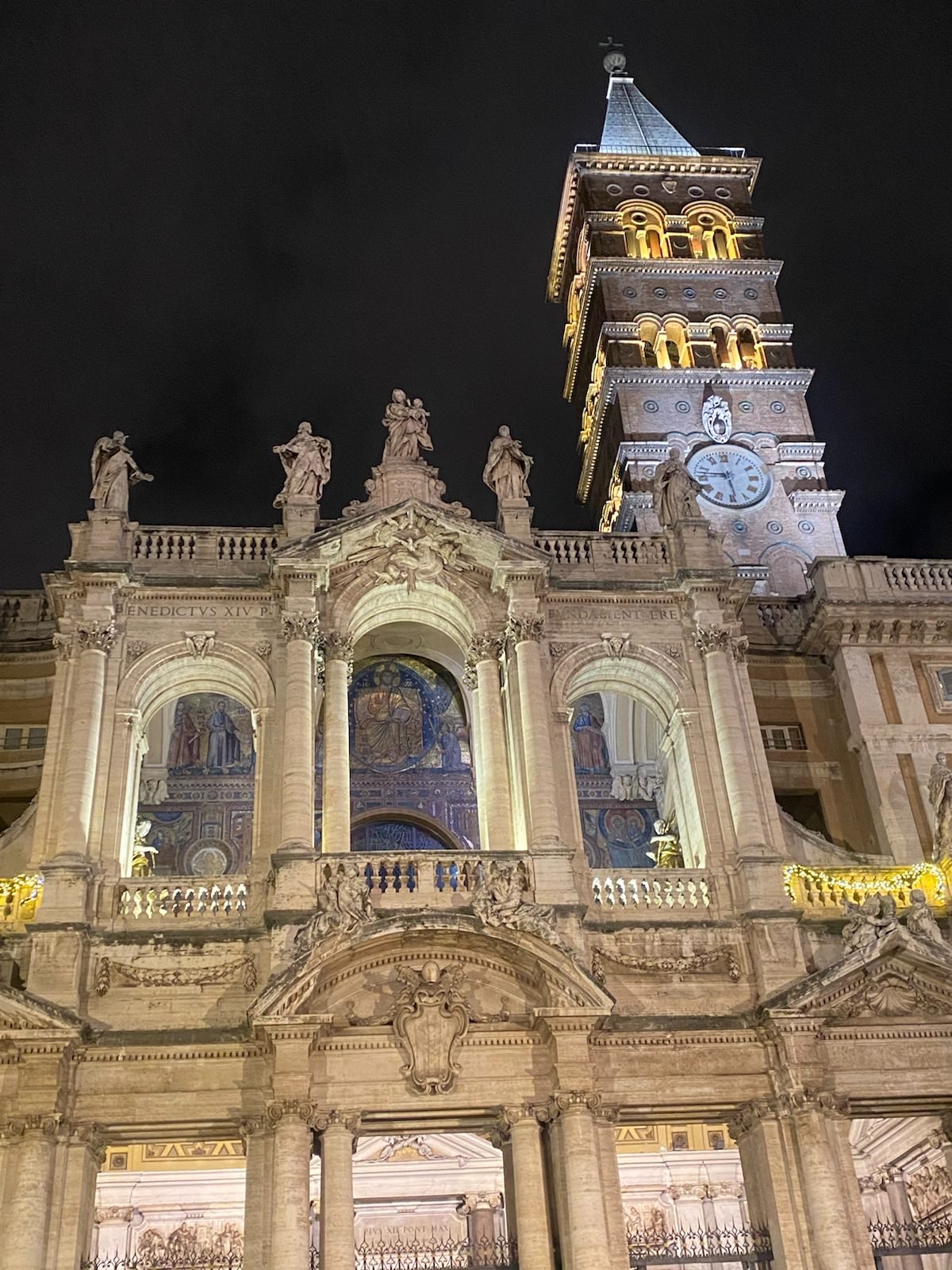

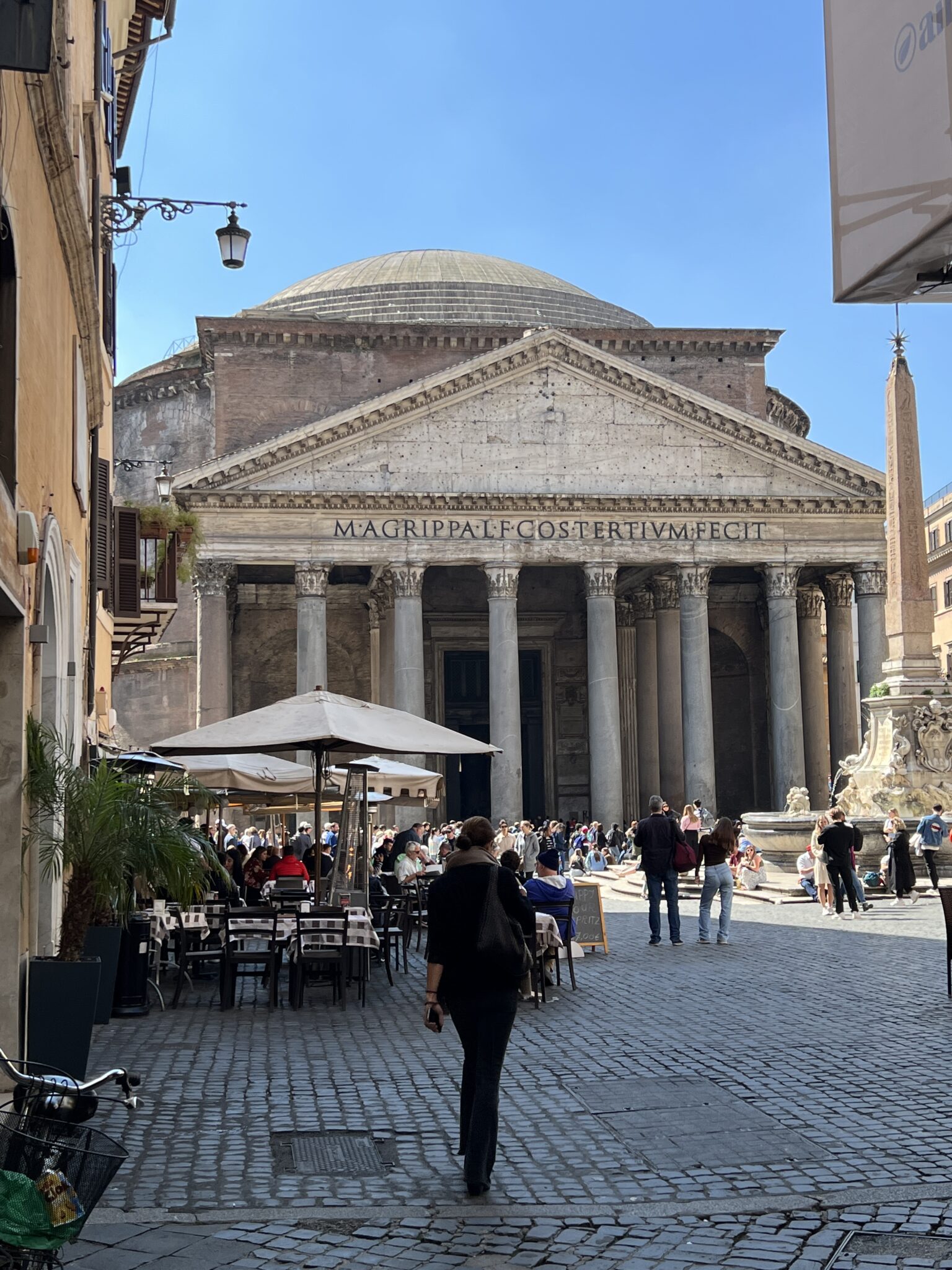

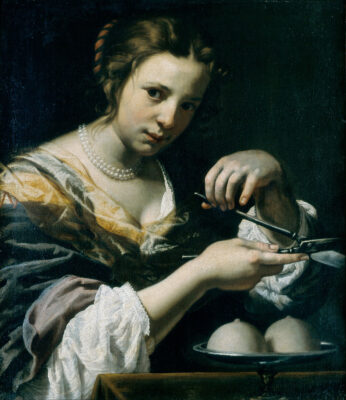 Today is the feast of St. Agatha, a virgin martyr and saint of the Roman Canon.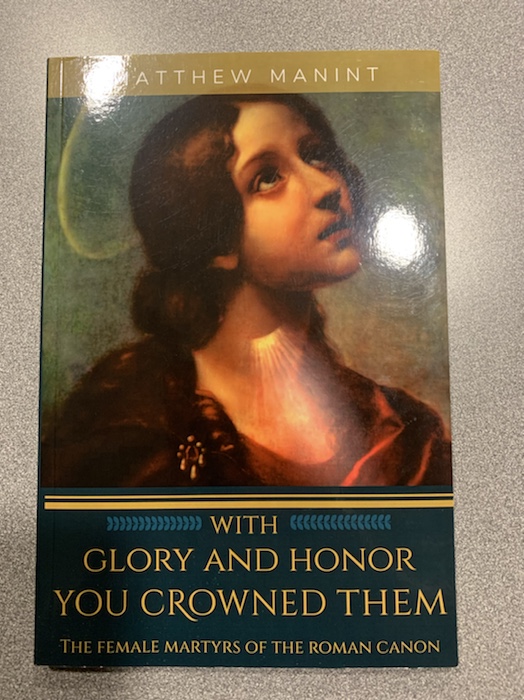


 Ages on Keeping an eye on the “Amoris laetitia” confab in Rome – 7-14 October: “He did say in “A Journey of Hope” that “profound change in the Church’s understanding” is a thing. Not just…”

























