Here is some interesting news. But watch how it is reported by AP.
There is a new FSSP parish in New Hampshire. It looks like they are having their first Mass there today, Sunday 7 August.
From AP (with my emphases and comments):
New Hampshire parish set to offer traditional Latin Mass
A Roman Catholic parish in New Hampshire will be the first in the state dedicated solely to the traditional Latin MassCONCORD, N.H. (AP) — When he arrived in Manchester nearly four years ago, Bishop Peter Libasci started getting letters from parishioners looking for a church that offered a traditional Latin Mass. [Everyone… TAKE NOTE! Be The Maquis!]
Few New Hampshire churches at the time offered the services, which date to the 15th century [ummm… it’s older than that] and had largely had been replaced since the 1960s by services in English, Spanish and French. [Good grief.]
First, Libasci had a dozen priests trained to conduct Masses in Latin. [Two points. First, the bishop did this? And the Novus Ordo ought to be in Latin.] Then, he went in search of a parish. He settled on St. Stanislaus in Nashua, which opened in 1908 to serve the Polish community but stopped holding mass after it was combined with St. Aloysius of Gonzaga parish in 2002. [Again, this seems to be something the bishop. If so, kudos to him.] He recruited Rev. John Brancich, a member of the conservative Priestly Fraternity of St. Peter, and the church will reopen Sunday — making it the first parish in New Hampshire dedicated to traditional Latin Mass. [Hmmm… he a “dozen” priests who could do this and then he brought in the FSSP? I would have thought that diocesan priests might be able to staff that parish. Frankly, while I admite the FSSP and I think they do great work, the real growth of the TLM will come with the involvement of more diocesan priests.]
Libasci said the Latin Mass appeals to “not only those looking for it but those who can be touched by it,” even if they’ve never seen it before.
“To withhold it would not be honest, it would not be true,” he said. “So this is a full expression of our whole treasury of prayer.” [Do I hear an “Amen!”?]
Across New England, churches offer Latin services along with services in English and other languages. Some do Latin services occasionally, while a handful conduct them every Sunday. In a Latin Mass, [NB the constant ignorant reference to Latin, Latin Mass.] everything except the homily and readings are in Latin and most of the hymns are sung in the language. As for the service, the priest faces in the same direction as the parishioners and also wears a ceremonial garment 7/8— known as a maniple— on his left forearm.
While still a tiny fraction of overall masses, Latin services have grown in recent years following the decree, Summorum Pontificum, from Pope Benedict XVI in 2007 that made it easier for bishops to offer Latin Masses.
That came on top of earlier guidance in 1980s from Pope John Paul II, who said priests could get permission from their bishop under limited circumstances to celebrate the rite. The guidance marked a shift from the early 1960s when Vatican II largely phased out Latin Masses under Pope John XXIII, with the goal of making Catholic traditions more relevant. Although it was opposed by more conservative forces in the church, it ushered in among other things English Mass. [English Mass… Latin Mass… good grief.]
“There is a conservative/traditionalist trend which is strong among younger clergy, but disliked among some older liberal clergy, which gained a lot of ground under Pope Benedict XVI to promote traditional liturgical practices,” said Father Anthony Ruff, an associate professor of theology at St. John’s University and School of Theology-Seminary in Minnesota who also has a liturgy blog called PrayTellBlog.com. “In general, it’s a very small group of people who want Latin Mass, but its adherents are very zealous about it, and it is growing.
The desire often overlaps with other conservative trends such as homeschooling, Ruff said, but some parishioners like it “for aesthetic reasons, or find it spiritually calming and beautiful and don’t necessarily have other attendant agendas.”
Monsignor Kevin Irwin, research professor at The Catholic University of America, said the Latin Mass — or Tridentine Mass — is one tool the Catholic Church is using to “bring back the groups that went away from the church after Vatican II.” [Perhaps he should learn it and then start saying it regularly for a congregation. He’ll find out who is actually participating at these Masses.]
“It’s an act of trying to reconcile,” Irwin said. “It’s not liturgy in terms of style or pomp and circumstances. It’s wanting to make sure the church doesn’t break down.” [Good grief.]
Over time, however, Latin Masses have become a personal preference for some, and people do in fact like the pomp and circumstance, Irwin said. [Ummm… Low Mass has “pomp and circumstance”? He needs to learn a few more things about this.]
Sister Maureen Sullivan, professor emerita of theology at Saint Anselm College in Manchester, described Latin Masses as having a sense of grandeur, like a “medieval opera,” where the priest wears opulent vestments and altar boys carry the cape he is wearing while walking down the aisle. [Sometimes when newsies interview you, they use very little of what you said. I hope she told the writer something smarter than this.]
“I would go to one if one was here, as a remembrance,” said Sullivan, who now lives in Maybrook, New York. “I would go because it would bring back memories.”
Libasci sees the desire for Latin Masses as a response to concerns of globalization, and a return to a time when Latin served as a unifying force for the church.
“Latin was the one language that everybody knew. When you go to church, you pray this way,” he said. “That has been lost.”

So, this article was a mixed bag. It reported something positive, but it was poorly written.
Bp. Libasci clearly has game and I compliment him for his initiative and openness. Also, I compliment those people who originally asked the bishop for his pastoral solicitude.
Take note, everyone. ¡Hagan lío!


 Go buy some grapes and take them to the priest for the Feast of the Transfiguration (tomorrow, 6 August), with a page from the
  The imagery of grapes is also Scriptural. The immediate association for Catholics is the Eucharist. But grapes symbolize the end times. They have an eschatological import. In Revelation 14:19-20 we have an image of the end times and judgment when the grapes of wrath are pressed in the winepress:
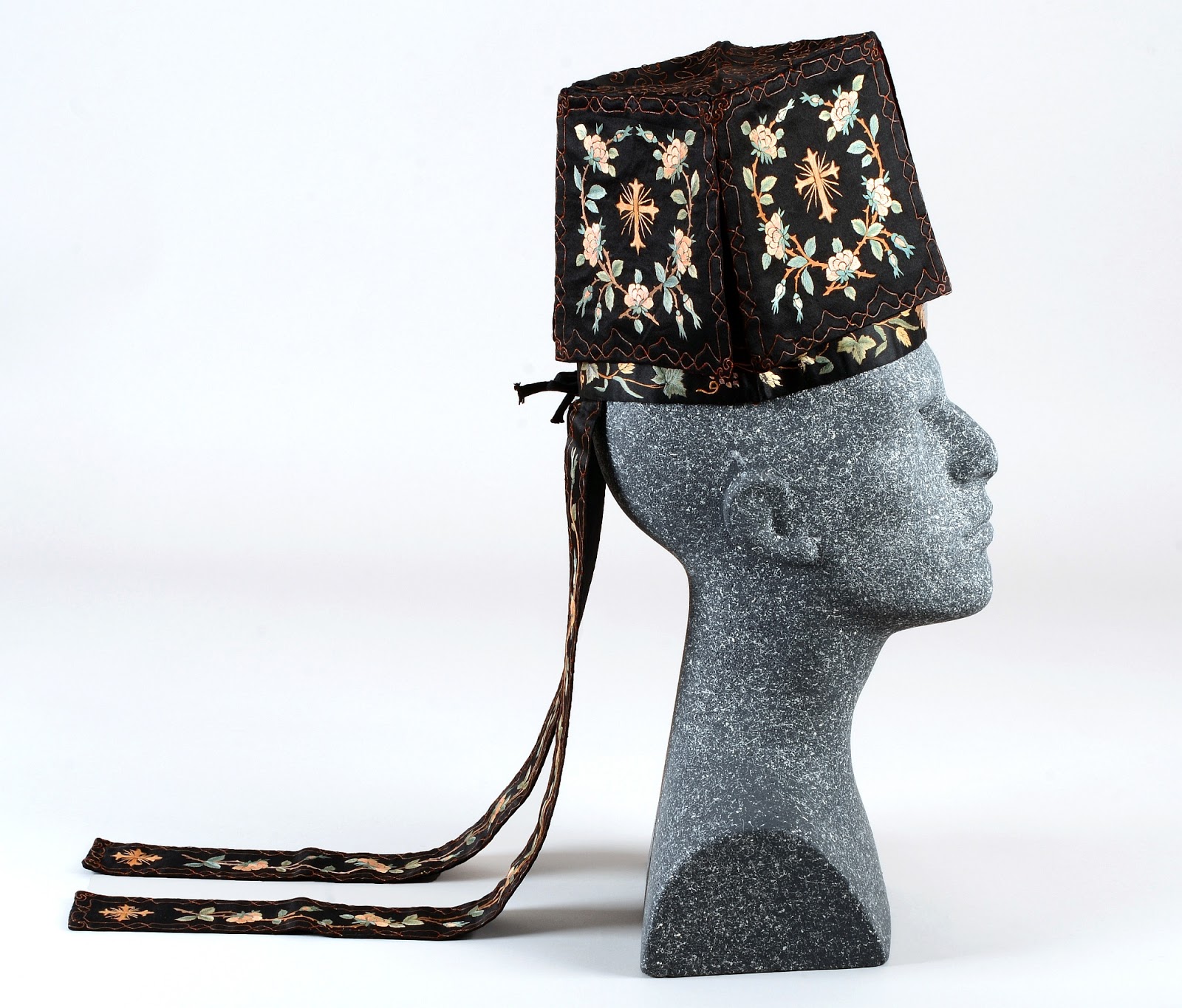
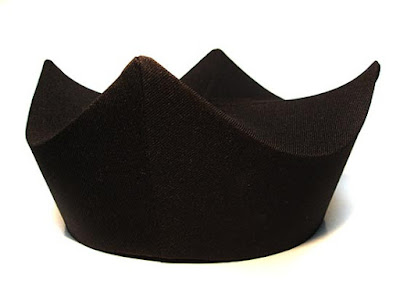 I could kick myself for not getting a Spanish biretta when I was in Madrid. Dumb. Dumb. Dumb. I guess I’ll have to go back.



 So, the 2016 Summer Olympics are upon us. The opening ceremony is tonight. There are various controversies going on.

 Pope Liberius (352-366) was Bishop of Rome in difficult times. In 350 Constans was assassinated and Constantius became the sole Emperor by defeating Magnentius. Some bishops in the East who opposed St. Athanasius in Egypt appealed to Liberius to get involved with the Arian controversy Athanasius was embroiled in.
 Poitier preserved letters of Pope Liberius attesting to what happened (Frag. Hist. 4,6).
 August, the soles of a pair of my running shoes melted and the layers came apart. In any event, the Basilica was completed by Pope Sixtus III and his archdeacon Leo (later Pope Leo I “the Great”). Here is what the Roman Martyrology says: