I said that for this Sunday’s supper I would make a broccoli dish from Apicius’ 2nd century and indeed I did. I would do it differently next time (since  the recipe was pretty sketchy). for some hints about how to use all the broccoli that is coming in.work De re coquinaria
The recipe was from De re coquinaria, Apicius’ 2nd century cookbook in a modernized edition by John Edwards called The Roman Cookery of Apicius, I could make coliculi elixati, “Broccoli and Cabbage in Coriander Wine Sauce”. I had everything in the garden, with the exception of the cumin.
There wasn’t much to the recipe except to put cooked broccoli in the concoction they designated, “boiled wine” and some herbs and onion. Just about the prevalent ingredient in ancient Roman fare was pepper, and of course garum. I didn’t use garum, but I did use pepper. I think I could have used more. The basic idea is to seethe your broccoli in this cooking fluid, which has onion, coriander, cumin and pepper. The fluid itself was a sweet wine I reduced to less than half. I should have reduced it more and increased the spices.
The main course was a chicken recipe from Julia Child’s Mastering the Art of French Cooking, Poulet Sauté aux Herbes de Provence Chicken sauteed with Herbs and Garlic, Egg Yolk and Butter Sauce. The recipe calls for thyme or savory, I and used both.
The recipe as described in the book:
Basil, thyme or savory, a pinch of fennel, and a bit of garlic give this sauté a fine Provencal flavor that is even more pronounced if your herbs are fresh. The sauce is a type of hollandaise, as the herbal, buttery pan juices are beaten into the egg yolks to make a thick and creamy liaison. Serve this dish with potatoes sauteed in butter or potato crepes, broiled tomatoes and a chilled rosé wine.
The total time I used was about an hour of really intense work, which included setting the table in the gaps.
I would not have been any fun to talk with during that first half hour, for sure. Then things settled in and didn’t get bad until the last 5 minutes.
I brought in lots of coriander (= ciilantro) which had gone to seed. I wanted the seeds. Next time I will also use leave of fresh cilantro.
Now to shake of the seeds and store them against the next time.
Grinding some coriander.
Reducing the wine.
The seething mixture, includes olive oil.
The beginning of the preparation of the chicken is not so interesting in itself.
Brown the chicken in butter, take out the white meat at a certain point and season the dark and keep cooking with the herbs.
Then add the white back in and finish cooking.
Then the fun starts.
One of the things you added when the white meat came out the first time were three cloves of unpeeled garlic.
Now that all the chicken is cooked and out of the pan, you mash the garlic and take out the skins.
Deglaze with white wine or vermouth. I used vermouth. Reduce.
If you have other things going, you need to pay attention, because it was at this point that I forgot to keep my eye on the hashbrowns I decided to make.
You make a sauce from the pan juices along the lines of a Hollandaise.
This means use set up a double-boiler and start beating the juices into egg yolks.
Cook it as you go to thicken it.
I strained the juices a bit before I started, but I wouldn’t have had to.
Add more herbs.
Put it on the platter and haul it outside! Dark hashbrowns on the left, of course.
Plated with ancient Roman broccoli.
The broccoli…. I don’t know what to say. The recipe was perfectly sketchy.
I need to try this again, to get into the theory of it. It just didn’t seem right to me.
Don’t get me wrong. It was good.
First, the broccoli discolored, which in itself doesn’t bother me too much, but I think that having a more intense and reduced fluid and slower cook time will help.
Also, I will steam the broccoli above the mixture before I put it in to blend the flavors.
And it must be more intense. I need to reduce far more than the recipe suggested. We have to consider what ancient Roman wine was like. This needed a thicker and more rasiny impact. And I will use also more of the spices. Also, I will probably also add sliced cabbage.
I think I know what this recipe is about, but today… it wasn’t quite there. Good, but not yet right.
The chicken was tender and the sauce intense with a perfect balance of the herbs. The hashbrowns were a good choice, and they were not burned, though they came close while I was doing the sauce. Gotta remember that and set up the time line so they are done and the sauce is the last thing I have to prepare.
For dessert we had crisp apples and a soft cheese and some little cookies with very strong coffee.
Here is a shot of the wine we had with the meal.
Thus, Sunday supper.
PENJING REPORT
Penjing and the bonsais were banished to the kiddie table.
Penjing, protesting the marginalization, is putting on a show with little white flowers.
Once again, make plans for Sunday meals with others.
Families who eat together tend to have stronger bonds.
Invitations to meals, especially to those who are alone, can be a great source of consolation, a real work of mercy.
From John Paul II’s Dies Domini:
72. The Eucharist is an event and programme of true brotherhood. From the Sunday Mass there flows a tide of charity destined to spread into the whole life of the faithful, beginning by inspiring the very way in which they live the rest of Sunday. If Sunday is a day of joy, Christians should declare by their actual behaviour that we cannot be happy “on our own”. They look around to find people who may need their help. It may be that in their neighborhood or among those they know there are sick people, elderly people, children or immigrants who precisely on Sundays feel more keenly their isolation, needs and suffering. It is true that commitment to these people cannot be restricted to occasional Sunday gestures. But presuming a wider sense of commitment, why not make the Lord’s Day a more intense time of sharing, encouraging all the inventiveness of which Christian charity is capable? Inviting to a meal people who are alone, visiting the sick, providing food for needy families, spending a few hours in voluntary work and acts of solidarity: these would certainly be ways of bringing into people’s lives the love of Christ received at the Eucharistic table.
And don’t forget to pray before and after meals.
BEFORE: Benedic, Domine, nos et haec tua dona quae de tua largitate sumus sumpturi. Per Christum Dominum nostrum. Amen.
AFTER: Agimus tibi gratias, omnipotens Deus, pro universis beneficiis tuis, qui vivis et regnas in saecula saeculorum. Amen.
and… Fidelium animae per misericordiam Dei requiescant in pace. R. Amen.


 The pilgrimage that brought altar boys and girls [sic] to Rome en masse this week concluded on a high note at Wednesday’s general audience. Bringing tens of thousands of young people together in what appeared to be a small scale World Youth Day, the event showed the true colors of Church and the communion of its youth.



 To Midnight 2 August, you can gain the "Portinuncula" Indulgence.
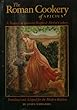 the recipe was pretty sketchy). for some hints about how to use all the broccoli that is coming in.work De re coquinaria




 emmatag1126 on Thoughts about the collision of the Holy See and the SSPX. Wherein Fr. Z rants.: “Also, the Declaration said that we can be saved only through the Roman Catholic Church, which unfortunately leaves out my…”






























