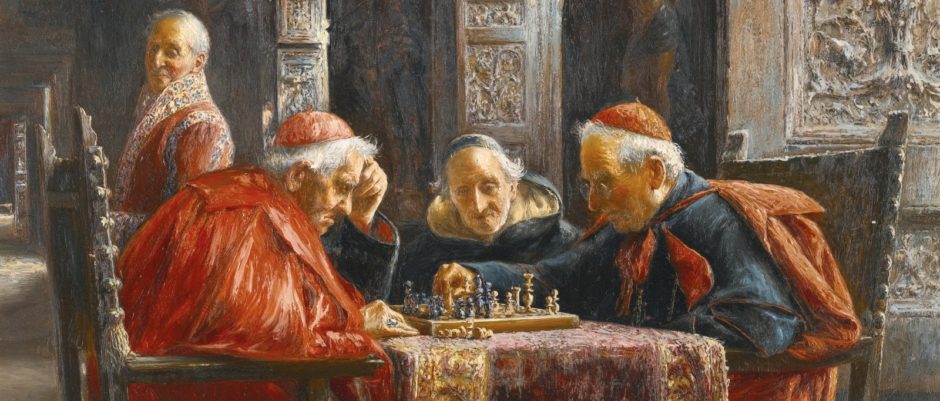
Pope Francis said something along the lines that certain realities can be seen only through eyes that have been cleansed by tears.
At the Italian site Messa in Latino, I saw a little video, beautifully produced, focused very much on the affective dimension of the experience of Holy Mass in the traditional form of the Roman Rite.
It also underscores visually and viscerally what I am constantly banging on about: the knock on effect of the TLM on priests and on people in the pews.
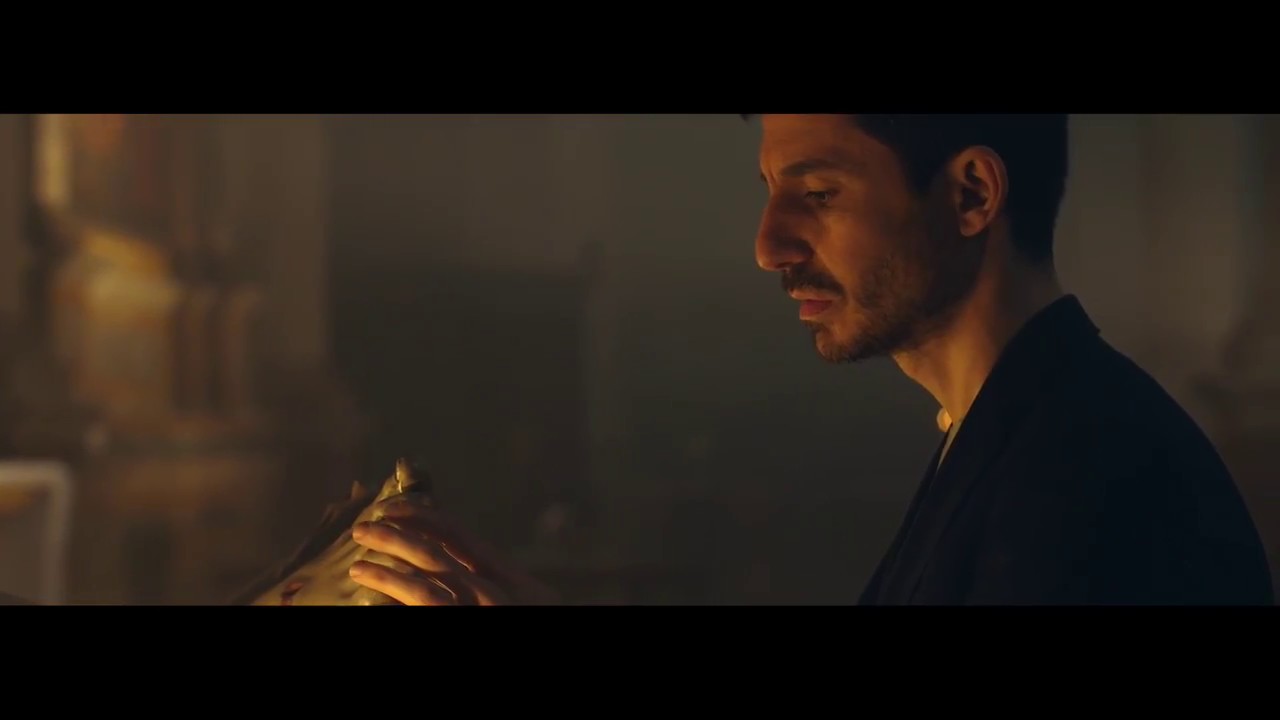

Some may be tempted to say that it is “sentimental”.
A thoughtful person, however, would reflect that the affective compliments the intellective.
There’s nothing wrong with some “sentiment”.
There’s also nothing wrong with our older, traditional prayers dripping with what today we might regard as “flowery” or “syrupy” language. There’s nothing wrong with “flowery” language in prayers. We don’t have to be terse and jejune all the time. That’s not how we are made.
On that note, you should know that there was and is in thing Catholic thing of ours a tradition of praying for the gift, the grace, of tears. In the Missale Romanum there are prayers for the gift of tears.
What comes first? Understanding and then belief? Belief and then understanding? Nisi credideritis non intelligetis… You will not understand unless you first will have believed.
What comes first? The tears and then the understanding?
Why do we bother to pray the Sorrowful Mysteries?
Again, Pope Francis once talked about the gift of tears to the priests of Rome in 2014.
Tell me: Do you weep? Or have we lost our tears? I remember that in the old Missals, those of another age, there is a most beautiful prayer to ask the gift of tears. The prayer began like this: “Lord, who commanded Moses to strike the rock so that water might gush forth, strike the stone of my heart so that tears…”: the prayer went more or less like this. It was very beautiful. But, how many of us weep before the suffering of a child, before the breakup of a family, before so many people who do not find the path?… The weeping of a priest…. Do you weep? Or in this presbyterate have we lost all tears?
Do you weep for your people? Tell me, do you offer intercessory prayer before the Tabernacle?
In about 412 Augustine wrote about prayer in a famous letter to Proba, a weathy Roman widow of the important gens Anicia. She had fled with her family and some pious women to North Africa after the Sack of Rome to found a religious community. She had asked him about how to pray. The bishop, who had a great deal to do in his busy life, took time to exchange letters to her and we, incredibly, have them. She was, after all, one of the wealthiest women anywhere and, more importantly, she had picked up some Pelagianism along the way. Among the deep advice of this long letter, Augustine wrote:
To use much speaking in prayer is to employ a superfluity of words in asking a necessary thing; but to prolong prayer is to have the heart throbbing with continued pious emotion towards Him to whom we pray. For in most cases prayer consists more in groaning than in speaking, in tears rather than in words. But He sets our tears in His sight, and our sighing is not hidden from Him who made all things by the word, and does not need human words. (ep. 130.10.20)
Without additional rambling, here are the prayers “Ad petendam compunctionem cordis .. In order to beg for compunction of the heart” from the 1962 Missale Romanum (in earlier editions Pro petitione lacrimarum) together with my close conversion into the vernacular of this blog. These orations can be added to the other orations of another Mass formulary. Some younger readers here might not know what “compunction” is. In Latin we have a compound of cum+pungo – “puncture severely, sting”. English “compunction” is just that: a strong sense of unease due to regret or hesitation about some act. In Latin it is stronger. It has the effect of, “piercing with remorse, the sting of conscience”.
I might just play a bit with the metaphrasing:
Collect
Omnipotens et mitissime Deus, qui sitienti populo fontem viventis aquae de petra produxisti: educ de cordis nostri duritia lacrimas compunctionis; ut peccata nostra plangere valeamus, remissionemque eorum, te miserante, mereamur accipere. Per Dominum nostrum.
Almighty and most gentle God, who for Thy thirsting people drew living water from forth a rock, from forth our stony hearts do Thou now draw tears of compunction, that we may be able to beweep our sins, and we may merit while Thou dost show us mercy to receive their forgiveness.
First, I like that chiasmus with the de and verbs. Off the top of my head, I wonder if there isn’t an exitus – conversio – reditus pattern underlying that use of produco and educo on either side of the flex. Remember: everything is from God. The very sense of sorrow is prevenient. The very prayer being sung in this moment is God’s first and only truly ours when we raise it back on high as an offering.
Secret
Hanc oblationem, quaesumus, Domine Deus, quam tuae maiestati pro peccatis nostris offerimus, propitius respice: et produc de oculis nostris lacrimarum flumina, quibus debita flammarum incendia valeamus extinguere. Per Dominum nostrum.
Look favorably, we beseech Thee, Lord God, upon the offering which for the sake of our sins we offer to Thy majesty: and from out our eyes draw a river of tears, by which we might manage to quench the ragings of the flames that they deserve.
A master of emotions and of Latin constructed these prayers. Take note of the synchesis in lacrimarum flumina… flammarum incendia. There are other “gift of tears” forumularies through our history, such as those found in the ancient Gregorian Sacramentary. These, however, are lovely.
Postcommunion
Gratiam Spiritus Sancti, Domine Deus, cordibus nostris clementer infunde: quae nos gemitibus lacrimarum efficiat maculas nostrorum diluere peccatorum: atque optatae nobis, te largiente, indulgentiae praestet effectum. Per Dominum nostrum… in unitate eiusdem Spritus.
Into our hearts, Oooh Lord, Oooh God, pour gently the Holy Spirit’s grace: which will cause us to cleanse with sighs the stains of our sins and, so long as Thou dost bequeath it, fulfill for us the effect of forgiveness.
I know what you are thinking. That gemitibus made me do it.
There are tears of sorrow, of mourning, and of joy which all flow from the same source.
Okay.. back to work and…
GO TO CONFESSION!

 Summer notwithstanding, I have had a hankering for something Roman that I haven’t had for a while.


 From a reader…
 I saw a great entry at



 Fr. John Zuhlsdorf on ASK FATHER: Priest says the consecration of the chalice over the host: “Darby: 1) Yes 2) No”






























