It is sometimes observed that elements of the Roman Rite, both traditional and revised, accrued as if my accident. Liberals contemptuously squint at gestures (especially the reverent ones) as if they were barnacles on the hull of a ship that should be scraped off. These medieval accretions don’t really offer anything important.
They misunderstand … well… a lot.
I bring to the attention of the readership an intriguing book by Fr. James W. Jackson, a priest of the FSSP Nothing Superfluous: An Explanation of the Symbolism of the Rite of St. Gregory the Great US HERE UK HERE

These days there are several ways in use to refer to the traditional form of the Roman Rite. Variously, we hear Extraordinary Form, Usus Antiquior, Gregorian Rite, Pian Rite, etc.
Fr. Jackson addresses the fact that, yes, many elements crept into our rites over time and, yes, on the surface it seems that they got in there by accident or habit. However, they are not superfluous. They mean something. They have their own beauty and impact. Considered together, they communicate something important.
Jackson goes through the Mass and comments on the particulars. I found quite interesting his brief presentation of St. Charles Borromeo’s ideas about church architecture, what a church should have and look like and, hence, what a Church means.
Seminarians would benefit from this book, as would priests.
Fathers, learn the traditional Roman Rite. You will accrue to yourselves a deeper understanding of who you are as a priest at the altar. The very fact that antinomian liberals, squishy on doctrine, hate the older form of Holy Mass is reason enough to embrace it and make it your own. It stands like a bastion against their hateful iconclasm and murky notions of priesthood and Church.
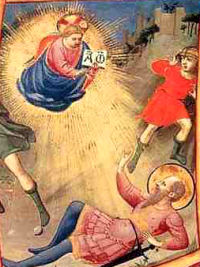 In honor of the Apostle to the Gentiles let us make a rapid comparison of the Collects for today’s feast of the Conversion of St. Paul.

 The Holy See issued a press release about the SMOM (aka Knights of Malta) dust up.




 At the Spanish site


 hwriggles4 on ROME 26/10-11 – Day 33: All Souls: “Like many others I have some family members that I disagree with on several issues. However, one thing a few…”




























